

Learning with Toys: A Parent’s Guide to Skill-Building Play by Age
Learning with Toys: The Ultimate Guide to Skill-Building Play for Kids
Play is far more than entertainment for children—it is one of the most powerful learning tools during early development. Research in child psychology consistently shows that play-based learning strengthens brain development, supports emotional regulation, and builds essential life skills such as problem-solving, creativity, and motor coordination.
Learning with toys allows children to experiment, build, explore, and imagine. Whether stacking blocks, solving puzzles, or creating imaginative stories with playsets, children develop foundational skills that support academic success and everyday independence.
In this comprehensive guide, we explore how educational toys support child development and which types of toys help build specific skills. You’ll also learn how parents can actively participate in playtime to turn everyday toys into powerful learning experiences.
How Learning with Toys Supports Child Development
Why Play Is Essential for Early Childhood Development
Children learn best through active exploration. During play, the brain forms neural connections that support memory, coordination, language development, and emotional intelligence.
Unlike passive activities such as watching videos, hands-on toys encourage children to experiment and solve problems independently. This type of learning stimulates curiosity and helps children build confidence in their abilities.
Educational experts often describe play as the “work of childhood” because it prepares children for complex cognitive and social tasks later in life.
Key Skills Kids Develop Through Educational Toys
Different toys stimulate different areas of development. The most effective educational toys typically support multiple skill areas at once.
- Fine motor skills – developing hand strength and precision
- Cognitive development – improving reasoning and problem solving
- Creativity and imagination – building storytelling and artistic expression
- STEM understanding – introducing early science and engineering concepts
- Sensory exploration – stimulating touch, sight, and sound to support brain growth
When toys combine several of these elements, they become powerful learning tools rather than simple entertainment.
Skill-to-Toy Mapping: Which Toys Build Which Skills?
| Development Skill | How Kids Learn | Best Toy Types |
| Fine Motor Skills | Precise hand movements and coordination | Micro building blocks, stacking toys, puzzles |
| Cognitive Development | Problem solving and logical thinking | Strategy games, construction sets, logic puzzles |
| Creative Expression | Imagination and storytelling | Themed playsets, art toys, character figures |
| STEM Learning | Engineering and experimentation | Building kits, robotics toys, science sets |
| Sensory Development | Touch, texture, and interactive exploration | Textured toys, sensory bins, interactive learning toys |
This quick comparison helps parents identify which toys best support specific developmental goals.
Fine Motor Skill Toys: Building Hand-Eye Coordination
What Are Fine Motor Skills?
Fine motor skills involve small muscle movements in the hands and fingers. These skills are essential for everyday activities such as writing, buttoning clothes, drawing, and using utensils.
Developing strong fine motor control early helps children gain independence and prepares them for school tasks like handwriting and art projects.
Best Toys for Developing Fine Motor Skills
Toys that require precise manipulation help strengthen finger muscles and improve coordination.
- Micro building blocks
- Stacking rings and peg boards
- Shape sorting puzzles
- Construction kits
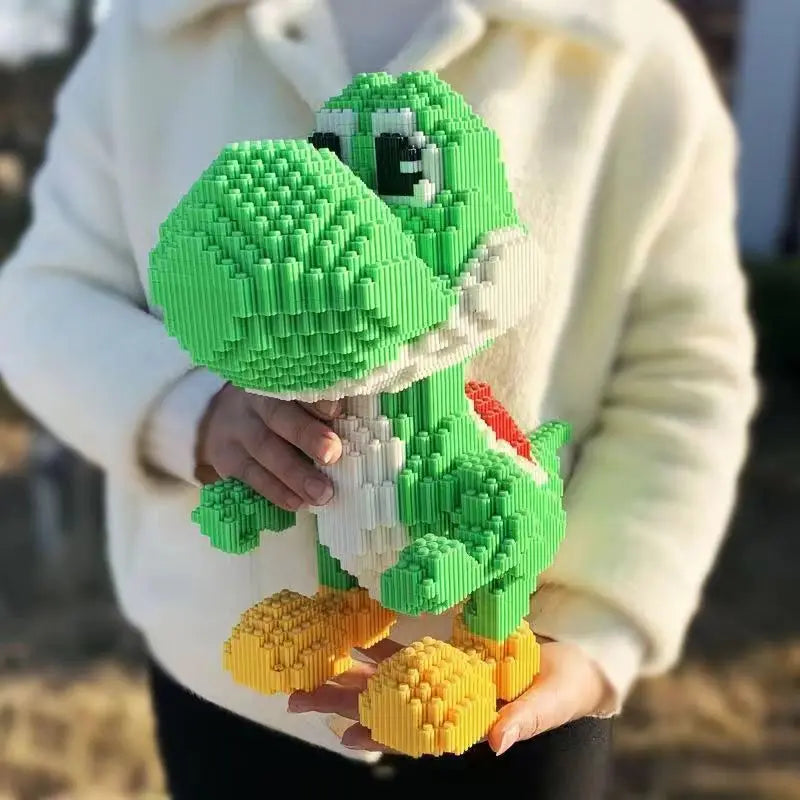
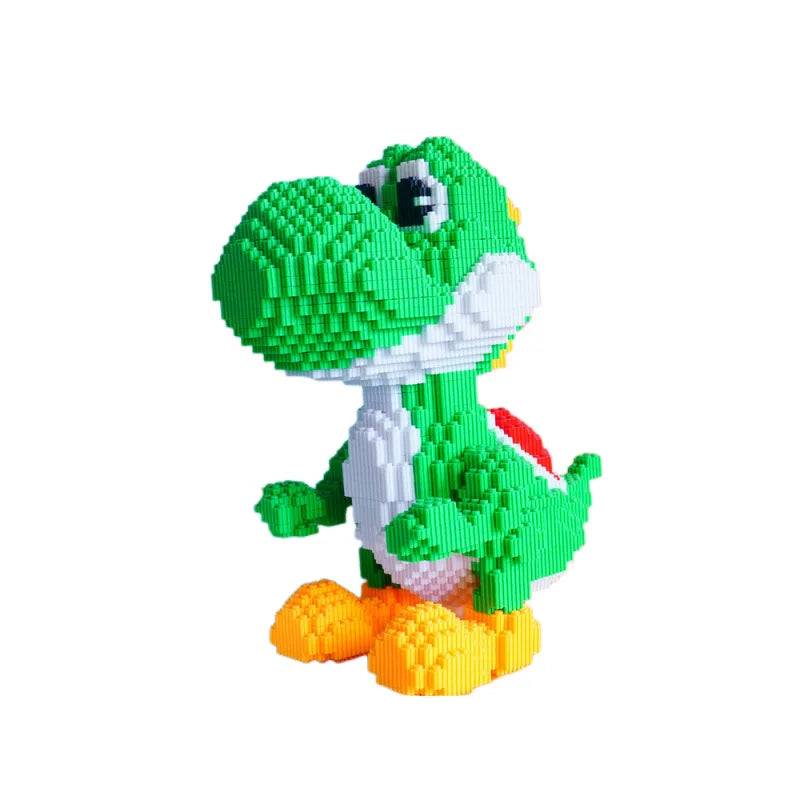
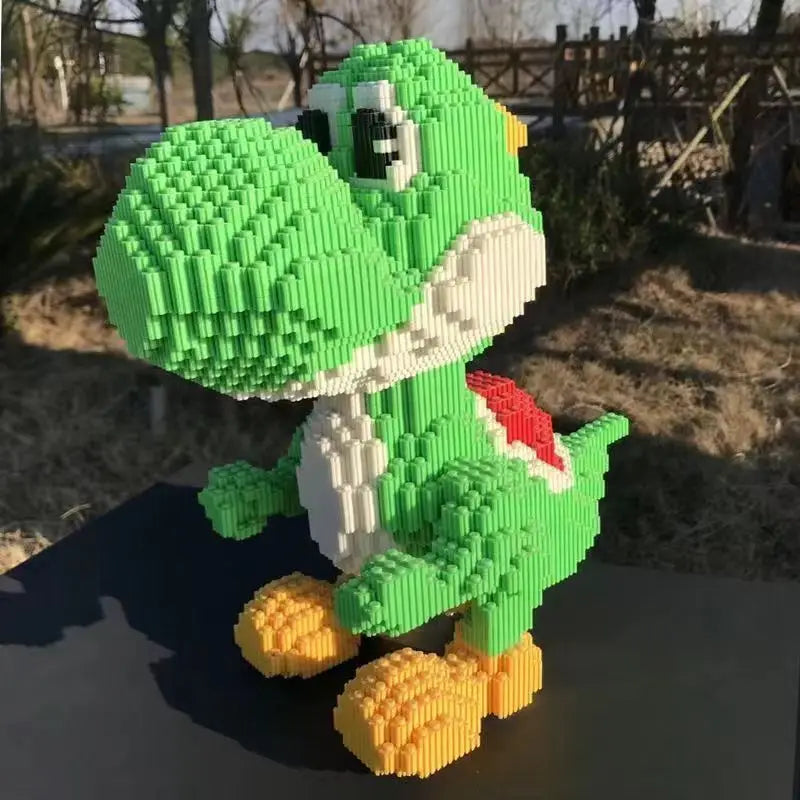
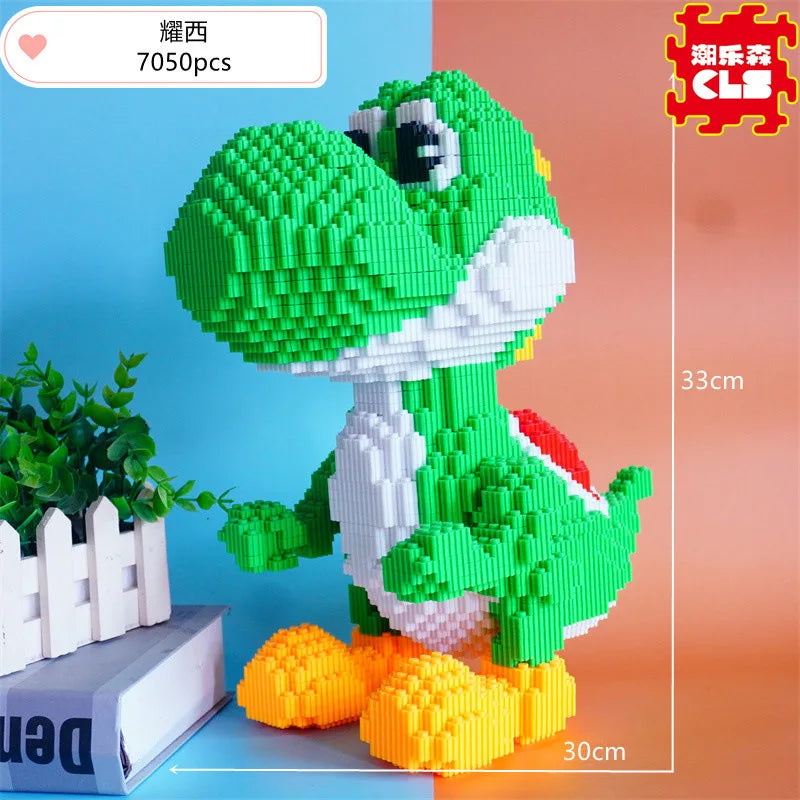
One engaging example is a detailed micro block construction set such as the Disney Dinosaur Building Blocks – Challenging Decor Set. Because the pieces are small and require careful placement, children must concentrate and use precise hand movements to assemble the dinosaur structure.
This type of toy not only strengthens fine motor coordination but also encourages patience and persistence during complex tasks.
Cognitive Development Toys: Encouraging Problem Solving
How Toys Stimulate Cognitive Development
Cognitive development refers to the mental processes children use to understand the world. Toys that challenge children to think, analyze, and experiment help strengthen these skills.
When children attempt to build structures, solve puzzles, or complete patterns, they practice logical reasoning and learn how to overcome obstacles.
Examples of Problem-Solving Toys for Kids
- Building block construction sets
- 3D puzzles
- Logic and strategy games
- Pattern recognition toys
Construction toys are particularly effective because they allow children to test ideas and adjust designs until the structure works. This trial-and-error process builds resilience and strengthens critical thinking.
Creative Play Toys: Boosting Imagination and Expression
Why Creative Play Is Important for Kids
Creative play helps children develop communication skills, emotional understanding, and imaginative thinking. During pretend play, kids often invent stories, roles, and characters, which helps them process real-world experiences.
This form of play also supports language development because children naturally narrate and explain their imaginative scenarios.
Creative Toys That Encourage Storytelling
- Themed building kits
- Dinosaur playsets
- Action figures and character toys
- Art and craft kits
Dinosaur-themed building toys are especially popular because they combine imagination with hands-on construction. After completing a dinosaur model, children often invent stories about prehistoric adventures or create display scenes.
These types of toys encourage both artistic creativity and storytelling skills.
STEM Toys: Early Foundations for Science and Engineering
What Makes a Toy STEM Educational?
STEM toys introduce children to science, technology, engineering, and mathematics concepts through hands-on exploration. Rather than memorizing facts, children learn by experimenting and building.
Many STEM toys involve constructing structures or solving engineering challenges. This type of play encourages curiosity and teaches children how systems and mechanisms work.
Popular STEM Toy Examples for Kids
- Engineering building kits
- Robotics sets
- Magnetic construction toys
- Mechanical puzzle kits
Complex building sets are particularly valuable STEM tools because they teach structural balance, spatial reasoning, and sequential thinking.
Sensory Play Toys: Supporting Brain and Emotional Development
What Is Sensory Play?
Sensory play involves activities that stimulate the senses of touch, sight, sound, smell, and movement. These experiences are especially important for younger children because they help the brain organize sensory information.
Sensory play can also support emotional regulation, helping children calm down and focus during learning activities.
Examples of Sensory Learning Toys
- Textured sensory toys
- Interactive light toys
- Sound-based learning toys
- Hands-on building sets with varied shapes
Parents looking for sensory-friendly learning toys can explore collections like Sensory Toys, which offer products designed to support tactile exploration and interactive play.
Skill-Building Toys by Age Group
Best Toys for Toddlers (Ages 2–3)
- Stacking toys
- Large building blocks
- Simple shape sorters
- Sensory play items
At this stage, toys should focus on basic coordination and sensory exploration.
Best Toys for Preschoolers (Ages 3–5)
- Creative building sets
- Puzzle toys
- Imaginative playsets
- Art and craft toys
Preschoolers benefit from toys that challenge thinking while still allowing free creative play.
Best Toys for Kids Ages 5+
- Advanced building block kits
- STEM construction toys
- Strategy games
- Science experiment kits
Older children enjoy toys that require patience and deeper concentration, such as intricate construction kits.
How Parents Can Encourage Learning During Playtime
Simple Play Techniques That Boost Learning
Parents can dramatically increase the educational value of toys simply by engaging with their children during play.
- Ask open-ended questions such as “What do you think will happen if…?”
- Encourage storytelling during imaginative play
- Allow children to experiment and make mistakes
- Praise effort and creativity rather than just results
These strategies help children develop confidence and curiosity while strengthening cognitive skills.
Parents interested in more developmental insights can explore helpful parenting resources in the Baby Growth & Learning Tips section.
Creating a Learning-Friendly Play Environment
A supportive play environment makes learning through toys even more effective.
- Rotate toys periodically to maintain interest
- Create a dedicated play area
- Provide toys that encourage exploration and creativity
- Balance independent play with guided playtime
When parents participate occasionally—helping solve puzzles or discussing creative ideas—children gain even more educational benefits.
Conclusion
Toys are far more than simple entertainment. When chosen intentionally, they become powerful tools that help children build motor skills, cognitive abilities, creativity, and emotional intelligence.
From sensory toys for toddlers to complex STEM construction kits for older kids, each type of toy supports different aspects of development. By understanding how learning with toys works, parents can select play experiences that truly support their child’s growth.
If you're exploring hands-on learning toys that combine creativity and skill development, consider unique building sets like the Disney Dinosaur Building Blocks. These challenging micro block kits encourage patience, concentration, and problem-solving while creating an impressive dinosaur display.
Thoughtful play today builds the skills children will rely on for a lifetime of learning.
Pillar Article: Best Dinosaur Block Display Model Kits for Detailed Collector Builds





