

Light & Music Toy Review What Parents Love Most
Do light & music toys really help toddlers learn?
Light & music toys support early learning by combining visual stimulation, sound cues, and interactive play. Parents report improved attention, calmer playtime, and stronger sensory engagement when lights n sounds respond to touch or movement. A well-designed play music toy can encourage rhythm, language exposure, and independent exploration.
⏱ 7 min read
Light & Music Toy Review: What Parents Love Most
Light & music toys aren’t just noisy fun—they’re smart tools parents rely on for learning and calm play. From engaging lights n sounds that boost attention to every play music toy that supports rhythm and language, this electronic learning toy category keeps surprising families. Parents love how these toys encourage independent play, spark curiosity, and grow with their child’s skills. But which features actually matter most when choosing one?
Which interactive toy actually keeps your child engaged without overstimulation? Keep reading to see why so many parents trust light & music toys for everyday play.
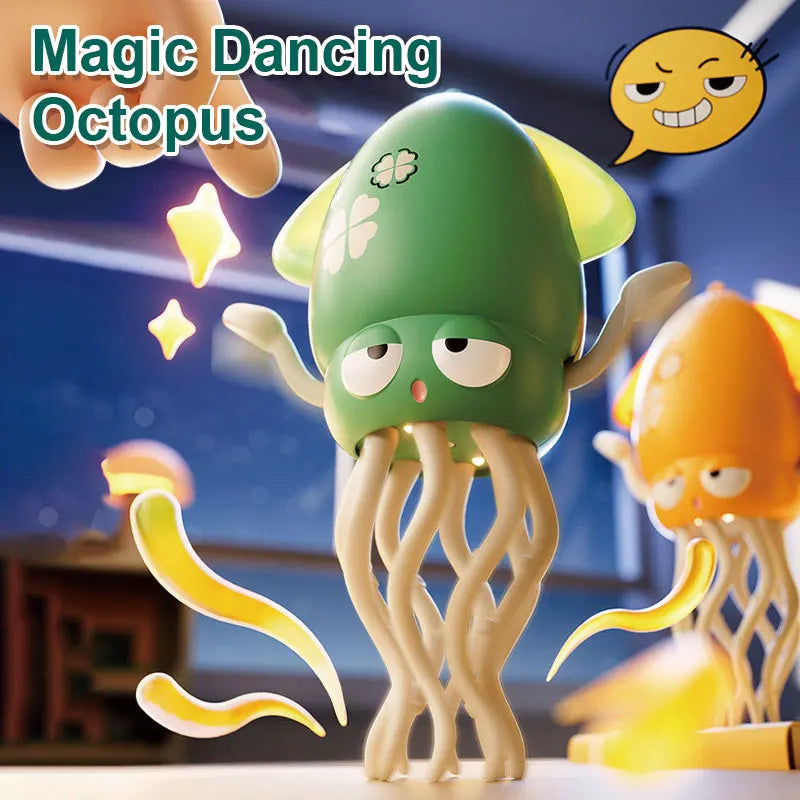
Light & music toys with responsive lights n sounds — 💡 See it in action
Why parents choose light & music toys for daily play
Parents often feel overwhelmed by toy options that promise learning but deliver chaos. Light & music toys stand out because they blend entertainment with structure. When lights n sounds react predictably, children stay engaged longer and parents feel more confident about playtime value.
- Encourages independent play while caregivers rest or multitask
- Supports sensory development without screens
- Creates predictable, calming play routines
- Adapts to different ages and stages
Many families exploring Baby Growth & Learning solutions find these toys strike the right balance between fun and function.
How light & music support early learning
Light & music toys help toddlers connect cause and effect. Pressing a button, tapping a surface, or moving the toy triggers sound or light, reinforcing curiosity and motor skills.
Key learning benefits parents notice
- Attention building: Rhythmic sounds and soft lights hold focus longer.
- Language exposure: Simple melodies and tones introduce patterns.
- Motor coordination: Reaching, tapping, and dancing build control.
- Sensory confidence: Predictable feedback reduces frustration.
Families often pair these toys with items from Sensory Toys to create a balanced play environment.
In-depth product review: Dancing Octopus Toy
Light & music features shine when they feel playful, not overwhelming. The Dancing Octopus Toy combines gentle lights n sounds with movement, encouraging kids to follow, crawl, or dance along.
Why this light & music toy stands out: It offers responsive motion, adjustable sound levels, and friendly design that keeps children engaged without overstimulation, making it a trusted electronic learning toy for everyday play.
What parents love most
- Soft, colorful lights that aren’t harsh
- Music modes that feel playful, not repetitive
- Movement that motivates crawling and dancing
- Durable build for daily use
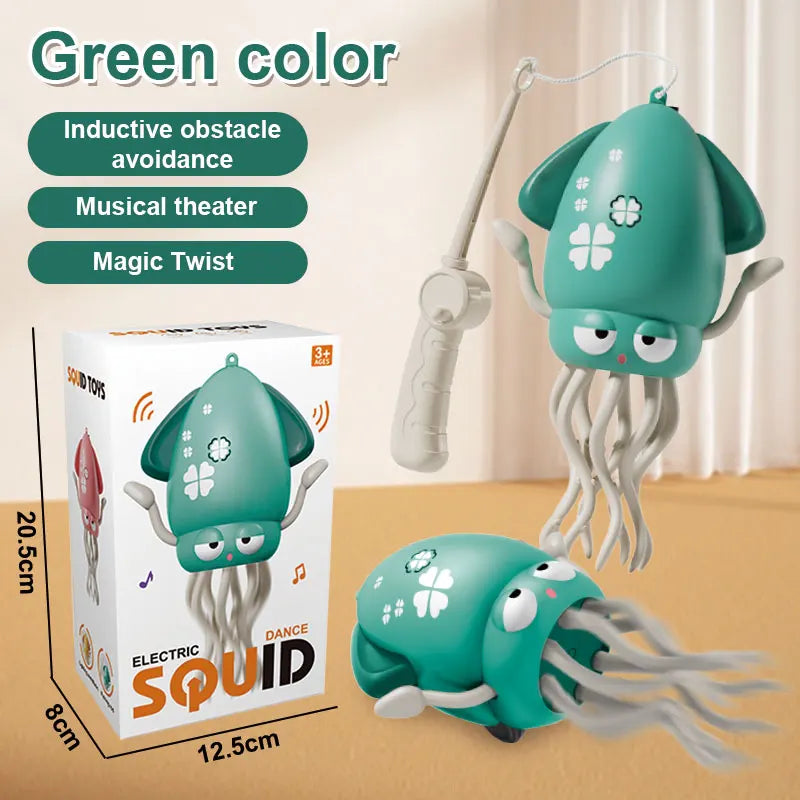
Play music toy design with movement and lights n sounds — 💡 See it in action
How it compares to other electronic learning toys
| Feature | Dancing Octopus Toy | Typical Light & Music Toy |
|---|---|---|
| Sound control | Adjustable, parent-friendly | Often fixed volume |
| Movement | Encourages active play | Mostly stationary |
| Sensory balance | Soft lights n sounds | Can feel overstimulating |
Parents focused on safety and calm play often browse Health & Safety resources alongside toy choices.
What real parents are saying
Across reviews, parents highlight calmer playtime and longer engagement. One parent shared that their toddler follows the toy across the room, giggling and clapping, while another noted improved independent play during busy mornings.
- “Finally a play music toy that doesn’t feel too loud.”
- “The lights n sounds keep my child focused without meltdowns.”
- “It’s become part of our daily play routine.”
Many families pair interactive toys with Sleep & Comfort products to support calmer evenings.
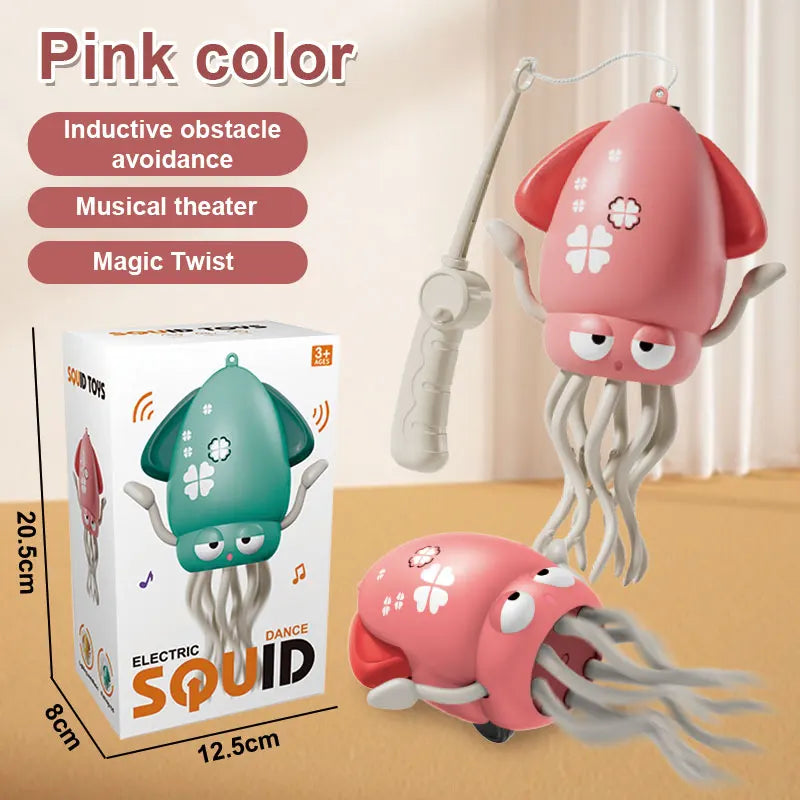
Electronic learning toy moments parents love — 💡 See it in action
How to choose the right light & music toy
When choosing a light & music toy, focus on balance. The goal is engagement, not overload.
- Look for adjustable sound settings
- Choose soft, non-flashing lights
- Prioritize durable, child-safe materials
- Match features to your child’s age
Exploring Baby Care Essentials alongside toys can help create a complete, stress-free setup.
Quick parent FAQs
Are light & music toys safe for toddlers?
Yes, when designed with volume control, soft lighting, and child-safe materials, light & music toys are suitable for supervised toddler play.
Do lights n sounds overstimulate children?
Balanced lights n sounds with predictable patterns tend to calm rather than overwhelm, especially compared to fast-flashing or loud toys.
What age benefits most from a play music toy?
Most children between 6 months and 3 years enjoy the sensory and motor benefits, with features adapting as skills grow.





