

Limited Creativity Kids Toys That Need an Upgrade
Limited Creativity Kids Toys That Need an Upgrade
⏱ 7 min read
Do limited creativity kids toys really help children learn?
Limited creativity kids toys may entertain briefly, but they rarely support imagination, problem-solving, or long-term learning. Most rely on fixed outcomes instead of open-ended play. Smarter learning engagement tools—like interactive drawing ideas or a glowing drawing board—adapt daily, encouraging kids to explore, experiment, and express themselves creatively.
Limited creativity kids toys often promise learning but deliver boredom after a few uses. Many parents notice the same pattern: excitement on day one, disinterest by week two. If you’ve ever wondered why your child loses focus so fast—or why playtime feels repetitive—you’re not alone. What if play could evolve with your child instead of limiting them?
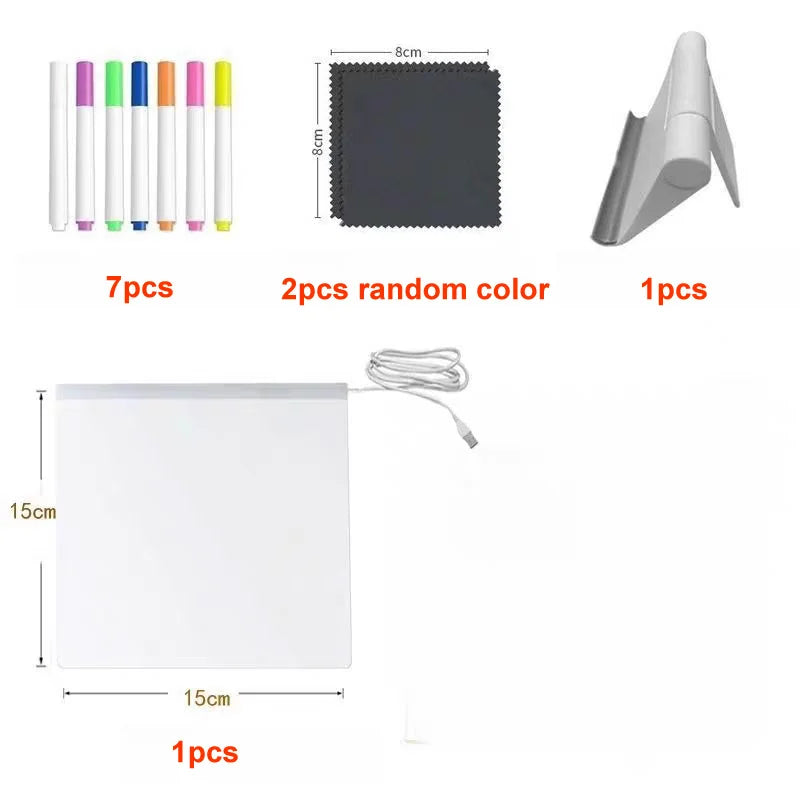
Limited creativity kids toys vs evolving interactive drawing ideas 💡 See it in action
Why Limited Creativity Kids Toys Fall Short
Limited creativity kids toys are usually built around one outcome: press a button, hear a sound, complete a preset task. While this feels educational, it restricts imagination. Children thrive when play is flexible, not scripted.
- Only one “right” way to play
- No room for imagination or storytelling
- Quick boredom once the toy is mastered
- Minimal skill progression over time
Experts in early childhood development often recommend open-ended play because it supports cognitive growth, emotional expression, and confidence. This is why many parents browsing Baby Growth & Learning collections are now prioritizing adaptable toys.
Signs a Toy Needs an Upgrade
If you’re unsure whether your child’s toys are holding them back, look for these common signs:
- Your child stops using the toy after a short period
- Playtime feels repetitive or passive
- The toy entertains but doesn’t challenge
- Your child prefers household objects over the toy
When kids turn a spoon into a microphone or a box into a spaceship, it’s a clear signal they’re craving creativity—not instructions.
What Actually Boosts Creativity in Kids?
Learning engagement tools work best when they invite children to participate actively. Instead of telling kids what to do, they ask, “What do you want to create today?”
Key features of high-impact creative toys
- Open-ended design with unlimited outcomes
- Multi-sensory elements like light or texture
- Room for storytelling, drawing, and role-play
- Adaptability for different ages and skill levels
Many parents combine creative toys with items from Sensory Toys to support focus, calmness, and imaginative play without screens.
How a Glowing Drawing Board Transforms Creative Play
Limited creativity kids toys fade fast because they don’t change. A glowing drawing board does the opposite—every drawing becomes a new experience.
Direct answer: Limited creativity kids toys restrict imagination by offering fixed outcomes, while a glowing drawing board encourages endless expression through light-based drawing, freehand creativity, and evolving play patterns that adapt as children grow.
A glowing drawing board combines visual stimulation with free drawing, writing, and storytelling. Kids can practice letters one day, draw characters the next, or invent games entirely on their own.
- Reusable surface encourages daily creativity
- Light effects boost curiosity and focus
- No screens, apps, or noise overload
- Works for solo or parent-child play
One popular option parents explore is the glowing drawing board, often paired with other items from Baby Growth & Learning to create a balanced play environment.
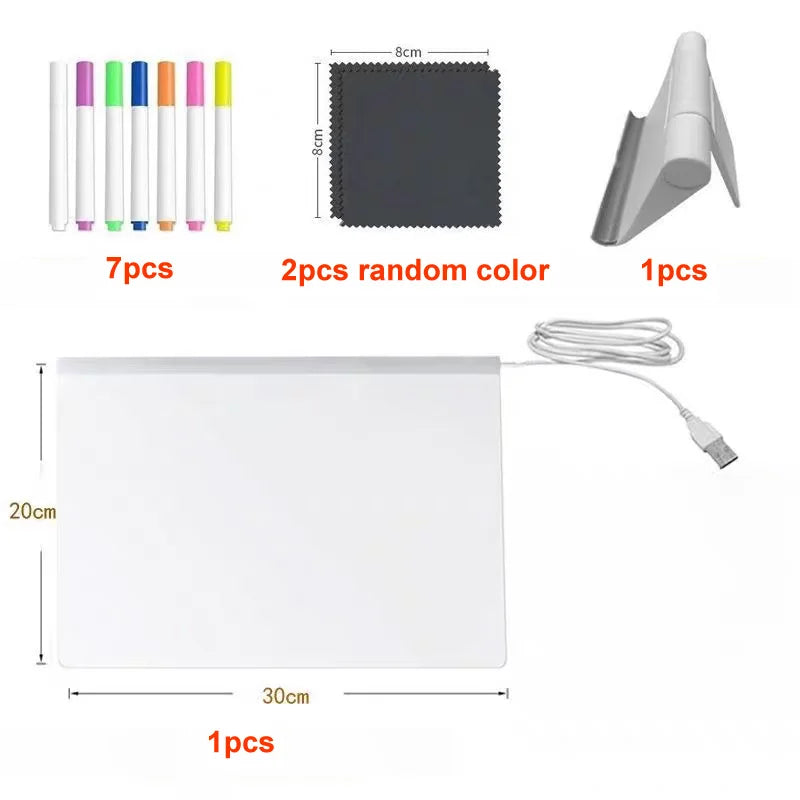
Interactive drawing ideas that evolve every day 💡 See it in action
Limited Creativity Kids Toys vs Modern Learning Engagement Tools
| Feature | Traditional Toys | Learning Engagement Tools |
|---|---|---|
| Play Outcome | Fixed | Open-ended |
| Longevity | Short-term interest | Grows with the child |
| Creativity | Minimal | High |
| Screen-Free | Sometimes | Yes |
This difference explains why many parents are upgrading play spaces with thoughtful tools rather than more toys.
Real Parent Experiences
“We noticed our daughter stopped using most toys after a week,” shares Emily, mom of a 5-year-old. “The glowing board is different—she uses it every night to draw stories before bed.”
Another parent mentioned improved focus during quiet time when pairing creative tools with calming items from Sleep & Comfort.
These stories highlight a simple truth: kids don’t need more toys—they need better ones.
How to Choose Toys That Inspire Imagination
- Look for open-ended play with no single outcome
- Choose tools that adapt to different ages
- Prioritize screen-free, hands-on interaction
- Think about daily use, not just first impressions
Combining creative tools with supportive environments—like safe spaces from Health & Safety—helps children feel confident exploring freely.
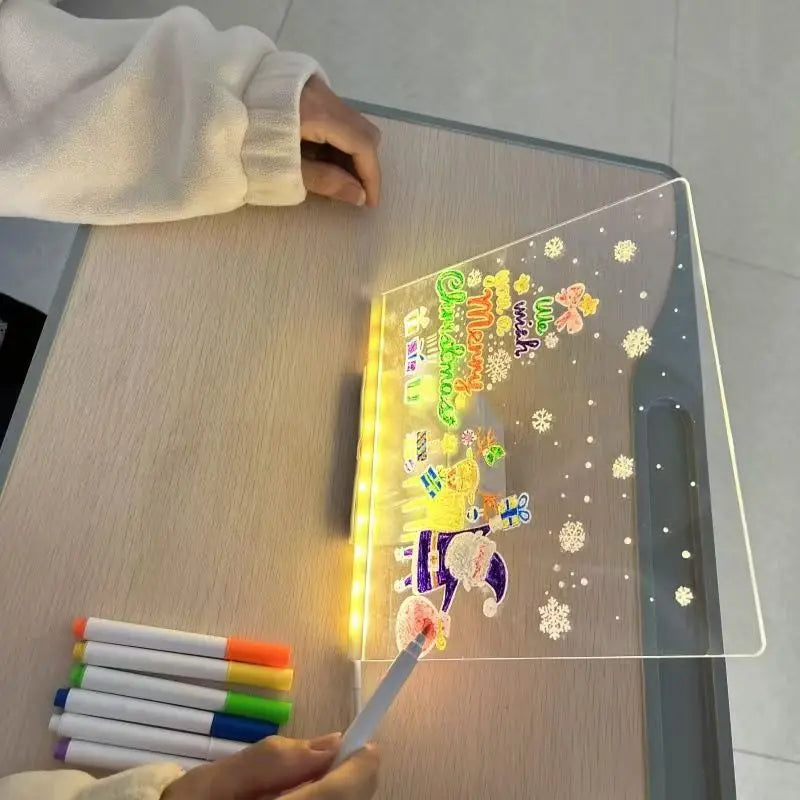
A glowing drawing board that grows with your child 💡 See it in action
Frequently Asked Questions
Why do limited creativity kids toys lose appeal so fast?
Because they rely on repetition and fixed outcomes. Once a child masters the function, there’s nothing new to explore.
Are interactive drawing ideas suitable for different ages?
Yes. Drawing-based tools scale naturally—from simple doodles for toddlers to storytelling and learning activities for older kids.
Is a glowing drawing board better than traditional art supplies?
It complements them. The light element adds excitement while remaining reusable, mess-free, and engaging for daily play.
Related Guide: Creative Kids Learning Toys for Different Learning Styles





