

Low Focus Educational Activities That Help Kids Stay Engaged
What are low focus educational activities?
Low focus educational activities are simple, flexible learning experiences designed to work with short attention spans. Using low focus educational activities like movement, hands on learning for preschoolers, and hands on learning math, children absorb skills naturally without long instructions, pressure, or forced sitting, making learning feel easier and more enjoyable.
Low Focus Educational Activities That Help Kids Stay Engaged
⏱ 7 min read
Low focus educational activities don’t have to mean distracted kids or wasted time. With the right hands on learning for kindergarten, hands on learning for preschoolers, and playful hands on learning math ideas, children can stay engaged in ways that feel natural, calm, and surprisingly effective. What if learning didn’t require constant reminders to “pay attention”?
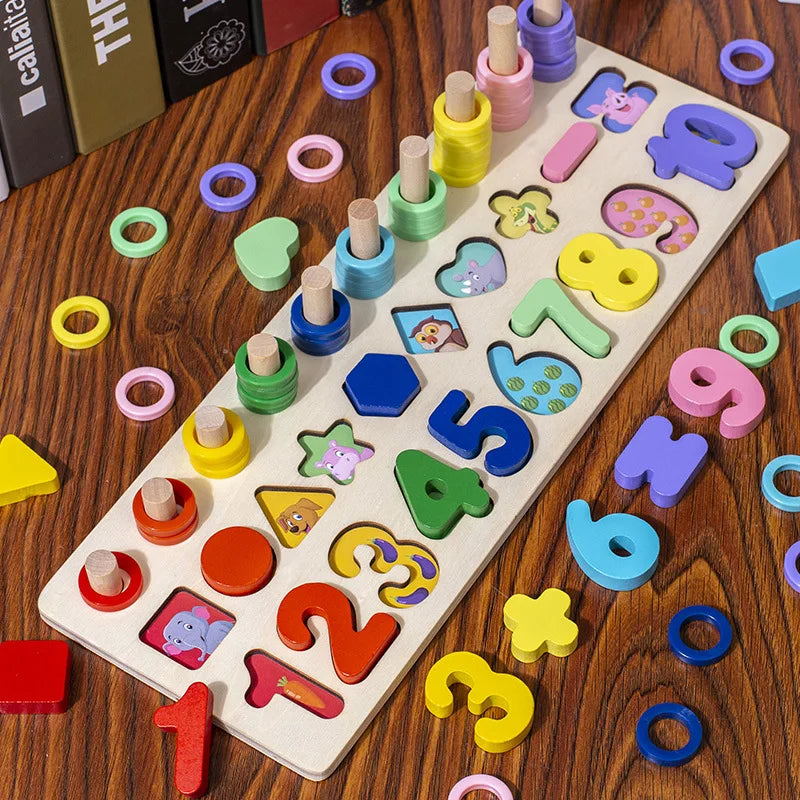
Low focus educational activities with hands on learning for preschoolers 💡 See it in action
Why Focus Is Hard for Young Kids (And That’s Normal)
Many parents worry when their child can’t sit still, drifts away mid-task, or loses interest quickly. In reality, young brains are still developing the ability to focus. Expecting long attention spans often creates frustration for both kids and adults.
Low focus educational activities respect how children naturally learn—through movement, touch, repetition, and curiosity. Instead of fighting short attention spans, these activities work with them.
What Makes Low Focus Educational Activities Actually Work?
Low focus educational activities succeed because they remove pressure. Children aren’t asked to concentrate for long stretches or follow complex instructions. Instead, learning happens in small moments that add up over time.
- Clear, simple goals
- Hands on interaction instead of passive listening
- Freedom to move, pause, and return
- Visual and tactile feedback
Hands On Learning Math Without Worksheets
Hands on learning math allows children to understand numbers by touching, moving, and experimenting. This approach works especially well for kids who struggle with sitting still or feel overwhelmed by paper-based tasks.
How hands on math builds real understanding
Instead of memorizing numbers, kids physically see quantity, balance, and patterns. Counting becomes something they do, not something they’re told.
- Sorting objects by size or number
- Stacking and grouping to show addition
- Removing pieces to explore subtraction
- Free play that naturally introduces problem-solving
Many families pair hands on learning math tools with quiet play spaces from Baby Growth & Learning, creating a calm environment where kids can focus without pressure.
One parent shared that switching from worksheets to a Montessori wooden math toy reduced daily homework battles. Their child began counting voluntarily during play, without reminders.
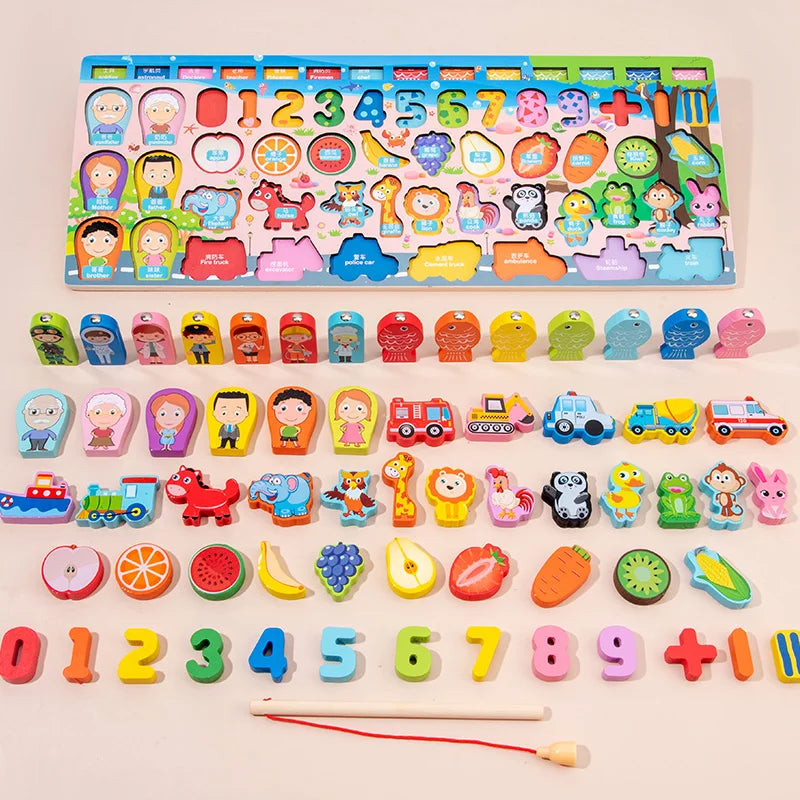
Hands on learning math for low focus educational activities 💡 See it in action
Hands On Learning for Preschoolers Through Play
Hands on learning for preschoolers works best when learning feels like play. At this stage, children learn through sensory exploration, repetition, and imagination—not long explanations.
Why play-based learning keeps preschoolers engaged
Preschoolers naturally shift attention often. Low focus educational activities let them explore freely while still building important skills like coordination, early math concepts, and language.
- Building fine motor skills through stacking and sorting
- Encouraging creativity with open-ended materials
- Supporting emotional regulation through calm play
- Reducing frustration by allowing self-paced learning
Adding sensory-rich options from Sensory Toys can further support children who seek movement or tactile input while learning.
Hands On Learning for Kindergarten That Feels Fun
Hands on learning for kindergarten bridges the gap between free play and structured learning. Kids begin understanding rules and routines, but still need flexibility.
What kindergarteners gain from low focus activities
Instead of forcing longer focus, these activities gently extend attention through interest. Children stay engaged because they feel successful.
- Improved confidence with early academics
- Better problem-solving through trial and error
- Stronger independence during learning time
- Less resistance to new challenges
Parents often create learning corners using resources from Baby Care Essentials and Sleep & Comfort to keep kids relaxed and receptive.
Using Low Focus Learning in Daily Routines
Low focus educational activities don’t need special schedules. They fit naturally into everyday moments.
- Counting snacks during meals
- Sorting laundry by color or size
- Building while waiting for dinner
- Quiet hands on learning math before bedtime
Short, repeated interactions often work better than long lessons. Over time, these moments build strong foundations without stress.
What Parents Are Noticing Over Time
Parents consistently report fewer learning battles and more self-initiated play when using low focus educational activities. Children return to activities on their own, sometimes repeating them daily.
One family noticed their child began explaining number concepts out loud while playing—proof that understanding was forming naturally, without pressure or reminders.
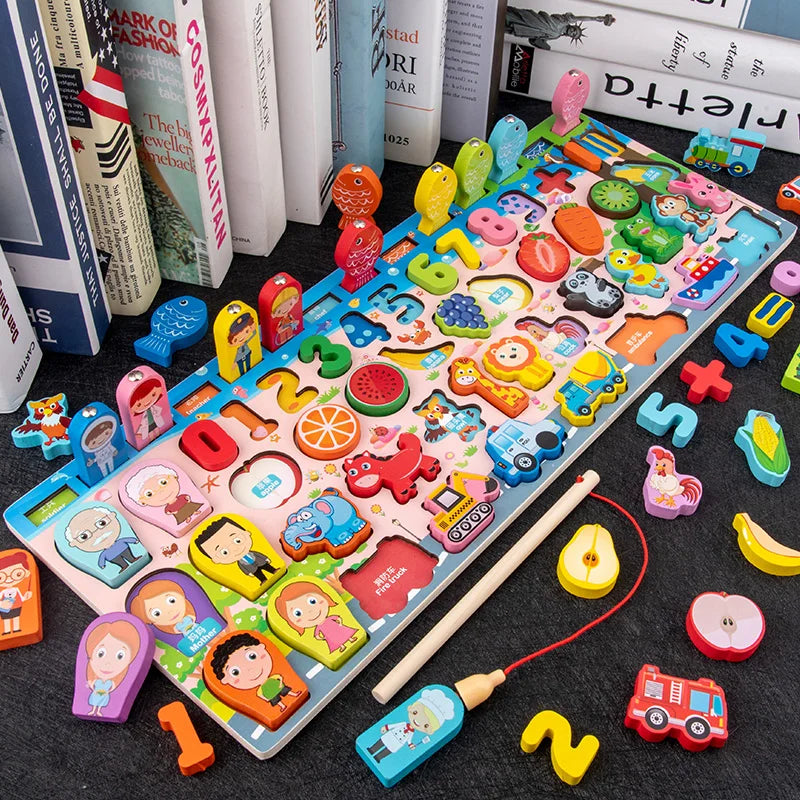
Hands on learning for kindergarten using low focus educational activities 💡 See it in action
Quick Questions Parents Ask
Do low focus educational activities really help kids learn?
Yes. Low focus educational activities support learning by matching how young children naturally engage. Short, hands on interactions improve understanding, reduce frustration, and encourage curiosity, especially when combined with hands on learning for preschoolers and kindergarten.
How long should these activities last?
Most work best in 5–15 minute sessions. Children often return on their own, turning short moments into meaningful learning over time.
Are hands on learning math tools better than worksheets?
For many kids, yes. Hands on learning math helps children see and feel numbers, making abstract ideas easier to understand and remember.
When learning feels calm, flexible, and supportive, focus often follows naturally. Low focus educational activities offer a gentler path—one that respects how kids grow, explore, and learn best.
Related Guide: Child Safe Wooden Toys for Different Preschool Learning Needs





