

Math Hands On Activities for Preschoolers: Step by Step Play
What are math hands on activities for preschoolers?
Math hands on activities for preschoolers are playful, step-by-step learning experiences that use real objects, movement, and exploration to teach numbers, shapes, and patterns. Instead of worksheets, children build early math skills for preschoolers through touch, play, and curiosity, making learning feel natural, fun, and stress-free.
Math Hands On Activities for Preschoolers: Step by Step Play
⏱ 8 min read
Math hands on activities for preschoolers turn everyday play into powerful learning moments that actually stick. If you’ve ever worried that numbers feel “too hard” or that your child loses interest quickly, you’re not alone. The good news? With hands on learning math, children grasp concepts faster, feel proud of themselves, and enjoy learning through play instead of pressure.
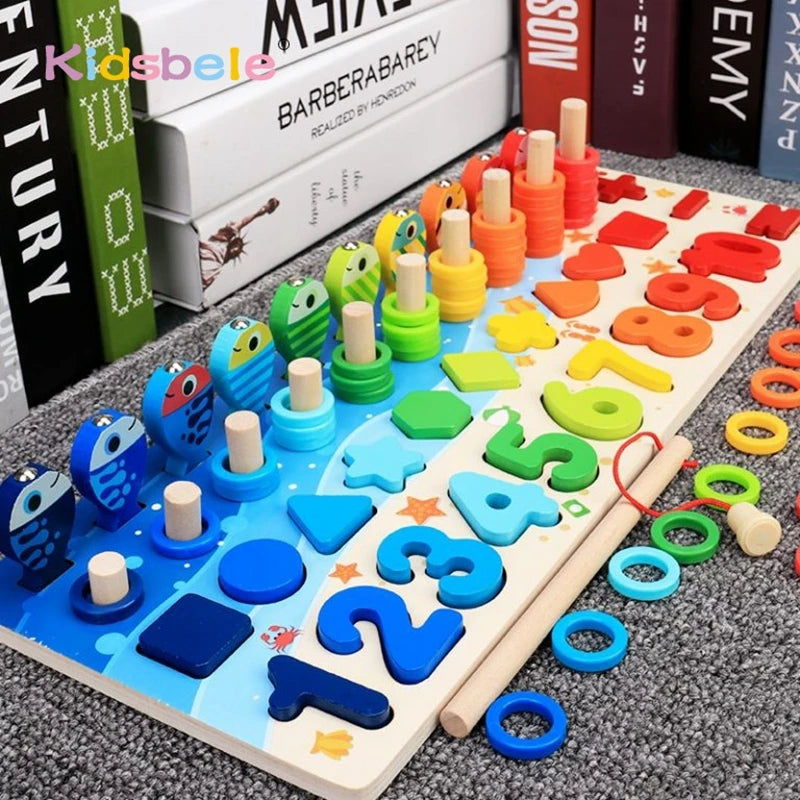
Hands on learning math at home builds early math skills for preschoolers 💡 See it in action
Which math activities actually keep preschoolers engaged? That’s the question most parents and teachers ask. Let’s walk through the why, the how, and the exact steps you can use today.
Why Hands On Math Works So Well
Math hands on activities for preschoolers work because young children learn best by doing. When kids touch, move, and explore objects, their brains connect abstract ideas to real experiences.
- Builds confidence through small wins
- Encourages curiosity instead of memorization
- Supports different learning styles
- Reduces frustration and overwhelm
Many families combine math play with other learning tools from Baby Growth & Learning to create a well-rounded routine that feels fun instead of forced.
What Early Math Skills Do Preschoolers Learn Through Play?
Math hands on activities for preschoolers help children develop number sense, problem-solving, and logical thinking by interacting with real objects. Through hands on learning math, kids practice counting, sorting, comparing, and pattern recognition in ways that feel like games, not lessons.
Core Skills Developed
- Counting and number recognition
- Sorting by size, color, or shape
- Understanding more vs. less
- Recognizing simple patterns
- Building spatial awareness
Step by Step Math Hands On Activities for Preschoolers
Math hands on activities for preschoolers become most effective when broken into simple, repeatable steps. These activities use everyday items and preschool manipulatives toys to build skills naturally.
1. Counting With Objects
- Gather small items like blocks or buttons.
- Ask your child to count each item aloud.
- Move items into groups of 5 or 10.
- Celebrate accuracy, not speed.
2. Sorting and Matching Games
- Choose objects of different colors or shapes.
- Invite your child to sort them.
- Talk about why items belong together.
- Change the sorting rule to keep it fresh.
3. Pattern Play
- Create a simple pattern using toys.
- Ask your child to continue it.
- Increase difficulty slowly.
- Let them invent their own patterns.
Many parents find that combining these games with tactile toys from Sensory Toys makes learning even more engaging.
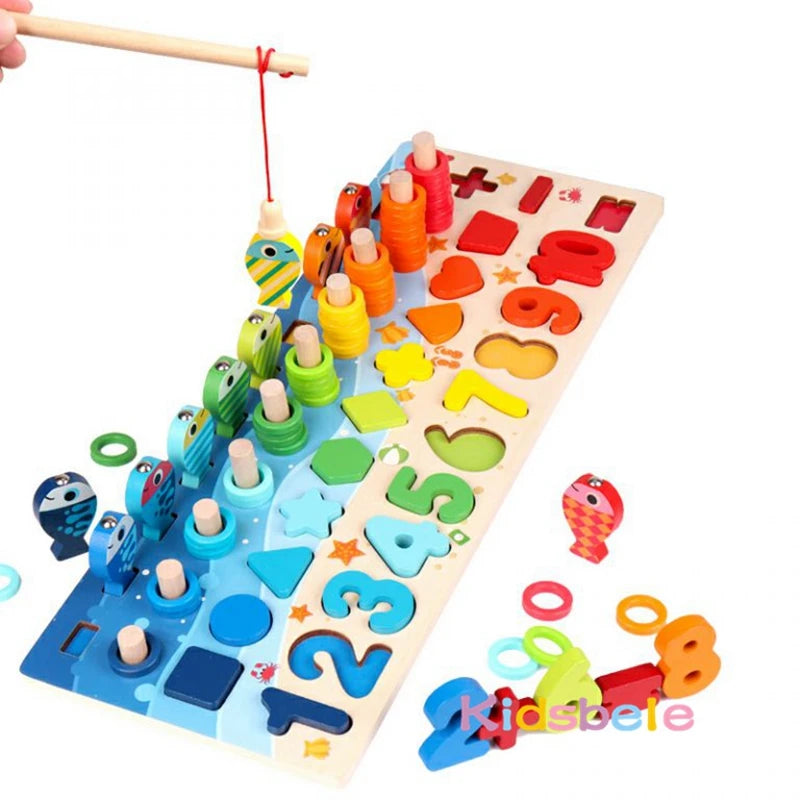
Preschool manipulatives toys support hands on learning math 💡 See it in action
Choosing the Right Preschool Manipulatives Toys
Math hands on activities for preschoolers are easier and more effective with the right tools. Preschool manipulatives toys give children something concrete to explore, helping ideas make sense.
| Type | Best For | Skill Focus |
|---|---|---|
| Wooden puzzles | Independent play | Counting, shapes |
| Stacking blocks | Group activities | Patterns, balance |
| Sorting sets | Guided learning | Classification |
For families looking to simplify learning time, pairing math tools with products from Baby Growth & Learning Tips can reduce overwhelm and create consistency.
Using Math Play in Daily Routines
Hands on learning math doesn’t need extra time blocks. Everyday routines are full of opportunities.
- Count steps while walking
- Sort laundry by color or size
- Measure ingredients while cooking
- Compare toy sizes during cleanup
Short, playful moments add up fast and help children see math as part of real life.
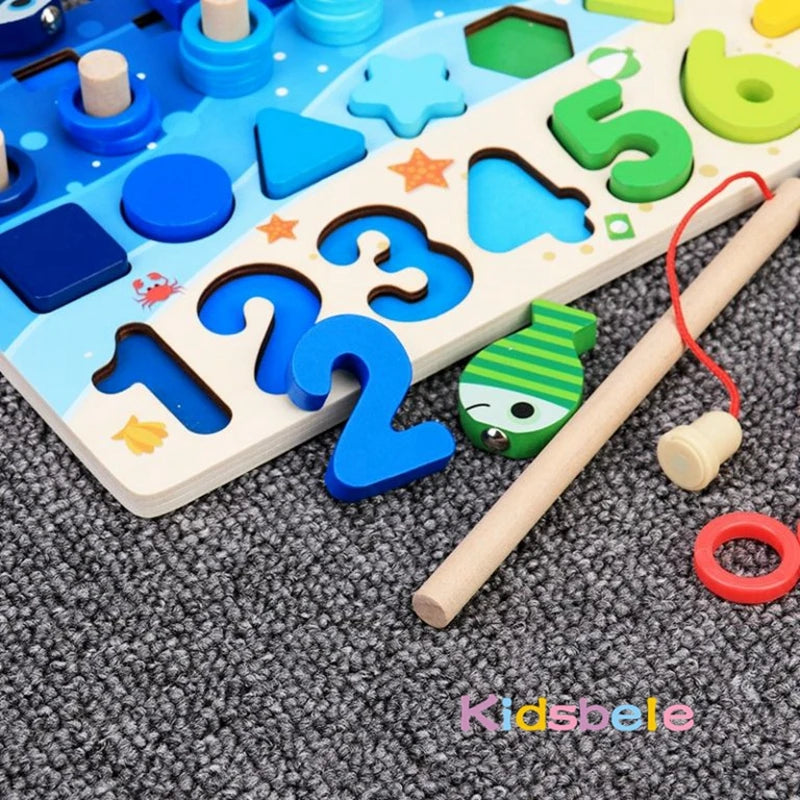
Everyday routines become math hands on activities for preschoolers 💡 See it in action
Common Mistakes to Avoid
- Rushing through activities
- Correcting too often
- Comparing children’s progress
- Turning play into pressure
Keeping math playful builds trust and motivation.
What Parents and Teachers Are Saying
“My child started counting confidently within weeks.”
“Hands on learning math completely changed our classroom energy.”
“The manipulatives made abstract ideas click instantly.”
Mini FAQ
How often should preschoolers do math activities?
Short daily sessions of 5–10 minutes are ideal.
Do I need special toys?
No, but preschool manipulatives toys make learning easier.
When should I start?
As early as age two, using simple counting and sorting games.





