

Messy Arts and Crafts Setup That Stays Easy to Clean
What is the easiest way to manage messy arts and crafts at home?
Messy arts and crafts can stay fun and stress-free with a simple, well-planned setup that prioritizes washable surfaces, organized messy art supplies, and clear routines. By choosing engaging learning tools and sustainable art ideas, parents can encourage creativity while keeping cleanup fast, predictable, and easy.
Messy Arts and Crafts Setup That Stays Easy to Clean
⏱ 7 min read
Messy arts and crafts don’t have to take over your home or your patience. With a thoughtful setup, the same paints, glue, and textures that spark imagination can become calm, engaging learning tools instead of daily stress triggers. This guide shows how to build a creative space that welcomes mess while staying simple to clean, safe, and sustainable for everyday family life.
Messy arts and crafts with easy-clean surfaces and organized messy art supplies 💡 See it in action
Why Messy Arts and Crafts Matter for Learning
Messy arts and crafts are more than just fun. They support sensory exploration, problem-solving, and emotional expression. When children mix colors, feel textures, and experiment freely, they build confidence and fine motor control while learning cause and effect in a natural way.
- Encourages independent thinking and creativity
- Supports sensory and motor development
- Builds patience and focus through hands-on play
- Creates positive parent-child bonding moments
Many parents limit these activities because of cleanup fears, but with the right setup, the benefits far outweigh the mess.
Common Problems Parents Face With Messy Art Supplies
Parents often share the same frustrations when it comes to messy art supplies. Paint spills, stained tables, lost brushes, and overwhelming clutter can turn a fun idea into something you avoid altogether.
- Hard-to-clean surfaces and fabrics
- Supplies scattered across the house
- Kids losing interest due to setup hassle
- Worry about safety and waste
These challenges are real, but they are also very fixable with a few intentional choices.
How to Set Up Messy Arts and Crafts for Easy Cleanup
Messy arts and crafts stay manageable when the setup does most of the work for you. The goal is to contain the mess, not control the creativity.
- Choose one dedicated creative zone
- Use washable, wipeable base surfaces
- Limit supplies to what’s needed for the session
- Keep cleanup tools within arm’s reach
This approach reduces decision fatigue and keeps kids engaged longer because everything feels ready and welcoming.
Protecting Surfaces Without Limiting Creativity
Surface protection is the foundation of stress-free messy arts and crafts. Flexible mats, old shower curtains, or reusable table covers create a safe zone that’s easy to wipe down or toss in the wash.
Pairing this with simple visual boundaries helps children understand where messy play happens and where it doesn’t.
For families focused on growth and creativity, exploring tools from Baby Growth & Learning can support structured yet playful environments that encourage exploration without chaos.
Organizing Messy Art Supplies the Smart Way
Organization doesn’t mean hiding supplies away. It means making messy art supplies visible, reachable, and easy to reset.
- Clear bins labeled by activity type
- Open trays for daily-use items
- Separate wet and dry materials
- A small caddy for brushes and tools
When kids can see and choose their materials, they feel ownership and responsibility for cleanup.
Sustainable Art Ideas That Reduce Waste
Sustainable art ideas help families reduce waste while teaching children respect for materials. Reusing everyday items adds meaning and variety to creative play.
- Cardboard boxes for building and painting
- Paper scraps for collage projects
- Reusable silicone mats instead of disposable paper
- Washable paints and refillable containers
These choices lower costs, reduce clutter, and model mindful habits children carry forward.
Sustainable art ideas using everyday messy art supplies 💡 See it in action
Engaging Learning Tools That Keep Kids Focused
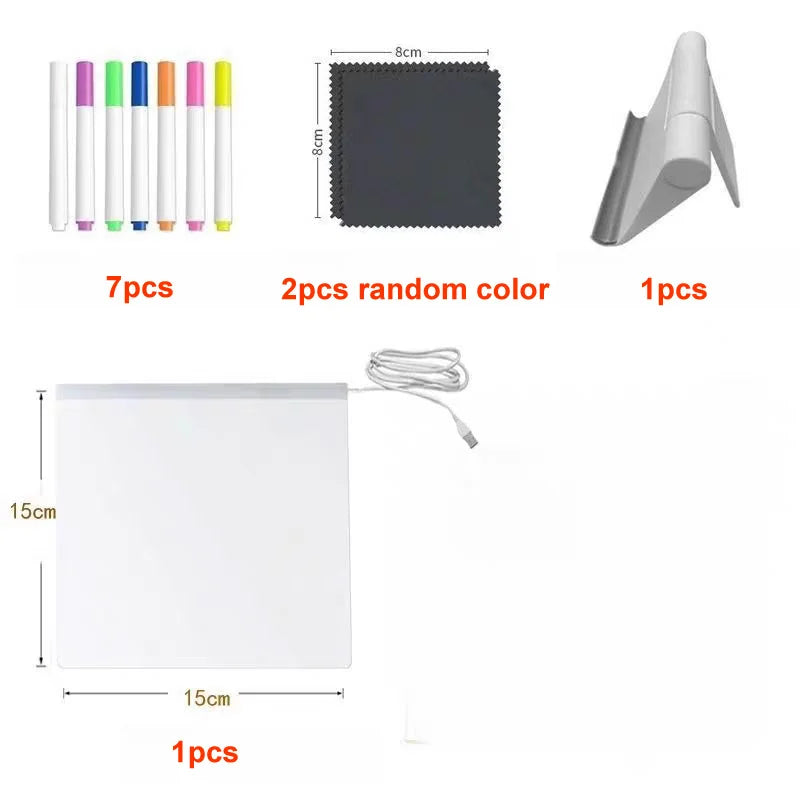
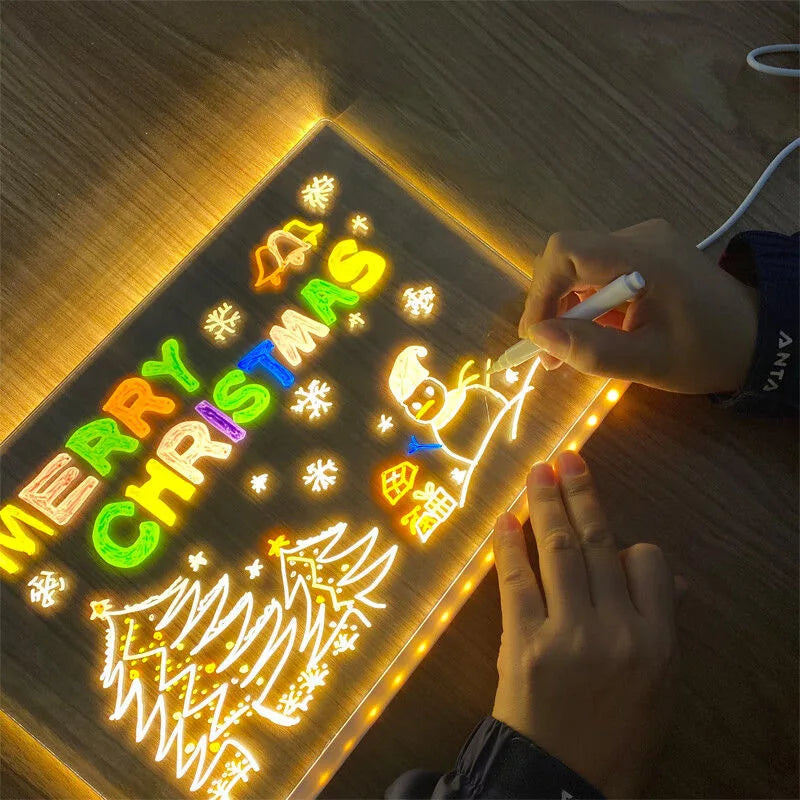
Engaging learning tools can quietly guide messy arts and crafts without interrupting creativity. Simple visual prompts, light-based drawing boards, or reusable message surfaces help kids plan before they dive in.
The LED Acrylic Message Board works especially well as a pre-drawing or idea-mapping tool. Kids can sketch ideas, trace shapes, or write their names before starting messy projects, reducing hesitation and frustration.
Families also find supportive options within Sensory Toys that encourage focus, calm, and hands-on learning during creative sessions.
A Real-Life Messy Art Routine That Works
A predictable routine turns messy arts and crafts into a welcomed part of the day instead of a disruption.
- Set up together and review the plan
- Create freely for a set time window
- Signal five-minute cleanup warning
- Clean together and reset the space
Parents report that this shared responsibility builds cooperation and reduces resistance over time.
Messy arts and crafts made calm with engaging learning tools 💡 See it in action
Quick Questions Parents Ask
Are messy arts and crafts safe for young children?
Yes, when using age-appropriate, non-toxic messy art supplies and supervising play. Choosing washable materials and setting clear boundaries keeps creativity safe and enjoyable.
How often should kids do messy art activities?
Many families find two to three sessions per week ideal. Regular exposure builds confidence and creativity without overwhelming cleanup routines.
What if my child loses interest quickly?
Shorter sessions, fewer supplies, and engaging learning tools like reusable drawing boards can help children stay focused and excited.
Related Guide: How to Encourage Kids Creativity With Simple Daily Activities





