

Micro Block Castle Building Tutorial: Step-by-Step Guide from Base Layout to Advanced Towers
Micro Block Castle Building Tutorial: Beginner to Advanced Step-by-Step Guide
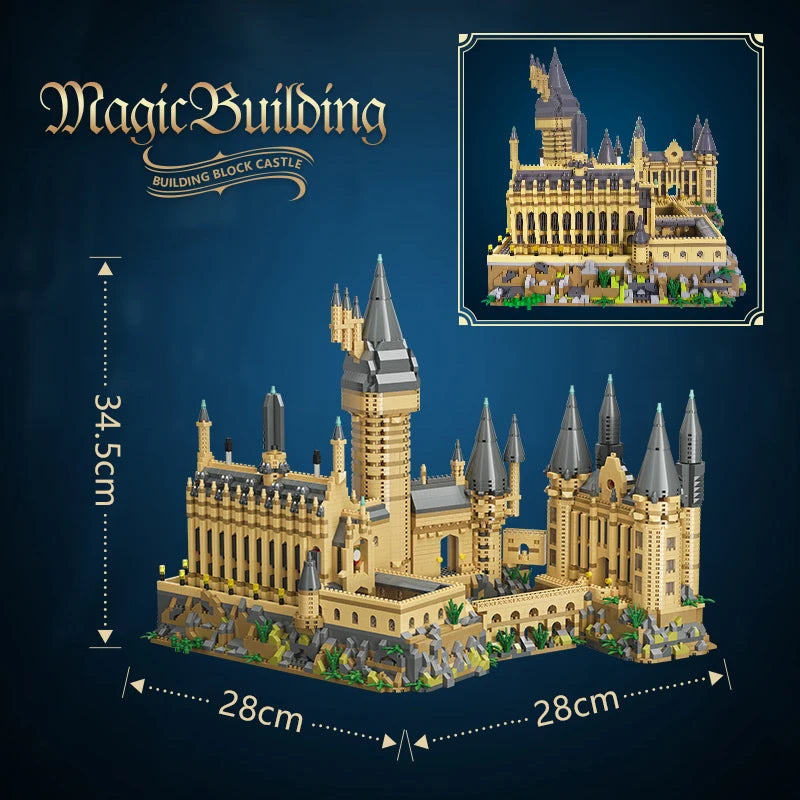
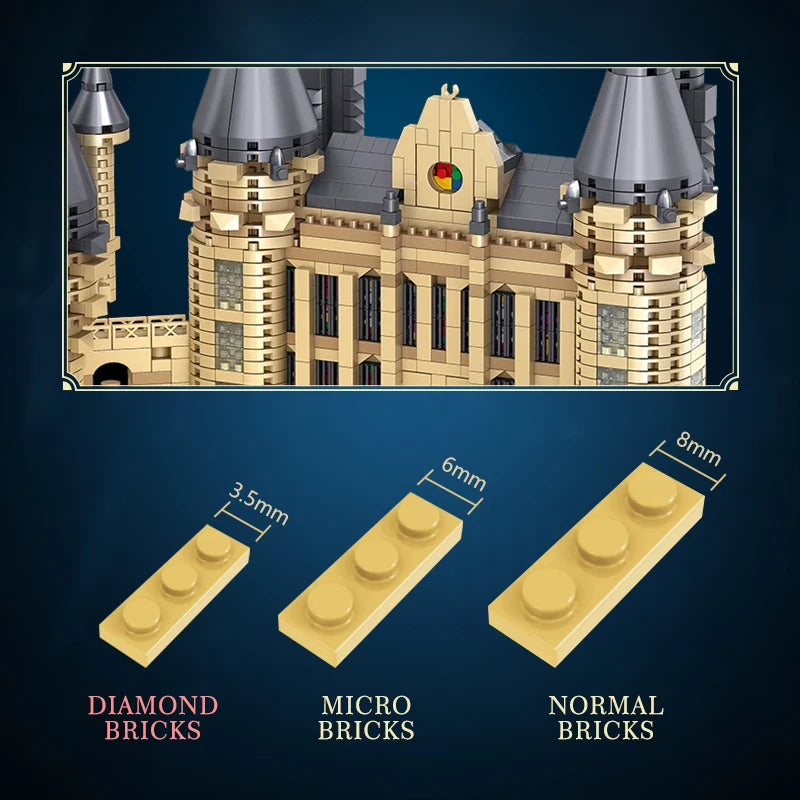
Building a miniature castle using micro building blocks is one of the most rewarding construction hobbies for detail-focused builders. Unlike traditional toy construction bricks, micro blocks are significantly smaller—often around 3.5mm—which allows builders to create intricate towers, battlements, and architectural details that resemble real medieval fortresses.
However, working with tiny blocks also requires careful planning, stable building techniques, and a clear blueprint layout. Without a structured approach, walls can collapse, towers may lean, and the base structure may become unstable.
This micro block castle building tutorial walks you through the entire process—from planning your base layout and constructing stable walls to building towers, gatehouses, and advanced castle features. Whether you’re new to micro building blocks or looking to improve your castle designs, these step-by-step techniques will help you create a durable and display-worthy miniature fortress.
What Are Micro Block Castle Builds?
Micro block castles are miniature architectural models built using extremely small interlocking bricks. Because each piece is smaller than standard construction blocks, builders can achieve highly detailed designs while keeping the model compact.
Why Micro Building Blocks Are Perfect for Detailed Castle Models
- High precision allows intricate architectural patterns
- Compact builds that fit easily on shelves or desks
- More realistic medieval details such as narrow towers and crenellations
- Challenging projects that reward patience and focus
Many hobbyists enjoy micro building blocks because they combine the creativity of model building with the engineering challenge of structural design.
Key Parts of a Micro Block Castle Structure
Most successful castle builds rely on several architectural elements:
- Castle wall fortifications – perimeter defense walls
- Castle tower structures – corner towers or central keeps
- Castle battlements – crenellated tops along walls
- Castle gatehouse – main entrance structure
- Inner courtyard – open area inside the fortress
Understanding these components makes the building process much easier when following a structured plan.
Tools and Materials You Need Before Starting
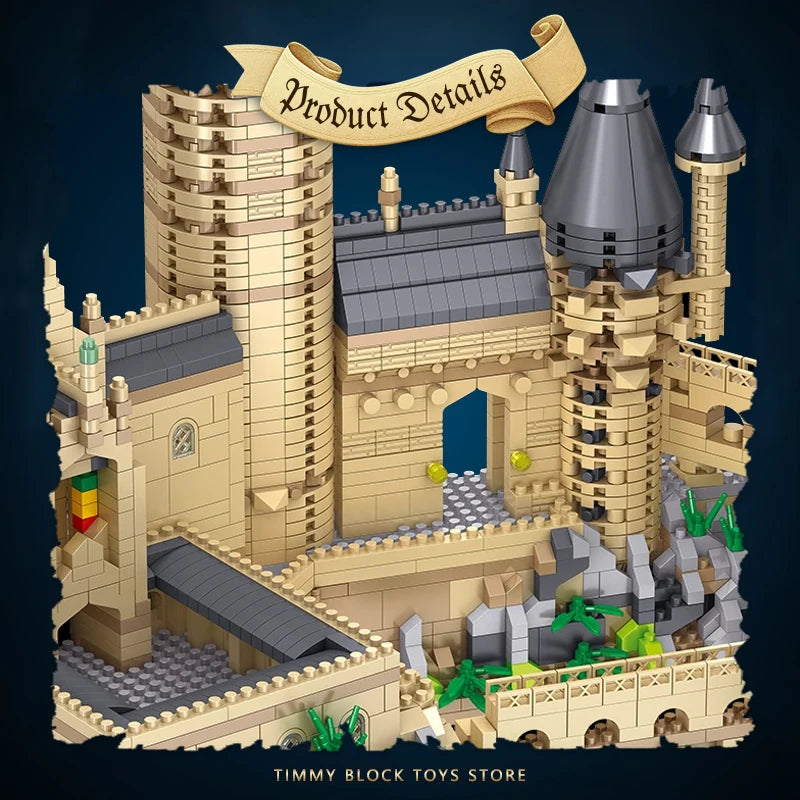
Before starting your build, gather a few essential tools and materials. Working with micro blocks requires better organization and lighting than larger construction sets.
Recommended Micro Block Pieces for Castle Building
- Standard micro bricks (1x1, 1x2, 1x3)
- Flat tiles for roof and flooring
- Corner blocks for tower edges
- Plate layers for base reinforcement
- Small slopes for decorative towers
Advanced builders often prefer larger piece-count sets because they allow greater architectural freedom. For example, the Harry Potter Mini Building Blocks – 6000+ Magic Set provides thousands of precision micro bricks designed for complex castle-style builds.
Large sets like this allow builders to experiment with towers, layered walls, and modular expansion designs without running out of parts.
Workspace Setup for Building Tiny Block Structures
A good workspace dramatically improves the building experience.
- Use sorting trays to organize pieces by size
- Work on a flat, stable building surface
- Use bright overhead lighting
- Consider a magnifying desk lamp for detail work
For additional hobby inspiration and creativity activities, many builders also explore educational toy ideas in the Sensory Toys collection or skill-building content in the Baby Growth & Learning Tips blog.
Step 1: Plan Your Castle Blueprint Layout
Before stacking a single brick, the most important step is planning the castle footprint.
Printable Base Grid for Micro Castle Layout
Use a simple grid to sketch your castle design. Each square can represent a fixed number of micro bricks.
- 20x20 grid: small display castle
- 30x30 grid: medium fortress
- 40x40 grid: advanced multi-tower castle
Mark the following areas on your grid:
- Corner towers
- Main wall perimeter
- Gatehouse entrance
- Interior courtyard
Choosing a Castle Shape: Square, Rectangular, or Fortress Style
Different shapes affect both appearance and stability.
| Castle Layout | Difficulty | Advantages |
| Square Castle | Beginner | Simple walls and evenly spaced towers |
| Rectangular Castle | Intermediate | Allows large courtyards and longer walls |
| Fortress Style | Advanced | Irregular shapes with multiple defensive towers |
Step 2: Build a Strong Base Platform
The base platform determines the stability of the entire model. Micro blocks are lightweight but extremely small, so weak foundations can cause alignment issues.
Layered Base Technique for Micro Blocks
Use a layered brick pattern similar to real masonry construction.
- Lay the first layer of flat plates across the entire base.
- Add a second layer perpendicular to the first.
- Use staggered brick patterns to lock pieces together.
- Reinforce corners where towers will sit.
How to Prevent Base Warping and Weak Foundations
- Avoid long single-layer sections
- Use interlocking brick patterns
- Check alignment every few layers
- Build outward from the center
Step 3: Build the Castle Wall Fortifications
Once the base platform is complete, begin constructing the perimeter walls.
Wall Thickness for Stable Micro Block Castles
Thin walls may collapse when tower structures are added.
- Minimum thickness: 2 micro bricks
- Recommended thickness: 3 bricks for larger builds
Thicker walls also create space for decorative battlements along the top.
Adding Castle Battlements to the Wall Top
Castle battlements are built using alternating block patterns:
- Place two bricks together
- Leave a one-brick gap
- Repeat across the wall
This creates the classic crenellated medieval fortress appearance.
Step 4: Construct the Castle Tower Structures
Towers are the most visually impressive parts of a castle model.
Corner Towers vs Central Towers
- Corner towers reinforce the outer walls
- Central towers act as the castle keep
Most beginner castles include four corner towers and one central tower.
Reinforcement Tricks for Tall Micro Towers
- Use cross-locking brick patterns every 3–4 layers
- Add internal support columns
- Avoid narrow one-brick pillars
These techniques prevent leaning towers as height increases.
Step 5: Build the Castle Gatehouse Entrance
The gatehouse serves as the main entrance to your castle.
Designing an Archway with Micro Blocks
Micro blocks make archways possible using gradual stepping patterns.
- Build two vertical columns
- Extend bricks inward one layer at a time
- Connect the top with a horizontal plate
Adding Decorative Gatehouse Towers
Small towers on each side of the entrance improve realism and symmetry.
- Use narrow cylindrical patterns
- Add miniature battlements
- Install small roof tiles
Advanced Features to Upgrade Your Micro Castle
Creating a Modular Building System for Expansion
Advanced builders often design modular sections so the castle can grow over time.
- Separate walls into removable sections
- Create interchangeable tower modules
- Design expandable courtyard sections
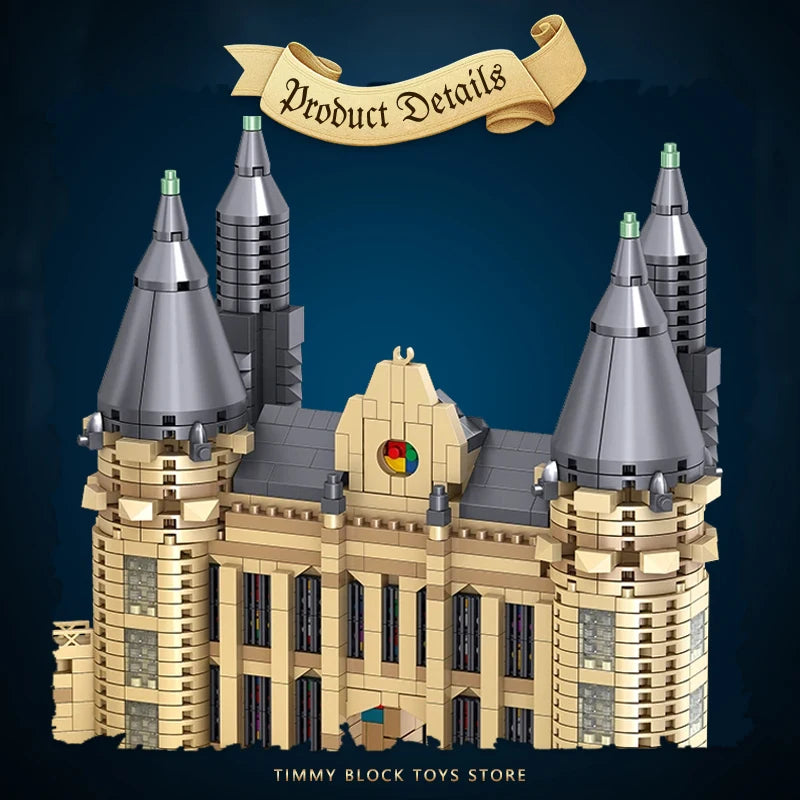
Large micro block sets with thousands of pieces—such as the 6000+ piece magic castle building set—are particularly useful for modular projects.
Adding Inner Courtyards and Towers
Interior spaces add depth to your castle model:
- Courtyard gardens
- Watchtowers
- Mini throne halls
Display Enhancements Using a Model Display Base
Elevating the model improves visual impact.
- Build terrain with raised base plates
- Add bridges or castle paths
- Install landscaping elements
For more ideas on creative toy projects and skill development, browse the Baby Growth & Learning collection or explore helpful guides in Health & Safety Tips.
Common Micro Block Castle Building Mistakes (And How to Fix Them)
Walls Collapsing During Tower Construction
This usually happens when towers are attached to thin walls.
Fix: Reinforce walls with an extra internal brick layer before adding towers.
Poor Base Alignment and Layout Errors
Misaligned base grids can cause uneven walls.
Fix: Always measure and align base plates before building upward.
Using the Wrong Block Patterns
Stacking bricks vertically without overlap weakens the structure.
Fix: Use staggered brick patterns to lock layers together.
Conclusion
Building a miniature fortress using micro building blocks becomes much easier when you follow a structured plan. By starting with a blueprint layout, reinforcing your base platform, and constructing stable walls and towers, you can create a detailed and durable castle model.
As your skills grow, consider expanding your castle with modular sections, interior courtyards, and decorative battlements. Larger micro block sets can open the door to ambitious architectural designs and highly detailed display pieces.
If you’re ready to take on a challenging build, advanced micro block castle sets—such as the intricate Harry Potter Mini Building Blocks Magic Castle—offer thousands of pieces for creating a truly impressive miniature fortress.
Pillar Article: Harry Potter Mini Brick Castle – Micro Build Review, Size, Difficulty & Piece Guide





