

Montessori Educational Wooden Toy Compared for Preschool Math
Does hands on learning for kids work better than screen toys?
Hands on learning for kids builds deeper understanding by letting children touch, move, and experiment instead of passively watching screens. Research and real parent experiences show that educational toys without screens improve focus, problem-solving, and creativity while reducing screen time learning concerns kids face during early development.
Hands On Learning for Kids vs Screen Toys: Which Works Better
Hands on learning for kids has become a key topic for parents wondering whether traditional play or screen-based toys truly support long-term development. With so many digital options available, families are asking a simple question: do children learn more by doing, or by watching? This guide compares hands-on play with screen toys to help you choose confidently.
⏱ 6 min read
Many parents notice their child zoning out after long screen sessions or struggling to stay focused on simple tasks. Others see joy and confidence when kids build, sort, and explore with their hands. So which approach really supports growth, curiosity, and independence?
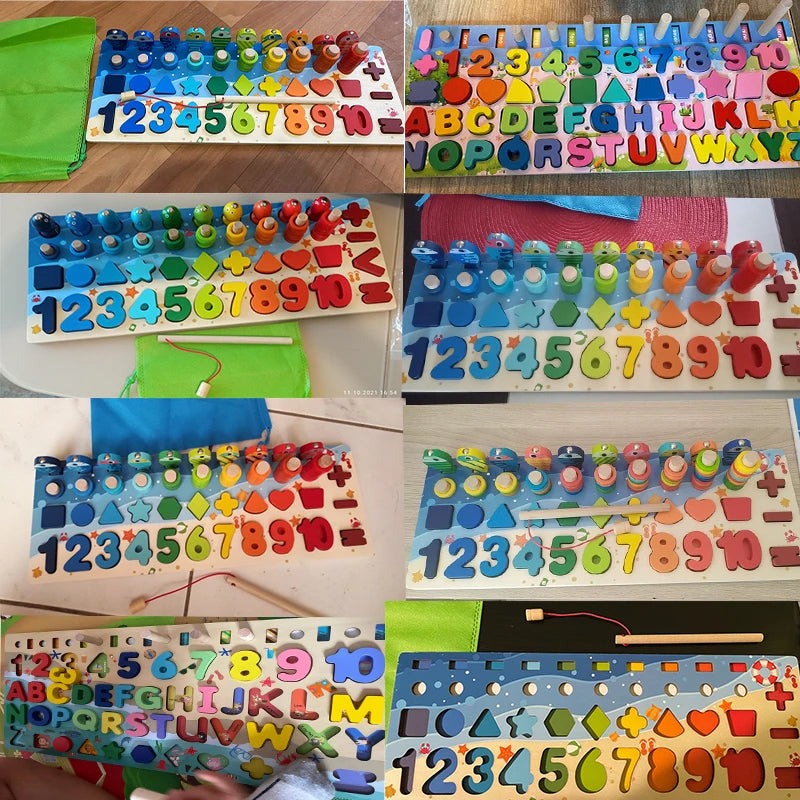
Hands on learning for kids using educational toys without screens helps children stay engaged 💡 See it in action
What Is Hands On Learning for Kids?
Hands on learning for kids means learning through direct interaction. Children touch, build, sort, count, and experiment using real objects instead of watching instructions on a screen.
This approach supports learning through play, allowing kids to make mistakes, try again, and discover solutions on their own. It is especially effective in early childhood, when the brain develops rapidly through sensory experiences.
- Encourages active thinking instead of passive watching
- Builds fine motor skills and coordination
- Supports emotional confidence through independent problem-solving
- Fits naturally into daily routines and free play
Parents exploring options in Baby Growth & Learning often look for toys that invite exploration rather than instruction.
How Screen Toys Teach Children
Screen-based toys and apps often promise fast learning through videos, sounds, and interactive prompts. They can introduce letters, numbers, and songs quickly, which may feel effective at first.
However, many parents report growing screen time learning concerns kids experience, such as short attention spans or frustration when screens are removed.
- Learning is often guided and limited to preset responses
- Less opportunity for open-ended creativity
- Can reduce physical movement and sensory input
- May lead to overstimulation with long-term use
Hands On Learning vs Screen Toys: Side-by-Side Comparison
| Aspect | Hands On Learning | Screen Toys |
|---|---|---|
| Engagement | Active participation and exploration | Mostly passive interaction |
| Skill Development | Motor, cognitive, and social skills | Mainly visual and auditory skills |
| Attention Span | Builds longer focus over time | Often short bursts of attention |
| Creativity | Open-ended play encourages imagination | Limited by programmed outcomes |
Why Hands On Learning Supports Stronger Development
Hands on learning for kids supports whole-child development by engaging the body and mind together. Children learn not just what the answer is, but how to find it.
Studies and parent observations consistently show better retention and understanding when kids manipulate objects themselves rather than tapping screens.
- Improves memory by linking movement to thinking
- Encourages patience and persistence
- Reduces dependency on constant stimulation
- Supports calm, focused playtime
Collections like Sensory Toys and Mobility & Training reflect how physical interaction supports early learning.
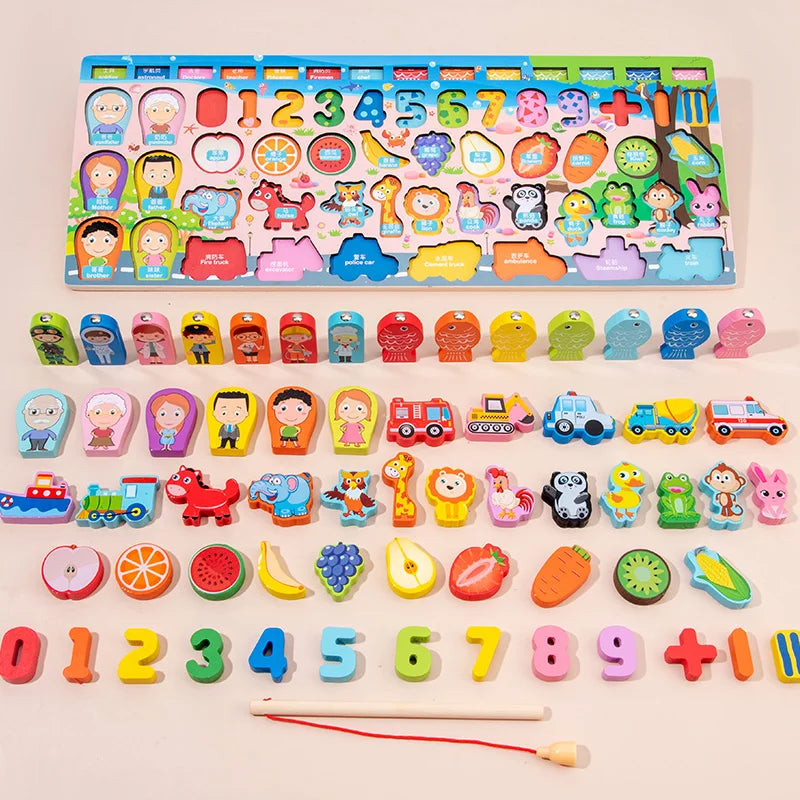
Educational toys without screens support focus and creativity 💡 See it in action
Hands On Learning Activities for Kindergarten
Hands on learning activities for kindergarten help bridge play and structured learning. At this stage, children benefit most from counting, sorting, building, and matching activities.
- Counting objects instead of tapping numbers
- Sorting shapes or colors by hand
- Building simple structures to learn balance
- Problem-solving with real materials
Parents often pair these activities with tools found in Baby Growth & Learning to create screen-free learning spaces at home.
How to Choose the Right Learning Toys for Your Child
Choosing between hands-on and screen toys does not have to feel overwhelming. Focus on how your child learns best and what supports calm, meaningful play.
- Look for toys that encourage multiple ways to play
- Choose materials that feel safe and durable
- Favor open-ended learning over fixed outcomes
- Consider how easily the toy fits daily routines
Many families exploring Health & Safety and Sleep & Comfort notice that reduced screen time also improves rest and mood.
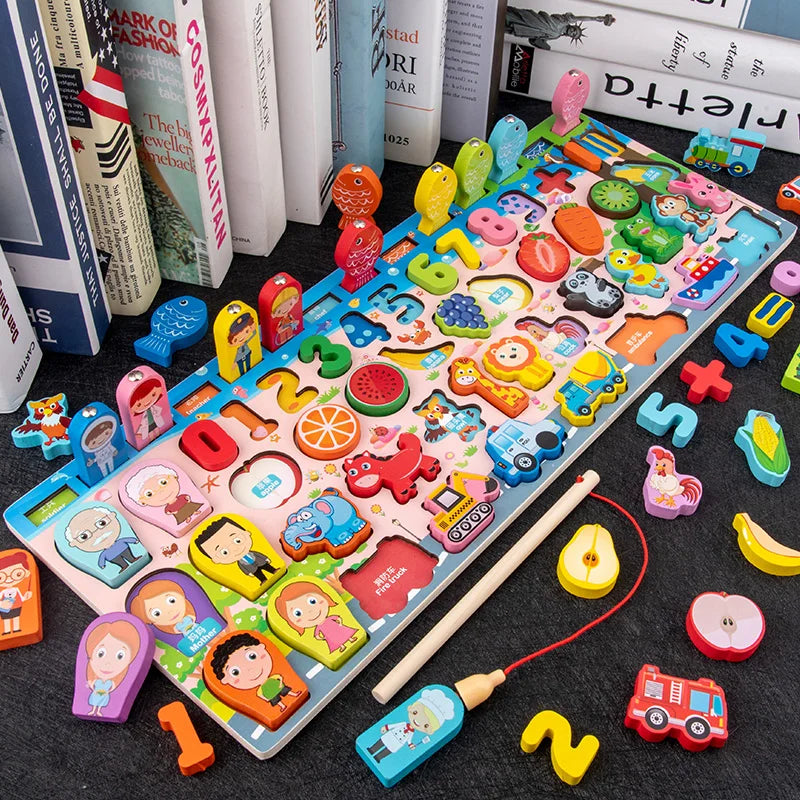
Hands on learning activities for kindergarten build confidence 💡 See it in action
Quick Parent FAQs
Are screen toys bad for kids?
Screen toys are not always harmful, but overuse can limit physical movement and creative thinking. Balancing them with hands on learning for kids helps support healthier development.
What age benefits most from hands-on learning?
Hands-on learning is especially valuable from toddler years through kindergarten, when children learn best through touch, movement, and real-world problem-solving.
Can hands-on toys replace educational apps?
For many families, educational toys without screens provide deeper engagement and longer-lasting learning than apps, especially for early childhood skills.





