

Motor Skills Activities: Key Features That Boost Growth
Do motor skills activities really help children grow?
Motor skills activities strengthen brain-body connections by training balance, coordination, and muscle control through structured movement. When children use a hand eye coordination toy, practice coordination improvement exercises, or play outdoor family games to play, they build focus, confidence, and physical control that support academic and social development.
Motor Skills Activities: Key Features That Boost Growth
Motor skills activities do far more than burn energy—they build brain pathways that shape lifelong confidence. From a smart hand eye coordination toy to creative coordination improvement exercises and even outdoor family games to play, the right mix can accelerate balance, focus, and social skills at once. Discover how the best outdoor family games quietly strengthen growing bodies and minds in ways most parents never expect—are you using them to their full potential?
⏱ 9 min read
Is your child constantly moving—but still struggling with focus, balance, or coordination? Many parents worry when kids trip often, avoid sports, or lose interest quickly. The good news: the right motor skills activities can transform everyday play into powerful growth training.
Which activities actually build real coordination and confidence? Keep reading to see how simple changes in playtime can create lasting results.
👉 Discover the safest toys for your baby and explore skill-building options inside our Baby Growth & Learning collection.
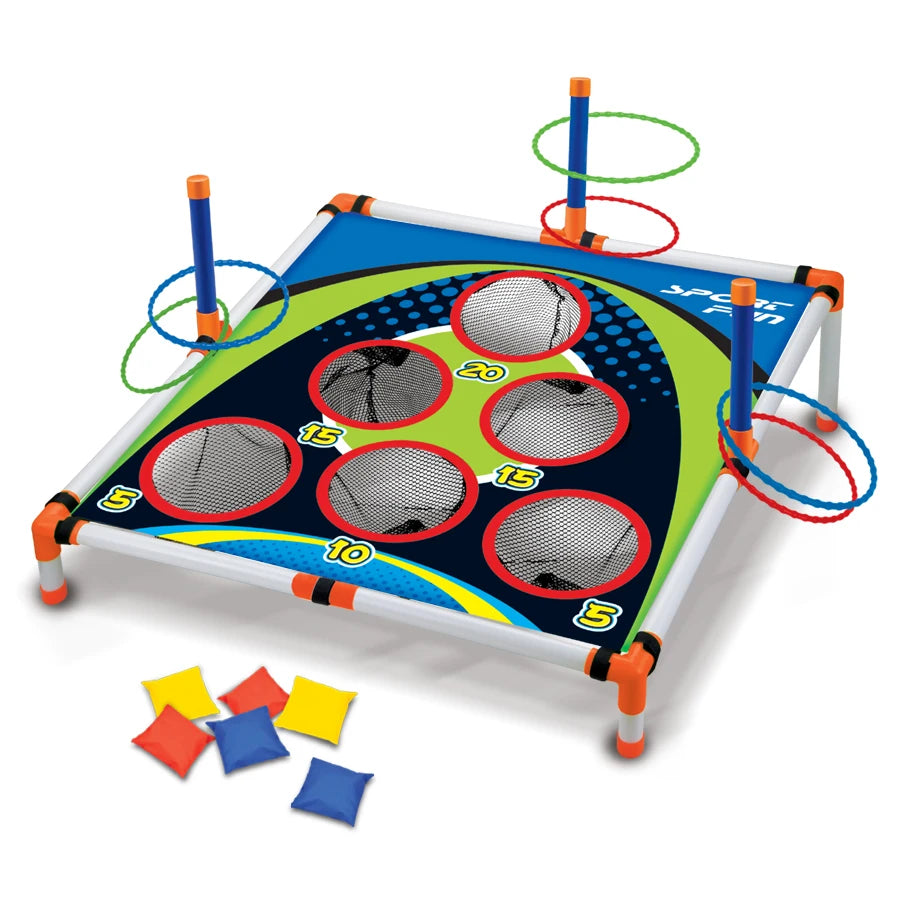
Motor skills activities with hand eye coordination toy play for stronger focus 💡 See it in action
Why Motor Skills Activities Matter for Brain and Body
Motor skills activities improve muscle control, balance, and coordination by strengthening neural pathways between the brain and body. Repetitive, goal-focused movement helps children refine precision, reaction time, and spatial awareness—key foundations for writing, sports, and daily independence.
When children toss, catch, balance, or aim, they’re doing more than playing. They’re developing:
- Fine motor skills – finger control for writing and self-care
- Gross motor development – jumping, running, and balance
- Visual tracking – following moving objects smoothly
- Core strength – stability for posture and endurance
Research consistently shows that coordinated movement improves classroom focus. That’s why pairing a hand eye coordination toy with outdoor family games to play creates stronger, well-rounded results.
Key Features That Boost Growth Faster
1. Repetition With Purpose
Children learn best when movements repeat in a structured but fun way. Toss-and-aim games reinforce distance judgment and timing without feeling like drills.
2. Adjustable Difficulty
The best coordination improvement exercises grow with your child. Adjustable distance, target size, or scoring systems keep challenge levels appropriate.
3. Full-Body Engagement
Activities that involve bending, aiming, stepping, and throwing activate multiple muscle groups at once—accelerating gross motor development.
4. Social Interaction
Outdoor family games to play add teamwork, patience, and emotional regulation into physical training.
5. Safe, Portable Design
Lightweight, foldable setups encourage frequent use. The easier it is to set up, the more consistently families play.
How a Portable Cornhole Game Strengthens Coordination
Motor skills activities like cornhole improve hand-eye accuracy, balance, and muscle timing through repetitive aiming and controlled throwing. The structured target system trains depth perception while promoting gross motor development, making it one of the best outdoor family games for coordination improvement exercises at home.
A portable cornhole game stands out because it combines:
- Clear visual targets
- Consistent throwing motion practice
- Core stability training
- Friendly competition
Unlike random tossing, cornhole provides measurable progress. Kids quickly learn to adjust force and angle.
You can explore the portable cornhole game to see how compact design makes daily practice realistic—even in smaller yards.
👉 Learn step-by-step how to choose the right baby gear and compare options in our Mobility & Training collection.
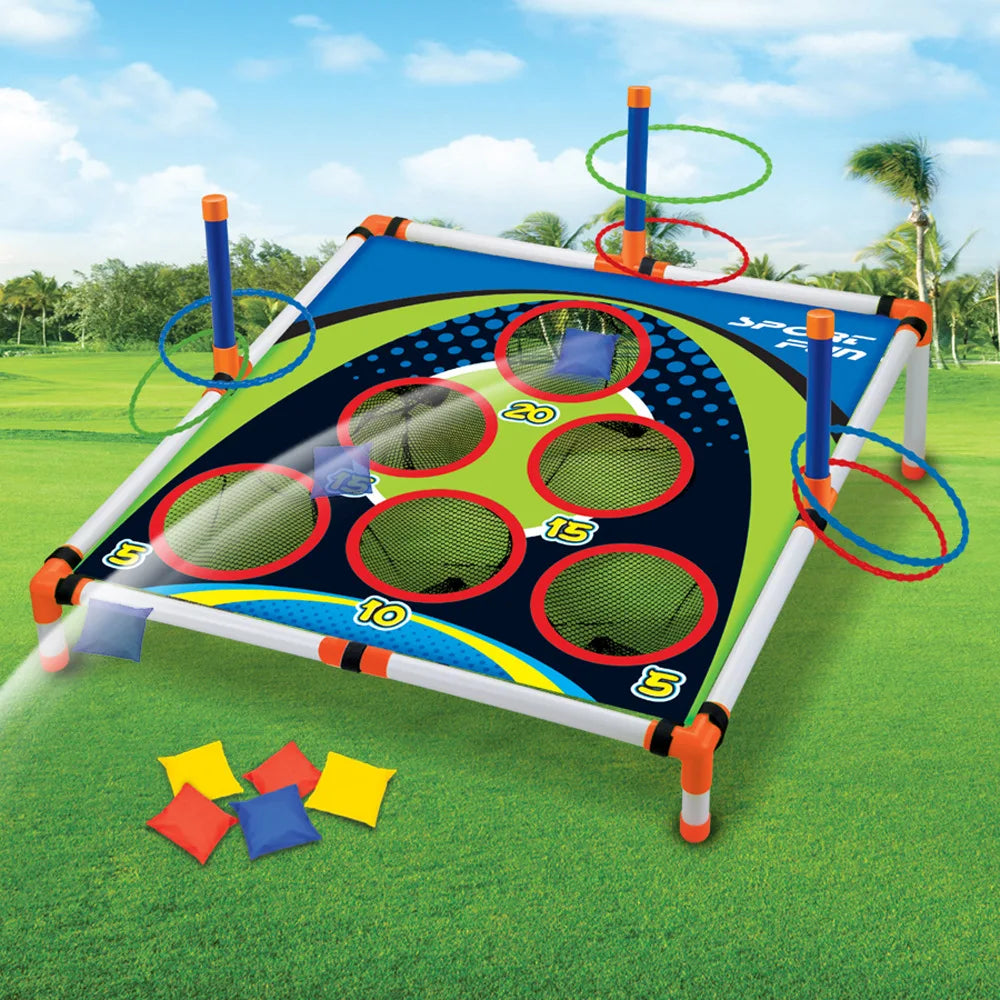
Coordination improvement exercises with best outdoor family games 💡 See it in action
Comparison: Structured Toys vs Outdoor Family Games
| Feature | Hand Eye Coordination Toy | Portable Cornhole Game |
|---|---|---|
| Fine Motor Focus | High | Moderate |
| Gross Motor Development | Low to Moderate | High |
| Family Participation | Limited | Excellent |
| Outdoor Engagement | No | Yes |
| Scalable Difficulty | Sometimes | Yes |
For balanced development, many families combine both. Browse engaging options in Sensory Toys to complement outdoor play.
How to Choose the Right Activities by Age
- Toddlers (1–3 years): Soft toss games, large targets, sensory-based hand eye coordination toy options.
- Preschoolers (3–5 years): Short-distance target games and balance challenges.
- Early School Age (6–8 years): Scored outdoor family games to play like cornhole for structured progress.
- Older Kids: Increased distance, timed challenges, and competitive team play.
Consistency matters more than intensity. Even 15 minutes daily creates noticeable coordination improvement.
Real Parent Results and Feedback
Parents often report:
- ✅ Fewer falls and improved balance within weeks
- ✅ Better handwriting endurance
- ✅ Increased willingness to join sports
- ✅ Improved focus after outdoor sessions
One mom shared: “After two weeks of backyard target practice with our portable cornhole game, my son stopped avoiding PE class. His confidence skyrocketed.”
Pairing outdoor play with calming routines from Sleep & Comfort can further support overall wellness.
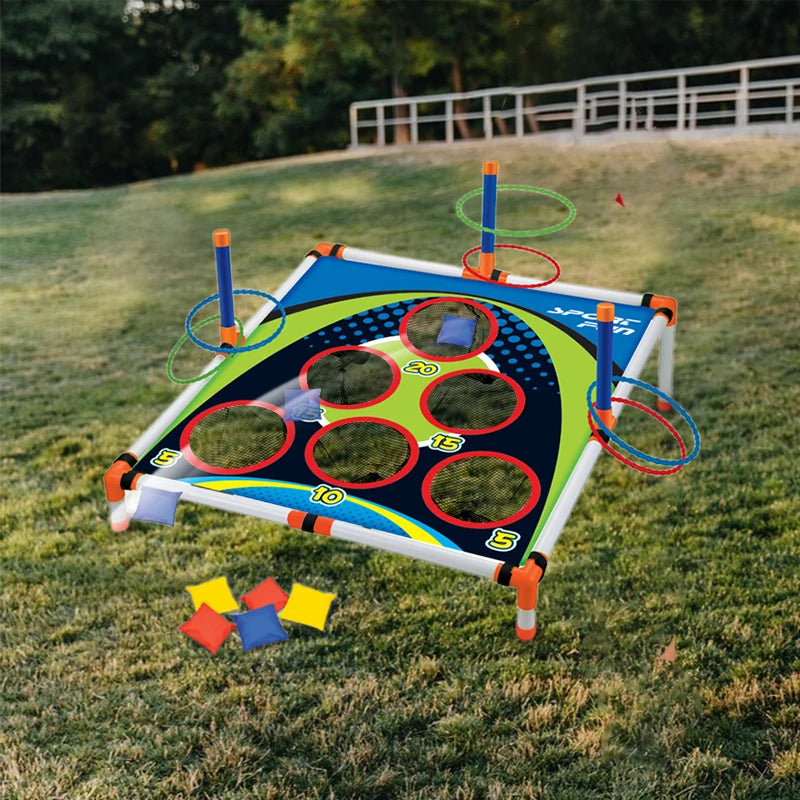
Best outdoor family games for motor skills activities 💡 See it in action
👉 Get yours now — limited stock! Upgrade your backyard with the portable cornhole game and turn playtime into powerful growth.
Frequently Asked Questions
What are the best motor skills activities for daily practice?
The best motor skills activities include target tossing, balance challenges, obstacle courses, and structured outdoor family games to play. Combining fine and gross motor tasks delivers balanced growth.
How often should children practice coordination improvement exercises?
Short daily sessions of 10–20 minutes are ideal. Consistency builds neural pathways more effectively than occasional long sessions.
Is a hand eye coordination toy enough for full development?
It supports fine motor skills, but pairing it with gross motor activities like cornhole ensures whole-body coordination improvement.
Why are outdoor family games better than screen time?
They strengthen physical health, social bonding, and emotional regulation while improving balance and reaction speed.
Motor skills activities don’t require complicated equipment—just thoughtful design and consistency. With the right mix of hand eye coordination toy practice and the best outdoor family games, you can help your child build strength, focus, and lifelong confidence—one throw at a time.





