

Music Lights for Baby Sleep Review After 30 Nights
Does music lights for baby sleep really work?
Music lights for baby sleep can help many families by pairing gentle sounds with low, steady illumination that supports calmer bedtimes. When used consistently, sleeping infant music and soothing nursery lighting encourage relaxation cues, reduce overstimulation, and make early childhood sleep aids feel more predictable across nights.
Music Lights for Baby Sleep Review After 30 Nights
Music lights for baby sleep were tested over 30 nights to see if they truly help restless evenings feel calmer and more predictable. By combining sleeping infant music with soothing nursery lighting, these tools promise gentler bedtimes and fewer wake-ups as part of modern early childhood sleep aids. The real surprise wasn’t just faster sleep, but how routines shifted and moods improved—could this simple setup change your nights too?
⏱ 7 min read
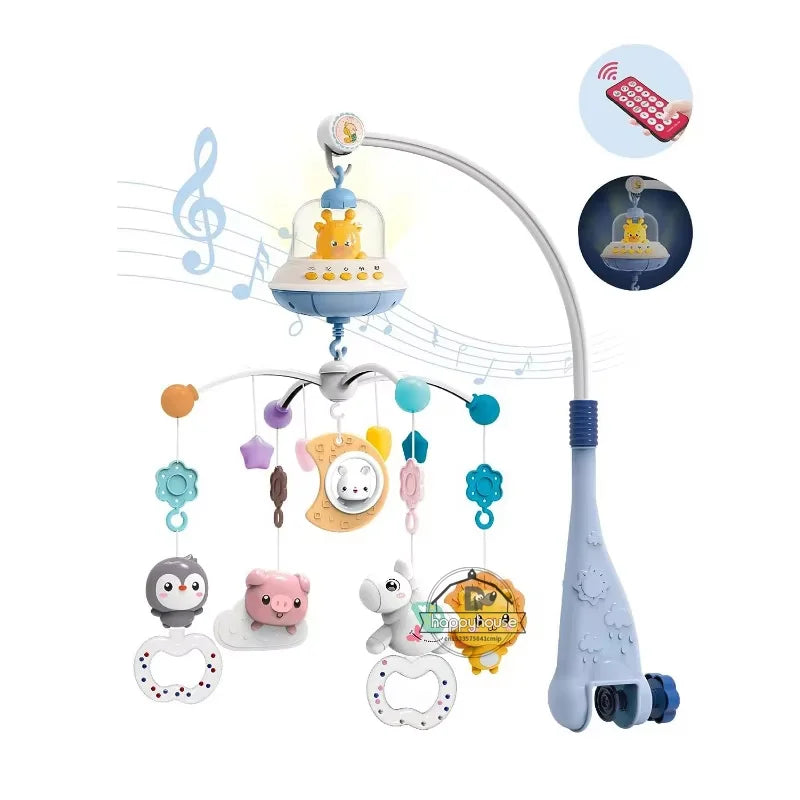
Music lights for baby sleep with sleeping infant music and soothing nursery lighting — 💡 See it in action
Why bedtime feels so hard for parents
Many parents know the pattern: dim the lights, rock gently, and hope tonight goes smoother. Yet overstimulation, inconsistent routines, and sudden noises can derail sleep quickly. For families juggling work, feeding schedules, and safety worries, bedtime can feel like the most stressful part of the day.
Which baby gear actually helps your newborn wind down without adding clutter or confusion? Read on.
What are music lights for baby sleep?
Music lights for baby sleep combine gentle audio with soft illumination to create consistent cues that signal rest. Instead of relying on silence or darkness alone, these tools offer a balanced environment that supports relaxation without overstimulation.
Key elements you’ll notice
- Steady, low-brightness lighting that avoids harsh glare
- Sleeping infant music with slow tempos
- Simple controls that fit into existing routines
- Designs that feel safe and comforting in a nursery
Families often pair these with items from Sleep & Comfort or sensory-friendly options from Sensory Toys to build a complete nighttime setup.
How the 30-night test worked
To understand real-world impact, this review followed a consistent routine for 30 nights using the same setup. Bedtime occurred within the same window, with feeding finished before activation. The goal was to observe changes in settling time, wake-ups, and overall mood.
What stayed consistent
- Room temperature and noise levels
- Pre-sleep feeding routine
- Placement near the crib at a safe distance
- Same volume and light settings nightly
This approach mirrors how parents naturally integrate early childhood sleep aids without overthinking settings.
Results after 30 nights
By the end of the month, patterns became clear. Settling time shortened for most nights, and bedtime resistance eased. The consistent combination of sleeping infant music and soothing nursery lighting appeared to reduce abrupt wake-ups.
Observed changes
- Calmer transitions from play to rest
- Fewer startle responses during light sleep
- More predictable bedtime routines
- Improved parent confidence at night
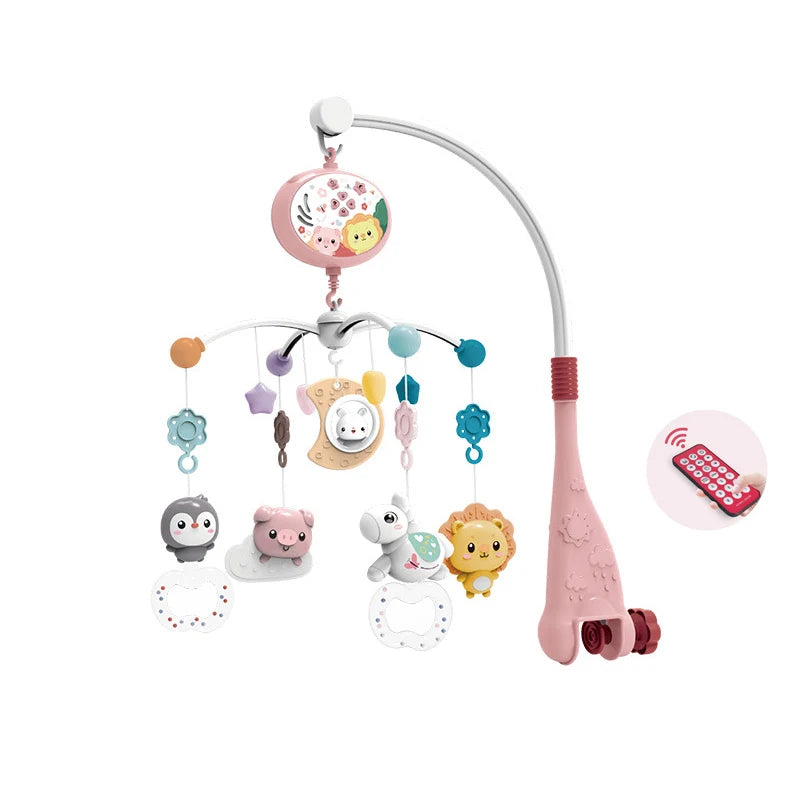
Sleeping infant music paired with soothing nursery lighting — 💡 See it in action
How this product stands out
Music lights for baby sleep stand out by blending simplicity with consistency. Over 30 nights, the balance of sound and light helped create a recognizable sleep cue, making early childhood sleep aids feel intuitive rather than complicated.
| Pros | Cons |
|---|---|
| Easy integration into routines | Requires consistent use |
| Gentle, non-distracting design | Not a replacement for routine |
| Supports calmer transitions | Placement matters |
Families often compare this with basic night lights, but the added audio component creates a fuller calming effect.
Explore the featured option here: Musical Baby Crib Mobile.
Real parent experiences
Parents shared that nights felt less tense after the first week. One noted fewer rocking sessions, while another appreciated how predictable bedtime became. These experiences echo how consistent cues can shape calmer evenings.
“After a week, bedtime stopped feeling like a guessing game. The lights and music became our signal that it was time to rest.”
Many paired the setup with calming options from Massage & Relaxation to reinforce the wind-down phase.
Comparison with other options
Compared to standalone night lights or audio-only devices, music lights for baby sleep offer a combined approach. This reduces the need for multiple gadgets and keeps the nursery uncluttered.
| Option | Experience |
|---|---|
| Night light only | Visual comfort without audio cues |
| Audio only | Sound support without visual consistency |
| Music + light | Balanced, recognizable sleep signals |
How to use music lights effectively
- Activate the lights and music at the same time nightly.
- Keep volume low and lighting soft.
- Pair with a calm feeding or reading routine.
- Allow a few nights for adjustment.
Many parents find success combining this with monitoring solutions from Monitoring Devices for added peace of mind.
Who should consider this
This setup suits parents seeking gentle structure without complexity. If bedtime feels unpredictable or overstimulating, music lights for baby sleep can provide consistent cues that support calmer nights.

Early childhood sleep aids with soothing nursery lighting — 💡 See it in action
Mini FAQ
Are music lights for baby sleep safe?
When used as directed, they are designed to be gentle and non-intrusive. Always follow placement guidelines and keep cords out of reach.
How long before results appear?
Many families notice changes within the first week, though consistency over several nights brings clearer patterns.
Can this replace a full bedtime routine?
No. It works best as part of a broader routine that includes feeding, calming activities, and a consistent schedule.
Related Guide: Newborn Crib Mobile Safe Review Parents Can Trust





