

How to Safely Carry a 2 Month Old Baby Step by Step
What are newborn to toddler carrying methods?
Newborn to toddler carrying methods are age-appropriate ways to hold, support, or wear a child from birth through the early walking years. Every stage requires different levels of head, neck, hip, and spine support to keep your baby comfortable while reducing strain on the caregiver. Learning the right technique helps promote healthy positioning, keeps airways clear, and makes everyday carrying safer and more comfortable.
Newborn to Toddler Carrying Methods Explained Step by Step
Carrying your baby shouldn't leave you sore, anxious, or second-guessing every move. From the first weeks of life through the toddler years, using age-appropriate newborn carrying techniques supports healthy development while protecting your back and shoulders. This guide explains how to safely carry a 2 month old baby, how carrying methods change with growth, and how to confidently handle common daily situations.
⏱ 7 min read
Whether you're lifting your baby from a crib, soothing them after feeding, or carrying an energetic toddler, a few simple adjustments can make every movement safer and more comfortable.
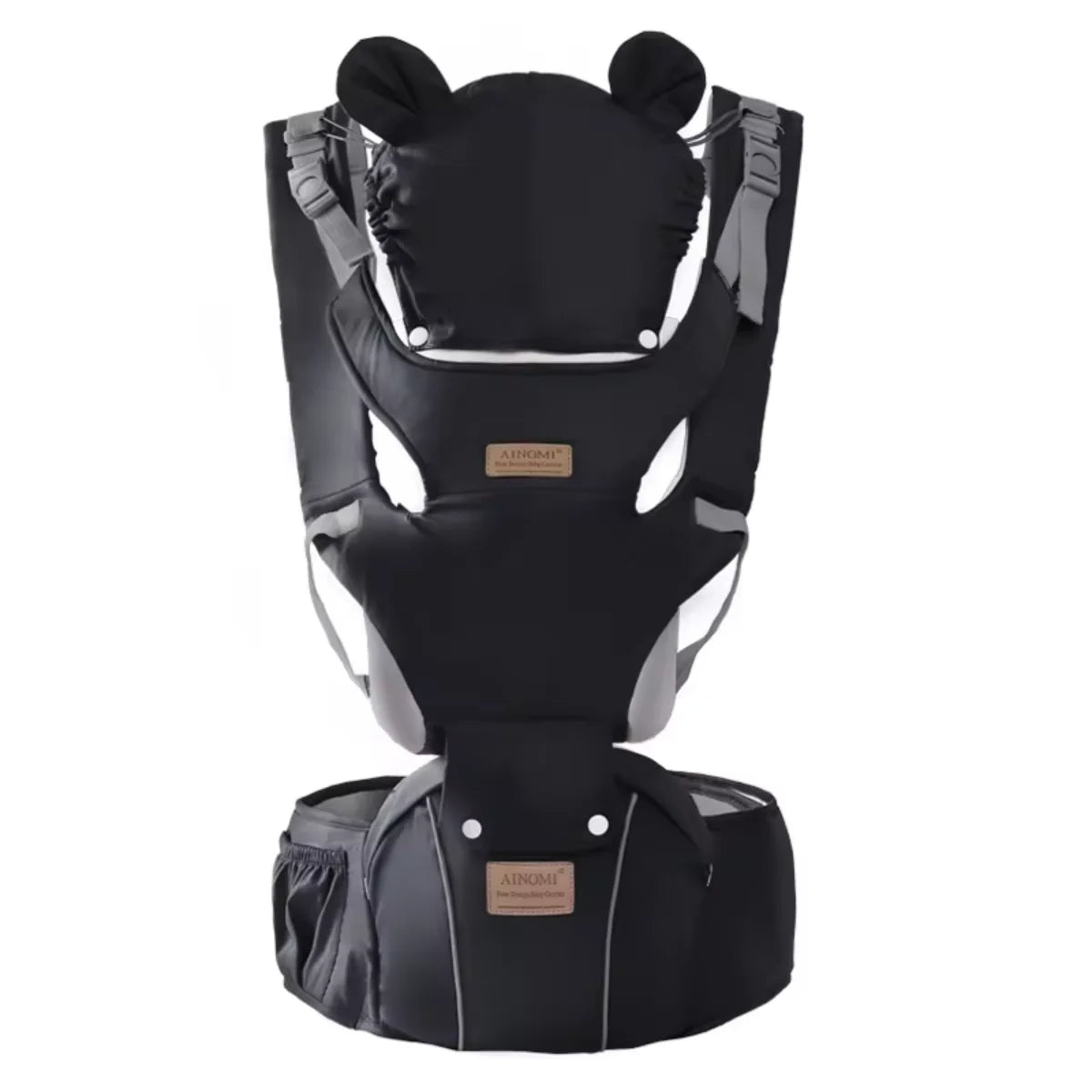
Newborn to toddler carrying methods that support safe positions to hold a newborn and healthy sitting posture. See it in action.
How to safely carry a 2 month old baby
Knowing how to safely carry a 2 month old baby starts with supporting the head, neck, spine, and hips every time you lift or hold them. At this age, babies have very limited neck control, so caregivers provide nearly all of the support needed to keep the airway open and the body aligned.
Why head and neck support matters at 2 months
A two-month-old cannot consistently hold their head upright. Always place one hand behind the head and neck while the other supports the bottom and back. Keeping your baby's chin away from the chest helps maintain a clear airway and comfortable breathing.
As you move, keep your baby close to your chest rather than extending your arms outward. This improves stability, reduces muscle fatigue, and helps your baby feel secure.
Newborn safety principles before lifting or holding
- Support the head, neck, shoulders, and hips before lifting.
- Lift smoothly without sudden twisting motions.
- Keep your baby's face visible and nose uncovered.
- Hold your baby close to your center of gravity.
- Avoid carrying while distracted or holding additional heavy items.
Parents often pair early carrying routines with calming environments from Sleep & Comfort to help newborns settle more easily.
How to carry a baby safely step by step
Whether you're carrying an infant around the house or preparing for a short walk, following the same gentle routine helps minimize unnecessary movement while keeping your baby comfortable.
How to lift a baby from a crib
- Place one hand beneath the head and neck.
- Slide your other hand beneath the hips and lower back.
- Lift using your legs instead of bending your back.
- Bring your baby close to your chest before standing fully upright.
How to hold while walking
Keep your shoulders relaxed and avoid leaning backward to compensate for your baby's weight. Walk with short, steady steps and maintain your baby's head in a neutral position with unrestricted breathing.
How to transfer without waking baby
When placing a sleeping baby into a crib or bassinet, lower the hips first, followed by the shoulders and finally the head. Move slowly and keep one supporting hand in place briefly before releasing to reduce the startle reflex.
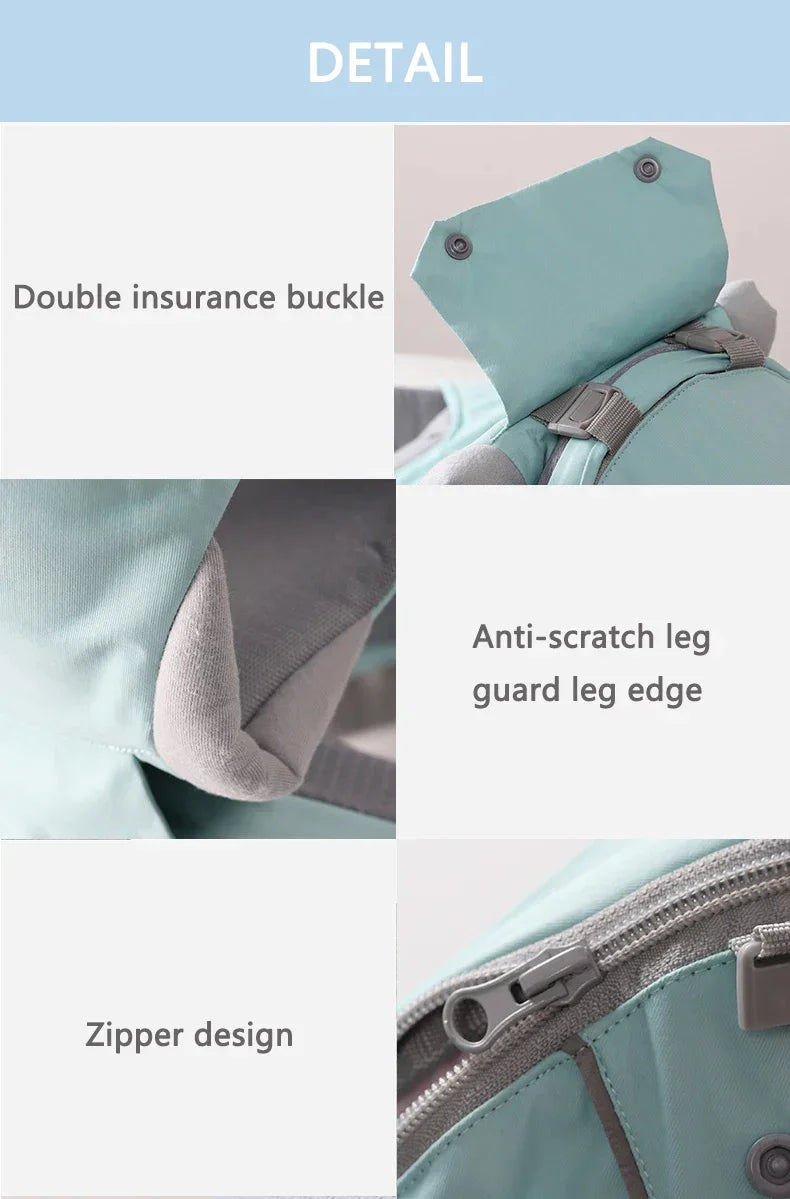
How to carry baby comfortably using even weight distribution and healthy sitting posture. See it in action.
Safe positions to hold a 2-month-old baby
Several infant carrying positions work well during the newborn stage. Choosing the right one depends on whether your baby is feeding, sleeping, burping, or simply observing the world.
Cradle hold
The classic cradle hold fully supports your baby's head while encouraging close bonding. It works well for feeding, calming, and short periods of carrying.
Shoulder hold
Place your baby's tummy against your shoulder while supporting the neck and upper back. This position is commonly used after feeding for burping and gentle soothing.
Football hold
Supporting your baby along your forearm with the body tucked beside you can be helpful for nursing or when managing reflux under guidance from your healthcare provider.
Upright chest hold
Holding your baby upright against your chest keeps the airway open while allowing gentle interaction. This position is often comfortable for babies who enjoy looking around while remaining securely supported.
Everyday carrying situations parents face
After feeding and burping
Keep your baby upright against your chest for around 20 to 30 minutes after feeding whenever practical. This may help reduce spit-up while allowing trapped air to escape naturally.
Gentle swaying, walking slowly, or using an upright chest hold can help many babies settle while maintaining proper head support and an open airway.
Going up and down stairs
Always use one hand to maintain secure support and keep the other available for the handrail whenever possible. Avoid rushing or carrying additional bulky items.
Passing baby to another caregiver
Before transferring your baby, make eye contact with the receiving caregiver and ensure they have full support of the head and body before you release your hands.
Common carrying mistakes and how to fix them
- Unsupported head: Always support the head until your baby has reliable neck control.
- Blocked airway: Keep the chin off the chest and ensure the face remains visible.
- Poor hip positioning: Allow the hips to rest naturally instead of forcing the legs together.
- One-handed carrying: Avoid carrying a young infant one-handed except for very brief adjustments.
- Twisting while lifting: Turn your whole body instead of rotating through your lower back.
When babies are ready for new carrying positions
Baby carrying methods evolve as your child develops stronger muscles and better balance. Rather than relying on age alone, look for developmental milestones before introducing new positions.
3–6 months
Many babies begin developing steady head control during this period. Front inward-facing carries remain the safest choice for extended carrying, while supported hip carries may become more comfortable for short periods.
As sitting balance improves, babies usually tolerate a wider range of infant carrying positions. Continue supporting healthy hip alignment while allowing opportunities to observe their surroundings.
Toddler stage
As toddlers become heavier and more active, position them higher on your hip, engage your core before lifting, and alternate sides regularly to reduce muscle fatigue. Structured support often feels more comfortable than relying solely on your arms.
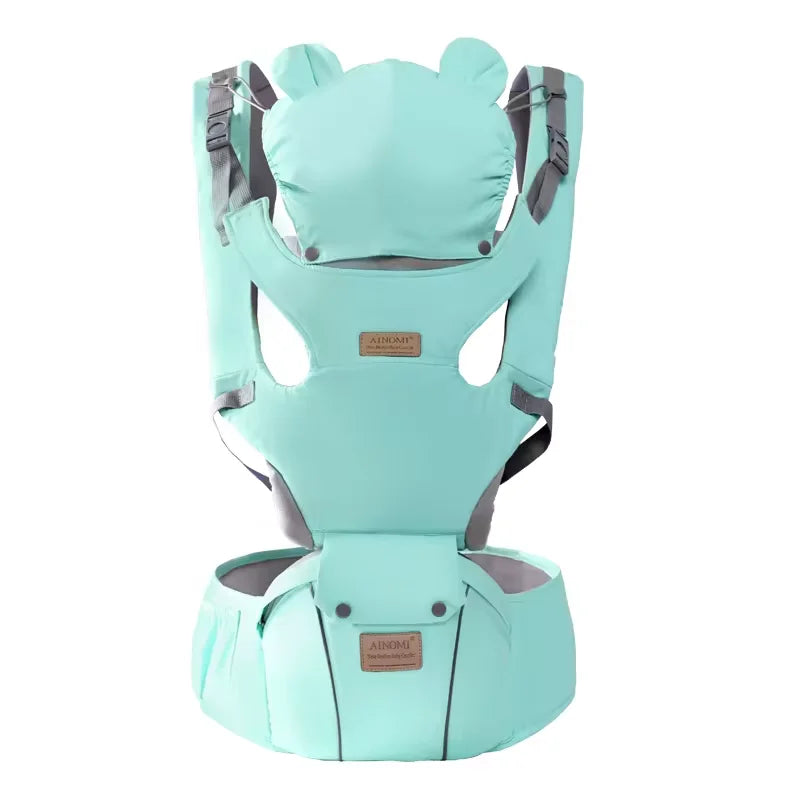
Newborn to toddler carrying methods that reduce back pain and improve comfort. See it in action.
Baby carrier and hip seat safety basics
When a 2-month-old can use a carrier
Many structured baby carriers can be used from birth or around 2 months when they provide proper newborn inserts and full head, neck, and hip support. Always follow the manufacturer's weight recommendations and ensure your baby's face remains visible with an unobstructed airway.
When to introduce a hip seat
Hip seats are generally more useful once babies can sit with minimal support, often around 4 to 6 months. They reduce pressure on the caregiver's arms while helping distribute weight more evenly.
If you're looking for additional support during errands or everyday routines, an infant hip seat can provide stable positioning while reducing fatigue.
Many families also build confidence by learning additional baby safety routines through guides on newborn sleep safety, safe burping techniques, tummy time, babywearing safety, newborn developmental milestones, and safe crib transfers.
Frequently asked questions
How do I safely carry a 2-month-old baby?
Support your baby's head and neck with one hand while supporting the hips and lower back with the other. Keep your baby close to your chest, maintain an open airway, and avoid sudden twisting or bouncing movements.
What is the safest position to hold a newborn?
Cradle holds, upright chest holds, and shoulder holds are among the safest positions when the head, neck, and spine remain fully supported and the baby's airway stays clear.
Why does a newborn need head and neck support?
Newborn neck muscles are still developing. Supporting the head prevents sudden backward movement and helps maintain safe alignment of the airway and spine.
How should I carry my baby after feeding?
Holding your baby upright against your chest for 20 to 30 minutes after feeding may help reduce spit-up while making burping easier.
When do babies gain enough neck control?
Most babies develop noticeably stronger neck control between 3 and 4 months, although every child develops at a different pace. Continue supporting the head until your baby can hold it steady independently.
Can I use a baby carrier for a 2-month-old?
Yes, provided the carrier is designed for young infants, fits your baby's current weight and size, supports healthy hip positioning, and keeps the face visible with unrestricted breathing.
What carrying mistakes should I avoid?
Avoid unsupported head movement, blocked airways, carrying with one hand for extended periods, twisting while lifting, and allowing your baby's chin to rest tightly against the chest.
Related Guide: How to Carry Baby Comfortably Without Back Pain





