

How to carry a baby: Infant carrying positions: 7 errors
What are newborn to toddler carrying methods?
Newborn to toddler carrying methods are age-appropriate ways to hold, support, or wear a child from birth through early walking years. These methods focus on spinal support, open airways, and even weight distribution so parents stay comfortable while babies remain safe, calm, and properly positioned as they grow.
Newborn to Toddler Carrying Methods Explained Step by Step
Carrying your baby shouldn’t leave you sore, anxious, or second-guessing every move. From those fragile newborn days to the active toddler phase, the way you hold and carry your child directly affects their comfort, your posture, and your daily energy. This guide breaks down newborn to toddler carrying methods step by step so you can move with confidence, protect your body, and enjoy closeness without strain.
⏱ 7 min read
Do you ever wonder if you’re holding your baby “the right way,” or why your back hurts after just 10 minutes? You’re not alone. The good news: small adjustments make a huge difference.
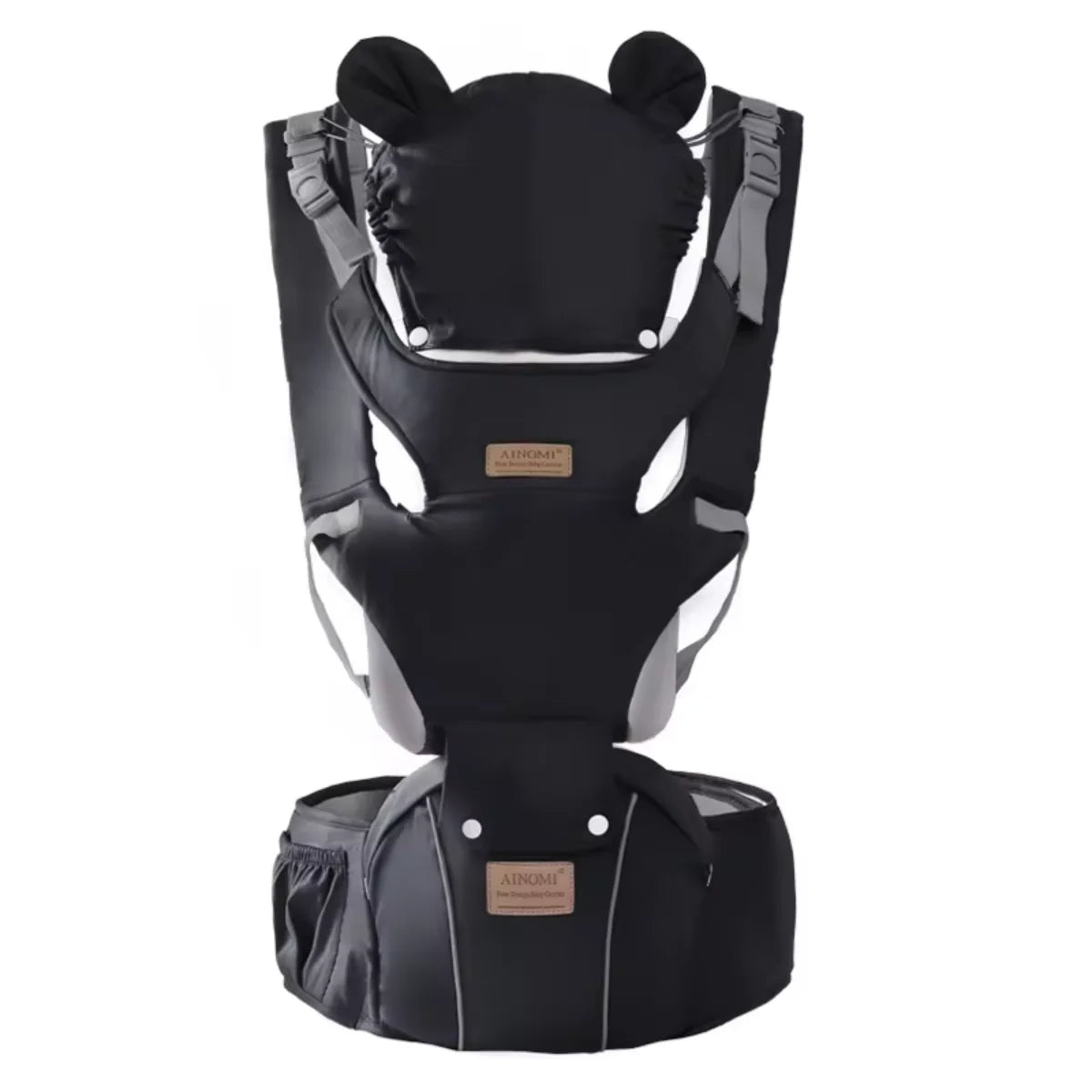
Newborn to toddler carrying methods that support safe positions to hold a newborn and healthy sitting posture 💡 See it in action
How to carry a newborn safely from day one
Safe positions to hold a newborn prioritize head support, airway openness, and a natural curved spine. At this stage, babies lack neck control, so your arms and body do most of the work.
- Cradle hold: Baby’s head rests in the crook of your elbow, chest facing you.
- Upright chest carry: Baby rests against your chest, head turned to the side.
- Shoulder hold: Baby’s tummy against your shoulder, hand supporting neck and upper back.
- Two-hand support: One hand under the head, one under hips for short transfers.
Keep your shoulders relaxed and bring baby to your body instead of leaning forward. This protects your spine and helps baby feel secure.
Parents often pair early carrying routines with calming environments from Sleep & Comfort to help newborns settle more easily.
Carrying methods that grow with your infant (3–6 months)
As babies gain head control, carrying becomes more interactive. The goal shifts toward balance, engagement, and even weight distribution.
- Front-facing-in carry: Baby’s chest against yours, hips supported.
- Hip carry (supported): Baby sits on your hip with one arm around you.
- Assisted sit carry: Baby sits upright while you support torso and hips.
- Short-duration outward viewing: Only when baby shows readiness and for brief periods.
This stage is where many parents start noticing wrist and lower-back fatigue. Tools designed for balance and support, like those found in Mom Essentials, can reduce daily strain.
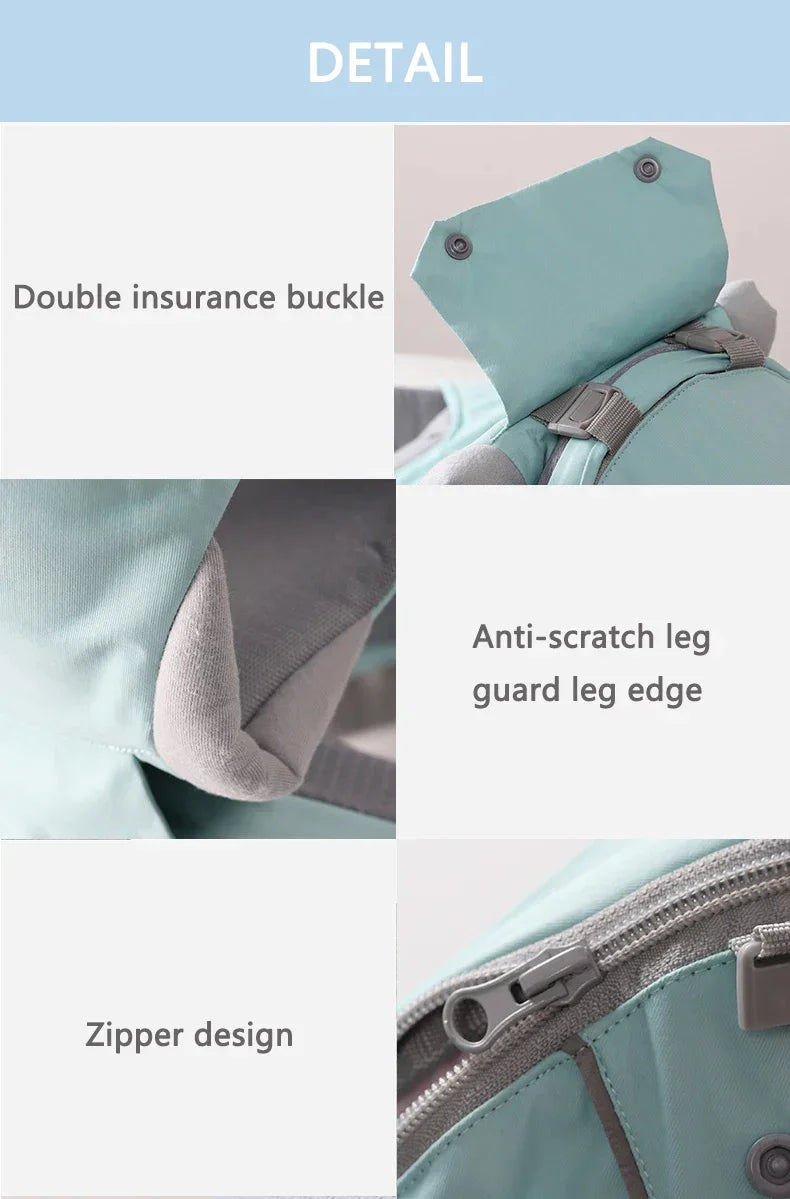
How to carry baby comfortably using even weight distribution and healthy sitting posture 💡 See it in action
When an infant hip seat makes carrying easier
An infant hip seat supports your child’s weight at the hips, helping maintain a healthy sitting posture while reducing pressure on your arms and spine. It’s especially useful once babies can sit with minimal support and want to look around.
Used correctly, hip seating encourages:
- Neutral spine alignment for parents
- Proper hip positioning for babies
- Hands-free balance during short tasks
- Longer carry time with less fatigue
Many families transition to this method while staying mindful of overall safety routines supported by Health & Safety.
If you’re looking for a practical solution, an infant hip seat offers stable support during errands, soothing walks, and everyday moments.
Toddler carrying without back and shoulder pain
Toddlers are heavier, squirmier, and full of opinions. Carrying them efficiently is all about leverage and posture.
- Position toddler higher on your hip or torso.
- Engage your core before lifting.
- Switch sides frequently to avoid muscle imbalance.
- Use structured support instead of pure arm strength.
Parents often notice immediate relief when combining good technique with supportive gear and daily recovery habits from Massage & Relaxation.
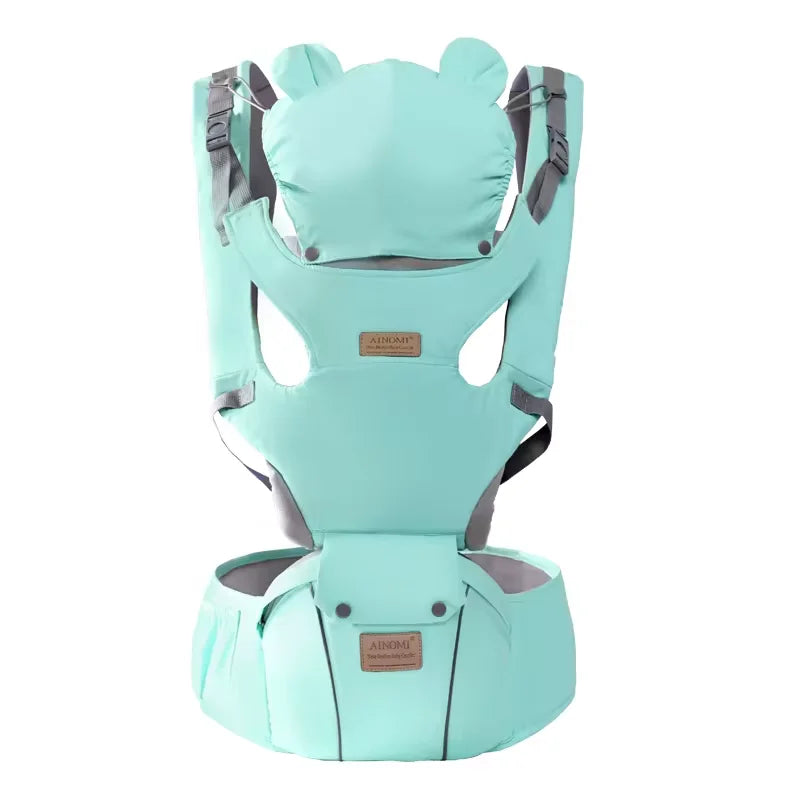
Newborn to toddler carrying methods that reduce back pain and improve comfort 💡 See it in action
Healthy posture tips that protect your body long-term
Healthy sitting posture and standing alignment matter just as much as how you hold your child. Small habits prevent long-term discomfort.
- Keep ears over shoulders, shoulders over hips.
- Avoid locking knees while standing.
- Exhale during lifts to engage core muscles.
- Rest and reset posture between carries.
Many parents combine carrying improvements with daily wellness routines inspired by Beauty & Wellness to feel more balanced overall.
Frequently asked questions
What is the safest way to hold a newborn?
The safest way is to fully support the head and neck, keep the airway clear, and hold the baby close to your body. Upright chest carries and cradle holds are commonly used safe positions to hold a newborn during the first months.
When can I start using an infant hip seat?
Most parents begin using an infant hip seat once their baby can sit with minimal support, usually around 4–6 months. Proper positioning ensures healthy sitting posture and reduces strain on the parent.
Why does carrying my toddler hurt my back?
Back pain often comes from uneven weight distribution, poor posture, or lifting without core support. Switching sides, using supportive tools, and maintaining alignment can dramatically reduce discomfort.
Related Guide: How to Carry Baby Comfortably Without Back Pain





