

Non Slip Baby Floor Socks Real Results vs Cheap Alternatives
Do non slip baby floor socks really work?
Non slip baby floor socks help reduce slips and improve balance by adding targeted grip under the feet while keeping babies comfortable in breathable cotton infant socks. When crawling on hardwood floors, the added traction supports crawling safety, confidence, and smoother movement compared with cheap, slippery alternatives.
Non Slip Baby Floor Socks Real Results vs Cheap Alternatives
⏱ 7 min read
Non slip baby floor socks can make a surprising difference for parents looking to upgrade crawling safety and comfort during crawling on hardwood floors. Unlike flimsy options, these cotton infant socks combine traction, durability, and breathability so babies can explore with fewer slips and more confidence. But how do premium versions really compare to bargain buys, and which features actually matter most?
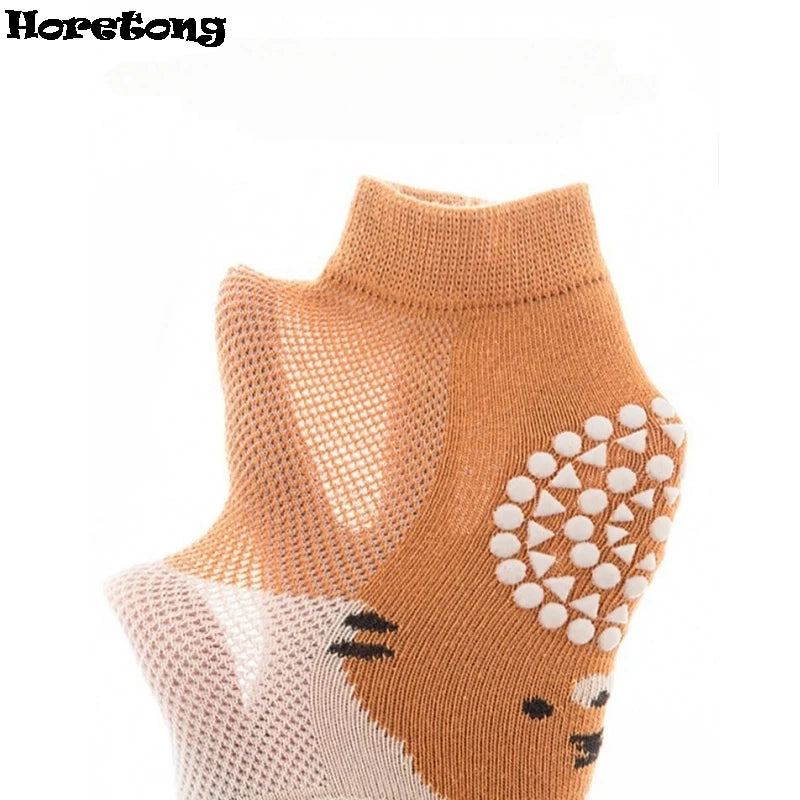
Non slip baby floor socks designed for crawling safety and confident movement on hardwood floors. 💡 See it in action
Why traction matters during early crawling
Hard floors are common in modern homes, but they can be unforgiving for babies learning to crawl. Smooth surfaces reduce friction, causing knees and feet to slide unexpectedly. Non slip baby floor socks address this by adding grip exactly where babies push off, supporting crawling safety without restricting movement.
- Improves push-off strength on slick floors
- Reduces sudden slips that lead to frustration
- Encourages longer, more confident crawling sessions
- Protects feet while staying soft and breathable
For parents pairing socks with playtime or tummy-time routines, combining them with items from Baby Growth & Learning can help create a safer, more engaging environment.
Real results parents notice right away
Non slip baby floor socks show benefits quickly because traction changes how babies interact with the floor. Parents often report fewer slips within the first day, smoother transitions from sitting to crawling, and happier playtime overall—especially during crawling on hardwood floors.
Common improvements seen in the first week
- More stable starts when pushing off
- Less hesitation on smooth surfaces
- Reduced knee and foot redness compared to bare feet
- Improved confidence during supervised floor play
Premium vs cheap alternatives: side-by-side
| Feature | Premium Non Slip Baby Floor Socks | Cheap Alternatives |
|---|---|---|
| Grip pattern | Targeted, durable anti-slip zones | Thin dots that wear off quickly |
| Material | Soft, breathable cotton infant socks | Synthetic blends that trap heat |
| Fit | Snug without cutting circulation | Loose or overly tight |
| Wash durability | Maintains grip after many washes | Grip peels or flakes |
Cheap options may look similar at first, but reduced durability often leads to frequent replacements. Parents focused on value and safety tend to prefer well-made socks that last through growth spurts.
How materials and fit change outcomes
Material quality directly affects crawling safety. Breathable cotton infant socks keep feet cool and dry, reducing slipping caused by moisture. Proper stretch ensures socks stay in place, so grip zones align correctly with the floor during movement.
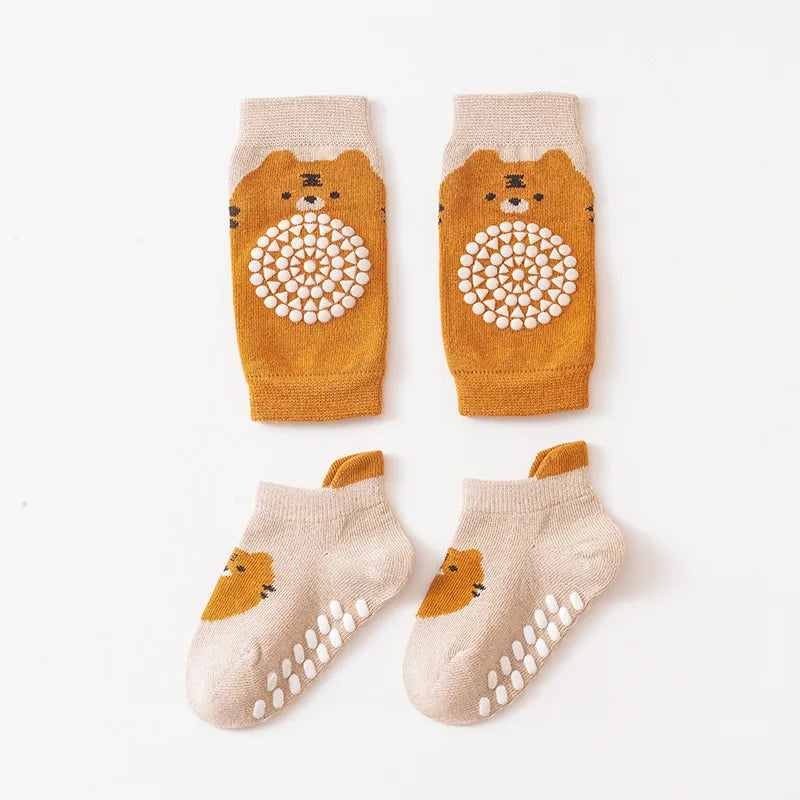
Cotton infant socks with reinforced grip support crawling safety on hardwood floors. 💡 See it in action
What to avoid
- Overly thick soles that limit flexibility
- Rough seams that irritate sensitive skin
- One-size designs that twist during crawling
For families building a complete routine, pairing socks with soft play mats or items from Sleep & Comfort can further reduce bumps and slips.
Best use cases for everyday routines
Non slip baby floor socks aren’t just for crawling practice. They’re useful during diaper changes on the floor, early standing attempts, and visits to relatives’ homes with unfamiliar flooring.
- Morning floor play on hardwood or tile
- Daycare or playdates with mixed surfaces
- Travel and hotel stays
- Indoor learning games and movement activities
What parents are saying
Parents consistently highlight peace of mind as the biggest benefit. Many share that once slips decreased, babies became more eager to explore, leading to longer play sessions and faster skill development.
- “My baby stopped sliding on our hardwood floors within a day.”
- “They stay on after washing—huge upgrade from cheaper socks.”
- “Soft enough for naps, grippy enough for crawling.”
Real-world feedback like this reinforces why investing in quality matters when safety is involved.
How to choose the right pair
When narrowing options, focus on grip placement, breathable materials, and realistic sizing. A well-designed pair of non slip baby floor socks should support movement without drawing attention away from play.
- Check that grip covers both heel and forefoot
- Prioritize cotton blends for comfort
- Look for reinforced stitching around the ankle
- Choose trusted designs built for crawling safety
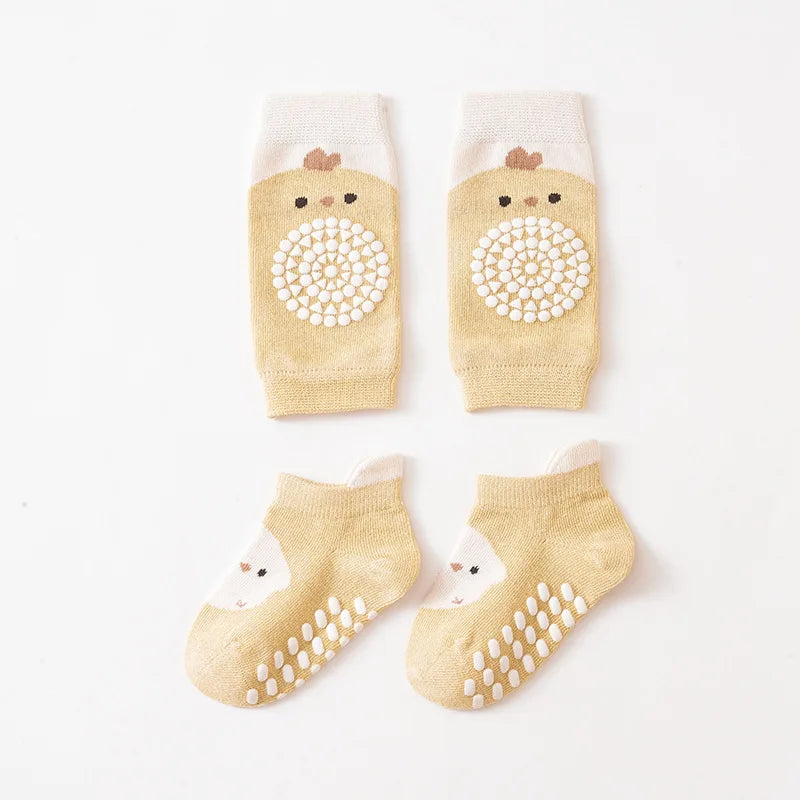
Durable non slip baby floor socks that balance comfort and traction for confident crawling. 💡 See it in action
Quick FAQ
Are non slip baby floor socks safe for daily wear?
Yes. Quality designs use soft cotton infant socks with non-toxic grip materials, making them comfortable and suitable for everyday indoor use.
Do they replace bare feet for learning balance?
They complement bare feet by adding traction on slick surfaces, especially when crawling on hardwood floors where slipping is common.
How many pairs should parents keep?
Most families find 3–5 pairs ideal to rotate between washes and different rooms.
Related Guide: Buy Baby Knee Pads Socks Honest Review After Daily Crawling





