

Non Toxic Sensory Toys That Are Safe and Worth Buying
Are non toxic sensory toys really safer for kids?
Yes. Non toxic sensory toys are made with materials selected to reduce children's exposure to potentially harmful chemicals while encouraging hands-on exploration and learning. When chosen appropriately for a child's age, they can support fine motor development, creativity, concentration, and sensory processing while giving parents greater confidence about everyday play.
Non Toxic Sensory Toys: What Makes Them Safer and Better
⏱ 7 min read
Wondering whether the toys your child squeezes, stacks, molds, and occasionally puts in their mouth are actually safe? You're not alone. More families are looking beyond colorful packaging and paying closer attention to toy materials, safety certifications, and long-term durability. Non toxic sensory toys combine engaging sensory experiences with carefully selected materials, making them an excellent choice for children who learn best through touch, movement, and creative play.
What are non toxic sensory toys, how do they differ from traditional toys, and what should parents look for before buying? This guide explains everything you need to know.
Discover the safest toys for your baby
Explore thoughtfully designed options in our Sensory Toys collection for safer, smarter playtime.
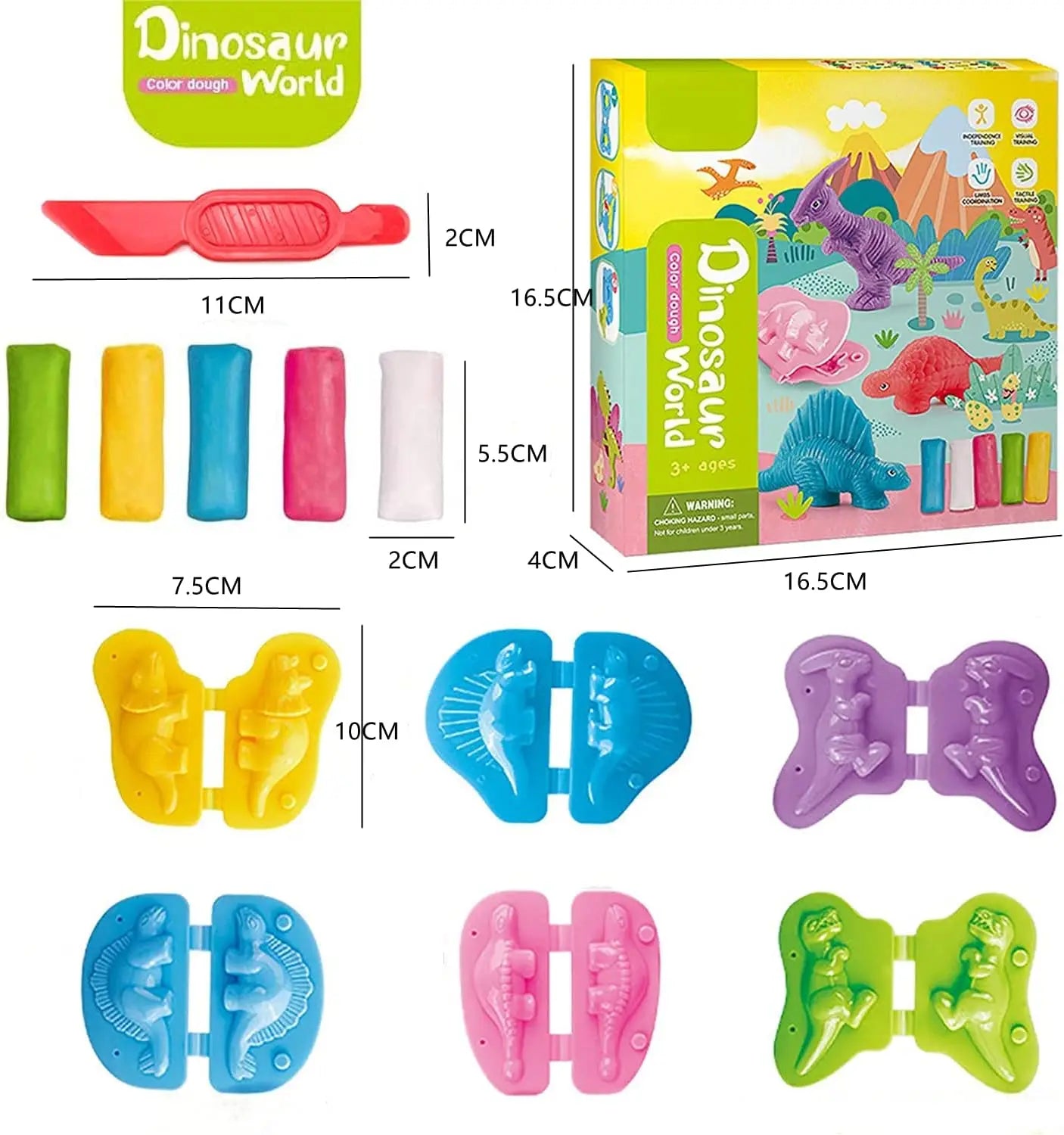
Safest non toxic clay kits kids love — See it in action
What Are Non Toxic Sensory Toys?
Non toxic sensory toys are play products made from materials intended to minimize exposure to harmful chemicals while stimulating one or more of a child's senses. Unlike standard toys that may focus mainly on entertainment, sensory toys are designed to encourage exploration through touch, sight, sound, movement, or texture, helping children build developmental skills during everyday play.
What qualifies as non-toxic?
Although no toy is completely risk-free, a non toxic sensory toy is generally manufactured without intentionally adding substances commonly associated with health concerns, such as BPA, phthalates, lead, or certain heavy metals. Reputable manufacturers also follow recognized toy safety standards and clearly identify recommended age ranges, care instructions, and testing information.
Parents should remember that "non-toxic" refers primarily to the materials used in manufacturing. It does not replace safe supervision or age-appropriate toy selection.
Common safe materials used in sensory toys
Many high-quality non toxic sensory toys are made from durable materials that are both engaging and easier to maintain. Popular options include:
- Soft modeling clay and dough kits made with child-friendly ingredients
- Food-grade silicone sensory toys
- Natural wooden toys with child-safe finishes
- Textured fabric and sensory play mats
- Water-based sensory bins and accessories
These materials are often chosen because they offer enjoyable sensory experiences while helping reduce unnecessary chemical exposure compared with some lower-quality alternatives.
Who benefits from non-toxic sensory toys?
Non toxic sensory toys can benefit babies, toddlers, preschoolers, and even older children when matched to their developmental stage. Younger children often use them to strengthen grasping, squeezing, and hand coordination, while older children may use sensory materials to encourage imaginative play, problem-solving, and creative expression.
They can also be valuable for families looking to create a lower-chemical play environment without sacrificing educational value or fun.
Choosing non toxic sensory toys allows parents to balance developmental play with everyday safety, giving children opportunities to learn through hands-on exploration using thoughtfully selected materials.
Why Non Toxic Sensory Toys Are Safer for Kids
Non toxic sensory toys are designed to support safer play by combining carefully selected materials with child-friendly designs. While no toy is completely hazard-free, products made for young children typically avoid unnecessary chemical exposure and prioritize everyday usability for active hands.
- Reduced chemical exposure: Many quality toys avoid substances such as BPA, phthalates, and heavy metals.
- Better for curious toddlers: Materials are often selected with the understanding that young children frequently touch and mouth toys.
- Gentle everyday use: Smooth finishes and softer materials may be less likely to irritate sensitive skin.
- Environmentally conscious choices: Many non toxic sensory toys use renewable, recyclable, or responsibly sourced materials.
For parents, choosing well-made sensory toys means spending less time worrying about what's in the toy and more time enjoying meaningful play with their child.
You are an expert SEO editor. Rewrite the article using the Upgrade Plan. MULTI-PART ARTICLE This article has been intentionally divided into 3 parts. You are rewriting ONLY PART 2 OF 3. Assume all previous parts already exist. Continue naturally from the supplied HTML. Do NOT restart the article. Do NOT repeat information already covered. Do NOT generate another H1. Do NOT generate another introduction. Do NOT summarize previous sections. Do NOT add transition paragraphs referring to omitted sections. Do NOT generate a conclusion unless it already exists in the supplied HTML. Rewrite ONLY the supplied HTML. GOAL Produce a stronger article capable of competing with Top 3 Google results while preserving the original page assets. INPUT ARTICLE HTML (THIS PART ONLY)Key Features That Make Them Better Than Alternatives
1. Food-Grade or Natural Ingredients
Many toddler safe modeling clay kits are made with ingredients similar to food-grade materials. This ensures that even accidental ingestion is far less concerning than with synthetic alternatives.
2. Certified Safety Standards
Look for labels like CE certified kids clay play set, which indicate compliance with strict safety regulations.
3. Soft, Easy-to-Shape Textures
Unlike stiff or crumbly clay, safer alternatives are designed for small hands. This improves control and reduces frustration during play.
4. Multi-Sensory Engagement
Colors, textures, and shapes stimulate creativity while strengthening neural connections.
Learn step-by-step how to choose the right baby gear
Browse expert-approved tools in Baby Growth & Learning to support your child’s development journey.
How They Improve Real Development Outcomes
Parents often ask: does playdough actually help development? The answer is yes—and in more ways than expected.
- Stronger hand muscles: Squeezing and rolling builds grip strength
- Better coordination: Improves control needed for writing and drawing
- Creative thinking: Encourages imagination through open-ended play
- Focus and patience: Helps children stay engaged longer
Activities like dinosaur playdough scenes turn simple play into powerful learning experiences.
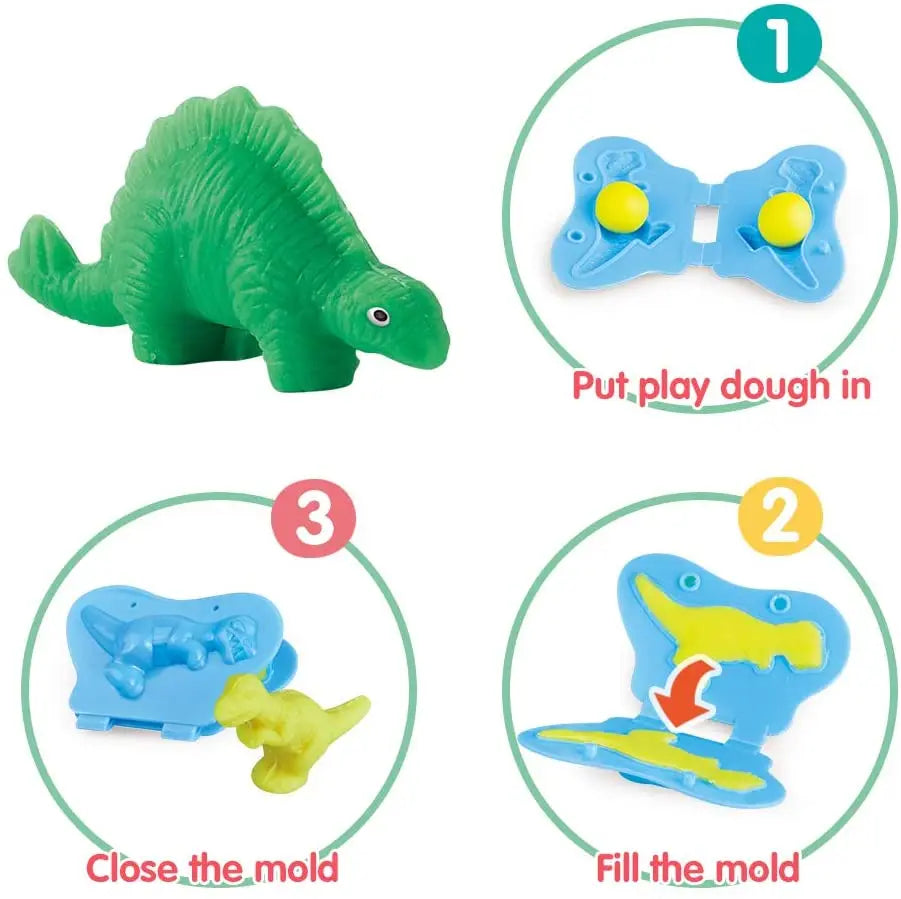
Toddler safe modeling clay kit for hands-on sensory play — See it in action
How This Improves Everyday Skills
Think about tasks like buttoning a shirt or holding a pencil. These require fine motor control developed early through sensory play.
With consistent use, children show:
- Improved handwriting readiness
- Greater independence in daily tasks
- Enhanced problem-solving skills
How to Choose the Right Kit for Your Child
- Check material safety: Look for non toxic labeling and certifications
- Match age appropriateness: Softer textures for toddlers, more complex kits for older kids
- Look for variety: Multiple colors and tools increase engagement
- Prioritize easy cleanup: Water-based formulas save time
A well-designed safest non toxic clay kits kids option should balance safety, fun, and ease of use.
For a ready-to-use option, explore this dinosaur playdough set designed for creative, safe play.
UPGRADE PLAN {'outline': [{'action': 'REMOVE', 'h2': 'How They Improve Real Development Outcomes', 'h3': [], 'focus': [], 'keywords': []}], 'trim': ['Why Non Toxic Sensory Toys Are Safer for Kids', 'Key Features That Make Them Better Than Alternatives']} Approved linked products: - dinosaur playdough set (/products/dinosaur-playdough-set) Product Rules - Keep all approved products. - Only approved products may contain affiliate links. - You may add real competitor products when useful. - Competitor products must not contain links unless already present. - Only create comparison tables when they genuinely improve the article. RULES - Apply every instruction in the Upgrade Plan. - Keep all existing affiliate links unchanged. - Keep all existing internal links unchanged. - Keep all existing image URLs unchanged. - Preserve sections such as Related Articles, Related Posts and Recommended Reading. - Avoid duplicate headings. - Insert new sections only where specified. - Improve clarity, topical coverage, EEAT and readability. - Expand weak sections only when required. - Use natural keyword placement. - Keep semantic HTML clean. YEAR UPDATE If visible article text contains "2005", replace it with "2026". Do not modify years inside: - URLs - href attributes - image filenames PART OUTPUT Return ONLY the rewritten HTML for PART 2. Do NOT output any HTML belonging to previous parts. Do NOT output any HTML belonging to later parts. Do NOT add explanations. Do NOT add markdown. The returned HTML must concatenate directly with the remaining article without any edits. OUTPUT REQUIREMENTS Return ONLY the rewritten HTML for PART 2. The output must be valid HTML and ready to publish. Do NOT return: - Markdown - Explanations - Notes - Code fences - JSON - XML Return ONLY the rewritten HTML fragment. Do NOT add , or . Do NOT add code fences. Do NOT add explanations.Non Toxic vs Traditional Toys: Side-by-Side Comparison
| Feature | Non Toxic Sensory Toys | Traditional Toys |
|---|---|---|
| Material Safety | Typically made without BPA, phthalates, or other commonly avoided chemicals and often tested to recognized safety standards. | Material quality varies widely and may include plastics or finishes that parents prefer to avoid. |
| Development Benefits | Encourages sensory exploration, fine motor development, creativity, and open-ended learning. | May focus primarily on entertainment with fewer opportunities for sensory engagement. |
| Ease of Use | Designed with soft textures and child-friendly features that suit developing hands. | Some toys can be rigid, complicated, or less suitable for younger children. |
| Maintenance | Many are washable or easy to wipe clean, depending on the material. | Cleaning requirements vary and some materials are harder to sanitize. |
| Parental Peace of Mind | Higher when products include clear material information and safety certifications. | Depends on the manufacturer and available safety information. |
When comparing products, it's worth considering both material safety and long-term value. A durable, well-tested sensory toy often lasts through years of imaginative play while supporting important developmental milestones.
Pairing sensory toys with other essentials from Health & Safety can help create a safer everyday environment for your child.
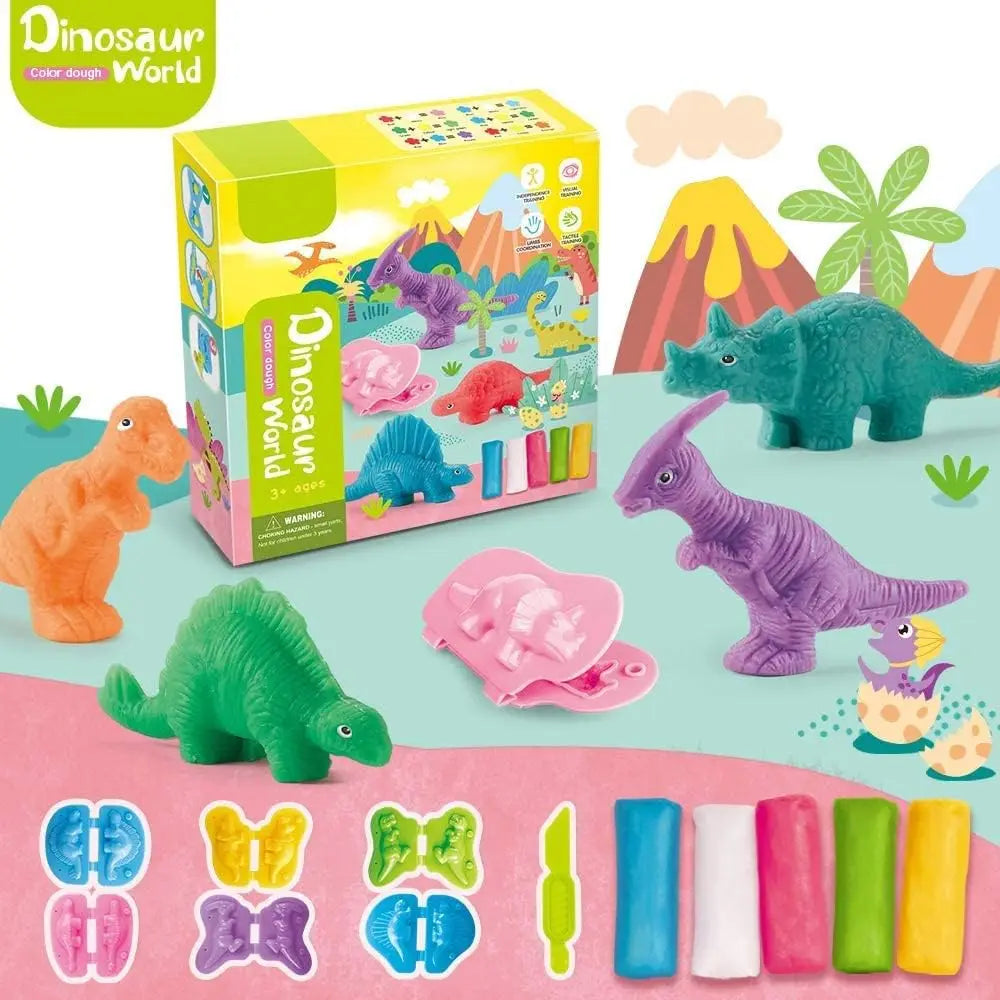
CE certified kids clay play set for safe creative fun — See it in action
Get yours now — limited stock!
Start safe, creative play today with the dinosaur playdough set and give your child a smarter way to learn.
Frequently Asked Questions
Are non toxic sensory toys safe for toddlers?
Yes. Non toxic sensory toys for toddlers are designed with age-appropriate materials and are intended to reduce exposure to potentially harmful chemicals. Always choose products that match your child's age and supervise play, especially when small parts are involved.
Are sensory toys safe for babies?
Many sensory toys are suitable for babies, provided they are specifically designed for infants. Look for products with appropriate age recommendations, smooth edges, durable construction, and materials that meet recognized toy safety standards.
How do I know a sensory toy is truly non-toxic?
Read the product description carefully and look for transparent information about materials, manufacturing, and safety testing. Reputable brands clearly identify whether products are BPA-free, phthalate-free, or made from food-grade or natural materials where appropriate.
What certifications should I look for?
Depending on your region, certifications such as CE or compliance with recognized toy safety regulations can indicate that a product has been tested against established safety requirements. Certification should be considered alongside the manufacturer's reputation and clear labeling.
Which materials are safest for sensory toys?
Popular choices include food-grade silicone, responsibly finished natural wood, organic fabrics, natural rubber, and high-quality BPA-free plastics designed for children's products. The best material depends on your child's age and how the toy will be used.
How often should sensory toys be cleaned?
Toys that are handled frequently should be cleaned regularly following the manufacturer's instructions. Modeling dough containers should be sealed after each use, silicone and plastic toys can usually be washed with mild soap and water, and fabric toys should be cleaned according to their care labels.
Pillar Article: Playing with Playdough Fine Motor Skills: Key Benefits Explained
Other Related Articles:
Explore More:





