

Safe Baby Toys: What to Look for and What to Avoid
Are non toxic toys for infants really safer?
Yes. Non toxic toys for infants help reduce unnecessary exposure to potentially harmful chemicals while also prioritizing age-appropriate design, durable construction, and safer materials. Choosing toys made from untreated wood, food-grade silicone, organic fabrics, or BPA-free plastics can support healthy sensory exploration during the months when babies naturally mouth and handle everything around them.
Non Toxic Toys for Infants Review Parents Trust Before Buying
⏱ 7 min read — Finding non toxic toys for infants isn't just about avoiding chemicals. The safest baby toys also match your child's developmental stage, meet recognized safety standards, and encourage healthy exploration. This guide explains what to look for before buying, how to identify truly safe materials, and why thoughtful toy selection supports both learning and peace of mind.
Have you ever picked up a baby toy and wondered whether it's actually safe once it ends up in your baby's mouth? That's one of the most common questions new parents ask—and for good reason.

Non toxic toys for infants designed for gentle, worry-free play. See it in action.
Safe Baby Toys: What Every Parent Should Know
Safe baby toys are designed to minimize both chemical and physical risks while supporting healthy development. A toy can be labeled non-toxic, but it should also be durable, age appropriate, free from choking hazards, and manufactured according to recognized safety standards.
When parents ask what baby toys are safe, the answer goes beyond materials alone. Look for toys that:
- Match your baby's recommended age range.
- Have securely attached parts that cannot detach during play.
- Use smooth finishes without splinters or sharp edges.
- Include transparent material and manufacturing information.
- Show compliance with recognized safety regulations.
Combining non-toxic materials with thoughtful design creates a safer environment for babies who naturally explore through touching, grasping, and mouthing.
How to Choose Safe Baby Toys
Check age recommendations
Always choose safe toys for infants that match your baby's current developmental stage. Age recommendations help reduce choking risks while ensuring toys are appropriate for emerging motor skills.
Look for safety certifications
Manufacturers that clearly state compliance with recognized safety standards demonstrate greater transparency. Product documentation should identify testing and material information whenever possible.
Inspect construction quality
Before each use, examine toys for loose parts, cracks, peeling paint, frayed fabric, or damaged stitching. Even high-quality toys should be inspected regularly because wear develops over time.
Avoid common hazards
- Small detachable pieces
- Long cords or ribbons
- Sharp edges
- Strong chemical odors
- Damaged or recalled products
Following these simple checks makes choosing safe baby toys much easier during every shopping trip.
Toy Safety Standards Explained
ASTM F963
ASTM F963 is a widely recognized toy safety standard in the United States. It covers mechanical safety, flammability, and limits on certain hazardous substances found in children's toys.
CPSIA requirements
The Consumer Product Safety Improvement Act (CPSIA) established limits for lead and certain phthalates while requiring testing for many children's products intended for young children.
EN71 overview
EN71 is the primary European toy safety standard and evaluates mechanical safety, chemical composition, and flammability requirements before products reach consumers.
Product recalls and safety alerts
Before purchasing or using older toys, check whether they have been recalled. Registering products when possible also makes it easier to receive future safety notifications.
What Makes a Toy Non-Toxic?
Non toxic baby toys are manufactured using materials intended to reduce unnecessary chemical exposure while maintaining durability and safety during everyday use.
- Untreated or responsibly sourced wood
- Water-based finishes and paints
- Organic cotton fabrics
- Food-grade silicone
- BPA-free plastics when plastic components are necessary
Materials to avoid
- Unknown plastic compositions
- Peeling paints or finishes
- Products with strong chemical odors
- Materials containing excessive heavy metals or restricted chemicals
BPA-free plastics
BPA-free plastics are generally preferred over older plastic formulations, but BPA-free does not automatically mean completely non-toxic. Parents should evaluate the overall material quality and manufacturing transparency.
Organic fabrics and untreated wood
Natural materials remain popular because they provide pleasant textures, simple sensory experiences, and fewer unnecessary coatings. They also fit well into minimalist play environments focused on healthy baby toys.
Many families also choose these toys because they align with broader wellness routines found in Baby Care Essentials and Health & Safety , where safety-first design is the priority.
Unsafe Materials and Hazards to Avoid
Choking hazards
Avoid toys with pieces that can fit entirely inside a standard choking hazard test cylinder. Buttons, beads, and loose decorations deserve extra attention.
Magnets and button batteries
Toys intended for infants should never expose strong magnets or button batteries. If swallowed, both can cause life-threatening injuries and require immediate medical attention.
Long cords and strings
Long strings, ribbons, and cords increase strangulation risks and should not be attached to infant toys unless specifically designed and safety tested for that purpose.
Damaged or recalled toys
Replace toys showing cracks, loose joints, broken stitching, or peeling finishes. Even quality toys eventually wear out and should be retired when safety can no longer be guaranteed.
Safe Baby Toys by Age
0–3 months
Soft sensory toys, lightweight rattles, high-contrast visual cards, and simple play gyms encourage visual tracking and early reaching without overstimulation.
3–6 months
Babies begin grasping more confidently, making textured rattles, silicone teethers, and non toxic baby toys 0-6 months ideal for sensory exploration.
6–12 months
As babies sit, crawl, and explore independently, stacking toys, activity cubes, nesting cups, and push toys help strengthen coordination while remaining safe for mouthing.
12 months and older
Toddlers benefit from larger building blocks, simple puzzles, shape sorters, and pretend-play toys that encourage imagination while remaining age appropriate.
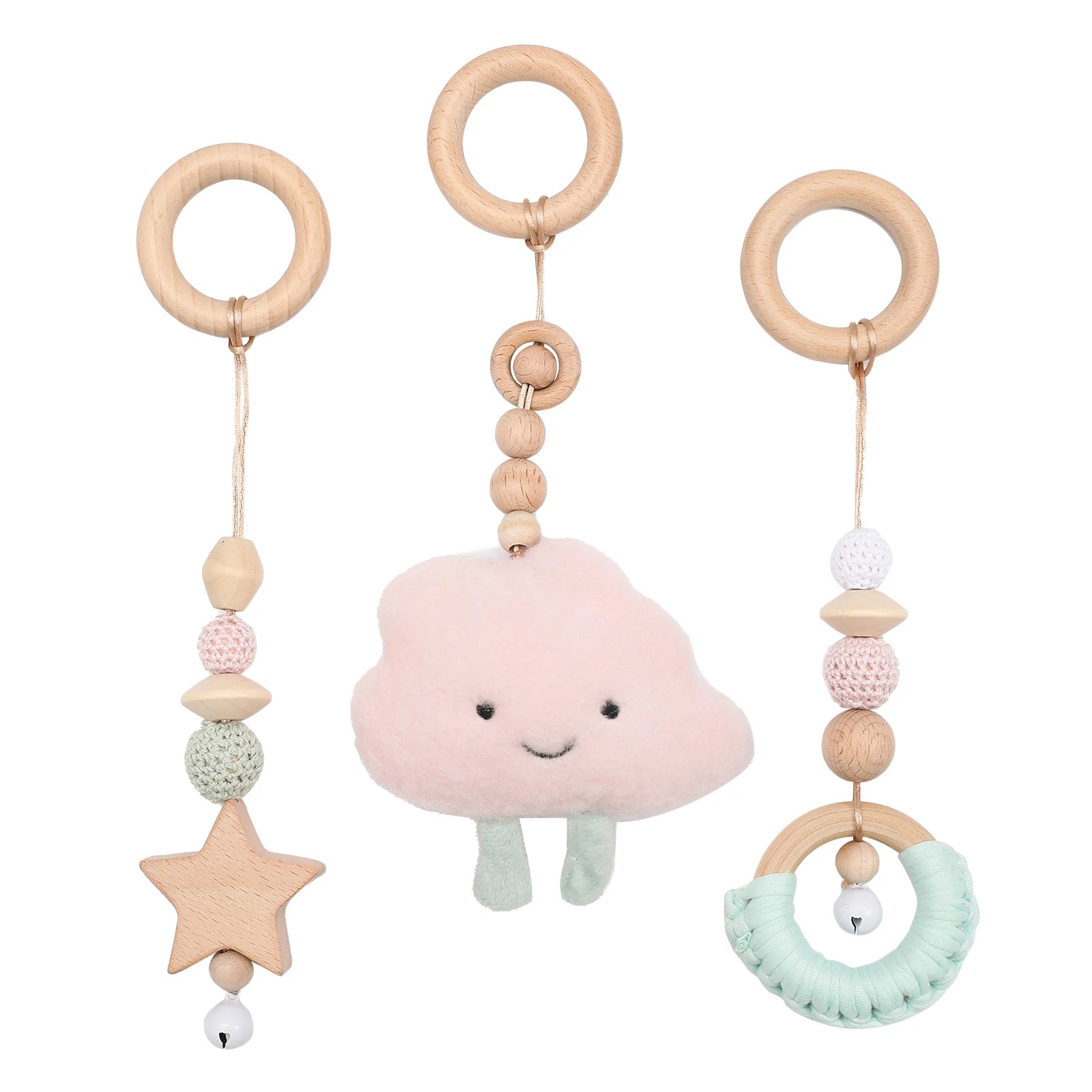
Non toxic baby toys that balance safety and development. See it in action.
How Safe Toys Support Healthy Development
Safe baby toys do much more than prevent injury. They create opportunities for babies to practice new skills without unnecessary distractions or hazards.
- Develop fine motor coordination through grasping and reaching.
- Encourage sensory learning with natural textures and gentle sounds.
- Promote visual tracking and hand-eye coordination.
- Support calm parent-child interaction during everyday play.
These benefits are closely tied to infant development principles often highlighted in Baby Growth & Learning collections.
Parents looking for a thoughtfully designed developmental toy may also consider the approved Baby Wooden Rattle Play Gym , which uses simple sensory elements to encourage reaching, grasping, and early exploration while fitting naturally into a minimalist play space.
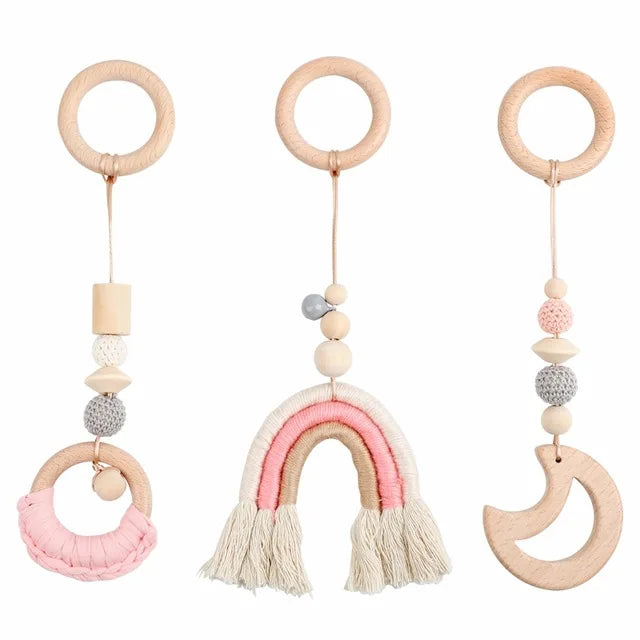
Safe toys for newborns that parents rely on. See it in action.
Cleaning, Sanitizing, and Storing Baby Toys Safely
Cleaning by material
Wooden toys should usually be wiped with a damp cloth and dried immediately. Silicone and many BPA-free plastic toys can often be washed using warm water and mild soap according to manufacturer instructions.
Disinfecting after illness
After a child has been sick, clean toys thoroughly before returning them to regular use. Always follow the manufacturer's cleaning recommendations to avoid damaging finishes or materials.
Safe storage
Store toys in clean, dry containers away from excessive heat and moisture. Rotate toys periodically to keep play engaging while reducing clutter.
Inspection routine
Make a habit of checking toys every few weeks for loose parts, cracks, worn finishes, or damaged seams. Prompt replacement helps maintain a consistently safe play environment.
Frequently Asked Questions
What baby toys are safe for newborns?
Safe toys for newborns include lightweight rattles, soft sensory toys, high-contrast visual toys, and simple play gyms made from baby-safe materials with no small detachable parts.
How do I choose safe baby toys?
Check age recommendations, verify safety standards, inspect construction quality, and select products made from well-documented materials that are appropriate for your baby's developmental stage.
What materials are safest for baby toys?
Untreated wood, organic cotton, food-grade silicone, and high-quality BPA-free plastics are among the most commonly recommended materials when manufactured according to recognized safety standards.
Are BPA-free toys automatically non-toxic?
No. BPA-free simply means a product does not contain BPA. Parents should also evaluate overall material quality, coatings, manufacturing practices, and safety testing.
How can I tell if a toy is a choking hazard?
Any toy with small removable pieces that could fit into a young child's mouth presents a potential choking risk. Follow the manufacturer's recommended age guidelines carefully.
How often should I inspect or replace baby toys?
Inspect toys regularly and replace them immediately if they become cracked, broken, loose, or show peeling finishes or damaged components.
How do I check whether a baby toy has been recalled?
Monitor official consumer product safety announcements, register products when available, and discontinue use immediately if a recall affects one of your baby's toys.
Can wooden toys be safer than plastic toys?
Wooden toys can be an excellent choice when they are well constructed, splinter-free, and finished with baby-safe coatings. However, both wooden and plastic toys can be safe when they meet recognized safety standards and are appropriate for your child's age.





