

Nylon vs Foam Which Kids Swim Training Vest Wins
Is a nylon kids swim vest better than foam for learning to swim?
Nylon kids swim vest designs balance comfort, controlled buoyancy, and freedom of movement better than bulky foam options. For most beginners, nylon helps kids stay upright while practicing kicks and strokes, builds confidence faster, and avoids the stiff feel that can slow real swim progress in pools.
Nylon vs Foam: Which Kids Swim Training Vest Wins
⏱ 6 min read
Choosing a swim vest shouldn’t feel overwhelming—but for many parents, it does. Should you pick soft nylon or structured foam? Which option actually helps kids learn to swim instead of just floating? This guide breaks down the real differences so you can choose with confidence and keep pool time safe, calm, and fun.
Which swim vest actually helps kids learn faster? Keep reading to see where each option shines—and where it falls short.
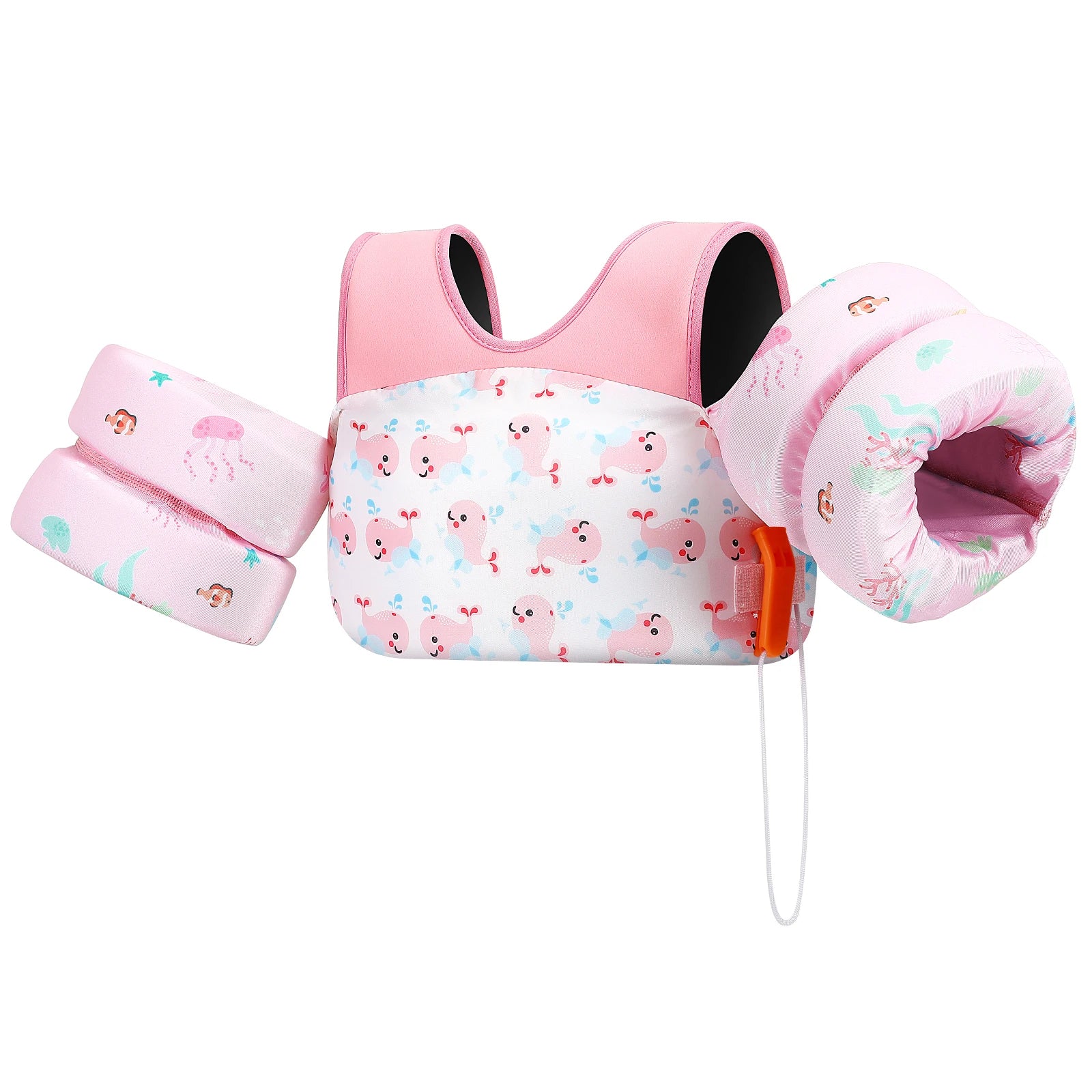
Nylon kids swim vest for youth learning balance and confidence 💡 See it in action
Why Material Choice Matters for Swim Progress
Swim vests aren’t just about floating—they shape how kids move, breathe, and build confidence. The wrong material can make arms feel trapped or keep a child too vertical, slowing skill development. The right one supports natural movement while reducing fear.
- Too stiff → kids rely on flotation instead of learning
- Too bulky → restricted arm and torso movement
- Balanced support → faster comfort and real swimming skills
That’s why comparing nylon and foam matters more than most parents realize.
What Is a Nylon Kids Swim Vest?
Nylon kids swim vest styles use a soft outer fabric with internal buoyancy panels. They’re designed to hug the torso, distribute lift evenly, and allow kids to kick, paddle, and rotate naturally in the water.
Direct answer: A nylon kids swim vest offers flexible support that keeps children afloat while allowing natural arm and leg movement. This balance helps beginners practice strokes safely, reduces panic, and supports faster skill-building compared to rigid flotation.
Why Parents Prefer Nylon
- Comfortable against skin, even when wet
- Adjustable straps for secure fit
- Less bulky for easier movement
- Encourages horizontal swim position
Many parents pair swim training with confidence-building tools from Baby Growth & Learning collections to support steady progress both in and out of the pool.
👉 Curious how modern swim vests are designed? Explore details on the kids swim vest here.
What Is a Foam Swim Vest?
Foam swim vests rely on thick flotation blocks stitched inside fabric panels. They’re durable and provide strong lift, which can feel reassuring for first-time water exposure.
Direct answer: Foam swim vests provide strong buoyancy and stability, but their stiffness can limit movement. They’re helpful for early water comfort, yet may slow skill development once kids are ready to kick, paddle, and rotate freely.
Where Foam Works Best
- Very nervous first pool sessions
- Short, supervised water play
- Situations needing extra lift
For overall child water safety, parents often explore complementary gear from Health & Safety collections alongside swim vests.
Nylon vs Foam: Side-by-Side Comparison
| Feature | Nylon Kids Swim Vest | Foam Swim Vest |
|---|---|---|
| Comfort | Soft, flexible, less chafing | Firm, can feel bulky |
| Movement | Encourages natural strokes | Restricts arms and torso |
| Buoyancy Control | Balanced, skill-focused | Strong, float-first |
| Learning Speed | Faster progression | Slower once basics start |
For families juggling lessons, schedules, and safety planning, organizing routines with tools from Mobility & Training can make pool days smoother.
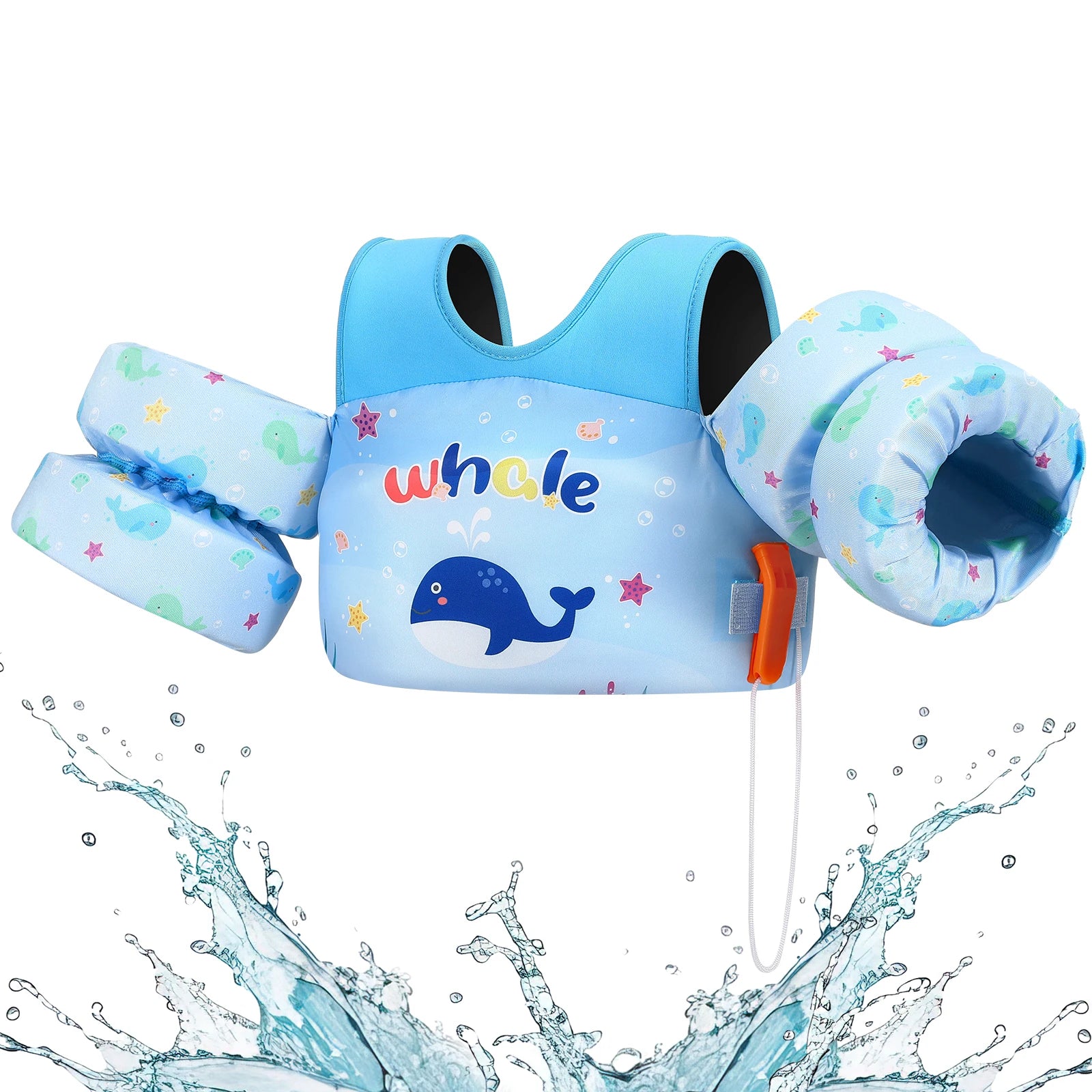
Swim vest for youth practicing kicks and balance 💡 See it in action
Swim Vest vs Life Jacket: What Parents Get Wrong
This is one of the most common points of confusion.
Direct answer: A swim vest for youth is designed for supervised swim training, while a life jacket is meant for emergency flotation in open water. Swim vests support learning and movement; life jackets prioritize maximum buoyancy and survival, not skill development.
- Swim vest → pools, lessons, active practice
- Life jacket → boating, lakes, unpredictable water
Understanding this difference improves safety and prevents false confidence in the wrong setting.
Which Swim Vest for Youth Fits Each Age?
Age and comfort level matter more than height alone.
- Ages 2–3: Light support, short sessions, calm pools
- Ages 4–6: Nylon vest for skill building and confidence
- Ages 7+: Reduced flotation as skills improve
- All ages: Close supervision, consistent practice
Parents often combine swim practice with calming routines from Baby Bath Accessories to help kids associate water with comfort instead of stress.
👉 Want a vest that adapts as skills grow? See how this kids swim vest supports progression.
Pool Safety Tips That Matter More Than Gear
Even the best vest is only one piece of the puzzle.
- Always supervise—arms-length rule for beginners
- Practice floating and rolling, not just standing
- Keep sessions short to avoid fatigue
- Rinse and dry vests after every use
Families focused on safer routines often browse Health & Safety Tips for additional guidance that complements swim training.
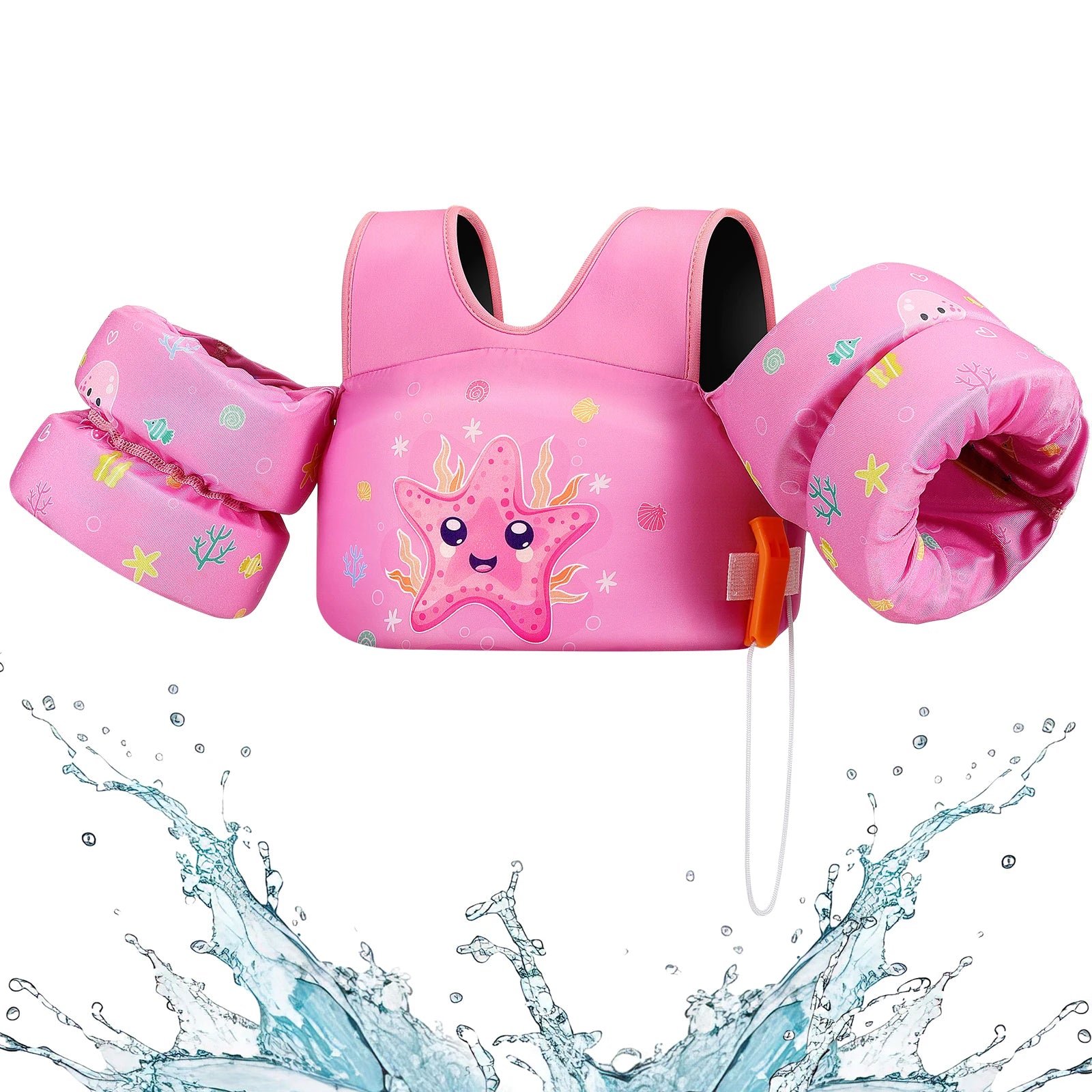
Swim vest vs life jacket comparison for safer pool time 💡 See it in action
Final Verdict: Which One Wins?
For most families focused on real swimming skills, nylon comes out ahead. It balances safety with movement, helping kids feel supported without being stuck in place. Foam still has a role—but mainly for very early exposure or short, calm sessions.
Bottom line: If your goal is confident, capable swimmers, a nylon kids swim vest is usually the smarter long-term choice.
👉 Ready to support safer, happier swim practice? Explore the kids swim vest trusted by parents for everyday pool learning.
Quick Parent FAQs
Do swim vests replace adult supervision?
No. Swim vests assist flotation but never replace close, active supervision during pool time.
Can kids wear a swim vest all day?
Short, focused sessions are best. Breaks prevent fatigue and help kids stay relaxed and confident.
How tight should a swim vest fit?
Snug but comfortable. It should stay in place when lifted gently at the shoulders.
Is nylon safe for sensitive skin?
Most nylon vests are lined for comfort and dry quickly, reducing irritation compared to stiff foam.
Related Guide: Best Swim Vest for Kids Side-by-Side Comparison





