

Outdoor Party Games for Family: Top 12 Face-Off
Do toys for hand eye coordination really work?
Toys for hand eye coordination work by training the brain to process visual input and guide precise physical movement in real time. The best designs combine repetition, challenge, and fun—like outdoor toss games and lawn games for families—to strengthen reflexes, timing, and focus while keeping kids actively engaged.
Toys for Hand Eye Coordination: What Makes Them Work
Toys for hand eye coordination do far more than keep kids busy—they quietly build focus, timing, and brain-body connection through playful challenges. The right hand eye coordination toy turns simple coordination improvement exercises into exciting outdoor toss games and lawn games for families that strengthen reflexes and confidence. But what exactly makes certain toys accelerate skill growth while others fall flat?
⏱ 7 min read
Does your child struggle to catch a ball, stay focused during activities, or feel frustrated during sports? You’re not alone. Many parents wonder whether the right toys can truly improve coordination—or if it’s just another trend.
Which toy actually builds real skills instead of collecting dust? Read on!
👉 Discover how playful challenges can boost focus and reflexes today
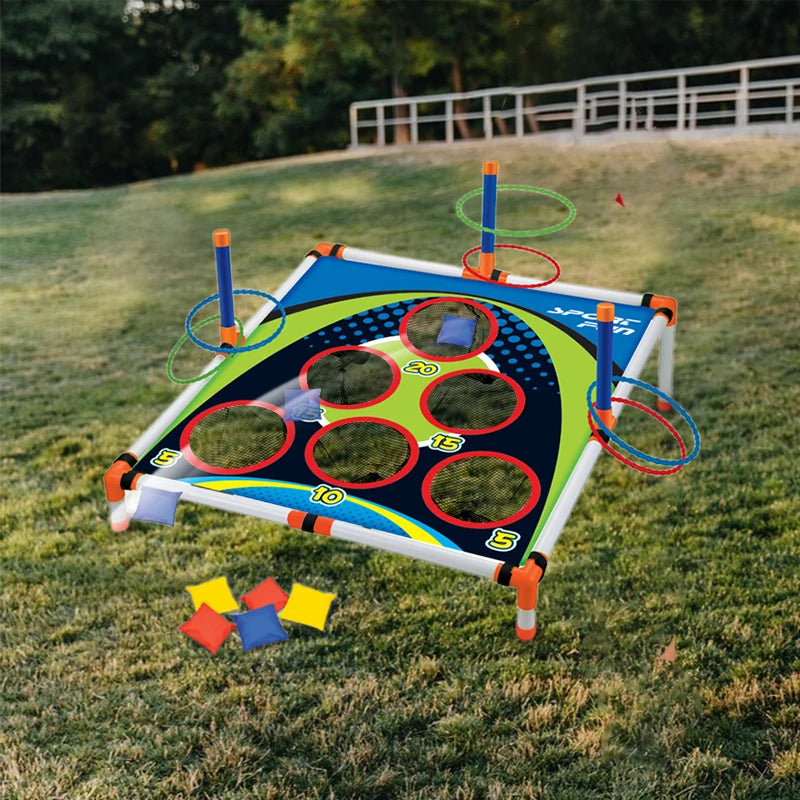
Toys for hand eye coordination in action — build skills through outdoor toss games 💡 See it in action
Why Strong Coordination Changes Everything
Hand-eye coordination isn’t just about sports. It supports:
- Early writing skills
- Reading fluency (tracking across lines)
- Self-feeding and dressing
- Confidence in group play
When kids repeatedly connect what they see with how they move, neural pathways strengthen. Over time, those small coordination improvement exercises lead to smoother, faster, and more confident actions.
Parents who explore Baby Growth & Learning often notice that movement-based play supports cognitive milestones just as much as traditional learning toys.
How Toys for Hand Eye Coordination Train the Brain
Toys for hand eye coordination improve timing and accuracy by forcing the brain to calculate distance, speed, and direction instantly. Repeated throws, catches, and target hits build faster reaction times and sharper focus.
1. Visual Tracking
Kids learn to follow moving objects with their eyes. This skill directly supports reading and sports performance.
2. Motor Planning
The brain predicts where to move the hand before the body reacts. Outdoor toss games are especially effective here.
3. Instant Feedback
Did the bean bag land on the board? Immediate success or failure helps children adjust technique quickly.
4. Progressive Challenge
Stepping farther back or aiming for smaller targets increases difficulty naturally.
Unlike passive screen-based entertainment, lawn games for families keep kids moving while learning.
What Makes a Hand Eye Coordination Toy Effective?
Not all toys are equal. The most effective ones share these features:
- Clear visual targets
- Safe, soft materials
- Scalable difficulty
- Engaging, competitive elements
- Portability for indoor and outdoor use
Many parents browsing Sensory Toys discover that tactile feedback also enhances motor skill development.
But when it comes to full-body coordination, few options match structured outdoor toss games.
Why the Portable Cornhole Game Delivers Real Results
Toys for hand eye coordination like a portable cornhole set stand out because they combine repetition, challenge, and measurable progress. Kids aim, throw, adjust stance, and refine technique—turning simple play into structured coordination improvement exercises that strengthen timing, focus, and accuracy.
The Portable Cornhole Game transforms casual backyard play into skill-building fun.
👉 Learn how to choose the right coordination-building game for your family
Key Benefits
- Improves throwing accuracy through repetition
- Builds focus by aiming at a defined target
- Encourages family bonding
- Lightweight and easy to set up anywhere
What Parents Notice
Parents report improved catching skills within weeks of consistent backyard sessions. Kids who previously avoided ball games begin participating more confidently.
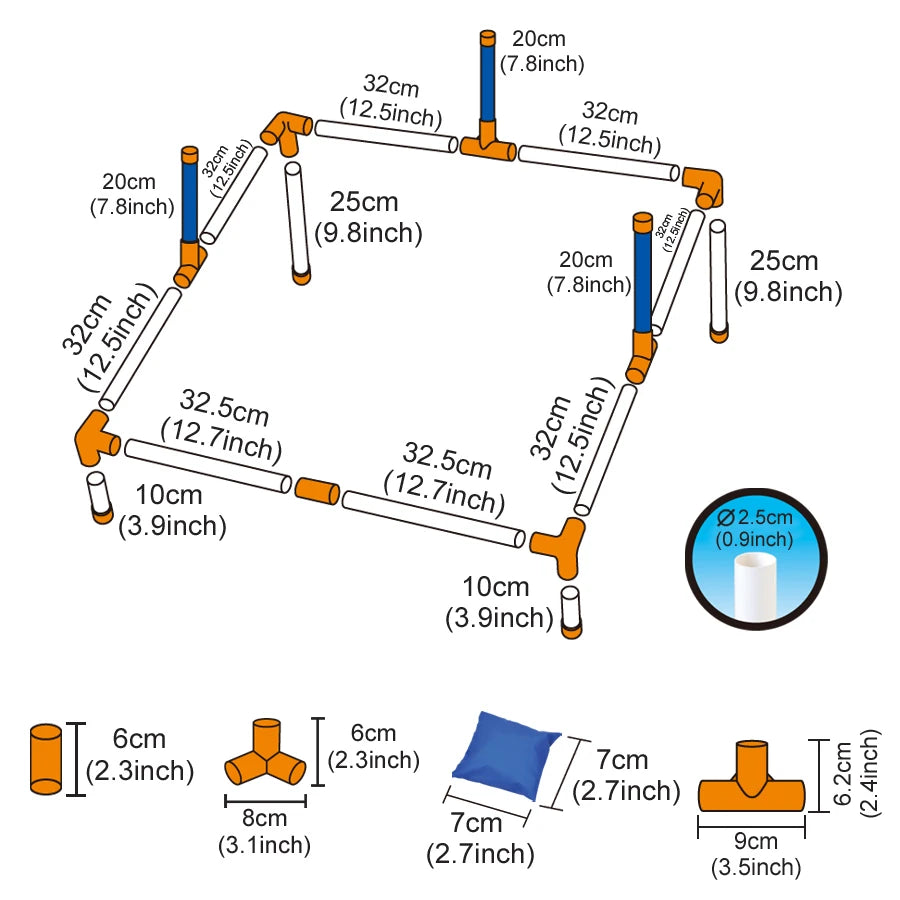
Hand eye coordination toy that turns play into measurable improvement 💡 See it in action
Comparison: Outdoor Toss Games vs. Passive Toys
| Feature | Outdoor Toss Games | Passive Toys |
|---|---|---|
| Full-body movement | ✅ Yes | ❌ Limited |
| Adjustable difficulty | ✅ Distance-based | ❌ Fixed |
| Social interaction | ✅ Family play | ❌ Often solo |
| Outdoor activity | ✅ Encouraged | ❌ Rare |
While fine-motor tools found in Mobility & Training support developmental stages, combining them with lawn games for families accelerates whole-body coordination.
How to Turn Play Into Coordination Improvement Exercises
- Start close to the target to build early success.
- Gradually increase distance every few sessions.
- Add friendly scoring for motivation.
- Encourage non-dominant hand practice.
- Schedule 15-minute play sessions 3–4 times weekly.
Consistency matters more than intensity. Short, joyful sessions build better long-term results.
Pair active play with structured learning tools from Baby Growth & Learning Tips to support cognitive and physical development together.
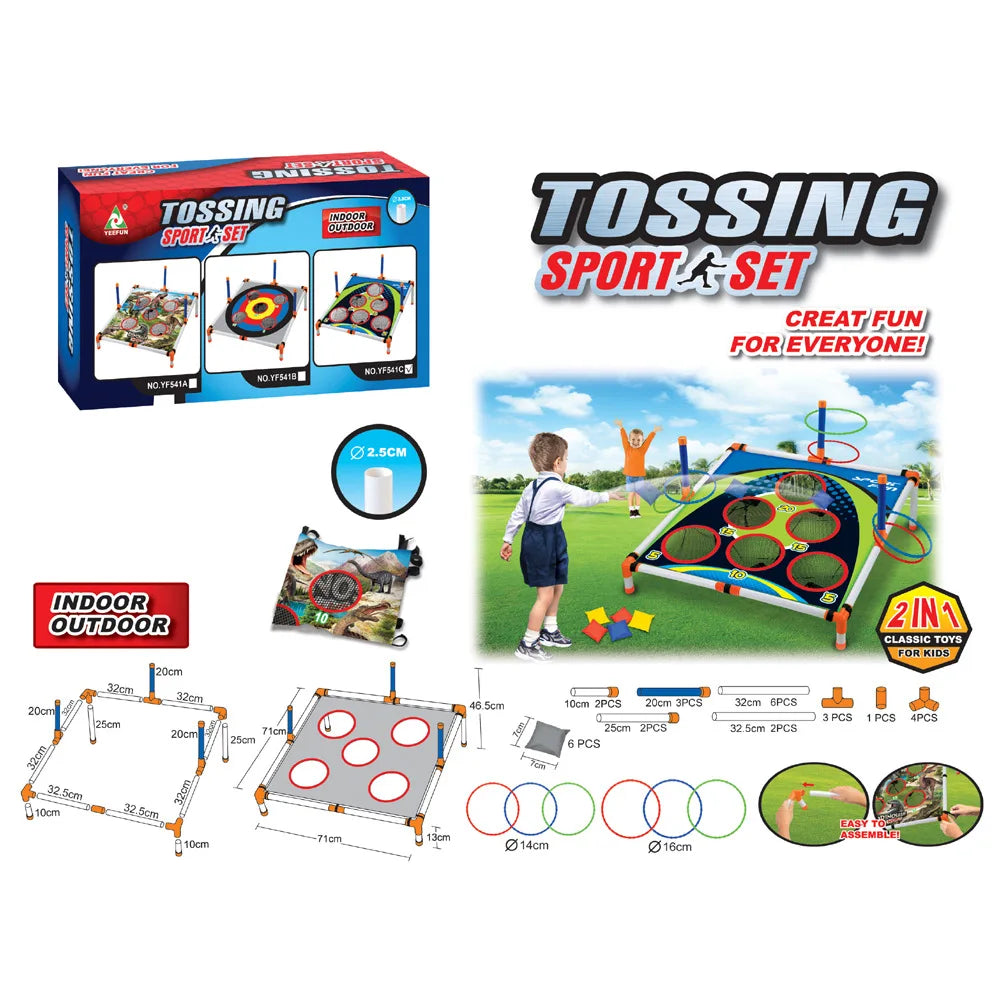
Outdoor toss games strengthen reflexes and focus — toys for hand eye coordination that grow with your child 💡 See it in action
Pros and Considerations
- ✅ Encourages outdoor movement
- ✅ Builds measurable throwing accuracy
- ✅ Portable for parks and backyard gatherings
- ❌ Requires space
- ❌ Best results need consistency
Compared to digital-only options, a physical hand eye coordination toy provides real-world depth perception and muscle feedback that screens simply cannot replicate.
👉 Get yours now — limited stock!
If you’re ready to support motor skill development while creating lasting family memories, the Portable Cornhole Game offers a simple, proven solution.
Mini FAQ
At what age should kids start using toys for hand eye coordination?
Simple tossing and target games can begin as early as preschool. Adjust distance and target size based on ability.
How long before improvement shows?
With 10–15 minutes of play several times weekly, many families notice smoother catching and throwing within 3–6 weeks.
Are outdoor toss games better than small tabletop toys?
Both help, but outdoor toss games engage larger muscle groups and depth perception, creating faster overall coordination growth.
Can lawn games for families help shy kids?
Yes. Structured scoring and predictable turns reduce pressure, helping children build confidence socially and physically.
Strong coordination isn’t built overnight—but with the right toys for hand eye coordination, it becomes part of joyful, everyday play.
Related Guide: Outdoor Yard Games: Best Picks Compared for 2026





