

Pedal Free Bike Benefits Parents Notice After the First Week
Do pedal free bikes really help toddlers learn faster?
Pedal free bike benefits appear quickly because children focus on balance and steering first, not pedaling. Within days, many toddlers show better posture, smoother coordination development, and stronger confidence. This simple design supports gross motor development in early childhood while reducing frustration and falls during the learning phase.
Pedal Free Bike Benefits Parents Notice After the First Week
⏱ 7 min read
Pedal free bike benefits become clear sooner than many parents expect. Instead of weeks of wobbling and tears, families often see confidence, control, and smiles within days. These bikes remove the hardest part—pedaling—so kids can focus on balance, movement, and joy. What really changes after just one week?
If you’ve ever wondered whether a pedal free bike is “worth it” or just another short-lived toy, you’re not alone. Parents worry about safety, value, and whether their child will actually use it. The first week often answers those doubts faster than expected.
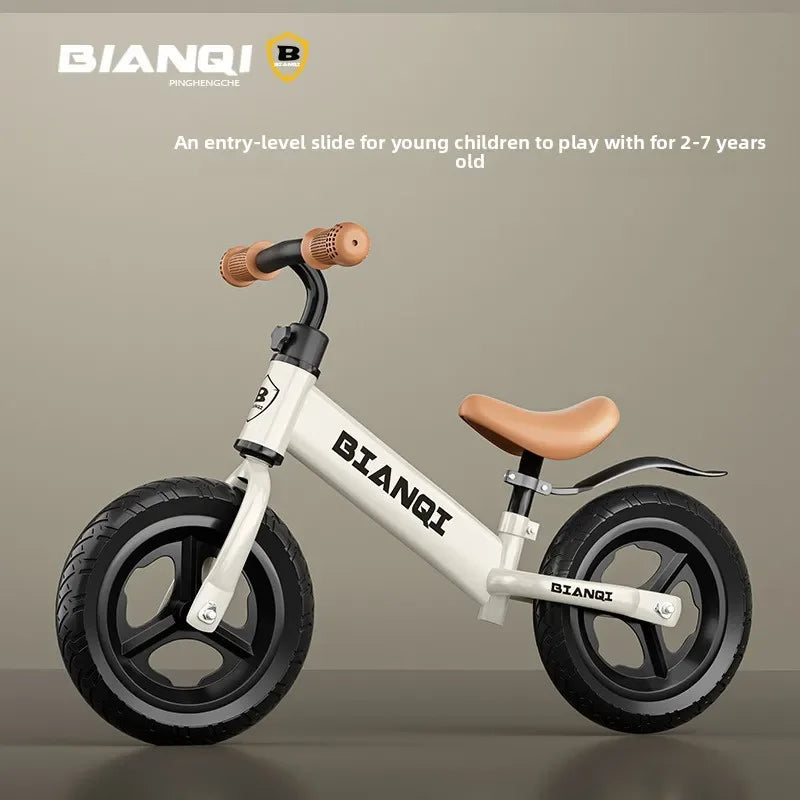
Pedal free bike benefits support balance and coordination development early on 💡 See it in action
What Changes Parents Notice in the First Week
The first week with a pedal free bike often feels surprisingly calm. Instead of constant spotting and reminders, parents notice their child experimenting independently. Short daily rides add up quickly, and small wins appear fast.
- Less fear when pushing off
- Smoother turns without sudden stops
- Improved awareness of surroundings
- Longer play sessions without frustration
These early wins build momentum. Kids want to ride again the next day, which accelerates learning without pressure.
How Pedal Free Bike Benefits Build Balance and Confidence
Pedal free bike benefits shine because balance becomes the main skill, not an afterthought. By placing both feet close to the ground, children feel secure while learning to glide.
Within the first week, many parents see fewer sudden falls and more controlled stops. Confidence grows because kids feel in control of their own movement.
Why balance comes first
- Feet-down design reduces fear
- Natural body alignment encourages stability
- No pedals means fewer distractions
- Children self-correct faster
This confidence often carries into other activities, from climbing playground steps to navigating uneven ground.
Why Coordination Development Feels So Natural
Coordination development improves rapidly when kids steer, push, and stop using their whole body. Pedal free bikes encourage intuitive movement instead of memorized steps.
Parents often notice better hand-eye coordination and smoother transitions between walking and riding. The bike becomes an extension of the child’s body rather than a tool they must “figure out.”
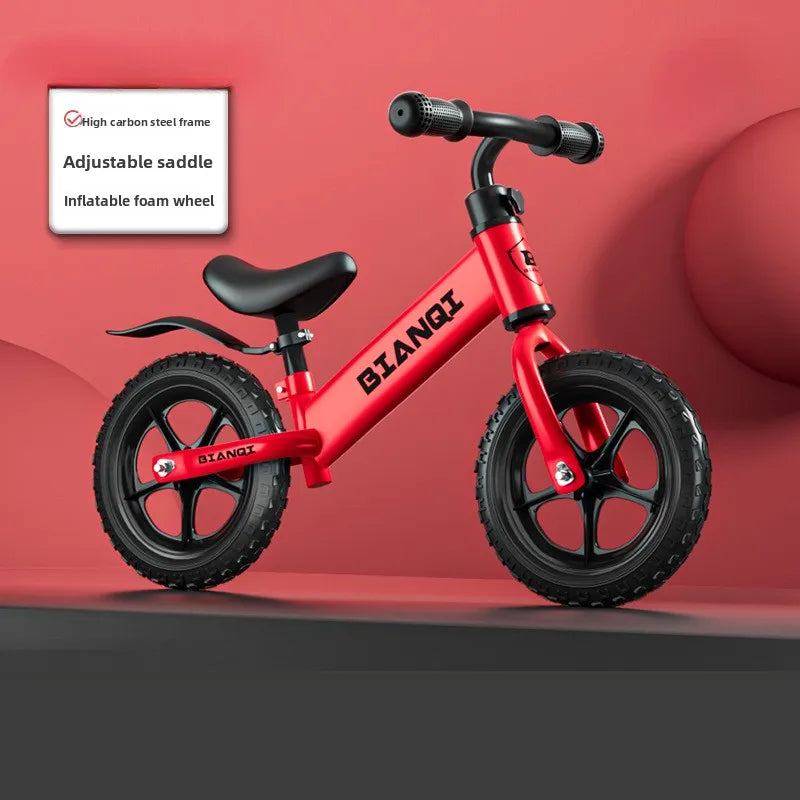
Coordination development improves through daily riding 💡 See it in action
Supporting Gross Motor Development in Early Childhood
Gross motor development in early childhood relies on repeated, enjoyable movement. Pedal free bikes encourage kids to move longer without fatigue or boredom.
In just one week, parents often see stronger leg push-offs, improved posture, and better endurance during outdoor play.
- Strengthens core and leg muscles
- Encourages upright posture
- Improves spatial awareness
- Supports active daily routines
These gains create a strong physical foundation before transitioning to pedal bikes later.
Understanding Balance Bike Ages and Timing
Balance bike ages typically range from 18 months to 5 years, depending on height and confidence. Many parents are surprised how early kids can start.
The first week often confirms whether the timing is right. If your child can walk steadily and push with both feet, they’re usually ready to benefit.
Choosing the right size matters more than age alone. Adjustable seats allow the bike to grow alongside your child, extending its value.
Pedal Free Bikes vs Traditional Training Wheels
| Feature | Pedal Free Bike | Training Wheel Bike |
|---|---|---|
| Focus Skill | Balance & coordination | Pedaling first |
| Learning Speed | Fast, natural | Often slower |
| Confidence Level | High early on | Can be inconsistent |
| Transition to Pedals | Smoother | Often challenging |
This comparison explains why many parents skip training wheels entirely after seeing first-week progress.
Real Parent Experiences After One Week
Many parents report similar stories. One mom shared that her 2-year-old went from hesitant steps to confident gliding in just five days. Another dad noticed fewer falls and more laughter during evening rides.
These early results build trust. Parents feel reassured they made a smart choice that supports long-term skills, not just short-term fun.
Why This Pedal Free Bike Stands Out
This pedal free bike stands out by combining thoughtful design, sturdy materials, and child-focused ergonomics. Parents appreciate the smooth steering, lightweight frame, and adjustable fit that adapts as kids grow.
- Lightweight for easy control
- Stable frame for safety
- Adjustable seat height
- Designed for daily use
Explore the full details on the baby balance bike learning toddler page to see how it supports confident riding from day one.
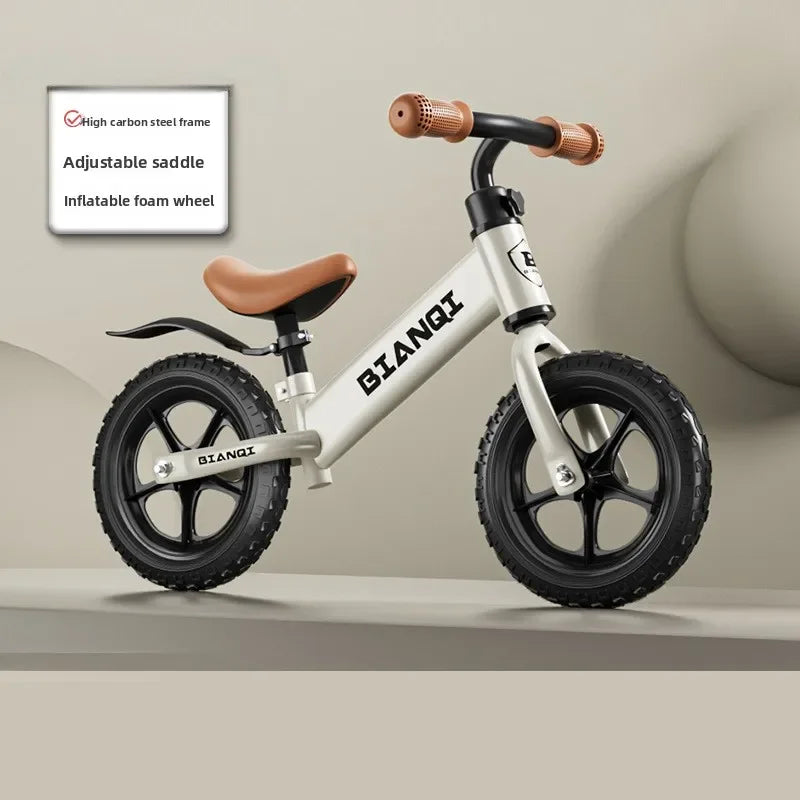
Pedal free bike benefits build lasting confidence 💡 See it in action
Quick FAQs Parents Ask
How soon do pedal free bike benefits appear?
Most parents notice improvements in balance and confidence within the first week of regular use.
Are pedal free bikes safe for toddlers?
Yes, when used with supervision and proper sizing, they offer a stable, low-risk way to learn balance.
Will my child transition easily to a pedal bike later?
Children who master balance early often transition to pedal bikes faster and with fewer frustrations.
Related Guide: Buy Toddler Balance Bike Online: Honest Review and Parent Verdict





