

What makes a pediatric ear care device safe for young ears?
A pediatric ear care device protects delicate ear canals by combining soft-tip tools, controlled depth, and enhanced visibility. Designs using lighted ear curettes support safe earwax removal methods while reducing fear of ears being touched, helping parents clean gently without guesswork or discomfort.
Pediatric Ear Care Device Features That Protect Young Ears
⏱ 8 min read
A pediatric ear care device can change how families handle ear hygiene by prioritizing comfort, visibility, and trust from the start. Parents often struggle with fear of ears being touched, yet modern designs now use lighted ear curettes to improve precision while reducing guesswork. When paired with safe earwax removal methods, these tools help protect delicate canals and avoid painful mistakes. The real surprise is how the right features can turn a stressful routine into a calm moment—so which ones actually matter most?
Explore gentle solutions designed for young ears
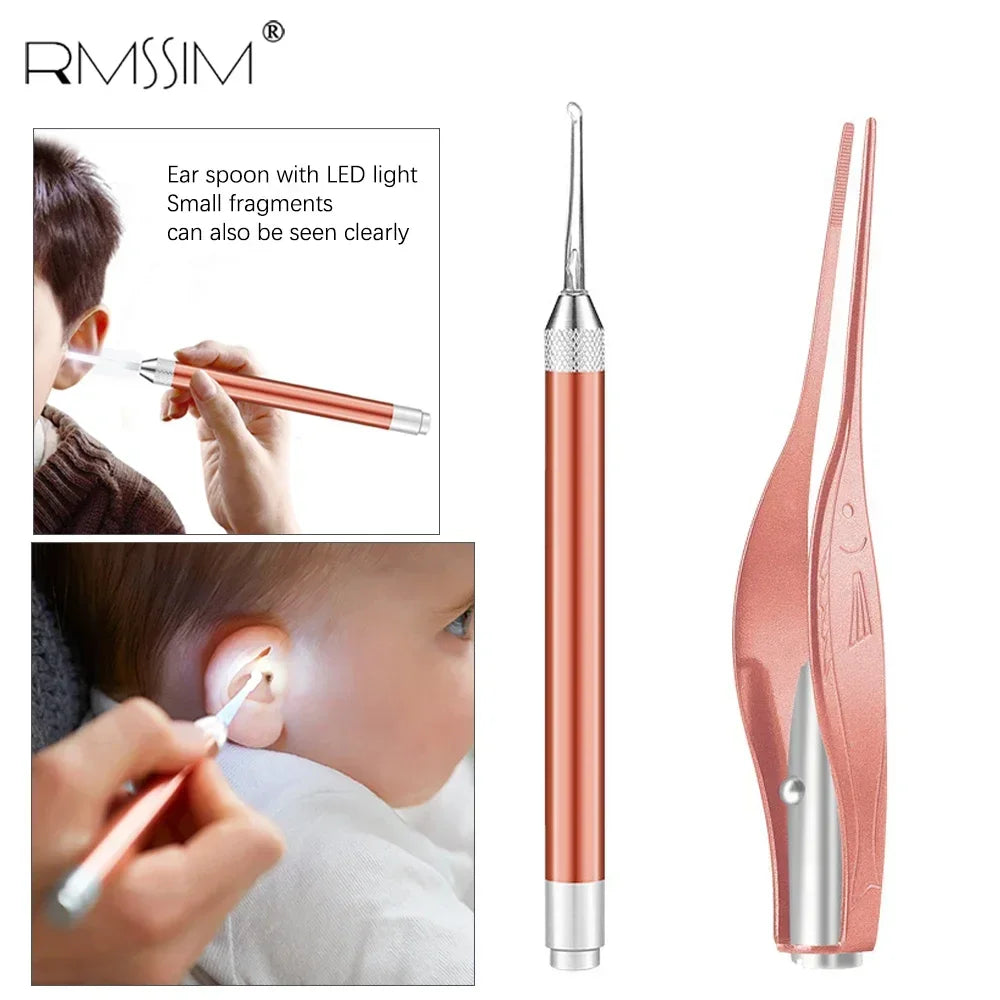
A pediatric ear care device with lighted ear curettes improves visibility for safe earwax removal 💡 See it in action
Why Gentle Ear Care Matters for Children
Children’s ear canals are narrower, softer, and far more sensitive than adult ears. Even small mistakes can cause discomfort or push wax deeper. That’s why pediatric-focused tools exist—to reduce pressure, improve control, and support safe earwax removal methods at home.
Many parents delay ear cleaning because of fear of ears being touched. Crying, flinching, or past painful experiences can make routine hygiene feel overwhelming. A thoughtfully designed pediatric ear care device addresses these worries by making the process calmer and more predictable.
What Is a Pediatric Ear Care Device?
A pediatric ear care device is designed specifically for children’s ear anatomy, using soft materials, controlled depth tips, and often lighted ear curettes. These features help parents remove visible earwax gently while minimizing risk to the ear canal and eardrum.
Unlike cotton swabs or improvised tools, these devices focus on prevention and protection. They are built to guide parents visually and physically, reducing accidental pokes and supporting better hygiene habits over time.
How Better Visibility Reduces Risk During Ear Cleaning
One of the biggest dangers in ear cleaning is working blind. Lighted ear curettes change that completely. By illuminating the ear canal, parents can clearly see wax buildup and avoid unnecessary contact with sensitive skin.
- Improved accuracy without pushing wax deeper
- Less pressure needed for removal
- Lower chance of accidental scratches
- Increased confidence for first-time parents
Visibility also shortens cleaning time. When parents can see what they’re doing, children spend less time sitting still, reducing anxiety and resistance.
Helping Kids Overcome Fear of Ears Being Touched
Fear of ears being touched is common, especially after doctor visits or past discomfort. A pediatric ear care device helps rebuild trust by offering a slower, gentler experience that parents can control at home.
Parents often report that children respond better when they can see the tool, understand what’s happening, and feel less pressure. Soft tips and warm lighting make the process feel less clinical and more familiar.
Discover comfort-focused tools in Baby Care Essentials
Safe Earwax Removal Methods Explained
Safe earwax removal methods focus on removing only visible wax without entering too deeply. Pediatric ear care devices are designed to stop at safe depths, preventing contact with the eardrum.
- Inspect the ear using built-in lighting
- Gently scoop visible wax only
- Avoid flushing or forceful scraping
- Clean tools thoroughly after use
Compared to cotton swabs, these methods significantly reduce the risk of impacted wax and irritation.
Feature Breakdown That Protects Young Ears
Not all ear tools are created equal. The most effective pediatric ear care device includes features that directly address safety and comfort.
| Feature | Benefit |
|---|---|
| Soft silicone tips | Reduces irritation and scratching |
| Lighted ear curettes | Improves visibility and accuracy |
| Depth control | Prevents over-insertion |
| Ergonomic handle | Better grip for steady movement |
These features work together to create a safer experience, especially for young children who move unexpectedly.
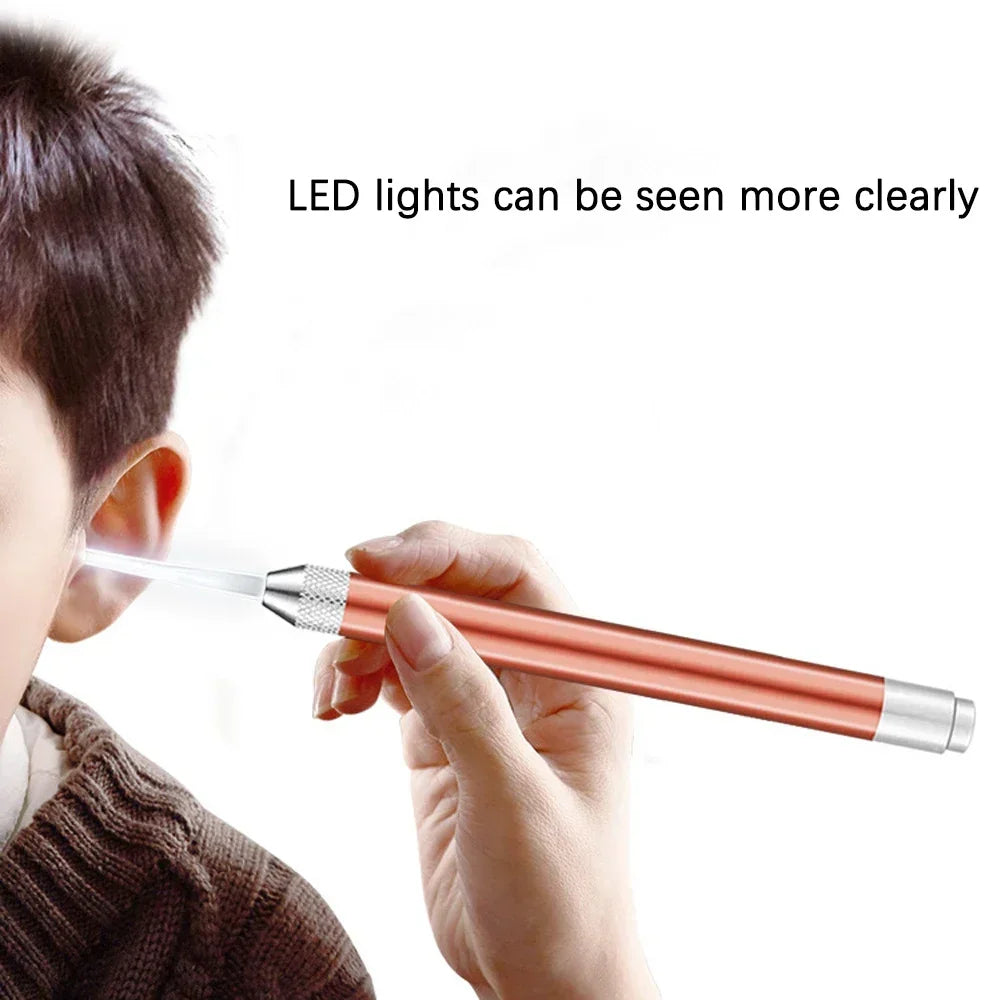
Lighted ear curettes support safe earwax removal methods 💡 See it in action
Real Parent Experiences With Gentle Ear Cleaning
Many parents share that switching to a pediatric ear care device transformed their routine. One parent noted that their toddler stopped resisting after just two uses, thanks to the gentle light and soft tip.
Another family reported fewer pediatrician visits for earwax buildup after adopting safer at-home methods. These stories highlight how the right features reduce stress for both parents and children.
How to Use a Pediatric Ear Care Device Safely
Using a pediatric ear care device correctly is just as important as choosing the right one.
- Ensure your child is calm and seated
- Turn on the light for clear visibility
- Gently remove only visible wax
- Stop immediately if your child feels discomfort
Pairing ear care with other calming routines—like bath time—can further reduce fear of ears being touched.
See how this pediatric ear care device fits your family
Comparing At-Home Ear Care Options
Parents often compare cotton swabs, drops, and pediatric ear care devices. The biggest difference comes down to visibility and control.
- ❌ Cotton swabs: push wax deeper
- ⚠️ Drops: unpredictable results
- ✅ Pediatric ear care device: controlled, visible, gentle
This comparison helps parents choose tools that align with safety-first parenting.
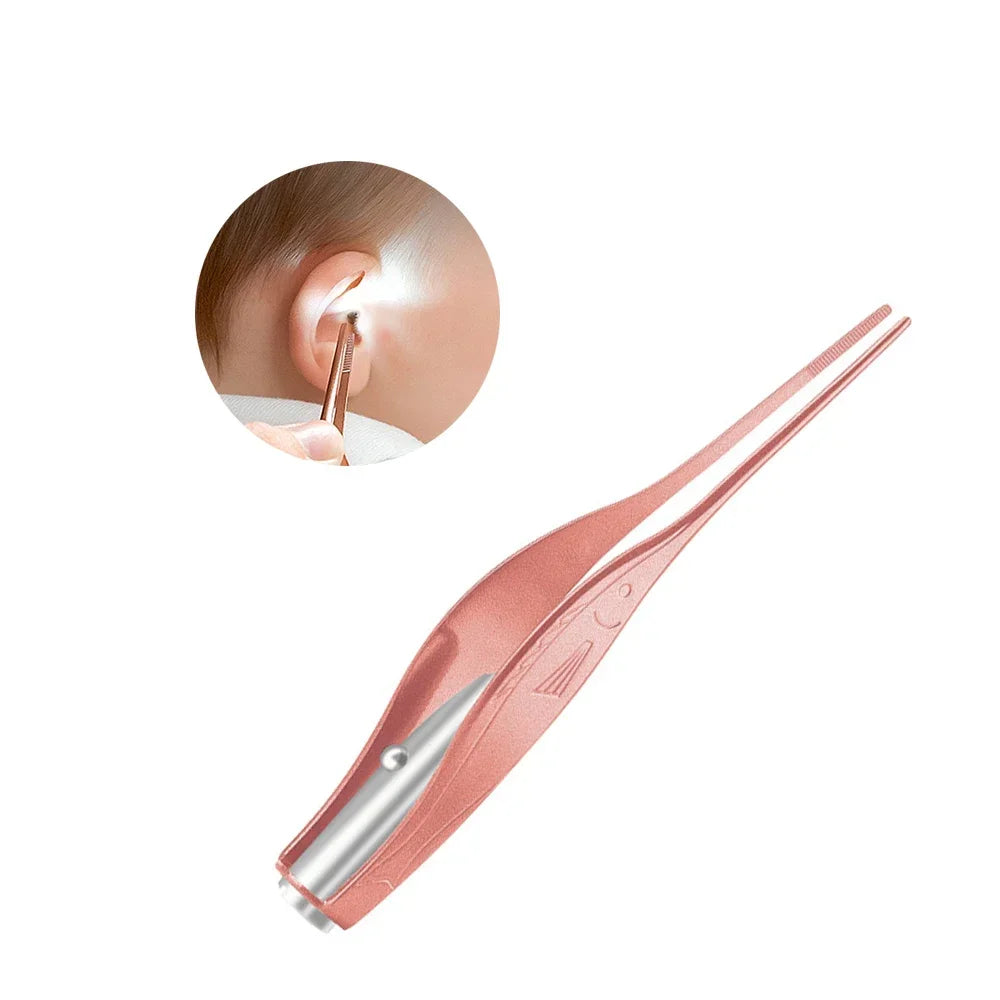
A pediatric ear care device designed to ease fear of ears being touched 💡 See it in action
Frequently Asked Questions
Is a pediatric ear care device safe for toddlers?
Yes. When used as directed, a pediatric ear care device with soft tips and lighted ear curettes supports safe earwax removal methods and minimizes irritation.
How often should children’s ears be cleaned?
Most children only need occasional cleaning when visible wax appears. Over-cleaning can increase sensitivity.
Can this replace doctor visits?
At-home devices help with routine hygiene, but persistent pain or hearing issues should always be evaluated by a healthcare professional.





