

Play Early Childhood: Choosing the Right Toys for Every Stage
Does play early childhood really shape how children grow?
Play early childhood supports brain growth, motor skills, language, and emotional balance by turning everyday play into learning moments. When children use early childhood educational toys, they practice problem-solving, coordination, and communication naturally. Choosing toys for early childhood development that match each stage helps children gain skills earlier and with more confidence.
Play Early Childhood: Choosing the Right Toys for Every Stage
⏱ 8 min read
Play early childhood shapes how kids think, move, and connect, but the right toy can do far more than entertain. From early childhood educational toys that build language to educational toys for early childhood development that strengthen problem-solving, smart choices save parents time and support real growth. Learn how to match toys for early childhood development to each stage and unlock skills sooner—are you choosing what truly works?
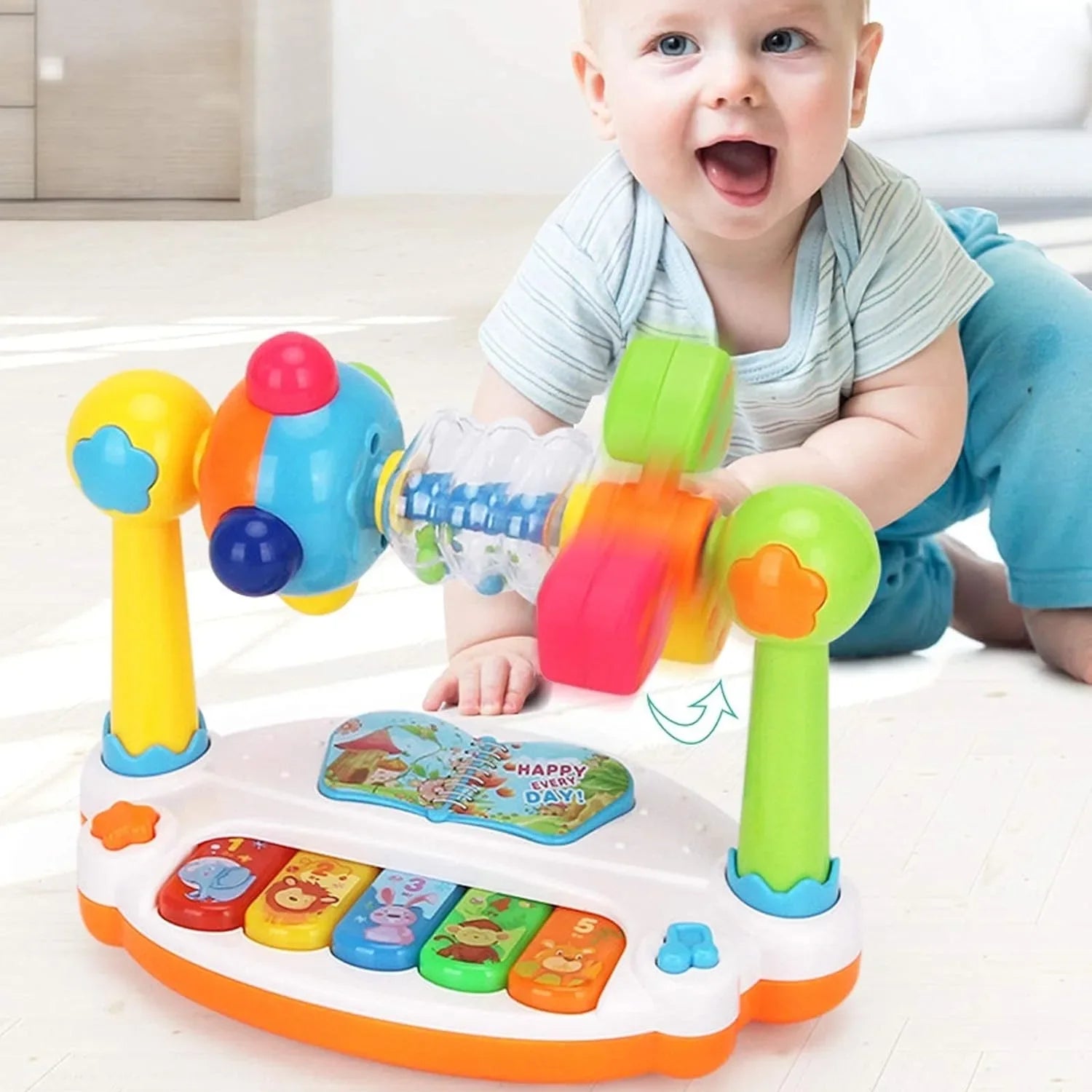
Play early childhood begins with simple interactions—early childhood educational toys spark curiosity. 💡 See it in action
Why Play Early Childhood Matters More Than You Think
Play early childhood is not just about keeping children busy. It is how young brains wire themselves. During play, children test ideas, repeat movements, and explore cause and effect. Educational toys for early childhood development help turn these moments into lasting skills.
Experts agree that children learn best when they feel safe, engaged, and curious. This is why thoughtfully chosen toys can support:
- Language development through sound, music, and interaction
- Motor skills through reaching, grasping, and movement
- Emotional growth by encouraging confidence and independence
- Early problem-solving with shapes, patterns, and sequences
Collections like Baby Growth & Learning and Sensory Toys focus on these foundational needs, helping parents feel confident in their choices.
Best Toys for Newborns (0–6 Months): Supporting Calm and Sensory Awareness
Play early childhood starts gently. Newborns are adjusting to light, sound, and touch. Toys at this stage should feel soothing, not overwhelming.
What newborns need most
- High-contrast visuals to support early vision
- Soft sounds to introduce listening skills
- Safe textures for touch exploration
- Simple cause-and-effect experiences
Many parents notice that calm play leads to better sleep routines and fewer overstimulation moments. Items from Sleep & Comfort and Baby Care Essentials often pair well with early play routines.
Which baby gear suits your newborn best? Keep reading to match toys with real developmental needs.
Educational Toys for Infants (6–12 Months): Encouraging Movement and Curiosity
As babies begin to sit, crawl, and explore, play early childhood becomes more active. This is when early childhood educational toys can support coordination and curiosity.
At this stage, toys should invite action:
- Buttons to press and sounds to trigger
- Bright colors to encourage focus
- Lightweight designs for easy grasping
- Music to support rhythm and memory
A popular example is the baby piano toy keyboard, which combines sound, touch, and repetition. Parents often share that their infants return to this type of toy daily, practicing movements without frustration.
To enhance safety during active play, many families explore Health & Safety items that create a secure environment for exploration.
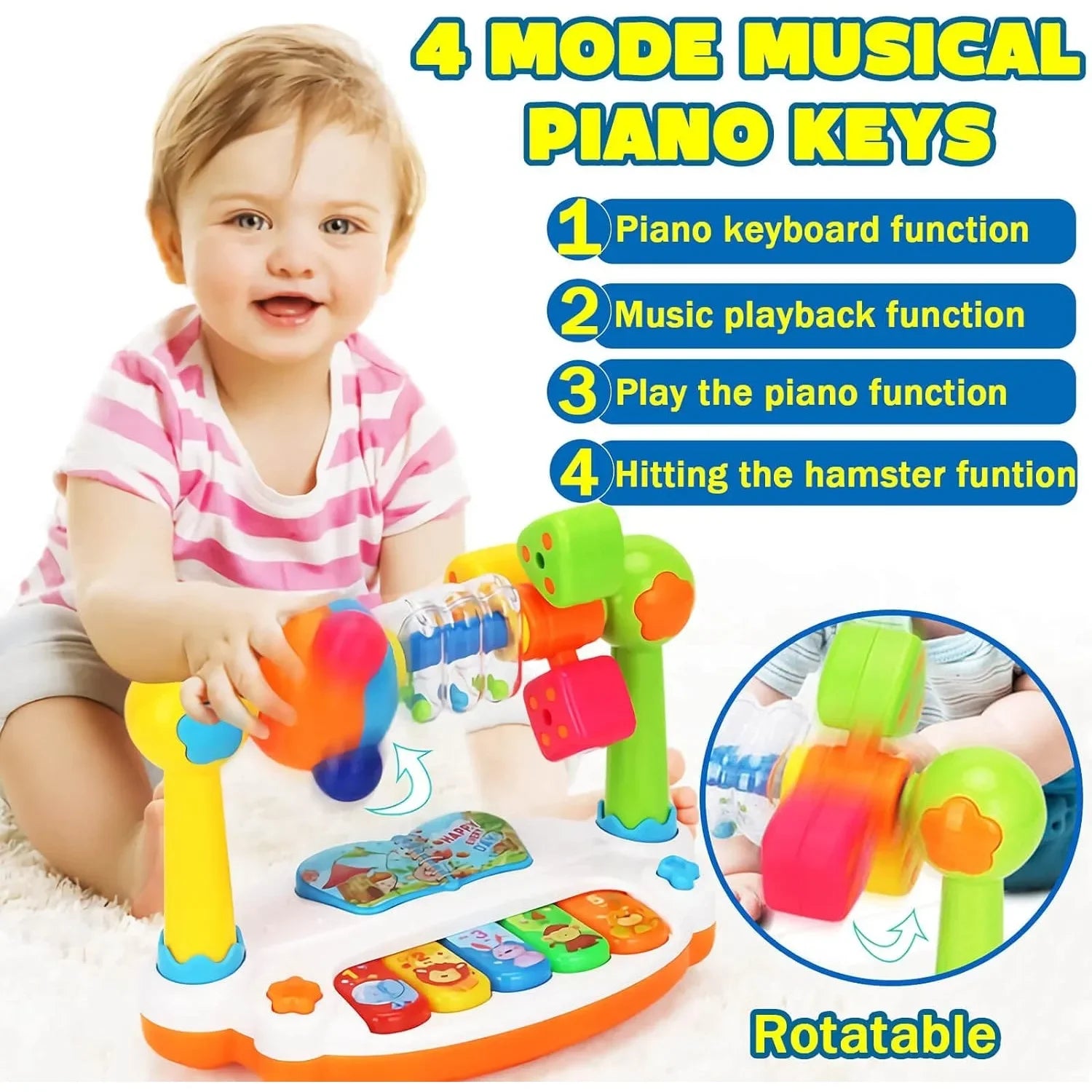
Educational toys for early childhood development turn movement into learning. 💡 See it in action
Toys for Toddlers (1–3 Years): Building Independence Through Play
Play early childhood becomes more expressive during the toddler years. Children want to do things themselves, repeat actions, and feel capable.
Skills toddlers develop through play
- Hand-eye coordination
- Early language and naming
- Imitation and pretend play
- Confidence through repetition
Toys for early childhood development at this age should be sturdy and forgiving. Simple puzzles, stacking toys, and musical instruments help toddlers learn without pressure.
Parents often combine playtime with movement-focused items from Mobility & Training to support balance and coordination indoors.
Learning Toys for Preschoolers (3–5 Years): Strengthening Thinking Skills
By preschool age, play early childhood supports reasoning and creativity. Children begin asking questions, solving problems, and telling stories.
Effective early childhood educational toys now focus on:
- Counting, sorting, and matching
- Memory and sequencing
- Creative expression through music or art
- Cooperative play with peers
Parents often notice that toys encouraging open-ended play keep children engaged longer than single-function items.
How to Choose the Right Toy Without Feeling Overwhelmed
Many parents feel unsure when facing endless toy options. Play early childhood works best when toys match a child’s current abilities—not just their age label.
- Observe what your child enjoys repeating
- Choose toys with more than one way to play
- Prioritize safety and durability
- Rotate toys to keep interest fresh
Exploring curated selections like Baby Growth & Learning helps simplify decisions while keeping development in focus.
What Parents Notice After Choosing Better Toys
Parents often share similar experiences after aligning toys with development:
- Children focus longer during independent play
- Less frustration during learning moments
- Improved sleep after active daytime play
- More joyful parent-child interaction
One parent shared that introducing a music-based toy helped their child transition calmly between activities, reducing daily stress.
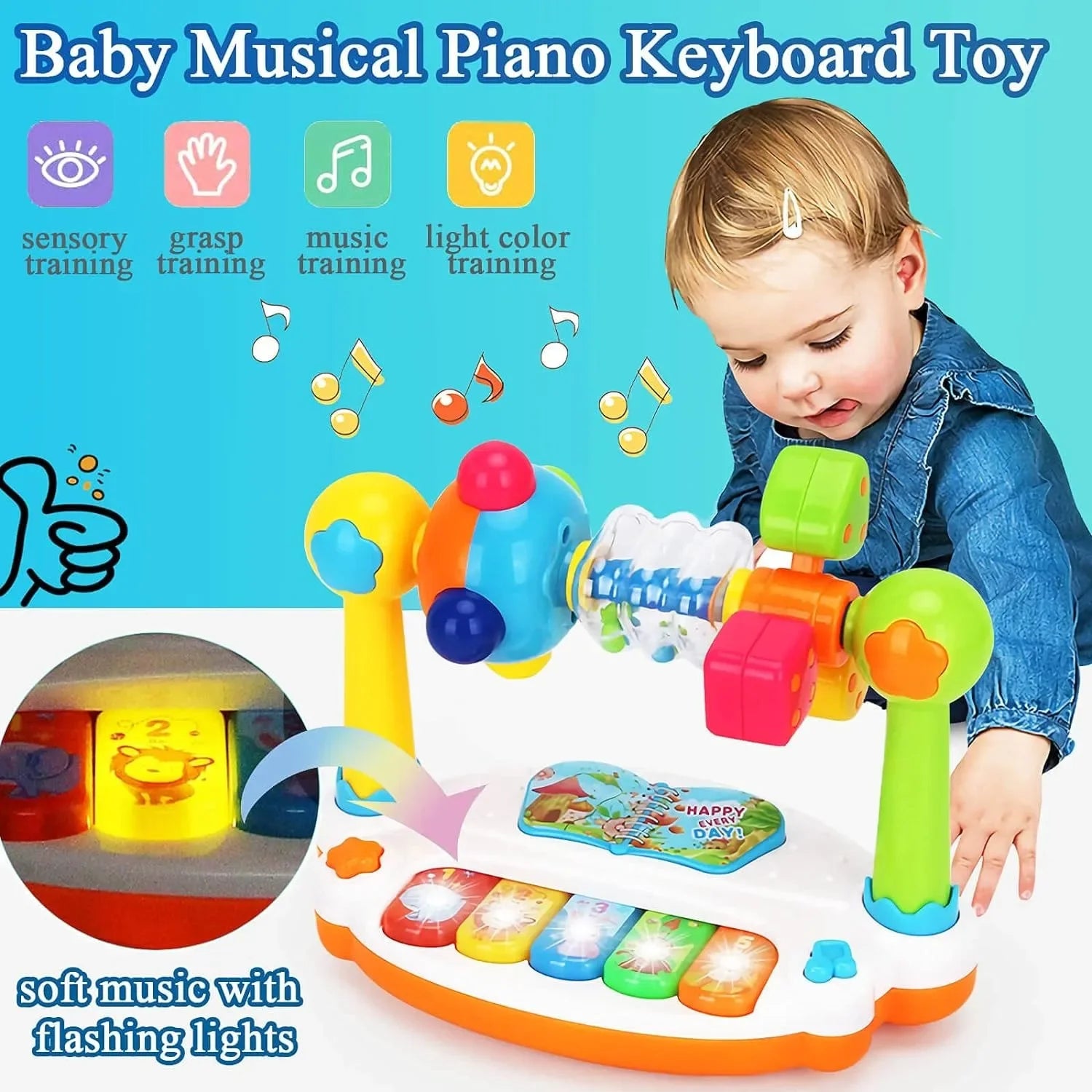
Play early childhood thrives when toys match real needs. 💡 See it in action
Frequently Asked Questions
What makes play early childhood different from regular play?
Play early childhood focuses on development. It encourages learning through movement, sound, and interaction rather than passive entertainment.
How many toys does a child really need?
Fewer, well-chosen toys often lead to deeper play. Quality matters more than quantity when supporting early childhood development.
Can one toy support multiple stages?
Yes. Open-ended toys like musical instruments or stacking sets often grow with children, adapting to new skills over time.





