

Playground at Home Ideas for Different Ages and Energy Levels
What makes a playground at home effective for different ages and energy levels?
A playground at home supports physical and emotional growth by matching activities to a child’s age, space, and stamina. With versatile setups like swings, sensory toys, and climbing features, families can create safe daily play routines that improve coordination, confidence, and bonding without leaving the house.
Playground at Home Ideas for Different Ages and Energy Levels
⏱ 8 min read — Balancing work, routines, and children’s restless energy isn’t easy. Many parents wonder how to turn ordinary afternoons into engaging movement and connection time. A thoughtful playground at home setup can transform limited space into an adaptable activity zone that grows with your child, encourages independence, and reduces screen reliance while supporting wellness and family bonding.
Ever notice how quickly boredom appears when kids run out of ways to move and explore? A playground at home offers more than entertainment. It builds coordination, improves sleep quality, and encourages social connection within the family.
Which setup fits your child’s personality best? Calm sensory exploration or high-energy swinging and climbing? Keep reading to match play ideas with real needs.
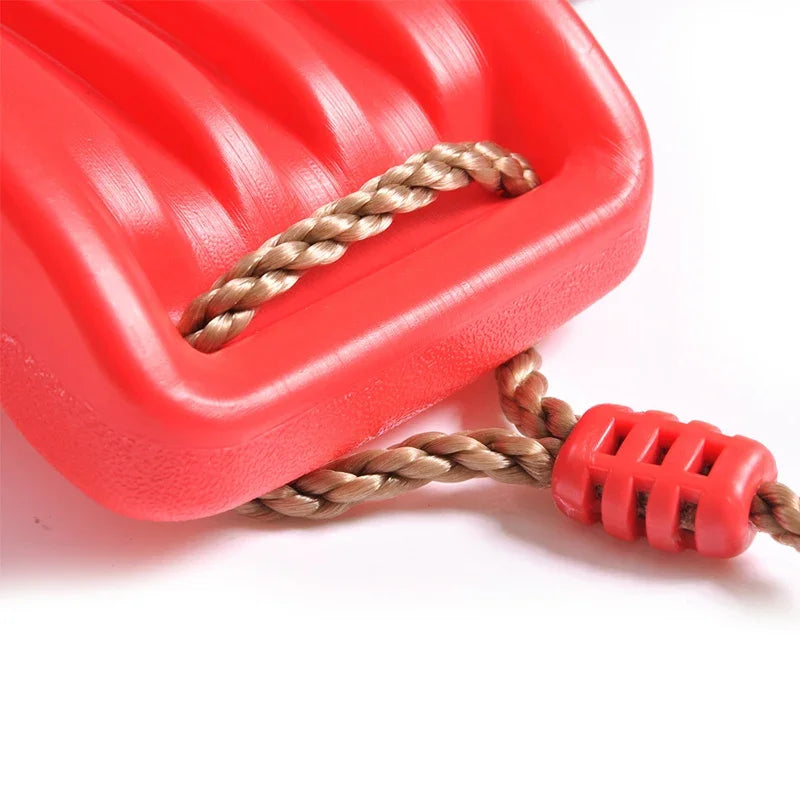
playground at home inspiration using home playground ideas — explore possibilities 💡
👉 Curious how movement improves learning and creativity? Explore more tools and inspiration in Baby Growth & Learning and start planning playful routines today.
Why a Playground at Home Supports Development and Daily Routines
A playground at home nurtures coordination, imagination, and resilience by providing consistent access to movement. Children learn through repetition, and having play equipment nearby removes barriers like weather, travel time, and scheduling stress.
It also supports emotional stability. Predictable active play can reduce tantrums and improve bedtime transitions — something many parents notice within weeks.
Key advantages families experience
- Improved physical strength and balance
- Better sleep and appetite regulation
- Creative storytelling and roleplay opportunities
- Stronger parent-child bonding through shared activity
Complement play routines with supportive resources such as Health & Safety or calming post-play wind-down tools found in Massage & Relaxation.
How Matching Home Playground Ideas to Age Builds Confidence
A playground at home works best when scaled to developmental stages and energy patterns. Younger children thrive with sensory discovery, while older kids benefit from challenges that reward persistence and creativity.
Choosing appropriately ensures engagement rather than frustration or boredom.
Quick planning steps
- Assess daily energy patterns and attention span
- Measure indoor or outdoor play space
- Select adaptable equipment with multiple uses
- Balance excitement with comfort and safety features
Gentle Movement Zones for Toddlers
For little explorers, play should encourage curiosity without overwhelm. Sensory and mobility-focused features introduce cause-and-effect learning while supporting balance.
Recommended ideas
- Soft climbing cushions and crawling tunnels
- Texture exploration with toys from Sensory Toys
- Push walkers or stepping aids from Mobility & Training
- Comfort recovery corners using Sleep & Comfort
Parents often report toddlers showing longer focus spans and improved mood when routines include daily exploration time.
Skill-Building Playgrounds for Preschoolers
Preschool-aged children crave challenge and independence. Structured play zones allow experimentation while strengthening motor skills and social communication.
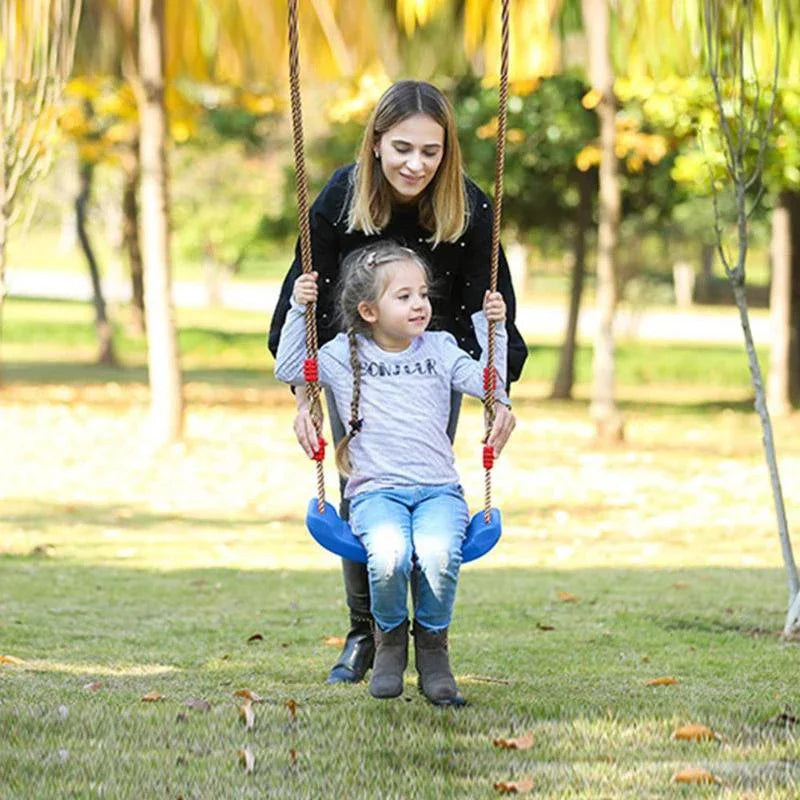
home playground ideas featuring playground equipment for 5 year olds — discover playful motion 💡
Engaging setups
- Mini obstacle paths
- Creative storytelling stages
- Introductory swings like /products/kids-swing
- Creative learning tie-ins via Baby Growth & Learning
👉 Ready to plan a practical setup? See step-by-step inspiration and supportive tools through Baby Care Tips & Advice and refine your approach.
High-Energy Systems for Big Kids
Older children benefit from challenging activities that release stored energy while building persistence and self-confidence. Equipment should allow repetition and progression.
Popular components
- Swings for rhythmic movement — explore options at /products/kids-swing
- Climbing modules and rope ladders
- Balance-focused stepping games
- Timed activity circuits encouraging teamwork
Adding recovery support like hydration tools or safety gear found in Health & Safety helps maintain positive routines.
Designing Spaces That Adapt to Changing Energy Levels
Flexible design keeps environments relevant as children grow. Modular layouts prevent costly overhauls while maintaining excitement.
Design strategies
- Use movable elements for seasonal rearrangement
- Blend indoor calm corners with active zones
- Include monitoring technology from Monitoring Devices
- Store rotating toys from Smart Baby Gadgets
Matching Equipment Benefits to Family Needs
Every household has unique priorities — safety, creativity, convenience, or physical growth. Selecting equipment based on lifestyle ensures long-term satisfaction.
Benefit-focused matches
- Limited time: Quick-setup swing solutions from /products/kids-swing
- Sensory sensitivity: Soft calming toys from Sensory Toys
- Wellness routines: Relaxation support via Massage & Relaxation
- Learning enrichment: Development aids through Baby Growth & Learning
Comparing Setup Styles and Features
| Play Style | Best Age | Main Benefit | Consideration |
|---|---|---|---|
| Sensory Exploration | 1–3 | Motor skill discovery | Frequent supervision |
| Structured Circuits | 3–6 | Confidence building | Space planning |
| Active Swing Systems | 5+ | Energy release | Secure installation |
| Mixed Modular Zones | All ages | Longevity | Periodic adjustments |
Creating Safety Habits That Build Trust
Safety doesn’t reduce excitement — it encourages exploration with confidence. Establishing clear routines reassures both children and caregivers.
- Routine equipment checks
- Comfort recovery routines after play
- Temperature monitoring using Temperature Tools
- Hygiene maintenance through Baby Hygiene Gadgets
Stories from Parents Who Built Their Own Play Zones
Families frequently share that structured play corners improved mood and cooperation. One parent reported their energetic five-year-old sleeping earlier after introducing daily swinging sessions.
Another noted quieter bonding moments after combining sensory play with relaxation breaks. These experiences highlight the emotional rewards beyond physical benefits.
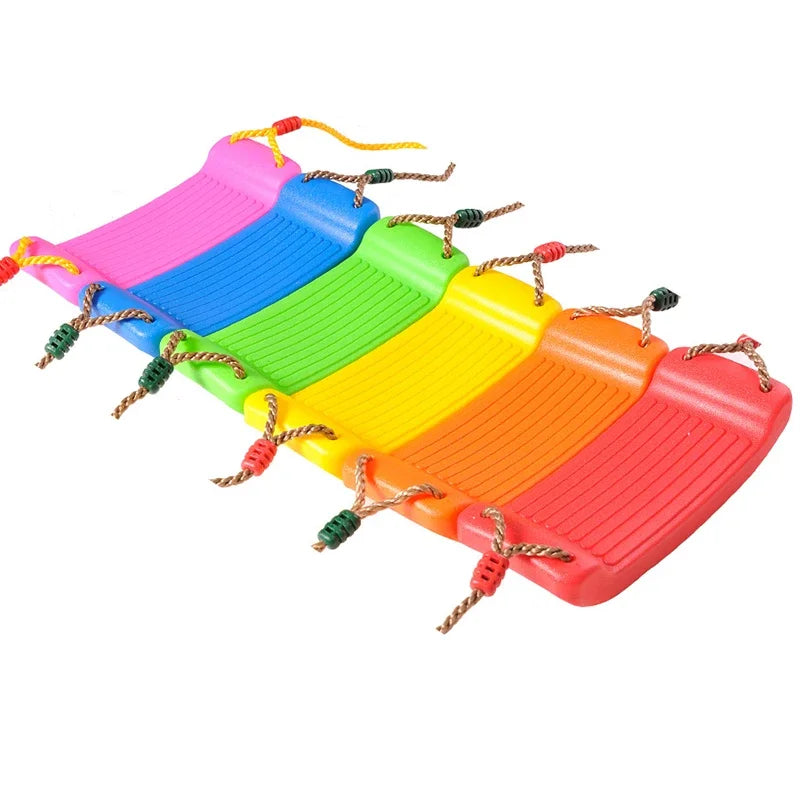
active play system inspiration for playground at home setups — see possibilities 💡
👉 Transform your home routine today — limited availability on popular swing solutions. Explore options here: /products/kids-swing
Building a Space That Grows With Your Family
Designing a playground at home isn’t about perfection. It’s about intention. Matching activities to personality and development creates moments of joy that shape lifelong confidence and health habits.
With thoughtful planning and supportive tools, even small adjustments can transform everyday routines into meaningful shared experiences.
Mini FAQ
What age should children start using a playground at home?
Exploration can begin in infancy with supervised sensory interaction and evolve toward structured physical challenges as coordination improves.
How much space is needed?
Even compact areas work when using modular or foldable equipment and rotating activities to maintain engagement.
Do active play systems improve sleep?
Regular movement supports energy balance and relaxation cycles, which often contributes to calmer evenings and improved rest.
How can families keep routines fresh?
Rotate toys, introduce themed activity days, and integrate learning tools from trusted collections to maintain excitement and growth.





