

Playground Jump Rope Games Compared for Skill Building
Does playground jump rope really build coordination skills?
Playground jump rope improves timing, balance, and rhythm by combining repeated movement with visual and auditory cues. Structured jump rope games—especially jump rope games double dutch—engage both sides of the body, strengthening motor coordination skills while keeping kids active and motivated through fun coordination exercises.
Playground Jump Rope Games Compared for Skill Building
Playground jump rope activities can do far more than burn energy—they quietly build confidence, timing, and teamwork. From classic solo skips to jump rope games double dutch, each style targets different motor coordination skills while keeping kids fully engaged. What makes these routines powerful is how they double as fun coordination exercises without feeling like practice.
⏱ 6 min read
Ever notice how some kids struggle with timing during sports, while others seem naturally in sync? The difference often starts at recess. Playground jump rope routines turn open space into a low-pressure learning zone where coordination grows through repetition, laughter, and shared rhythm. Which jump style actually delivers the fastest progress?
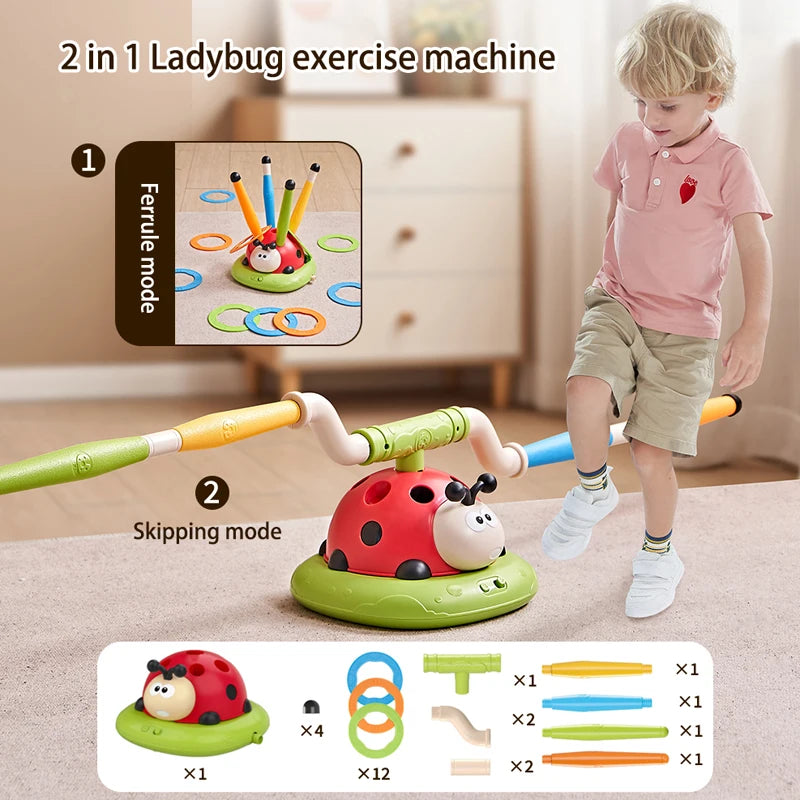
Playground jump rope routines that build motor coordination skills 💡 See it in action
Why Playground Jump Rope Builds Skills Faster
Playground jump rope compresses multiple learning elements into a single activity. Kids must watch the rope, listen to rhythm, time their jumps, and adjust their body mid-air. This constant feedback loop strengthens motor coordination skills faster than many static drills.
- Improves bilateral coordination by syncing arms and legs
- Builds spatial awareness through rope timing
- Encourages self-correction without adult prompting
- Boosts confidence through visible progress
Educators often pair these activities with movement-focused resources from Baby Growth & Learning to reinforce physical and cognitive development together.
Solo Jump Rope Games: Best for Timing & Independence
Solo playground jump rope games are ideal entry points. One child, one rope, and clear feedback with every jump. These games build rhythm and stamina while letting kids practice at their own pace.
Classic Bounce Jump
A steady, even jump helps children learn consistent timing. Missed jumps quickly show where rhythm breaks down, encouraging natural adjustment.
Speed Count Challenge
Counting consecutive jumps adds focus and mild pressure, improving concentration and breath control.
Pros: Easy setup, scalable difficulty, great for beginners
Cons: Limited teamwork development
Partner & Long Rope Games: Building Awareness Together
Partner jump rope games introduce shared timing. One child jumps while another turns the rope, or two jump together. This format strengthens communication and awareness of others’ movements.
- Teaches cooperative rhythm
- Improves visual tracking
- Encourages peer feedback
These games often pair well with balance-focused play tools found in Mobility & Training collections for broader skill building.
Double Dutch Jump Rope Games: Peak Coordination Training
Playground jump rope reaches its highest coordination demand with double dutch. Two ropes turn in opposite directions while one or more jumpers enter, jump, and exit without breaking rhythm.
Playground jump rope games like double dutch challenge timing, spatial awareness, and mental focus simultaneously. The constant motion forces quick decision-making, making it one of the most effective fun coordination exercises for older kids.
- Enhances advanced motor coordination skills
- Promotes teamwork and trust
- Improves cardiovascular endurance
- Builds leadership through turn-taking
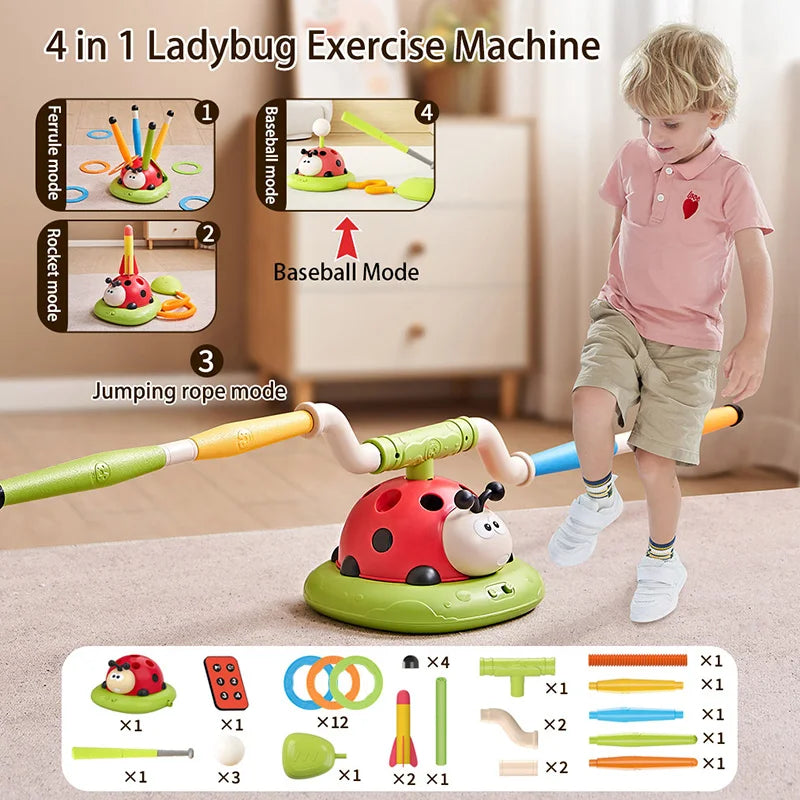
Jump rope games double dutch for fun coordination exercises 💡 See it in action
Playground Jump Rope Games Compared Side by Side
| Game Type | Best For | Coordination Level | Social Skills |
|---|---|---|---|
| Solo Jump | Beginners | Low–Medium | Low |
| Partner Jump | Developing Skills | Medium | Medium |
| Double Dutch | Advanced Coordination | High | High |
Choosing the Right Jump Rope Game by Age & Skill
Not every playground jump rope game fits every child. Matching difficulty to ability keeps frustration low and motivation high.
- Ages 4–6: Solo bounce jumps and simple counting games
- Ages 6–8: Partner jumps with slow rope turns
- Ages 8+: Jump rope games double dutch with clear entry cues
- Mixed Ages: Rotating roles to keep everyone engaged
For playful breaks and calming transitions after high-energy games, families often explore sensory-based options from Sensory Toys.
Safety & Setup Tips for Playground Jump Rope
Safe setup ensures kids focus on movement, not mishaps.
- Use soft-surface playground areas
- Choose ropes sized to child height
- Space groups to avoid collisions
- Encourage sneakers with good grip
For additional peace of mind during outdoor play, many caregivers reference guidance tools from Health & Safety.
One popular option is the Ladybug Jump Rope Game Toy, which blends visual cues with rhythmic play to keep kids engaged while practicing timing.
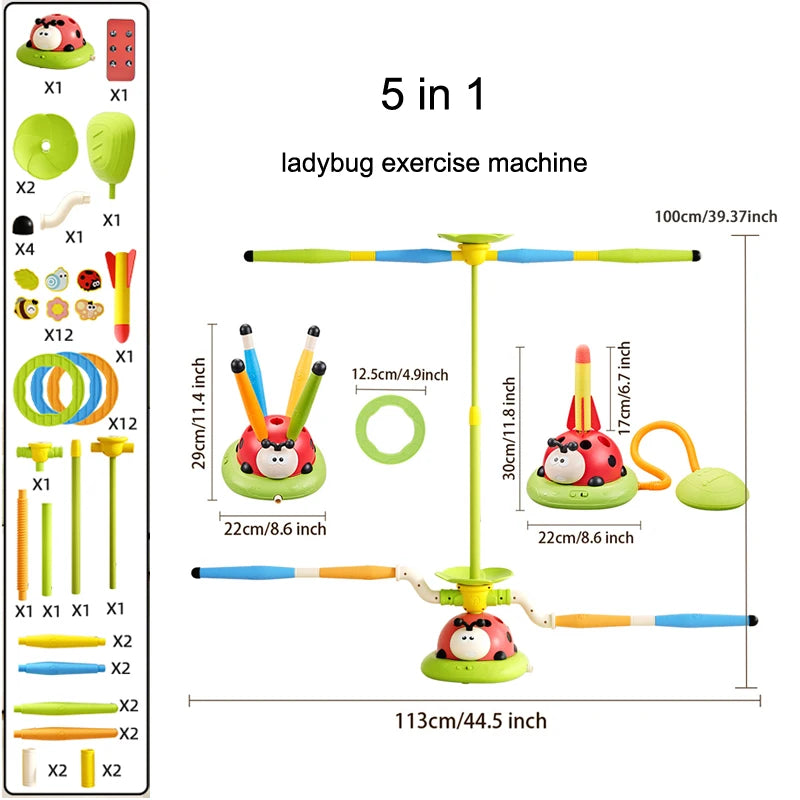
Playground jump rope tools that support motor coordination skills 💡 See it in action
Mini FAQ: Playground Jump Rope Games
Which playground jump rope game builds coordination fastest?
Double dutch typically delivers the fastest gains because it requires precise timing, continuous movement, and quick decision-making, all at once.
Are jump rope games suitable for younger kids?
Yes. Simple solo jump rope games help younger children develop rhythm and balance without overwhelming them.
How often should kids practice jump rope for skill growth?
Short sessions two to three times per week are enough to see noticeable improvements in motor coordination skills.
Related Guide: Best Outdoor Games for Family: Top Picks Compared





