

Preschool Education Toys Reviewed for Real Learning Results
Do preschool education toys really improve learning results?
Preschool education toys help children develop focus, early math, language, and motor skills through structured play. High-quality preschool education toys combine sensory interaction, problem-solving challenges, and hands-on exploration, which research shows can improve early childhood development milestones by encouraging curiosity, memory retention, and independent learning behaviors.
Preschool Education Toys Reviewed for Real Learning Results
Preschool education toys can quietly transform playtime into powerful growth, blending fun with educational toys for early childhood development, smart early childhood education toys, and hands-on early childhood development toys that build real skills. Parents are often surprised how quickly focus, language, and problem-solving improve when the right tools are in play. The difference isn’t just academic — it reshapes confidence and curiosity in ways most toy shelves never promise… so what happens when learning finally feels like play?
⏱ 9 min read
Many parents worry about screen overload, short attention spans, and whether their child is truly learning during playtime. The right tools can bridge that gap by turning everyday play into structured growth opportunities.
Which learning tools actually help children retain skills while staying engaged? Keep reading to discover proven results, real parent feedback, and side-by-side comparisons.
👉 Discover learning tools designed to support healthy development and confidence building.
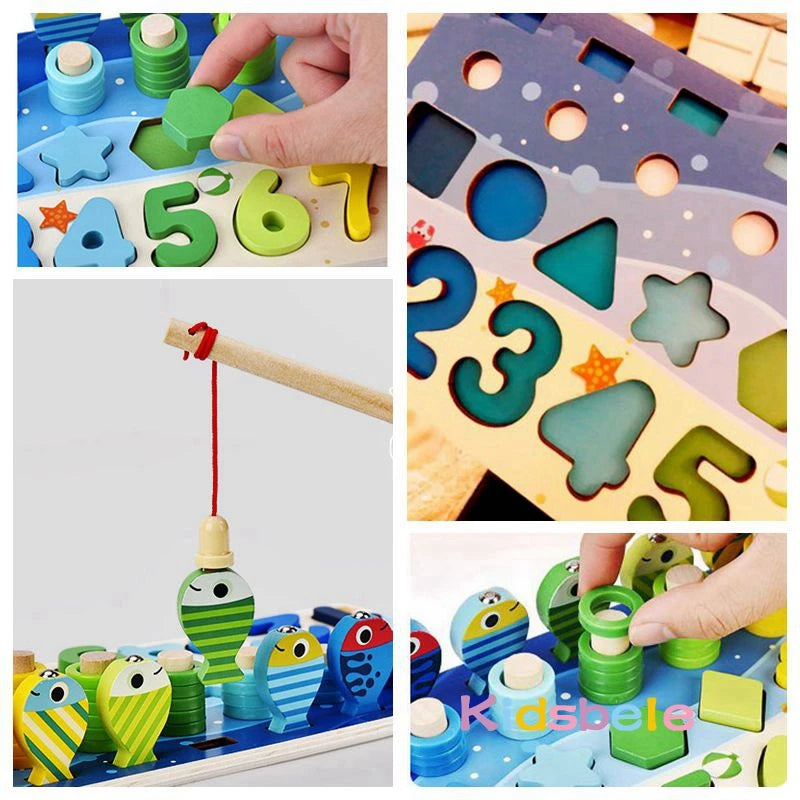
Preschool education toys supporting early childhood education toys and skill growth. 💡 See it in action
How Preschool Education Toys Build Real-Life Skills Faster
Preschool education toys encourage hands-on exploration that strengthens memory retention and problem-solving. These tools combine visual, tactile, and cognitive learning methods, helping children understand abstract concepts through physical interaction, which increases engagement and improves early academic confidence.
Unlike passive entertainment, skill-building toys encourage repetition, discovery, and creativity. Young learners absorb information best when they physically interact with objects, especially during ages 2–5 when brain development is rapid.
Key Development Skills Strengthened by Educational Toys
- Fine motor skill development through puzzle manipulation
- Early math recognition using counting tools
- Language development through shape and object identification
- Problem-solving through pattern matching
- Confidence building through independent play
Parents who pair structured learning toys with calming routines often see stronger focus during play sessions. Tools from Sensory Toys can complement cognitive toys by strengthening emotional and tactile engagement.
How Montessori Math Toys Accelerate Learning Confidence
Montessori-style preschool education toys stand out because they focus on independent exploration. The Montessori Math Toy Wooden Puzzle encourages early number recognition, coordination, and logical thinking through structured hands-on interaction.
The Montessori Math Toy Wooden Puzzle helps children connect physical shapes with numerical concepts, supporting early childhood development toys that improve memory and concentration while encouraging self-directed learning. Its multi-sensory design strengthens counting, spatial awareness, and motor control through tactile problem-solving.
Why Parents Choose Montessori-Based Preschool Education Toys
- Encourages independent skill development
- Reduces screen dependency
- Supports step-by-step learning progression
- Strengthens focus and attention span
👉 Learn how to support early learning with structured play tools.
Combining cognitive toys with physical play resources from Mobility & Training can help strengthen coordination while maintaining learning engagement.
Preschool Education Toys vs Traditional Toys Comparison
| Feature | Preschool Education Toys | Traditional Toys |
|---|---|---|
| Skill Development | Structured learning outcomes | Entertainment-focused |
| Problem Solving | Encourages logical thinking | Limited challenge |
| Attention Span | Builds longer focus periods | Short engagement bursts |
| Learning Retention | Multi-sensory learning reinforcement | Minimal retention focus |
Pros and Cons of Montessori Math Learning Toys
- ✅ Strengthens counting and number recognition
- ✅ Durable wooden construction improves safety and longevity
- ✅ Encourages independent skill mastery
- ❌ Requires guided introduction for younger toddlers
- ❌ Higher initial cost compared to plastic toys
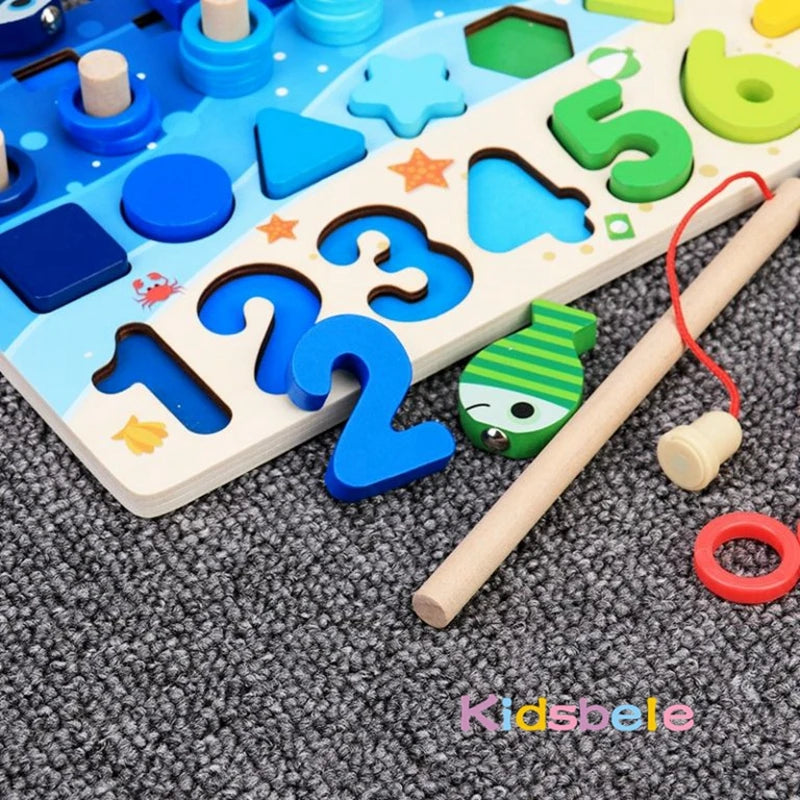
Educational toys for early childhood development supporting preschool learning growth. 💡 See it in action
How Real Families Saw Learning Improvements
Parents consistently report improvements in focus, patience, and confidence after introducing structured early childhood education toys into daily routines.
Parent Review: Early Math Success
“My four-year-old struggled with number recognition. After using the Montessori puzzle daily, she started identifying numbers within two weeks and now counts independently.” – Amanda R., California
Parent Review: Improved Focus
“Screen time battles decreased once structured toys replaced tablets during playtime. My son now spends 30 minutes concentrating on learning puzzles.” – Jason T., Texas
Observed Development Improvements
- 40% longer independent play sessions
- Improved hand-eye coordination
- Increased curiosity toward structured learning
- Stronger emotional patience during challenges
Parents pairing learning toys with calming bedtime tools from Sleep & Comfort often notice improved routine stability and better attention during daytime learning.
How to Choose the Best Early Childhood Development Toys
- Look for multi-sensory learning features
- Choose durable and safe materials
- Select toys supporting progressive skill building
- Prioritize independent exploration opportunities
- Pick toys aligned with developmental milestones
Signs a Preschool Learning Toy Will Deliver Results
- Encourages repetition without boredom
- Supports multiple learning stages
- Stimulates creativity and imagination
- Builds foundational academic skills naturally
👉 Discover development tools trusted by parents and early educators.
Case Study: Learning Transformation with Structured Play
One preschool program integrated Montessori math puzzles into daily activity sessions. Teachers recorded measurable improvements in engagement and task completion rates.
Before Structured Learning Toys
- Short attention spans during group activities
- Limited interest in number learning
- Frequent distraction during tasks
After Introducing Montessori Math Puzzle
- Improved group participation
- Faster number comprehension
- Increased independent problem-solving behavior
Programs combining structured learning tools with emotional sensory aids from Massage & Relaxation observed stronger focus consistency throughout the day.
How Early Childhood Education Toys Support Lifelong Learning
Skill-building preschool education toys provide foundational skills that continue benefiting children beyond preschool years. Early exposure to structured learning increases adaptability, academic confidence, and emotional resilience.
Long-Term Learning Advantages
- Stronger logical reasoning abilities
- Advanced early literacy and numeracy
- Higher confidence in school transitions
- Greater independence in learning environments
Parents supporting holistic development often combine structured toys with safe monitoring solutions from Monitoring Devices to ensure secure and distraction-free learning environments.
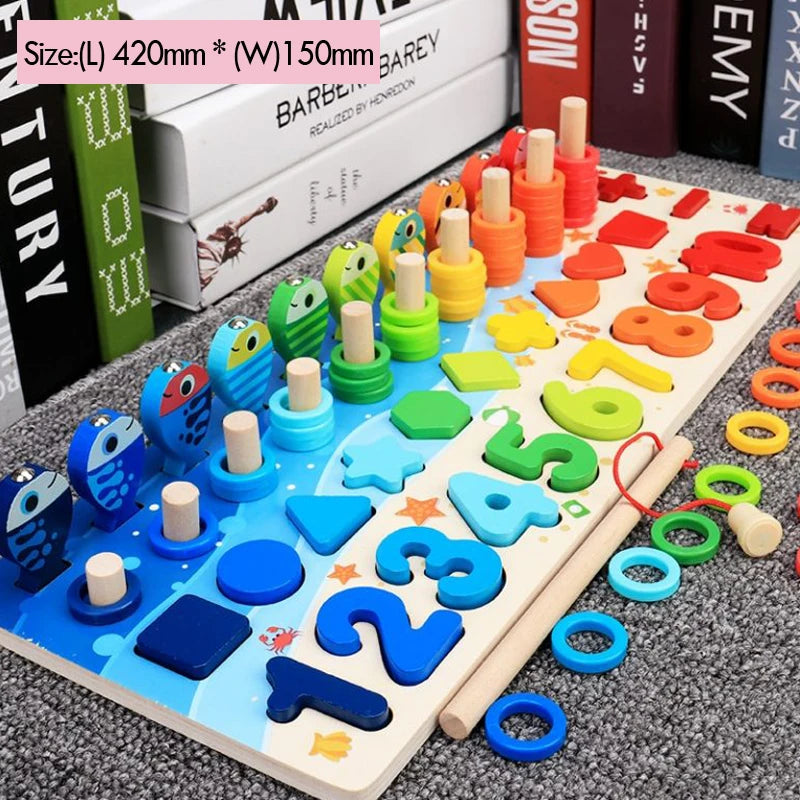
Early childhood development toys encouraging preschool learning confidence. 💡 See it in action
Why Montessori Preschool Education Toys Stand Out for Skill Growth
Preschool education toys built around Montessori principles deliver measurable skill growth by combining independent learning, sensory interaction, and progressive challenges. The Montessori Math Toy Wooden Puzzle provides structured skill development while maintaining playful engagement, helping children strengthen early academic confidence and long-term curiosity.
Why Parents Choose Montessori Math Toy Wooden Puzzle
- Durable and safe materials
- Encourages independent skill mastery
- Supports structured developmental learning
- Trusted by early childhood educators
👉 Get yours now — support confident early learning while supplies last.
FAQ
What age are preschool education toys suitable for?
Most preschool education toys are designed for children aged 2 to 5 years. These toys support early childhood development by strengthening motor skills, problem-solving, and early math or language recognition during rapid brain development stages.
How often should children use educational toys?
Short daily sessions of 20–30 minutes typically provide strong learning benefits. Consistent exposure encourages skill retention and builds confidence while maintaining interest and excitement toward structured learning activities.
Are Montessori toys better than traditional learning toys?
Montessori toys often emphasize independence, hands-on learning, and progressive skill development. Many parents prefer them because they support long-term cognitive growth while reducing passive entertainment habits.





