

Preschool Educational Toys: Features That Boost Learning
Do preschool educational toys really boost early learning?
Preschool educational toys support brain development by combining play with skill-building. The best preschool educational toys improve focus, memory, coordination, and creativity through hands-on interaction. When designed for early childhood learning, these toys help children develop language, motor, and problem-solving skills naturally while having fun.
Preschool Educational Toys: Features That Boost Learning
Preschool years are a powerful window for learning, but many parents worry about choosing toys that truly help their child grow instead of just keeping them busy. Preschool educational toys are designed to turn everyday play into meaningful learning moments—supporting thinking skills, creativity, and confidence while fitting naturally into family routines.
⏱ 7 min read
Have you ever watched your child press random buttons, hum along to a tune, or repeat a pattern—and wondered if any real learning is happening? What if the right toy could quietly strengthen memory, coordination, and early problem-solving skills while your child simply feels like they’re playing?
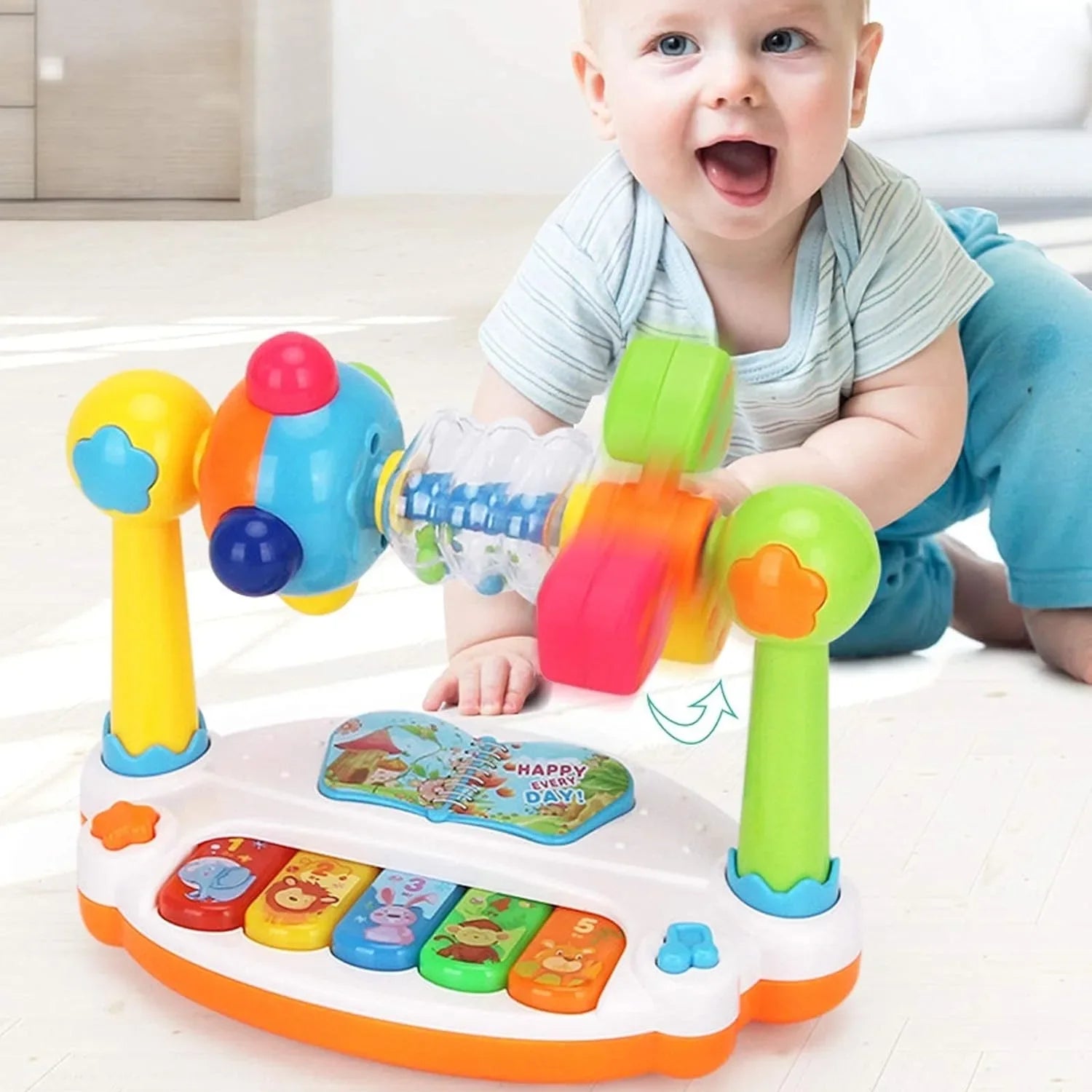
Preschool educational toys encourage curiosity and confidence through playful discovery 💡 See it in action
What Makes Preschool Educational Toys Effective?
Preschool educational toys work best when they match how young children naturally learn—through touch, sound, movement, and repetition. Unlike passive entertainment, interactive toys invite children to explore cause and effect, experiment freely, and build confidence through small successes.
The most effective early childhood educational toys share a few important qualities:
- They respond instantly to a child’s actions
- They encourage repetition without boredom
- They adapt to different skill levels
- They support open-ended, creative play
These qualities help children stay engaged longer, which is critical for strengthening attention span and memory during early development.
Why Music-Based Toys Accelerate Learning
Music is one of the most powerful learning tools during early childhood. Educational toys for early childhood development that include sound and rhythm activate multiple areas of the brain at once, strengthening neural connections linked to language, math, and emotional regulation.
Interactive music toys—such as a piano interactive keyboard—introduce children to patterns, sequencing, and hand-eye coordination without pressure. Each key press delivers immediate feedback, reinforcing learning through sound and motion.
Parents often notice that children engaged in music-based play:
- Recognize patterns faster
- Develop better finger control
- Show stronger listening skills
- Express emotions more confidently
This is why music-focused preschool educational toys are frequently recommended as foundational tools for early learning.
Key Features That Boost Learning Outcomes
Interactive Feedback That Builds Confidence
Preschool educational toys that respond with lights, sounds, or motion help children understand cause and effect. This immediate feedback builds confidence and encourages independent exploration.
Hands-On Design for Motor Skill Development
Early childhood educational toys should invite pressing, tapping, sliding, and gripping. These actions strengthen fine motor skills and prepare young hands for writing, drawing, and self-care tasks.
Creative Play Activities for Preschoolers
Open-ended play is essential. Toys that allow children to create their own melodies or patterns support imagination while reinforcing cognitive flexibility.
Music-based toys fit naturally into creative play activities for preschoolers, offering structure without limiting expression.
Safe, Durable Materials for Everyday Use
Parents value safety as much as learning. Well-designed preschool educational toys use smooth edges, non-toxic materials, and durable construction suitable for daily play.
For families focused on learning-centered play, exploring options in Baby Growth & Learning helps ensure toys meet both safety and developmental needs.
Comparing Preschool Toy Options
| Feature | Music-Based Educational Toys | Passive Electronic Toys |
|---|---|---|
| Child Interaction | Active, hands-on engagement | Mostly button-pressing |
| Skill Development | Motor, cognitive, auditory | Limited learning depth |
| Creativity | Encourages exploration | Fixed responses |
| Long-Term Interest | Grows with the child | Often short-lived |
This comparison helps explain why parents often choose interactive music toys when evaluating educational toys for early childhood development.
Real-Life Learning Results Parents Notice
Many parents report noticeable changes within weeks of introducing high-quality preschool educational toys into daily routines. Children often spend more time focused on independent play while demonstrating improved coordination and memory.
Common observations include:
- Longer attention spans during quiet play
- Improved rhythm and timing
- More confidence trying new activities
- Greater interest in music and patterns
These small, daily interactions add up—supporting long-term learning habits without structured lessons.
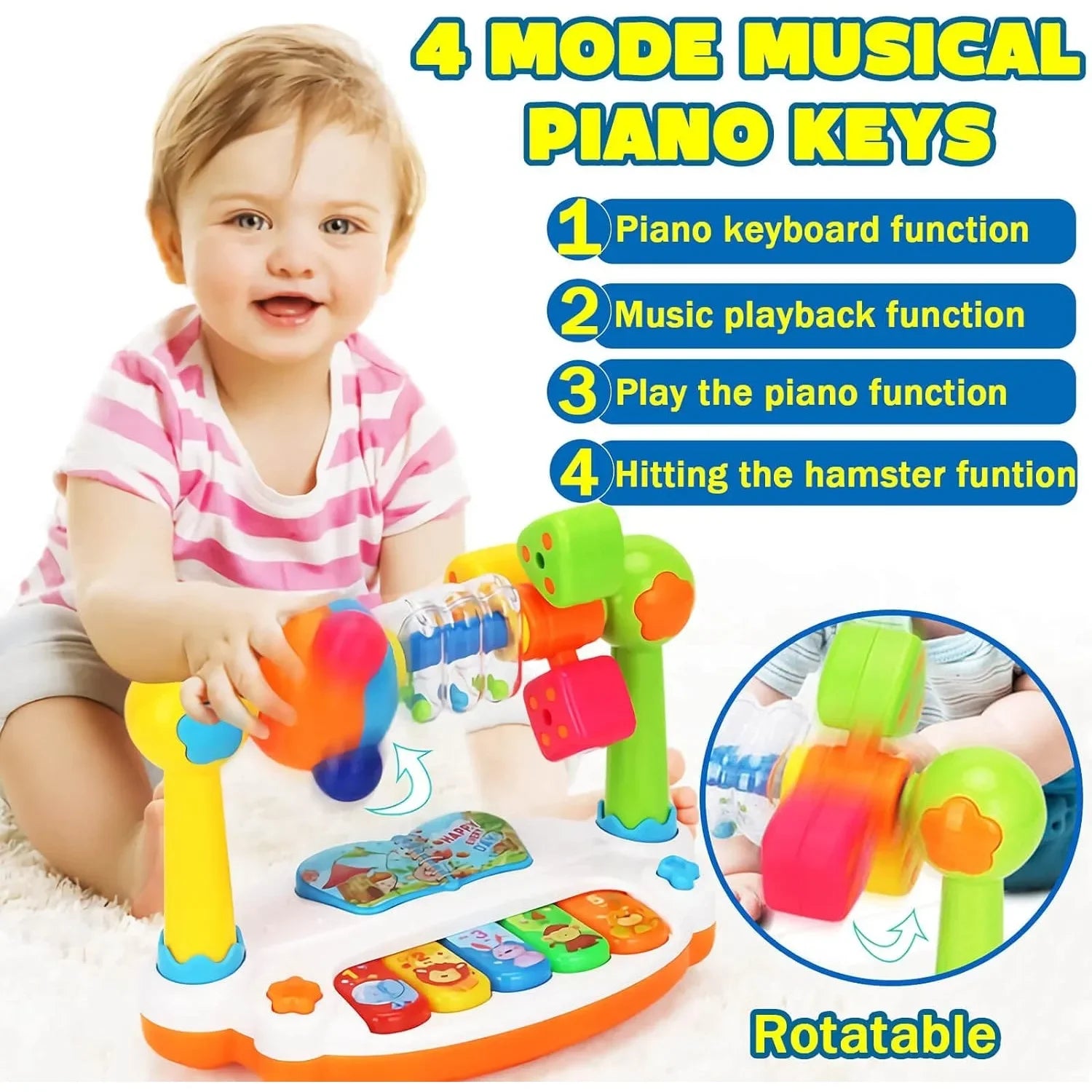
Early childhood educational toys turn playtime into meaningful learning 💡 See it in action
How to Choose the Right Toy for Your Child
- Match the toy to your child’s current interests
- Look for multi-skill development
- Prioritize safety and durability
- Choose toys that grow with your child
Parents exploring creative play activities for preschoolers often find that music-based toys remain engaging across multiple developmental stages.
For a focused learning experience, many families explore interactive options available through Sensory Toys, which complement music-based play beautifully.
Why This Piano Interactive Keyboard Stands Out
This piano interactive keyboard supports preschool educational toys by combining sound exploration with fine motor development. Designed for small hands, it encourages rhythm, memory, and creativity through responsive keys and playful melodies. Children stay engaged longer while building foundational music and learning skills naturally.
Parents appreciate how this mini portable keyboard piano fits easily into daily routines while offering a hands on music class experience at home.
Explore the product here: Baby Piano Toy Keyboard
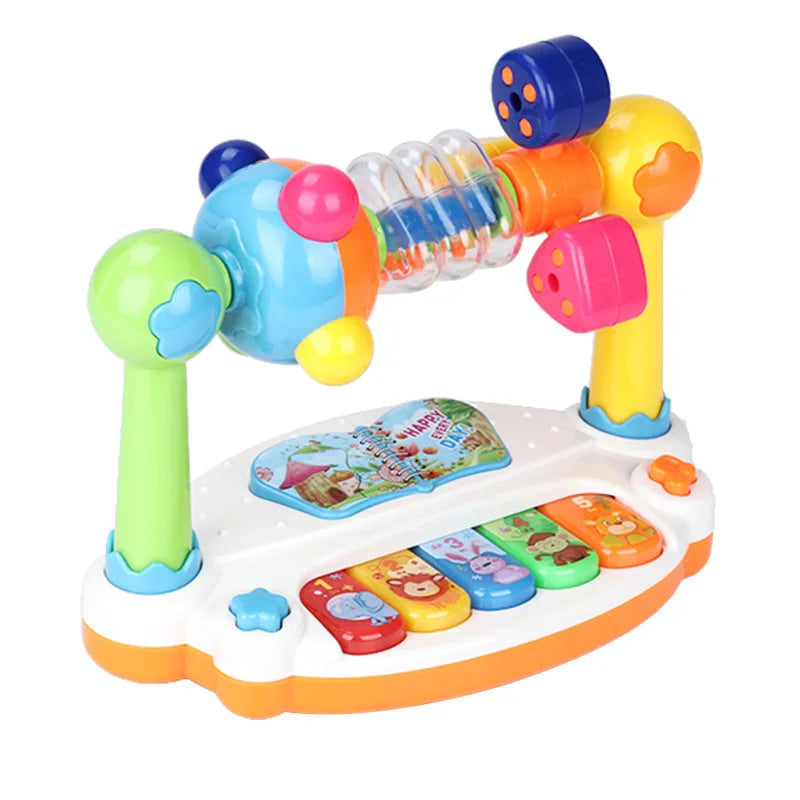
Preschool educational toys that inspire early music education 💡 See it in action
Quick Parent FAQs
What age benefits most from preschool educational toys?
Children ages 2–5 benefit most, as this period supports rapid development in motor skills, language, and cognitive growth.
Are music toys suitable for beginners?
Yes. Interactive music toys are designed for exploration, not performance, making them ideal for beginners.
How long should children play with educational toys daily?
Short, consistent play sessions of 15–30 minutes are effective and help maintain interest.





