

Preschool Educational Wooden Toys Reviewed by Parents and Teachers
Do preschool educational wooden toys really improve early learning?
Preschool educational wooden toys support deeper focus, motor development, and problem-solving by encouraging hands on learning for preschoolers. Built from child safe wooden toys materials, they help children learn through touch and repetition, reduce screen dependence, and create calm, meaningful play that parents and teachers consistently trust.
Preschool Educational Wooden Toys Reviewed by Parents and Teachers
Preschool educational wooden toys are becoming a favorite in homes and classrooms where parents want learning to feel natural, calm, and effective. Teachers praise how these toys support hands on learning for preschoolers and smoothly transition into hands on learning activities for kindergarten. Parents value the durability, safety, and confidence that comes from child safe wooden toys designed for everyday use.
⏱ 7 min read
Are you worried your child gets bored too quickly, struggles to focus, or relies too much on screens? Many parents and educators face the same challenge: finding learning tools that truly engage young children without overwhelming them.
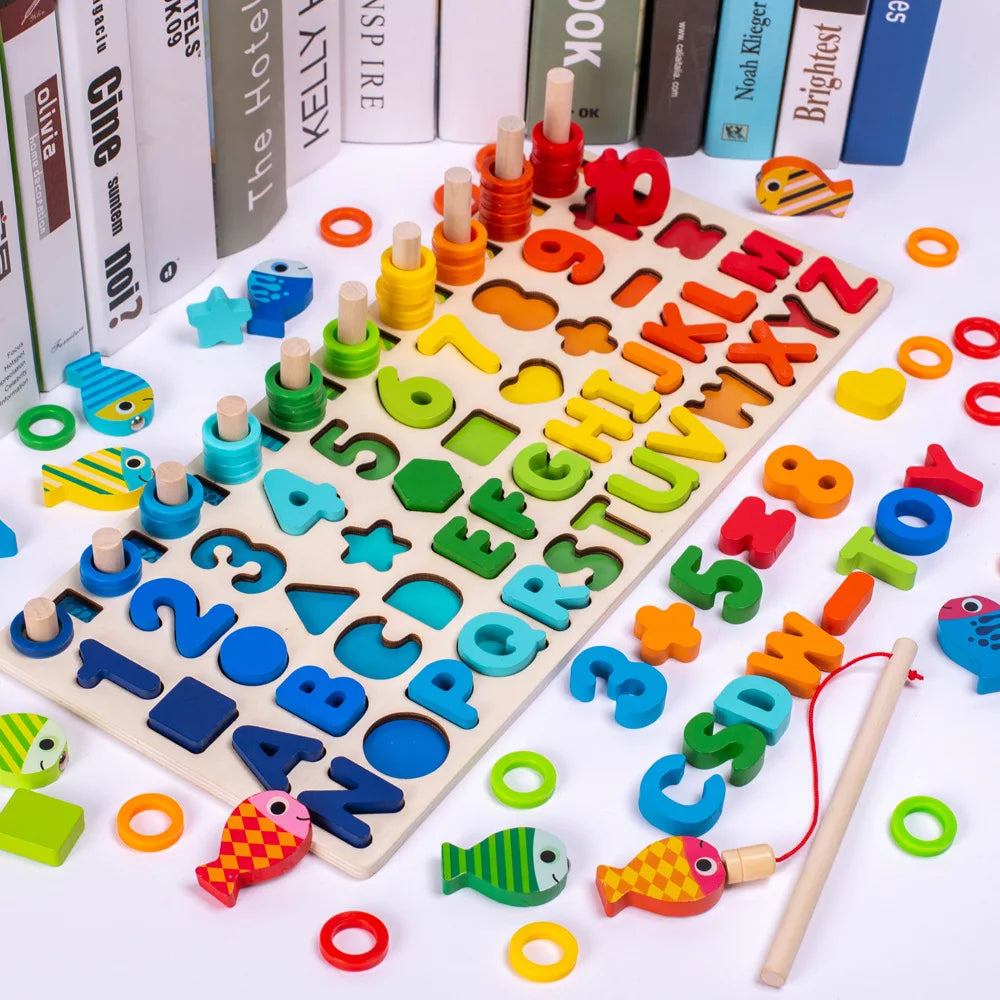
Preschool educational wooden toys encouraging hands on learning for preschoolers 💡 See it in action
Why Wooden Toys Build Better Learning Foundations
Preschool educational wooden toys stand out because they slow learning down in a good way. Unlike flashy plastic toys, wooden sets invite children to touch, stack, count, and think. This kind of hands on learning for preschoolers strengthens memory and builds confidence through repetition.
Parents often notice children staying engaged longer. Teachers report fewer distractions and smoother group activities. The simplicity of wood removes noise and lets imagination lead.
- Encourages independent problem solving
- Supports fine motor skill development
- Promotes calm, focused play sessions
- Builds early math and logic foundations
Families exploring Baby Growth & Learning solutions often choose wooden toys because they align with natural development stages.
What Parents Notice at Home
Parents reviewing preschool educational wooden toys frequently mention changes within weeks. Children who once bounced between activities begin finishing tasks. Cleanup becomes easier because wooden sets feel meaningful, not disposable.
One parent shared, “My four-year-old stopped asking for the tablet after dinner. She now sets up her wooden numbers and teaches us instead.”
At home, these toys support:
- Longer attention spans during play
- Less frustration during learning moments
- More parent-child interaction
- Confidence when explaining concepts aloud
Many families pair learning toys with calming routines found in Sleep & Comfort to create balanced days.
What Teachers See in the Classroom
Teachers value preschool educational wooden toys for their consistency. In busy classrooms, toys must survive drops, sharing, and daily use. Wooden learning sets do exactly that.
Educators report that hands on learning activities for kindergarten become easier when children already understand concepts through wooden tools. Transitioning from counting blocks to writing numbers feels natural.
Classroom advantages include:
- Reduced overstimulation
- Better peer collaboration
- Clear learning objectives through play
- Minimal maintenance and replacement
Many classrooms combine wooden toys with sensory exploration from Sensory Toys for well-rounded engagement.
How Hands On Learning Supports Early Development
Preschool educational wooden toys help children learn by doing. Touching shapes, moving pieces, and correcting mistakes builds neural pathways faster than passive observation.
Hands on learning for preschoolers supports:
- Early math and pattern recognition
- Hand-eye coordination
- Language development through explanation
- Problem-solving confidence
As children grow, these skills naturally extend into hands on learning activities for kindergarten, easing academic transitions.
Safety and Materials That Matter to Families
Child safe wooden toys earn trust because parents can see and feel the quality. Smooth edges, non-toxic finishes, and solid construction reduce worry during independent play.
Parents concerned about safety often explore options within Health & Safety collections to complement learning spaces.
Key safety features parents and teachers look for:
- Rounded corners to prevent injuries
- Water-based, non-toxic paints
- Large pieces that reduce choking risk
- Durable wood that resists cracking
Montessori Wooden Math Toy: Detailed Review
Preschool educational wooden toys like the Montessori Wooden Math Toy stand out by combining structure with creativity. Designed for counting, sorting, and simple equations, it adapts to multiple ages.
This toy supports hands on learning for preschoolers while preparing them for hands on learning activities for kindergarten through visual and tactile repetition.
Why parents and teachers recommend it:
- Clear number representation
- Self-correcting design
- Quiet, focused play
- Strong durability for daily use
Explore the full product here: Montessori Wooden Math Toy
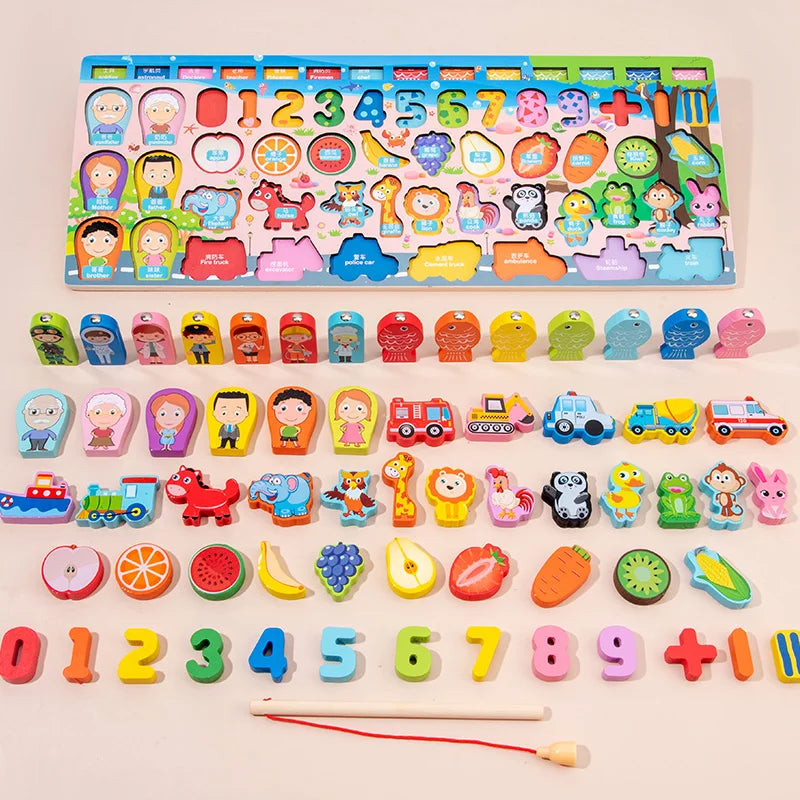
Hands on learning activities for kindergarten made easier 💡 See it in action
How It Compares to Other Learning Toys
| Feature | Wooden Math Toy | Plastic Alternatives |
|---|---|---|
| Durability | High | Medium |
| Focus Support | Strong | Often distracting |
| Safety Feel | Natural, solid | Lightweight |
| Longevity | Multiple years | Often short-term |
Parents choosing long-term value often prefer wooden learning sets that age gracefully with the child.
Real Parent and Teacher Experiences
A preschool teacher shared that after introducing wooden math sets, group lessons became calmer and more productive. “Children waited their turn and corrected themselves,” she explained.
Another parent noticed reduced frustration during homework-style play. “He stopped melting down when he made mistakes. He just tried again.”
These stories reflect why families return to wooden learning tools again and again.
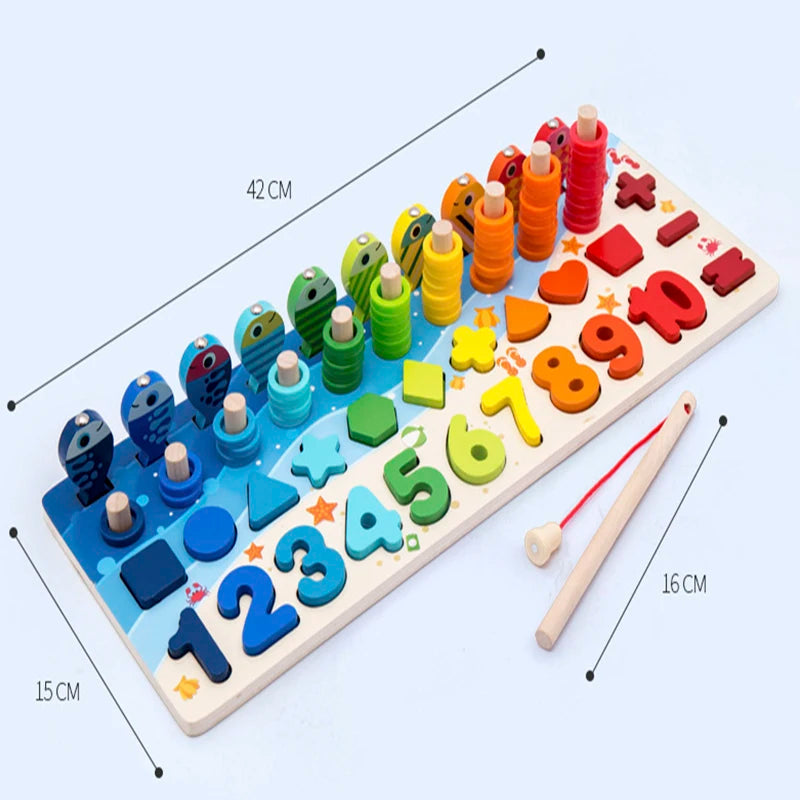
Child safe wooden toys supporting confident learning 💡 See it in action
Frequently Asked Questions
Are preschool educational wooden toys suitable for daily use?
Yes. Parents and teachers report that well-made wooden toys handle daily play in homes and classrooms without breaking or losing quality.
Do wooden toys really help reduce screen time?
Many families notice children choosing wooden toys over screens because the play feels engaging and purposeful.
What age range benefits most from these toys?
Most preschool educational wooden toys support ages 3–6, growing naturally from early counting to kindergarten-level activities.





