

Preschool Line Tracing: Who Benefits Most and Why
Does preschool line tracing really help children develop skills?
Preschool line tracing helps children build fine motor control, hand-eye coordination, and early writing confidence. By practicing simple lines and shapes, kids strengthen the muscles needed for drawing and writing, making it easier to progress toward letters and numbers while reducing frustration during learning activities.
Preschool Line Tracing: Who Benefits Most and Why
Preschool line tracing is more than just a simple activity—it’s a powerful way to spot when a child struggles with tracing and drawing shapes or when a preschooler lacks fine motor drawing skills. With the right approach and practical tips to help kids learn tracing shapes, parents can turn frustration into progress and confidence. But what makes some children improve faster than others, and are you using the most effective techniques yet?
⏱ 6 min read
Does your child avoid drawing, struggle to follow lines, or get frustrated holding a pencil? You’re not alone—and there’s a simple, proven way to help.
👉 Discover tools that make tracing easier and more fun for your child
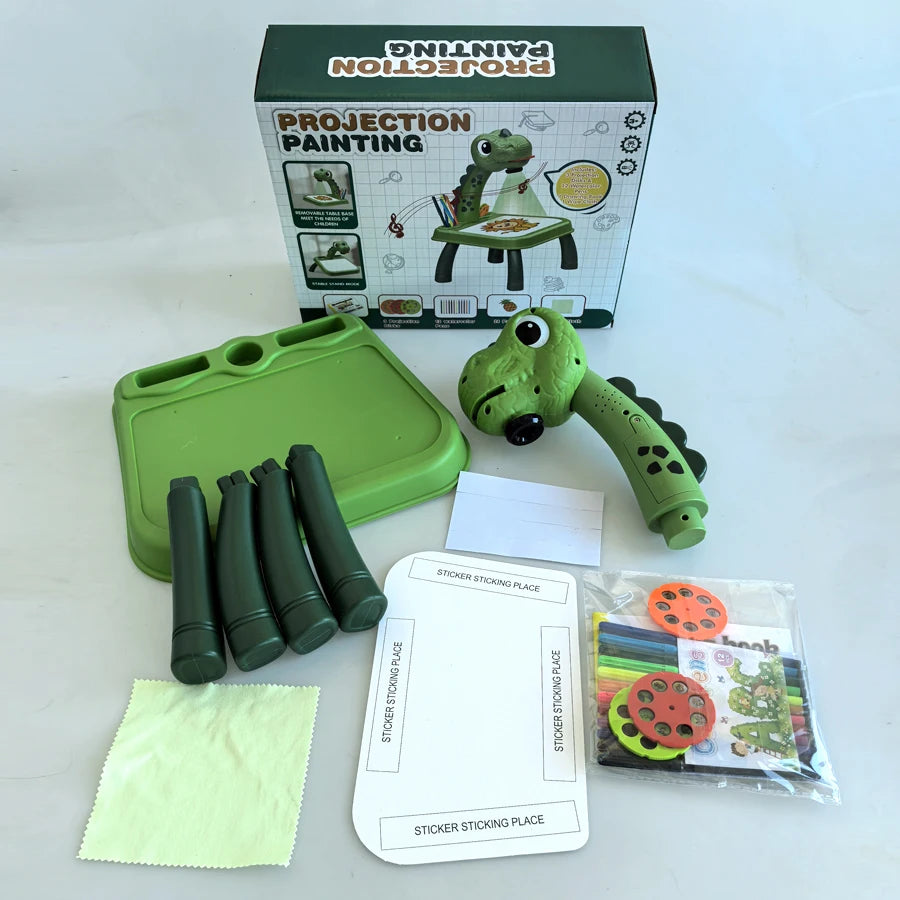
Preschool line tracing practice for kids who struggle with tracing and drawing shapes 💡 See it in action
What Is Preschool Line Tracing and Why It Matters
Preschool line tracing is the practice of following lines, curves, and shapes using a finger, crayon, or pencil. It’s one of the earliest steps toward writing readiness.
Instead of jumping straight into letters, tracing builds the foundation first—control, direction, and confidence.
- Strengthens finger muscles
- Improves hand-eye coordination
- Builds focus and patience
- Prepares for writing letters and numbers
Many parents overlook this stage, but skipping it often leads to frustration later.
Who Benefits Most from Preschool Line Tracing?
Preschool line tracing benefits children aged 2–5, especially those who struggle with tracing and drawing shapes or show delays in fine motor control. It supports early writing readiness by improving grip strength, coordination, and visual tracking, helping children gain confidence before learning letters and numbers.
1. Children with Weak Fine Motor Skills
If your preschooler lacks fine motor drawing skills, tracing helps strengthen the small muscles in their hands.
2. Kids Who Avoid Drawing
Some children feel overwhelmed by blank pages. Tracing gives them structure and guidance.
3. Early Learners Preparing for School
Tracing helps kids transition smoothly into writing tasks in preschool or kindergarten.
4. Highly Active Children
Tracing activities improve focus and encourage calm, seated engagement.
Explore more developmental tools in Baby Growth & Learning to support your child’s progress.
Signs a Child Struggles with Tracing and Drawing Shapes
- Cannot follow straight or curved lines
- Holds pencil awkwardly or too tightly
- Avoids drawing activities
- Gets frustrated quickly
- Drawings lack control or direction
Quick question: Does your child show 2 or more of these signs? If yes, targeted tracing practice can make a big difference.
How Line Tracing Builds Fine Motor Skills Faster
- Repetition builds muscle memory: Kids learn control through repeated movement
- Guided paths reduce overwhelm: Clear lines make learning manageable
- Visual tracking improves: Eyes and hands work together
- Confidence increases: Success with simple tasks motivates continued learning
Pair tracing with tools from Sensory Toys to make practice more engaging and interactive.
👉 Learn step-by-step how to choose the right drawing tools for your child
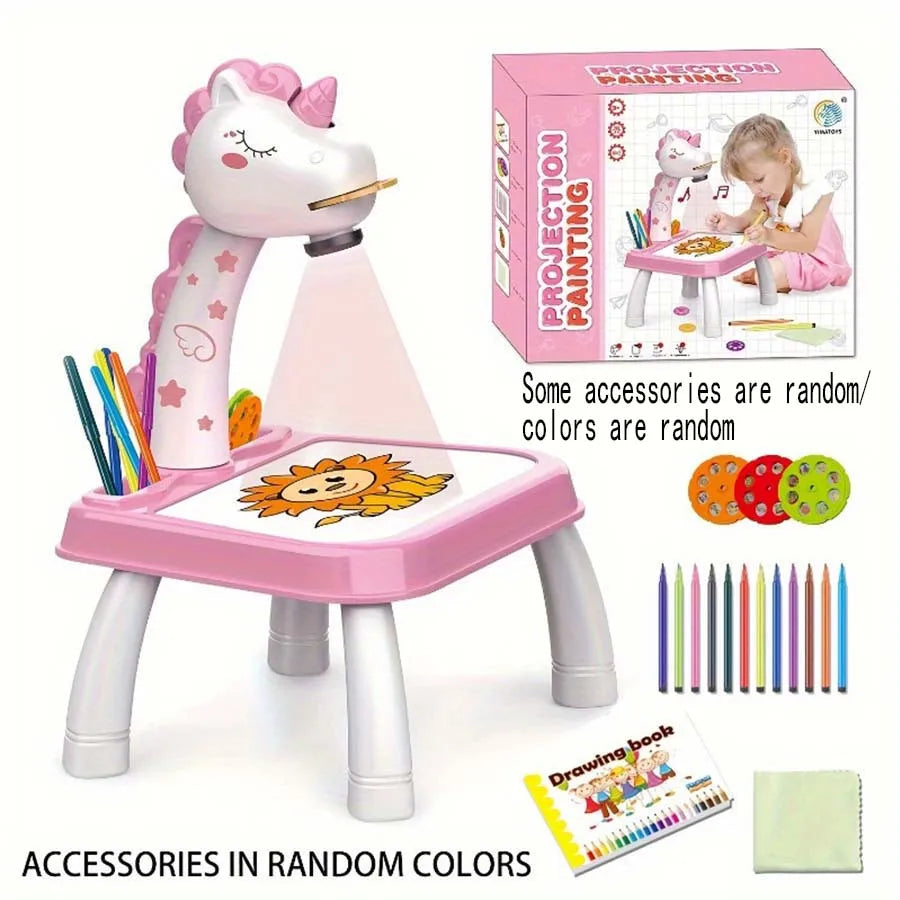
Helping a preschooler who lacks fine motor drawing skills with guided tracing 💡 See it in action
How the Right Tools Make Tracing Easier and More Fun
Not all tracing methods are equal. The right tools can turn frustration into excitement.
Why projection drawing tools stand out
- Project clear, easy-to-follow lines
- Reduce pressure on kids to “draw perfectly”
- Make learning feel like play
- Encourage independent practice
One example is the kids projection drawing table, which visually guides children through shapes and drawings.
| Feature | Traditional Tracing | Projection Drawing Table |
|---|---|---|
| Guidance clarity | Moderate | High |
| Engagement level | Low–Medium | High |
| Ease for beginners | Challenging | Beginner-friendly |
Step-by-Step: Tips to Help Kids Learn Tracing Shapes
-
Start with big movements
Use fingers or large markers before pencils. -
Use simple lines first
Begin with straight lines, then curves, then shapes. -
Keep sessions short
5–10 minutes is enough for young children. -
Make it playful
Use lights, colors, or interactive tools. -
Praise effort, not perfection
Encouragement builds confidence.
Helpful tools can be found in Smart Baby Gadgets designed to support learning through play.
Tracing Practice vs Free Drawing: What’s Better?
| Aspect | Tracing | Free Drawing |
|---|---|---|
| Skill building | Structured | Creative |
| Best for beginners | Yes | No |
| Confidence boost | High | Varies |
Best approach: Start with tracing, then gradually introduce free drawing.
Real Parent Experiences
“My son used to refuse drawing completely.”
After using guided tracing tools, he now enjoys practicing daily.
“I thought my daughter was behind.”
Turns out she just needed structured practice—and improved within weeks.
Parents often find that combining tracing with playful tools like the kids projection drawing table creates faster progress.
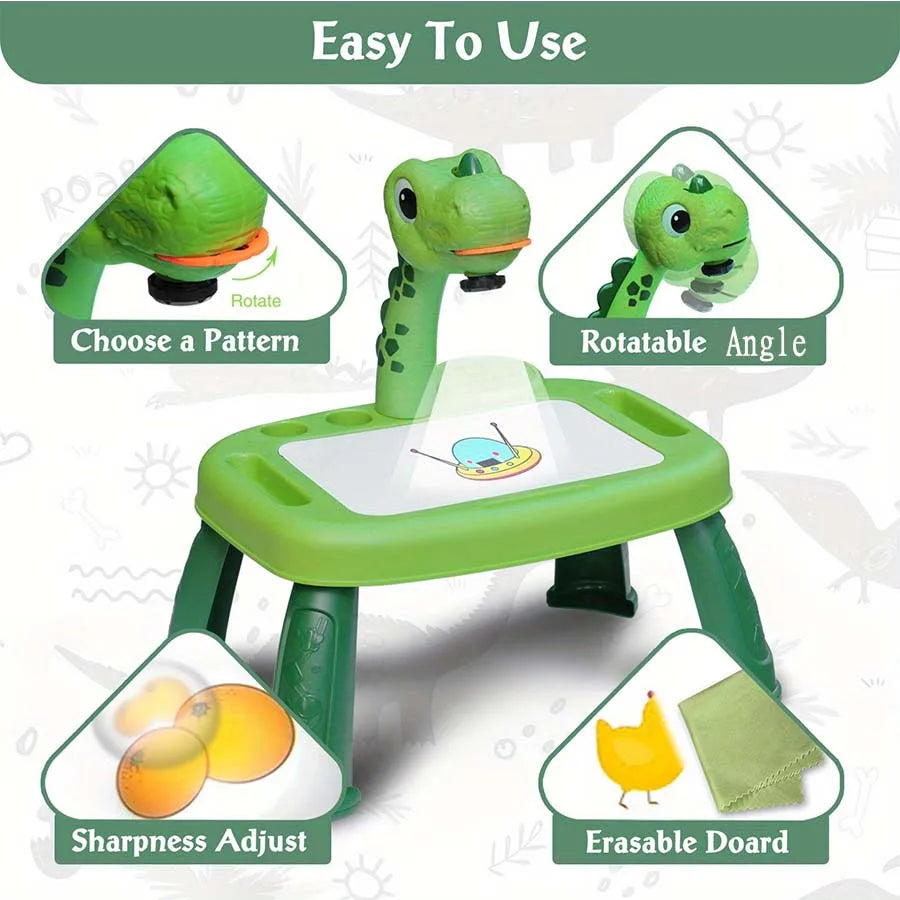
Tips to help kids learn tracing shapes with engaging visual tools 💡 See it in action
👉 Get yours now — limited stock! Make tracing fun and frustration-free today
FAQs
At what age should kids start preschool line tracing?
Most children can begin simple tracing around age 2–3. Start with large lines and gradually move to smaller shapes as their coordination improves.
What if my child refuses to trace?
Try making it playful. Use light-up or projection tools, reduce pressure, and keep sessions short. Engagement matters more than perfection.
How long does it take to see improvement?
With consistent practice, many parents notice better control and confidence within 2–4 weeks.
Are tracing tools better than worksheets?
Interactive tools often work better because they engage children visually and reduce frustration, especially for beginners.
Pillar Article: Learning Toys for Preschoolers: Best Uses by Skill Level
Other Related Articles:
Explore More:





