

Preschool Manipulative Toys Explained: Benefits and Smart Choices
What are the best educational toys for 3 year olds?
Educational toys for 3 year olds support early learning by combining play with skills like counting, sorting, and problem-solving. The best options include preschool manipulative toys that encourage hands-on exploration, strengthen early math concepts, improve fine motor coordination, and promote independent thinking through open-ended activities rather than passive entertainment.
Educational Toys for 3 Year Olds Compared: Learning Value Tested
⏱ 7 min read
Choosing educational toys for 3 year olds can feel overwhelming when every option promises smarter, happier learning. Parents want toys that genuinely build skills, maintain interest, and grow alongside their child. This guide explains how preschool manipulative toys support learning through play, compares the most effective toy categories, and helps you choose activities that encourage confidence, curiosity, and everyday discovery.
Preschool math manipulatives transform everyday play into meaningful learning experiences. From preschool Montessori materials to colorful sorting sets and counting games, these hands-on tools make learning math enjoyable while strengthening early math skills for preschoolers, including number recognition, pattern building, sorting, matching, and logical thinking. The best educational toys combine purposeful play with opportunities for independent exploration.
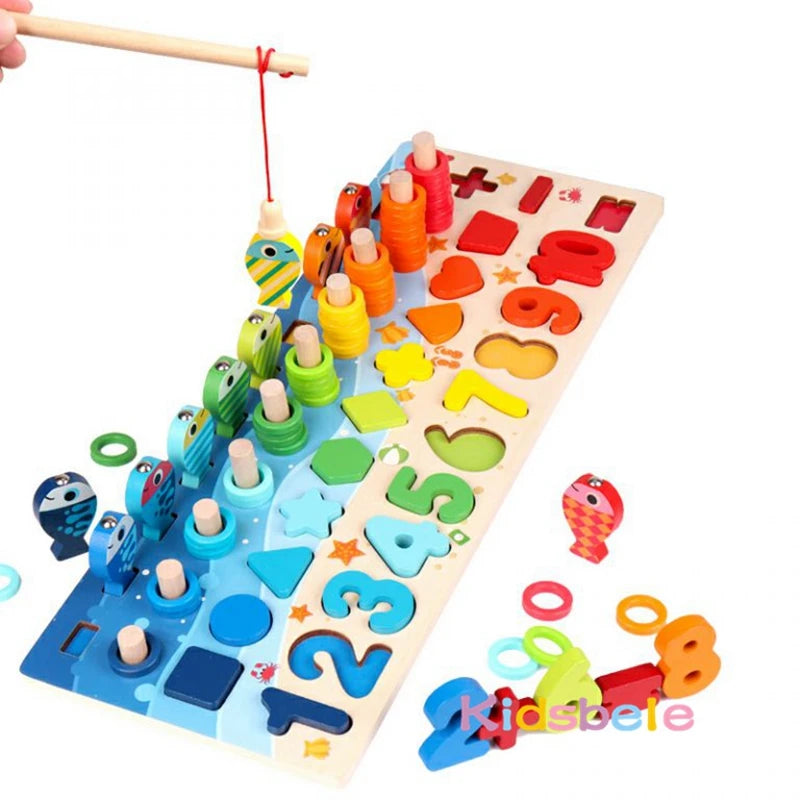
Educational toys for 3 year olds encourage hands-on exploration and early problem-solving. See them in action.
What Are Preschool Manipulative Toys?
Preschool manipulative toys are hands-on learning materials designed for children to move, sort, stack, count, match, and explore with their hands. Unlike general toys that focus mainly on entertainment, manipulatives in preschool encourage active participation so children learn by experimenting and discovering solutions independently.
These toys make abstract ideas easier to understand because children can physically interact with numbers, shapes, colors, and patterns. This approach is especially effective for hands-on learning math, where touching and moving objects helps preschoolers connect real experiences with early academic concepts.
- Counting bears and number boards
- Shape sorters and stacking rings
- Wooden puzzles and matching games
- Building blocks and pattern tiles
- Sorting trays with colorful counters
Why Hands-On Learning Matters in Preschool
At three years old, children learn most effectively through movement, repetition, and sensory experiences. Hands-on learning encourages curiosity while helping the brain create lasting connections between actions and ideas.
Preschool math toys that require children to touch, sort, and build improve far more than number skills. They also strengthen memory, concentration, coordination, and confidence as children solve problems on their own.
- Develops early math skills for preschoolers through real objects
- Strengthens fine motor control using grasping and precise movements
- Encourages sensory engagement through different shapes and textures
- Builds confidence by allowing children to self-correct mistakes
- Supports independent learning through repeated practice
Many families pair learning activities with resources from Baby Growth & Learning to create engaging play spaces that encourage everyday development.
Key Developmental Skills Built with Manipulatives
Math and Number Sense
Preschool math manipulatives help children recognize numbers, compare quantities, identify patterns, and understand one-to-one correspondence before formal arithmetic begins.
Fine Motor Skills
Picking up small pieces, fitting puzzles together, stacking blocks, and placing counters all strengthen the hand muscles needed later for writing, drawing, and self-care activities.
Problem Solving and Logic
Manipulative toys encourage experimentation. Children learn to test ideas, recognize mistakes, and discover multiple solutions without relying entirely on adult instruction.
Language and Social Skills
Playing together encourages conversation, turn-taking, describing objects, asking questions, and following simple directions. These interactions naturally build vocabulary alongside cognitive development.
Types of Preschool Manipulative Toys
Math Manipulatives
Counting cubes, number rods, bead strings, and pattern blocks make preschool math concepts visual and interactive while supporting counting, sequencing, and basic addition.
Preschool Montessori materials emphasize self-directed learning using carefully designed tools that encourage children to recognize patterns and correct mistakes independently.
Sensory and Fine Motor Toys
Shape sorters, lacing beads, peg boards, and stacking toys improve coordination while providing rich sensory experiences that keep young learners engaged.
STEM and Building Toys
Building blocks, magnetic construction sets, and simple engineering kits introduce spatial reasoning, creativity, and early problem-solving while encouraging imaginative play.
Montessori Math Manipulatives for Preschoolers
Montessori math manipulatives encourage children to discover mathematical concepts through exploration rather than memorization. Instead of simply recognizing numbers on a page, preschoolers physically count, arrange, compare, and organize objects to understand quantity and relationships.
Common Montessori materials include number boards, counting rods, stacking puzzles, geometric shapes, and sorting activities that gradually increase in difficulty while supporting independence.
- Number boards strengthen counting order and quantity recognition.
- Shape sorters improve visual discrimination and classification.
- Stacking puzzles build sequencing, coordination, and spatial awareness.
- Self-correcting activities encourage confidence without constant adult assistance.
A popular option is the Montessori Math Toy Wooden Puzzle , which combines counting, sorting, matching, and color recognition into one engaging activity suitable for home or preschool learning.
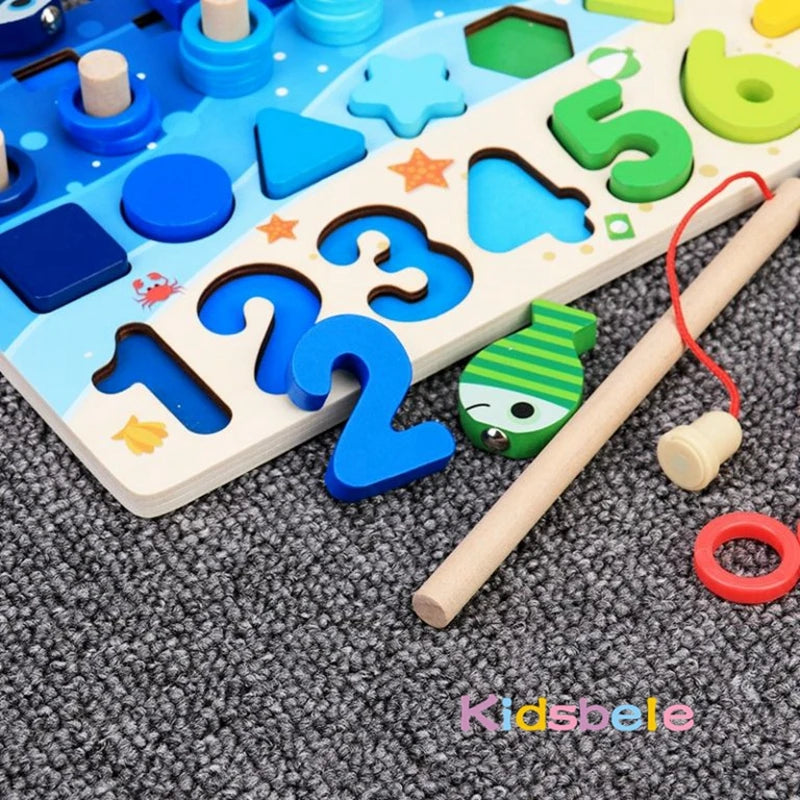
Hands-on Montessori manipulatives help preschoolers build early math skills through everyday play.
Best Examples of Preschool Manipulative Toys
The best manipulatives for preschool combine multiple learning objectives while remaining fun enough for repeated play. Look for toys that allow children to experiment freely instead of completing only one fixed task.
- Counting toys: Number boards, counting bears, wooden abacuses, and bead strings.
- Sorting activities: Color discs, stacking cups, shape sorters, and matching games.
- Building toys: Wooden blocks, magnetic tiles, and construction sets that promote creativity.
- Puzzles: Alphabet puzzles, number puzzles, and sequencing boards that strengthen logical thinking.
How to Choose the Right Manipulative Toys
Selecting preschool math toys becomes easier when you focus on your child's developmental stage rather than the number of features included.
- Choose age-appropriate activities that provide a manageable challenge.
- Look for durable materials with smooth edges and non-toxic finishes.
- Select toys that support your child's current learning goals, such as counting, sorting, or matching.
- Favor open-ended toys that encourage multiple ways to play.
- Rotate manipulatives regularly to maintain interest and introduce new challenges.
Combining learning activities with calming routines from Sleep & Comfort can help children transition naturally between focused play and quiet time.
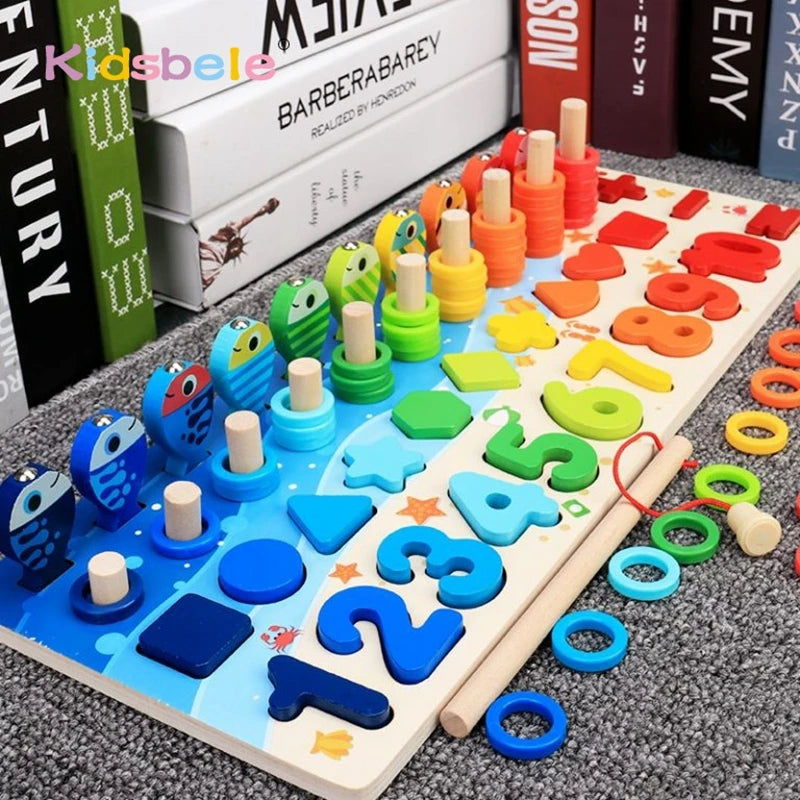
Quality preschool manipulatives encourage exploration, creativity, and independent learning.
How to Use Manipulatives in Preschool Activities
Knowing how to use math manipulatives for preschool is just as important as choosing the right toys. Short, engaging activities often produce better learning outcomes than long, structured lessons.
- Count everyday objects during snack time or cleanup.
- Create simple color and shape sorting games.
- Build repeating patterns using blocks or beads.
- Ask children to compare which group has more or fewer objects.
- Encourage independent exploration before offering help.
Whether used at home or in the classroom, manipulatives work best when adults ask open-ended questions instead of providing immediate answers. This encourages critical thinking and helps children develop confidence through discovery.
Frequently Asked Questions
How long should preschoolers play with manipulatives?
Most preschoolers benefit from focused play sessions lasting 10 to 20 minutes. Several short sessions throughout the day are usually more effective than one long activity.
Are manipulative toys safe for preschoolers?
Yes. Choose high-quality toys made with non-toxic materials, smooth edges, and appropriately sized pieces that meet the recommended age guidelines.
Do manipulatives replace structured learning?
No. Preschool manipulative toys reinforce concepts introduced through books, classroom lessons, and guided instruction while making learning more engaging.
Why are manipulatives important for early math skills?
Manipulatives help children visualize numbers, quantities, patterns, and relationships. Physically moving objects strengthens understanding far more effectively than memorization alone.
How can parents use manipulatives at home?
Parents can incorporate manipulatives into everyday routines by counting household objects, sorting toys by color or size, building simple patterns, and encouraging children to explain their thinking during play.





