

Prevent Baby Slipping Indoors Step by Step Safety Guide
How can you prevent baby slipping indoors safely?
Prevent baby slipping indoors by improving floor grip, using non-slip surfaces, dressing babies in traction-enhancing gear, and arranging safe crawling paths. These simple steps protect tiny hands and knees, improve crawling safety, and support healthy infant mobility—especially on smooth surfaces like hardwood or tile.
Prevent Baby Slipping Indoors Step by Step Safety Guide
⏱ 6 min read — Worried about your baby slipping on smooth floors? You’re not alone. Many parents struggle with crawling safety, especially on hardwood or tile. The good news: preventing indoor slips doesn’t require a full home makeover. With a few smart adjustments, you can create a safer, confidence-boosting environment that supports healthy infant mobility.
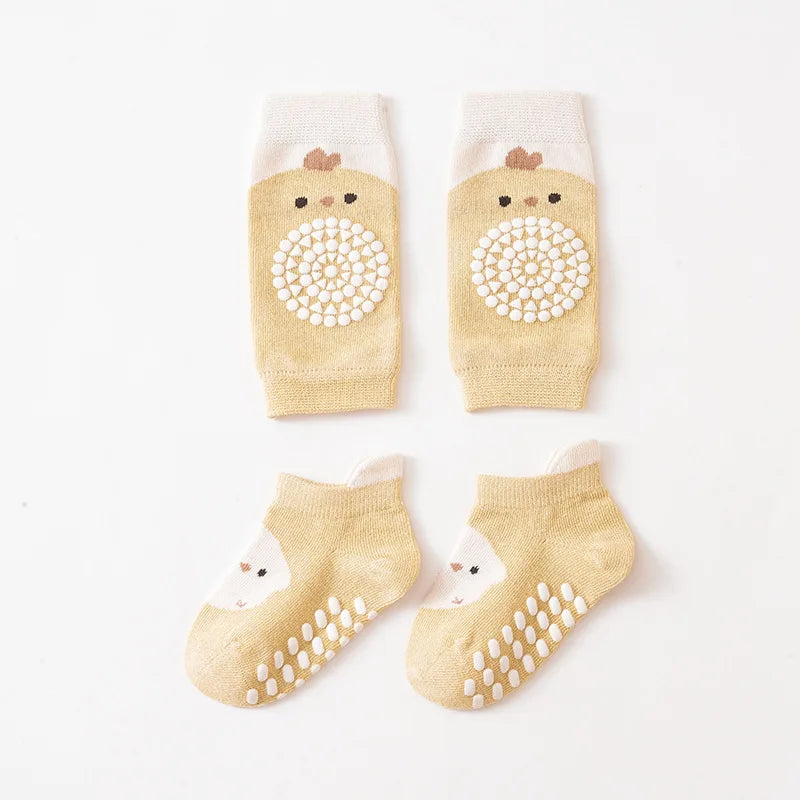
Improve crawling safety on hardwood floors and boost infant mobility — 💡 See it in action
Why Do Babies Slip Indoors?
Most modern homes are designed for adults—not for crawling, wobbly little explorers. Hardwood, laminate, tile, and polished concrete all look great, but they’re low-friction surfaces. Babies lack muscle control and balance, so they rely heavily on grip. Without it, slips happen.
- Smooth flooring reduces traction
- Socks without grip increase sliding
- Wide open spaces can overwhelm beginners
- Furniture placement creates unexpected hazards
These factors affect crawling safety and can slow down infant mobility development if not addressed.
Fast Ways to Prevent Baby Slipping Indoors
Prevent baby slipping indoors by focusing on traction, layout, and baby-friendly surfaces. You don’t need to remodel—just rethink how your space works for a crawler.
- Add non-slip mats or foam tiles
- Use grip-enhanced socks or knee pads
- Create defined crawling zones
- Remove loose rugs and cords
Step-by-Step: How to Prevent Baby Slipping Indoors
Step 1: Assess Your Floors
Walk your baby’s usual paths. Where do they slide? Where do they hesitate? Hardwood floors are the most common culprit. Mark those areas mentally.
Step 2: Add Grip Zones
Use foam tiles, rubber-backed mats, or textured play rugs. These create safe zones that encourage movement.
Explore safety-focused tools inside the Health & Safety collection for supportive surfaces.
Step 3: Dress for Traction
Clothing matters more than most parents realize. Bare knees on hardwood = sliding. Grip-enhanced knee pads or socks give instant stability.
Our recommended solution: Non-slip baby knee pads & socks.
Step 4: Guide with Layout
Babies follow visual paths. Arrange furniture to form safe corridors. This reduces sudden falls and builds confidence.
Step 5: Practice Supervised Play
Give your baby time to adjust. Supervised crawling on safer surfaces builds muscle memory and balance.
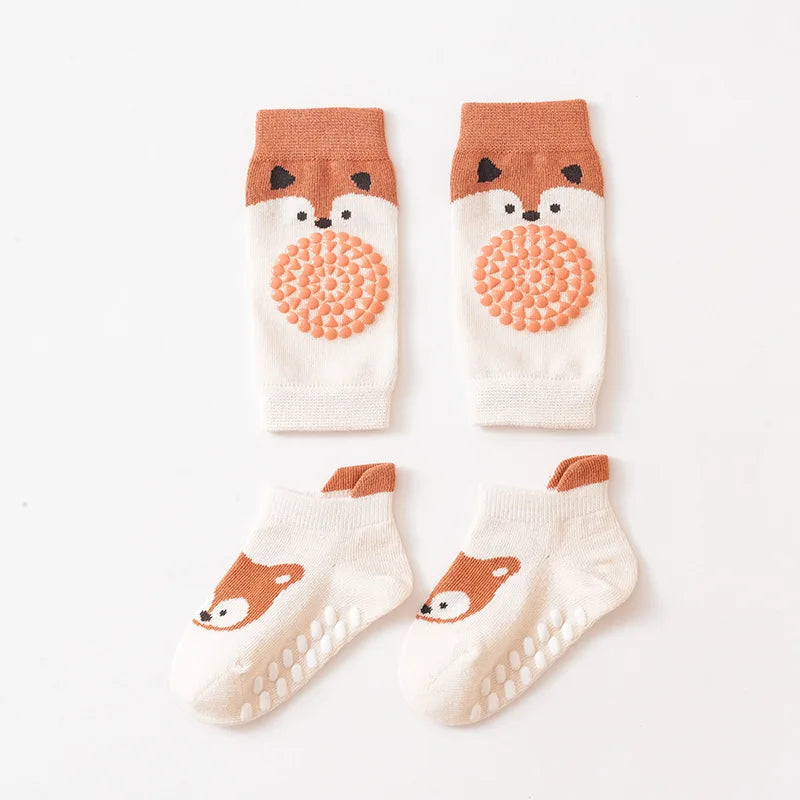
Boost crawling safety and infant mobility at home — 💡 See it in action
Helpful Gear That Makes a Difference
Choosing the right tools can dramatically improve crawling safety. Focus on items that increase grip without limiting movement.
- Non-slip knee pads
- Grip socks
- Foam play mats
- Textured rugs
Find development-friendly items in Baby Growth & Learning.
Common Mistakes Parents Make
- Leaving babies in slippery socks
- Using loose throw rugs
- Ignoring shiny tile zones
- Overcrowding play areas
Prevent baby slipping indoors by avoiding these small but impactful mistakes.
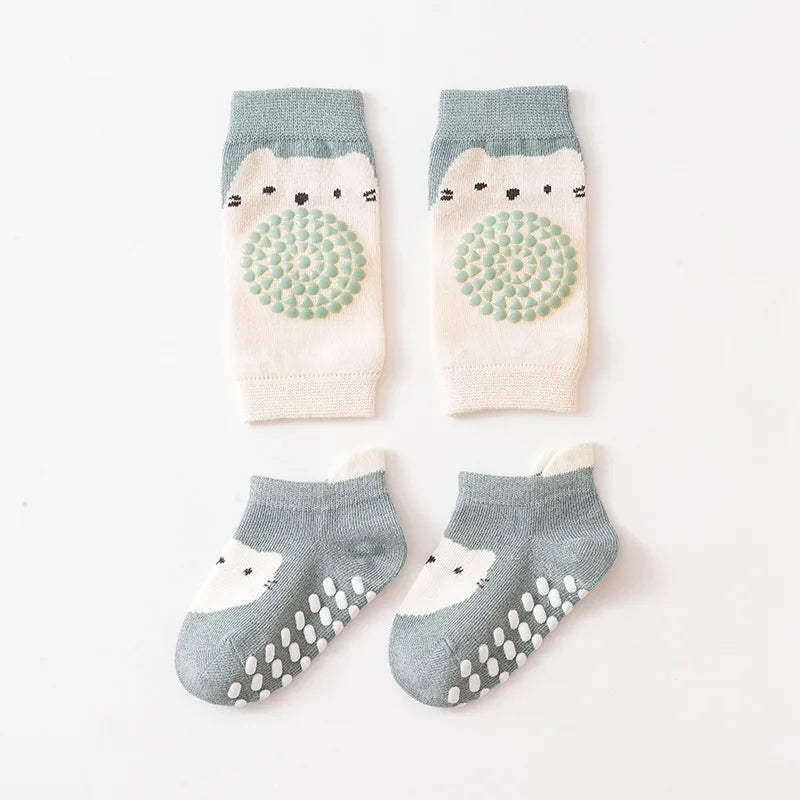
Safer crawling on hardwood floors made easy — 💡 See it in action
Mini FAQ
Is hardwood dangerous for crawling babies?
Hardwood isn’t dangerous by itself, but it’s very slippery. Adding grip surfaces and traction gear prevents most slips.
When should I start slip-proofing my home?
As soon as your baby begins scooting or rolling. Early prep avoids accidents later.
Do grip socks really help?
Yes. They significantly improve stability and crawling confidence.
Final Tip: Small changes today can prevent big falls tomorrow. Support your baby’s confidence, movement, and joy—one safe step at a time.





