

PVC Inflatable Material Explained: Durability, Safety & Uses
Does pvc inflatable material really last for long-term pool use?
Pvc inflatable material can provide long-term inflatable pool durability when the pool uses quality PVC thickness, reinforced layers, strong seams, and proper maintenance. PVC is widely used because it combines flexibility, waterproof performance, puncture resistance, and air retention. A well-built pvc inflatable pool can last through repeated summer use, but lifespan depends on material quality, construction methods, storage habits, and exposure conditions.
PVC Inflatable Material Explained for Long-Lasting Pool Use
PVC inflatable material is the foundation behind many durable inflatable swimming pools for home use. While cheaper pools may weaken after one season, a heavy duty inflatable swimming pool made with reinforced PVC can better handle sunlight, water pressure, active play, and repeated inflation. Understanding PVC layers, thickness, coatings, and manufacturing quality helps you choose a long lasting inflatable pool that delivers better value.
⏱ 10 min read
Many parents assume inflatable pool durability depends only on size or design, but the material inside the walls matters most. A pool that uses thin plastic may stretch, lose air, or develop seam problems quickly. In contrast, durable inflatable pool material uses engineered PVC construction to improve strength, flexibility, and resistance against everyday wear.
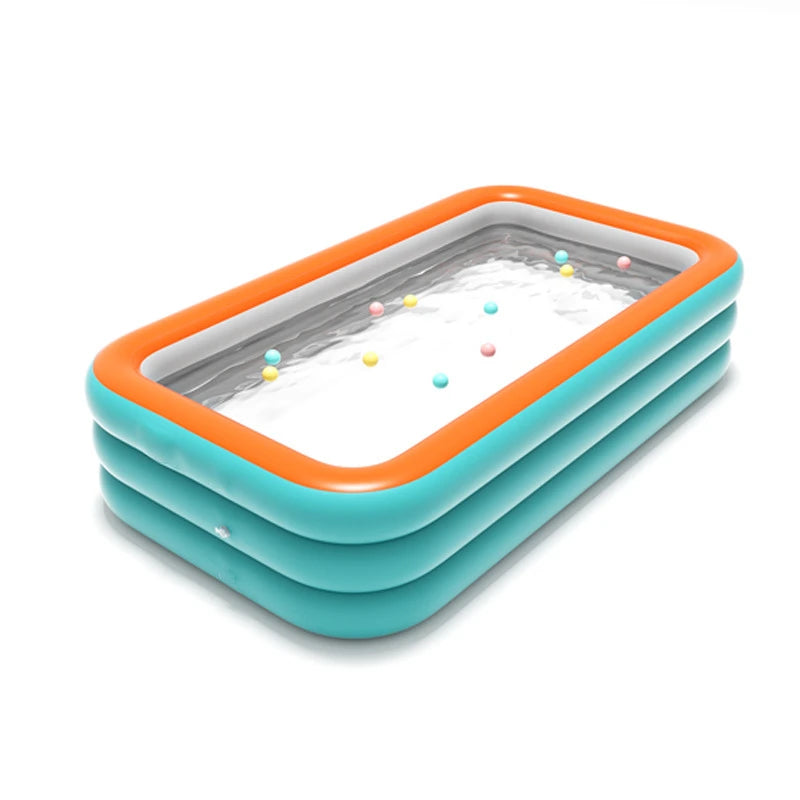
Pvc inflatable material used in a family-friendly pvc inflatable pool See it in action
What is pvc inflatable material and how is it made?
Pvc inflatable material is a flexible synthetic fabric made from polyvinyl chloride (PVC). For inflatable pools, PVC is usually combined with reinforcing layers to create a waterproof, airtight structure that can expand, hold pressure, and resist damage from regular use.
Unlike simple plastic sheets, high-quality PVC inflatable material is engineered as a multi-layer system. These layers work together to provide flexibility while maintaining shape and strength.
Anatomy of PVC inflatable fabric
A typical inflatable PVC structure contains several important components:
- PVC outer layers: Provide waterproof protection and a smooth, durable surface.
- Polyester scrim reinforcement: Adds tensile strength and reduces stretching under pressure.
- Adhesive bonding layers: Connect materials into a stable laminated structure.
- Protective finishes: Improve resistance against UV exposure, abrasion, and stains.
How PVC coating creates a waterproof and airtight layer
PVC coating seals the internal fabric structure and prevents water penetration. The coating also helps inflatable products maintain air pressure by reducing permeability. This combination makes PVC pool material durability suitable for products that need repeated inflation, outdoor exposure, and regular cleaning.
Laminated PVC usually offers stronger construction because multiple PVC layers are bonded together, while coated PVC applies a protective PVC layer over a base fabric. Both methods can work well when matched with the correct application.
For families building safer water routines, pairing durable pool equipment with items from Baby Bath Accessories can support organized and comfortable care.
Key properties of durable PVC inflatable material
Not all PVC inflatable materials provide the same performance. Thickness, reinforcement, and manufacturing standards influence how well an inflatable pool handles pressure, weather, and repeated use.
Thickness, GSM, and denier explained
Material specifications help indicate durability:
- PVC thickness: Thicker PVC generally provides better resistance against punctures and stretching.
- GSM (grams per square meter): Measures fabric weight and can indicate reinforcement density.
- Denier: Describes the strength of reinforcing fibers used inside inflatable fabric.
For a heavy duty inflatable swimming pool, stronger materials typically combine thicker PVC walls with reinforced fabric layers rather than relying on PVC thickness alone.
Tensile strength, tear resistance, and air retention
Durable inflatable pool material should resist pulling forces caused by water pressure and movement. Reinforced PVC helps prevent stretching, while quality seams reduce air loss over time.
UV resistance and temperature performance
Outdoor pools face constant sunlight and temperature changes. UV-resistant PVC formulations help reduce fading, brittleness, and surface cracking, improving inflatable pool durability long term.
Why heavy duty inflatable swimming pools use PVC material
A heavy duty inflatable swimming pool relies on PVC because it provides a practical balance of strength, comfort, and affordability. Compared with thin vinyl alternatives, reinforced PVC handles daily family use more effectively.
Durability benefits families notice
- Better resistance against small punctures from grass, patios, and outdoor surfaces
- Improved wall stability when children move or lean against the sides
- Reduced stretching during repeated filling and draining
- Longer usable lifespan when properly maintained
Why thicker PVC performs better for home pools
Thicker PVC construction creates stronger walls that maintain shape under water pressure. This does not mean the thickest material is always the best choice, but quality PVC thickness combined with reinforced layers usually provides better performance for an inflatable swimming pool for home use.
Families who already prioritize reliable household solutions from Health & Safety collections often look for the same durability standards when choosing outdoor products.
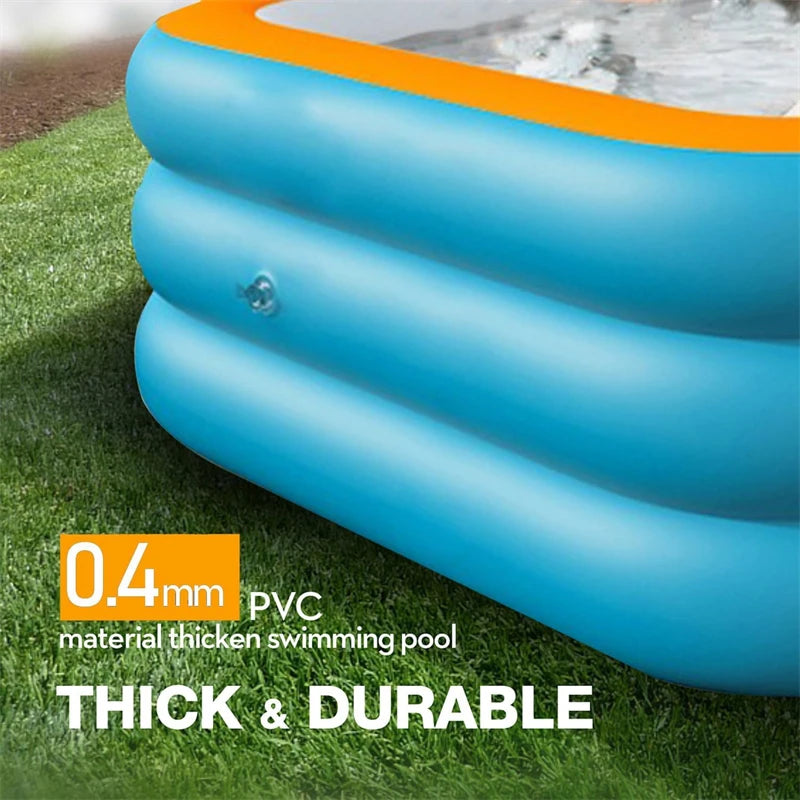
Heavy duty inflatable swimming pool design using pvc inflatable material See it in action
How PVC inflatable material is manufactured
The manufacturing process strongly affects how well PVC inflatable products perform. High-quality materials combined with precise production methods create stronger, more reliable inflatables.
Heat welding and high-frequency welding
Many premium inflatable products use welding methods instead of simple adhesives. Heat welding and high-frequency welding bond PVC layers together by creating strong molecular connections between surfaces.
- Heat welding: Uses controlled heat and pressure to join PVC sections.
- High-frequency welding: Uses electromagnetic energy to create consistent, durable seams.
How seam construction affects durability
Even excellent PVC material can fail if seams are weak. Welded seams generally provide better strength and air retention compared with lower-quality glued seams, especially in products exposed to water pressure and frequent movement.
PVC vs other inflatable materials
| Material | Durability | Flexibility | Cost | Best For |
|---|---|---|---|---|
| PVC inflatable material | High | Excellent | Affordable to moderate | Family pools and outdoor inflatables |
| TPU inflatable material | Very high | High | Higher | Premium lightweight inflatables and specialty products |
| Hypalon inflatable material | Very high | Good | High | Marine and extreme outdoor applications |
| Thin vinyl | Low | Medium | Low | Occasional short-term use |
PVC vs TPU
TPU can provide excellent abrasion resistance and flexibility, but it is usually more expensive. PVC remains popular because it offers strong durability at a more accessible price point for home inflatable pools.
PVC vs Hypalon
Hypalon is known for extreme weather resistance and is commonly used in demanding marine environments. For normal household pools, reinforced PVC typically provides sufficient performance without the higher cost.
Coated PVC vs laminated PVC
Coated PVC is suitable for many lightweight applications, while laminated PVC often provides improved strength because multiple layers are bonded together. The best option depends on intended use, pressure requirements, and expected lifespan.
Special PVC technologies for stronger inflatables
What is drop stitch PVC?
Drop stitch PVC is an advanced construction method where thousands of internal threads connect the top and bottom layers of an inflatable structure. When inflated, these threads create a rigid, high-pressure shape.
This technology is commonly used in paddle boards and premium inflatable products where stability is essential. Standard inflatable pools usually use air chambers, while reinforced designs may incorporate advanced structures for extra support.
Why reinforced PVC improves stability
Reinforced PVC adds strength without making the product unnecessarily rigid. It helps inflatable structures maintain their shape, resist deformation, and handle repeated use more effectively.
How to care for pvc inflatable material so it lasts longer
Proper maintenance can significantly improve inflatable pool durability long term. Even high-quality PVC benefits from regular cleaning, careful handling, and correct storage.
Cleaning and drying tips
- Rinse away chlorine, dirt, and debris after use.
- Allow the entire pool surface to dry before folding.
- Avoid harsh cleaning chemicals that may weaken PVC coatings.
Storage and repair recommendations
- Store away from direct sunlight and extreme temperatures.
- Use a protective ground mat to reduce abrasion.
- Inspect seams and surfaces regularly.
- Repair small punctures quickly with suitable PVC repair patches.
These habits are similar to the careful routines used with trusted items from Baby Care Essentials.
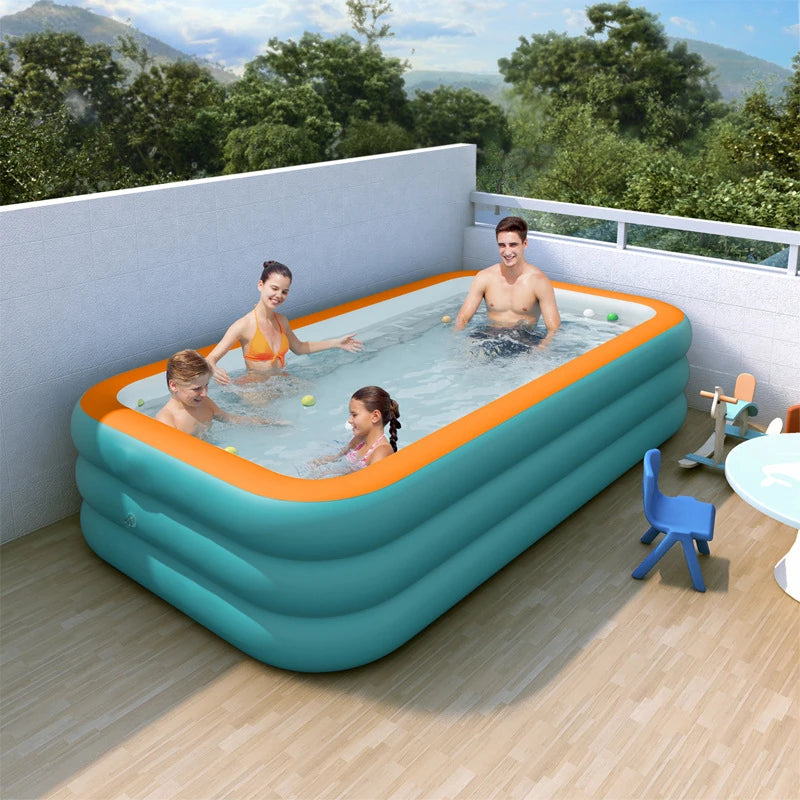
Inflatable swimming pool for home use made with pvc inflatable material See it in action
Choosing the right PVC inflatable material for different uses
PVC pools for home family use
For a pvc inflatable pool used at home, look for reinforced construction, durable seams, comfortable surfaces, and enough material strength for regular seasonal use.
Commercial and heavy duty applications
Commercial inflatables typically require thicker PVC, stronger reinforcement, and advanced seam construction because they experience heavier traffic and longer operating periods.
Choosing the correct material depends on frequency of use, location, expected lifespan, and whether the pool is designed for occasional recreation or daily family activity.
Quick FAQs about pvc inflatable material
Is pvc inflatable material safe for kids?
Yes, quality pvc inflatable material is commonly designed for supervised children’s products. Parents should choose reputable products, follow safety instructions, and always supervise children during water play.
How long does a PVC inflatable pool usually last?
A PVC inflatable pool can last several seasons when it uses durable materials, strong seams, and proper maintenance. Lifespan depends on PVC thickness, construction quality, sunlight exposure, and storage habits.
What thickness PVC is best for a heavy duty inflatable pool?
The ideal thickness depends on pool size and intended use. Heavy duty inflatable swimming pools usually benefit from thicker reinforced PVC rather than thin single-layer materials.
Is PVC better than TPU for inflatable products?
PVC is usually the better value choice for home inflatable pools because it offers strong durability and flexibility at a lower cost. TPU may be preferred for specialized applications requiring premium abrasion resistance.
Can PVC inflatable material be repaired after punctures?
Yes, small punctures in PVC inflatable material can often be repaired using compatible PVC patch kits. Repairing damage early helps prevent leaks from becoming larger problems.





