

PVC Pool Float Care Tips to Prevent Leaks and Cracks
How do you prevent a pvc pool float from leaking or cracking?
A pvc pool float lasts longer when it’s cleaned after each use, inflated to the right pressure, and stored away from heat and sun. Simple habits like rinsing off chlorine, avoiding overinflation, and patching tiny leaks early can turn everyday inflatables into durable pool floats that survive summer after summer.
PVC Pool Float Care Tips to Prevent Leaks and Cracks
⏱ 6 min read
A pvc pool float might look tough, but one wrong habit can ruin it fast. Ever pulled out your float on a hot day only to find a slow leak or ugly crack? With kids, busy schedules, and summer chaos, it’s easy to forget simple care steps that make all the difference. Let’s fix that.
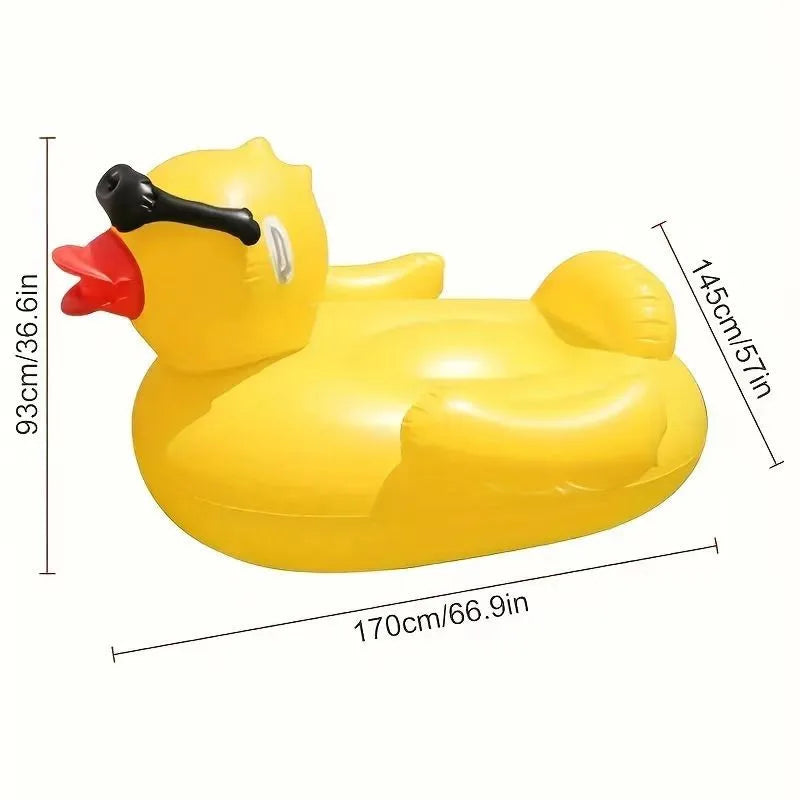
Durable pvc pool float setup for summer pool floats — 💡 See it in action
Quick thought: Which care mistake do you think destroys most cheap pool floats—sun, air pressure, or storage? Keep reading to find out.
Why Most PVC Pool Floats Fail Early
A pvc pool float usually doesn’t fail because of one big accident. It’s daily wear adding up. Chlorine dries the surface, sun weakens seams, and overinflation stretches the vinyl until tiny cracks form.
- Too much air pressure stresses seams
- Direct sun bakes PVC and causes brittleness
- Rough pool edges create micro-tears
- Improper storage folds weaken the material
Families focused on safety often already think this way with household routines. It’s the same mindset behind everyday protection found in Health & Safety essentials—small habits, big prevention.
How Proper Inflation Prevents Leaks
A pvc pool float should feel firm but still slightly flexible when you press it. Rock-hard inflatables are more likely to split, especially when left in the sun where air expands.
Step-by-step: Inflate the right way
- Inflate until the float holds shape but still bends
- Leave 10–15% space for air expansion
- Check firmness again after 10 minutes in the sun
- Release a little air if the surface feels tight
This single step dramatically extends the life of both premium and cheap pool floats, especially during heat waves.
Cleaning Habits That Protect PVC
Rinsing sounds boring, but it’s one of the most powerful ways to keep a pvc pool float looking new. Chlorine, salt, sunscreen, and body oils slowly eat away at PVC.
Simple cleaning routine
- Rinse with fresh water after every use
- Use mild soap once a week during heavy use
- Air-dry fully before storing
- Avoid harsh cleaners or brushes
This mirrors gentle-care routines many parents already use with personal items from Beauty & Wellness, where softness and consistency matter more than scrubbing hard.
Cleaning summer pool floats the right way keeps them durable — 💡 See it in action
How Heat and Sun Cause Cracks
Sun damage is the silent killer of summer pool floats. PVC softens in heat, then hardens as it cools—over and over—until cracks appear.
What to do instead
- Remove floats from water when not in use
- Store in shade between swim sessions
- Never leave inflated floats in a hot car
- Deflate slightly before long sun exposure
Think of it like protecting skin or baby gear—shade and moderation matter. That same logic drives smart choices across Baby Care Tips & Advice.
Smart Storage for Longer Lifespan
Most leaks start during storage, not swimming. Folding a pvc pool float the wrong way creates stress points that fail next season.
Best storage practices
- Clean and fully dry before storing
- Roll instead of sharp folding
- Keep in a cool, dry space
- Avoid heavy items on top
Done right, even cheap pool floats can survive multiple summers without patching.
Fix Small Leaks Before They Spread
A tiny leak doesn’t mean the end. Early repair keeps a pvc pool float usable for months—or years.
Fast repair checklist
- Locate leak with soapy water
- Dry area completely
- Apply patch and press firmly
- Wait full cure time before reinflating
Parents often appreciate quick fixes like this—small efforts that prevent bigger messes later, the same mindset behind preventive tools in Health & Safety.
Choosing Durable Pool Floats That Last
Not all inflatables are equal. Thicker PVC, reinforced seams, and smooth valve construction make a big difference.
| Feature | Why It Matters |
|---|---|
| Thicker PVC | Resists punctures and sun damage |
| Reinforced seams | Prevents air leaks at stress points |
| Quality valve | Reduces slow deflation |
A well-made pvc pool float paired with good care often outlasts several bargain replacements.
Long-lasting durable pool floats with proper care — 💡 See it in action
Quick FAQ
Can you leave a pvc pool float in the pool all day?
It’s better to remove it when not in use. Constant sun and chemical exposure shorten lifespan and increase the chance of cracks.
Why do cheap pool floats pop more easily?
They often use thinner PVC and weaker seams, making them more sensitive to heat, pressure, and rough surfaces.
How long should a well-cared-for pvc pool float last?
With proper cleaning, inflation, and storage, many last multiple summers without leaks.
Related Guide: How to Choose Pool Floats That Fit Your Body and Pool





