

How to Make Reading Fun for Kindergarten Without Pressure
Does reading fun for kindergarten really work?
Yes—reading fun for kindergarten is most effective when children feel curious, involved, and free to explore rather than pressured to perform. Interactive reading routines, playful tools, and short, engaging sessions help many kindergarteners stay focused while building positive associations with books. Over time, these enjoyable experiences can strengthen early literacy skills, confidence, and a lifelong love of reading.
Reading Fun for Kindergarten: Tools That Actually Work
Reading fun for kindergarten doesn't have to feel like a daily struggle—even if your child loses interest after only a few pages. If you're looking for practical ways to make reading enjoyable, encourage daily reading habits, and support early literacy without pressure, the right strategies can make a meaningful difference. By combining age-appropriate books with interactive activities and simple reading tools, you can transform story time into an experience your child genuinely looks forward to.
⏱ 6 min read
Many families discover that kindergarteners learn best when reading feels like play. Instead of focusing on perfection, small changes—such as letting children participate, move, point, or interact with stories—can increase engagement while helping develop vocabulary, listening skills, and reading confidence.
Ready to discover simple, research-supported ways to make reading more enjoyable? Keep reading.
Discover playful tools that transform reading time into meaningful family bonding.
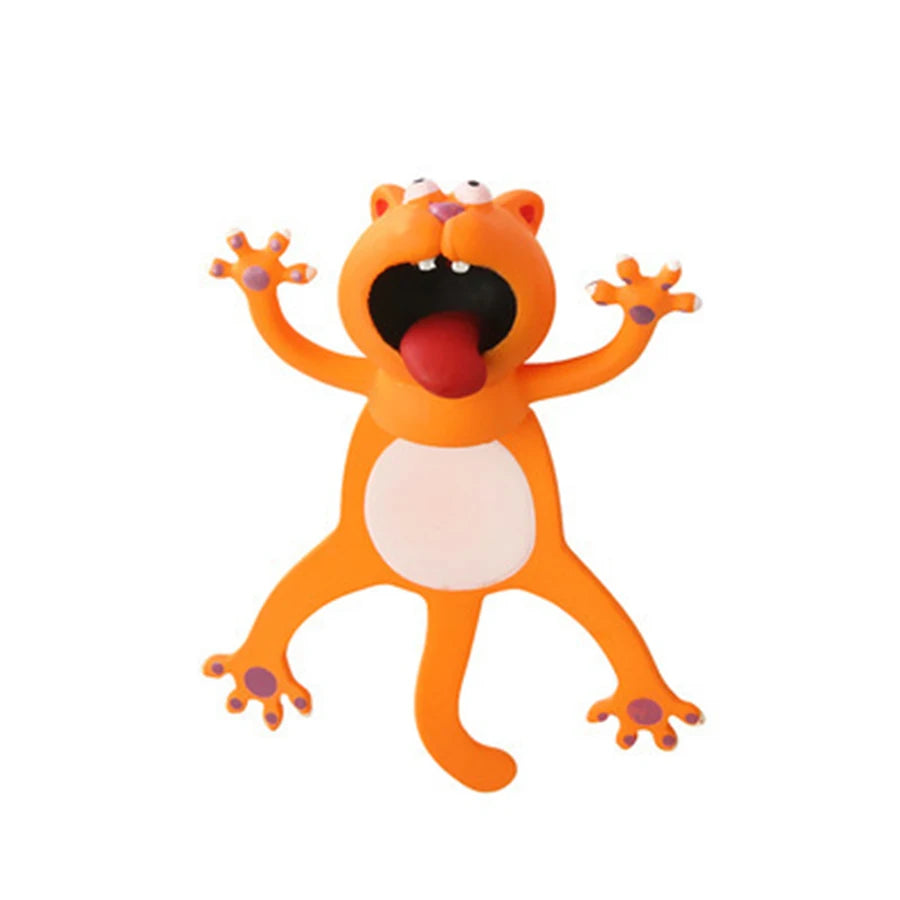
Make reading fun for kids with simple tools that spark curiosity. See it in action.
What Actually Creates Reading Fun for Kindergarten?
Reading fun for kindergarten grows when children become active participants instead of passive listeners. Young learners are naturally curious, and they stay engaged when stories encourage movement, conversation, and hands-on exploration. By combining age-appropriate books with playful interactions, parents and teachers can strengthen early literacy skills while helping children develop positive reading habits.
- Interactive experiences: Pointing to pictures, asking simple questions, and following along with a reading companion keep children involved.
- Visual appeal: Bright illustrations, colorful characters, and engaging reading accessories capture attention.
- Choice and independence: Allowing children to choose a book or reading tool increases motivation.
- Short daily sessions: Ten to fifteen minutes of focused reading is often more effective than longer sessions that lead to fatigue.
Rather than encouraging children to read for longer periods, the goal is to create enjoyable reading experiences that make them eager to open the next book.
Simple Tools to Help Kids Love Books (That Actually Work)
1. Interactive Bookmarks That Turn Pages Into Play
Bookmarks can become much more than simple page markers. A playful bookmark encourages children to track the story, stay engaged, and celebrate each page they complete.
Interactive bookmarks can:
- Give children a fun "reading buddy" during story time.
- Encourage page-turning and active participation.
- Provide a visual cue that helps young readers keep their place.
Example: A child who normally struggles to remain seated may become more interested when a favorite animal bookmark "travels" through the story alongside them.
Try it here: 3D Animal Bookmarks
2. Sensory Toys That Keep Hands Busy
Some kindergarteners concentrate better when their hands have a quiet activity. Appropriate sensory tools can help reduce fidgeting without distracting from the story.
Pair reading time with items from Sensory Toys to help:
- Reduce restlessness during reading.
- Support longer attention spans.
- Create a calm, comfortable reading environment.
3. Cozy Reading Spaces That Invite Focus
A welcoming reading environment encourages children to associate books with comfort and relaxation. Even a small reading corner can become a favorite daily destination.
Using items from Sleep & Comfort can help create a cozy reading routine with:
- Soft cushions or bean bags.
- Warm, comfortable lighting.
- A quiet area with minimal distractions.
4. Visual Progress Tools That Motivate Daily Reading
Young children often enjoy seeing their accomplishments. Simple visual trackers make daily reading feel rewarding without adding unnecessary pressure.
- Sticker charts.
- Reading trackers.
- Bookmark milestones that celebrate completed books or reading sessions.
Celebrating small successes builds confidence and encourages children to keep practicing every day.
Learn simple ways to turn daily reading into a habit your child loves.
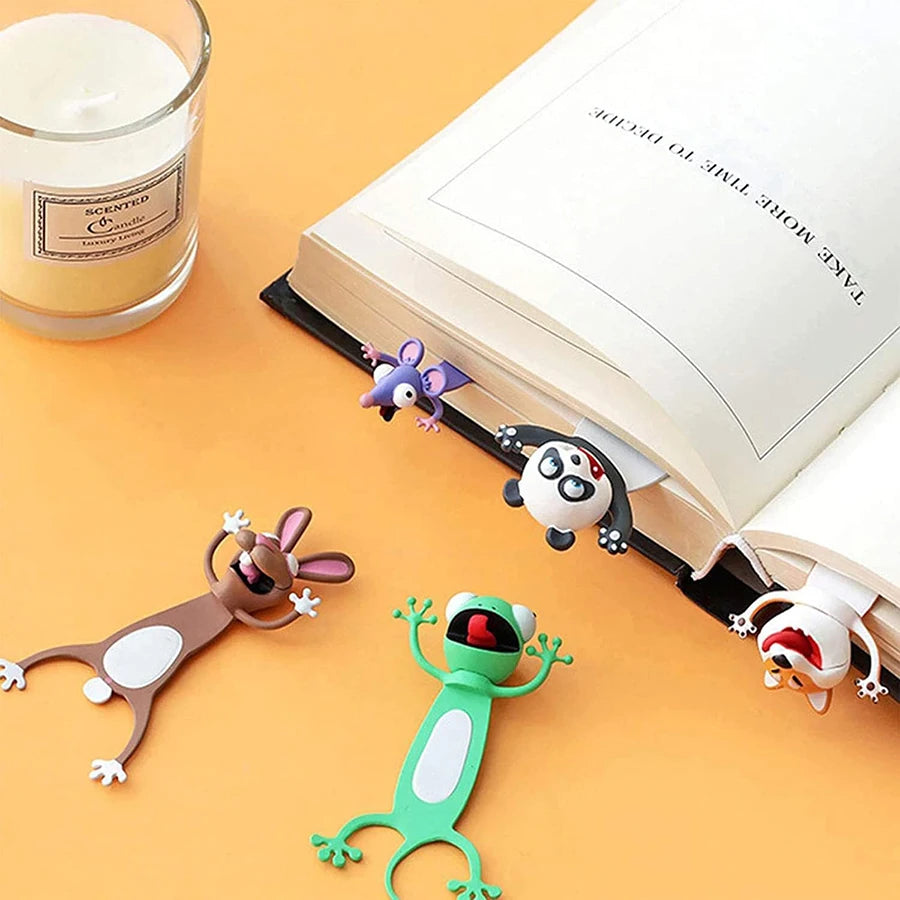
Fun ways to encourage kids reading daily with engaging tools. See it in action.
How to Make Reading Fun for Kids: Step-by-Step
- Start with a short session: Aim for 10–15 minutes to match a kindergartener's attention span and finish while your child is still interested.
- Let your child make choices: Invite them to pick the book, bookmark, or reading spot to build independence and motivation.
- Keep the story interactive: Ask simple prediction questions, encourage pointing to pictures, use different character voices, or let a favorite reading tool "follow along."
- Celebrate effort: Praise participation, curiosity, and persistence instead of focusing on reading every word correctly.
- Build a consistent routine: Reading at the same time each day helps children develop lasting literacy habits.
Small, enjoyable reading sessions practiced consistently are far more effective than occasional long sessions.
Common Mistakes That Make Reading Less Fun
Even the best reading tools are less effective if everyday habits make reading feel stressful. Avoiding these common mistakes helps children stay motivated and develop a positive relationship with books.
- Making sessions too long: End reading while your child is still engaged instead of waiting until they lose interest.
- Correcting every mistake: Focus on comprehension, enjoyment, and confidence before accuracy.
- Choosing books that are too difficult: Select stories that match your child's reading level while offering a small challenge.
- Relying only on rewards: Praise curiosity, effort, and participation so motivation comes from enjoying the experience itself.
When reading remains playful, encouraging, and age-appropriate, children are more likely to build lasting literacy habits.

Simple tools can make daily reading more engaging while helping children build consistent literacy habits. See it in action.
Get yours now—make reading time something your child looks forward to every day.
Frequently Asked Questions
1. How do I make reading fun for a kindergartener who dislikes books?
Start with books that match your child's interests and keep reading sessions short and interactive. Use playful techniques such as character voices, picture discussions, or a favorite bookmark to make story time feel enjoyable instead of instructional. Consistency and positive experiences are more effective than pressure.
2. How long should kindergarten reading sessions be?
Most kindergarteners benefit from 10–15 minutes of focused reading each day. It's better to finish while your child is still engaged than to continue until they become restless or frustrated.
3. What are the best kindergarten reading games at home?
Simple activities such as rhyming games, letter hunts, acting out story characters, picture prediction, and pointing to sight words help reinforce early literacy while keeping reading playful and engaging.
4. How can I improve my child's early reading skills without pressure?
Read together every day, let your child choose books, ask open-ended questions about the story, and celebrate effort rather than perfection. Building confidence and enjoyment encourages steady progress over time.
5. How do I motivate a reluctant kindergarten reader?
Offer books on topics your child already enjoys, create a comfortable reading routine, and use interactive reading tools to make stories more engaging. Giving children choices helps increase their motivation to participate.
6. What types of books are best for kindergarten beginners?
Choose books with simple sentences, repetitive language, engaging illustrations, predictable storylines, and age-appropriate vocabulary. Reading aloud together while discussing the pictures also supports comprehension.
7. Should parents correct every reading mistake?
No. Constant correction can interrupt the flow of reading and reduce confidence. Focus on understanding the story first, offering gentle guidance only when needed or when a mistake changes the meaning.
8. Can reading activities replace phonics practice?
Reading activities and phonics work best together. Interactive reading builds vocabulary, comprehension, and motivation, while phonics provides the decoding skills children need to become independent readers.
Pillar Article: Bookmarks for Book Lovers: Find Your Perfect Match
Other Related Articles:
Explore More:





