

Rear Brake Kids Scooter Safety: Why It Matters for Beginners
Is a rear brake kids scooter safer for beginners?
A rear brake kids scooter is often a safer choice for beginners because it allows children to slow down using a simple, natural foot movement instead of squeezing a hand lever. This gradual braking action helps reduce sudden weight shifts that can cause falls or loss of balance. For many young riders, rear brake kids scooter safety comes from predictable stopping rather than abrupt braking.
That said, no brake system replaces adult supervision. Children should learn braking techniques in a flat, traffic-free area while wearing appropriate protective gear. A beginner scooter with a rear brake helps build confidence, but safe riding habits remain just as important as the scooter's design.
Rear Brake Kids Scooter Comparison: Safety and Control Tested
Rear brake kids scooter models may appear similar, but braking performance can vary significantly depending on brake responsiveness, deck stability, wheel quality, and overall construction. Parents often wonder which scooters help children stop safely without upsetting their balance. This guide explains how rear brakes work, compares common braking systems, and highlights the safety features that matter most for young riders learning to scooter confidently.
⏱ 7 min read
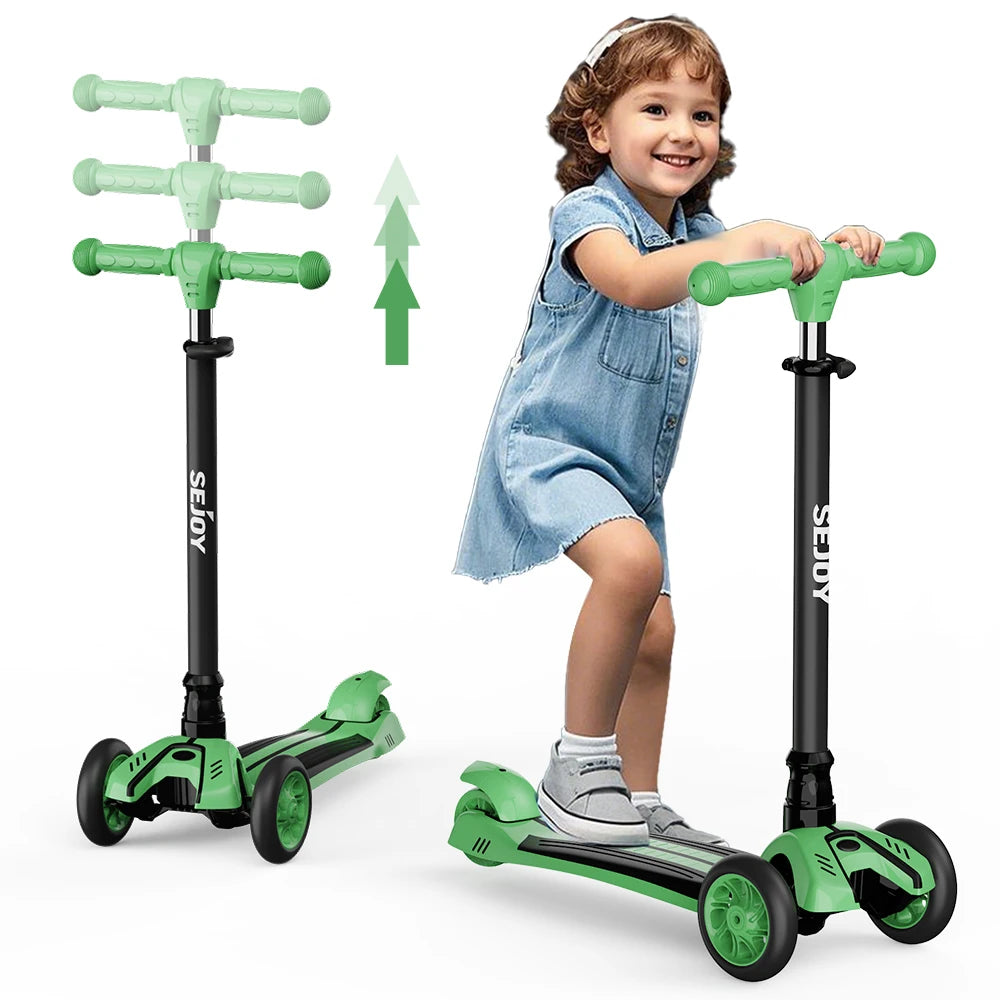
Rear brake kids scooter design tested for control and stability. See it in action.
How Rear Foot Brakes Work on Kids' Scooters
A rear brake scooter for kids uses a flexible metal or reinforced plastic fender positioned above the rear wheel. When a rider presses the fender with their back foot, friction slows the wheel, allowing the scooter to decelerate smoothly.
Brake mechanism explained
Unlike hand-operated systems, rear foot brakes require minimal coordination. Children simply shift one foot backward and apply gentle pressure. Because braking force builds progressively, beginners can control their speed more easily while keeping both hands on the handlebars.
One common mistake is stamping hard on the brake. A firm but gradual press provides shorter, more stable stops while reducing the chance of skidding.
Stopping distance and weight transfer
During braking, a child's weight naturally moves forward. A rear brake encourages riders to keep most of their weight centered over the deck instead of pitching forward. This balanced position improves stopping control and helps maintain steering stability.
Parents teaching how to use a rear brake on kids scooter models should encourage children to bend their knees slightly and keep their eyes looking ahead rather than down at the brake.
Rear Brake vs Front Brake vs Foot Brake: Which Is Safer?
| Brake Type | Advantages | Limitations | Best For |
|---|---|---|---|
| Rear Foot Brake | Smooth stopping, simple to learn, excellent balance | Less effective on steep hills | Beginners and younger children |
| Front Hand Brake | More stopping power at higher speeds | Requires coordination and proper technique | Older, experienced riders |
| Traditional Foot Brake | Simple mechanical design | Brake feel varies by scooter quality | Casual neighborhood riding |
Rear brake vs front brake
When comparing kids scooter rear brake vs front brake systems, rear brakes generally offer a gentler learning experience. Front brakes can stop faster but may cause inexperienced riders to shift too much weight forward if used abruptly.
Rear brake vs traditional foot brake
Most children's scooters use a rear foot brake, although braking performance differs depending on materials, brake flexibility, and wheel grip. Better-designed rear brakes engage smoothly without requiring excessive force, making them more forgiving for new riders.
How Rear Braking Affects Scooter Balance and Control
A rear brake kids scooter promotes stable body positioning while slowing down. Because braking occurs behind the rider, children naturally keep their weight centered over the deck instead of leaning sharply forward.
This centered posture improves control during gentle turns and emergency stops while reducing side-to-side wobble. Riders are also less likely to overcorrect after braking, making it easier to continue riding confidently.
To avoid skids, children should:
- Apply steady pressure instead of stomping on the brake.
- Keep both hands firmly on the handlebars.
- Bend their knees slightly during braking.
- Practice emergency stops before riding on busier paths.
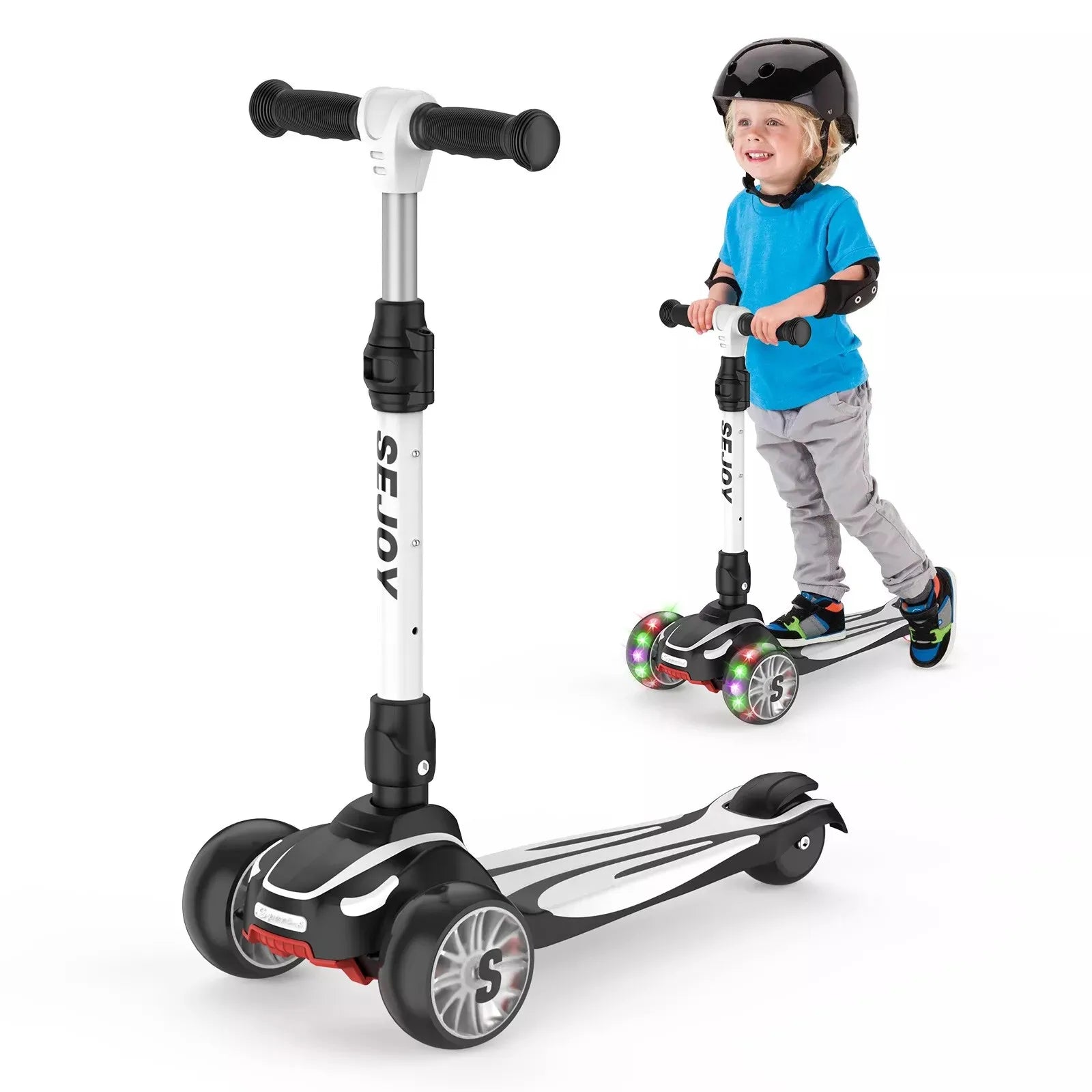
Scooter balance and rear brake control during turns. See it in action.
Choosing the Best Kids Scooter With a Rear Brake
Age-based recommendations
The best kids scooter with rear brake depends on both age and riding ability. Preschoolers typically benefit from wide, stable decks and highly responsive brakes, while older children may appreciate larger wheels and adjustable handlebars for longer rides.
- Smooth, responsive rear brake
- Wide anti-slip deck
- Stable wheels with good traction
- Adjustable handlebar height
- Strong frame with quality construction
Many parents explore options in the Mobility & Training collection when comparing beginner-friendly designs that support learning and safety.
Teaching Children to Use a Rear Brake Safely
Step-by-step practice
- Start on flat pavement without traffic.
- Practice rolling slowly before introducing braking.
- Teach children to press the rear brake gently.
- Increase speed gradually as confidence improves.
- Repeat emergency stopping drills regularly.
Safe riding environments
Choose quiet sidewalks, parks, or smooth paved trails where children can focus on learning without distractions. Parent supervision remains essential until braking becomes consistent and predictable.
Parents interested in additional riding guidance may also enjoy resources such as Kids scooter safety checklist, How to choose the right scooter size for children, Helmet fitting guide for kids, Scooter riding rules for beginners, and How to teach children safe scooter riding.
View adjustable kids scooter with rear brake
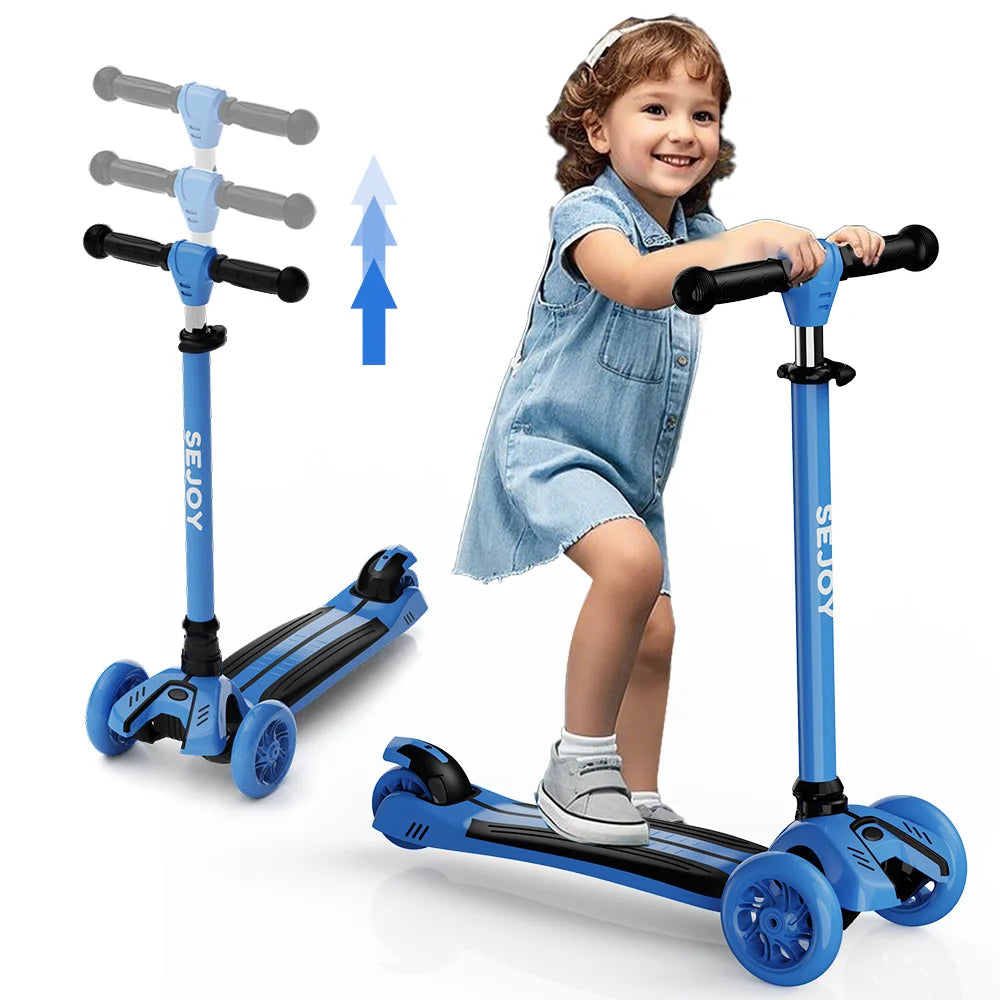
Rear brake kids scooter tested for beginner control. See it in action.
Rear Brake Inspection and Maintenance Checklist
Routine maintenance keeps a rear brake scooter for kids performing consistently and safely.
- Inspect the brake fender before every ride.
- Look for cracks, loose fasteners, or excessive wear.
- Remove dirt, sand, and debris from the brake surface.
- Check that the rear wheel spins freely without rubbing.
- Replace worn brake components if stopping performance decreases.
A quick inspection takes only a minute and can prevent many common braking problems.
Essential Protective Gear for Safe Scooter Riding
Even the safest scooter benefits from proper protective equipment. Children should always ride with gear that matches their size and the riding conditions.
- Properly fitted helmet
- Knee pads and elbow pads
- Closed-toe shoes with good grip
- Bright clothing or reflective accessories in low light
- Avoid riding on wet leaves, gravel, or slippery pavement
Parents focused on everyday safety often browse the Health & Safety collection for gear that complements active play.
Frequently Asked Questions
Do rear brakes wear out quickly?
Quality rear brakes are designed for everyday riding. Regular cleaning and avoiding unnecessary brake dragging help extend their lifespan.
Are rear brakes better than hand brakes for kids?
For most beginners, yes. Rear brakes are generally easier to learn because they promote gradual stopping and require less hand coordination.
At what age can kids use a rear brake scooter?
Many children begin riding rear brake scooters between ages 3 and 5, depending on their balance, coordination, and ability to follow safety instructions.
Can toddlers safely learn on a rear brake scooter?
Toddlers who have developed basic balance may begin with age-appropriate scooters under close adult supervision. A stable scooter, slow practice sessions, and protective gear are essential.
How often should parents inspect scooter brakes?
A quick visual inspection before every ride is recommended. More detailed checks should be performed regularly, especially after heavy use or riding in wet or dirty conditions.
Related Guide: Best Scooter for Beginners: Top Picks Compared





