

Rope Jump Benefits That Drive Real Active Play Results
Does rope jumping really work for active play?
Rope jump benefits show up fast because this simple activity combines cardio, coordination, and focus in one playful motion. By engaging whole body movements, it improves balance and motor coordination skills while replacing sedentary screen time with short, joyful bursts of activity that feel fun, not forced.
Rope Jump Benefits That Drive Real Active Play Results
Rope jump benefits aren’t just about burning energy—they’re about helping kids (and adults) move better, feel stronger, and actually enjoy being active. If you’ve ever worried about too much indoor time, restless evenings, or how to build healthy habits without pressure, jump rope offers a surprisingly effective solution.
⏱ 7 min read
Parents everywhere share the same concern: too much sedentary screen time and not enough movement that truly helps kids grow. What if one small, affordable tool could spark daily play, build confidence, and support coordination at the same time?
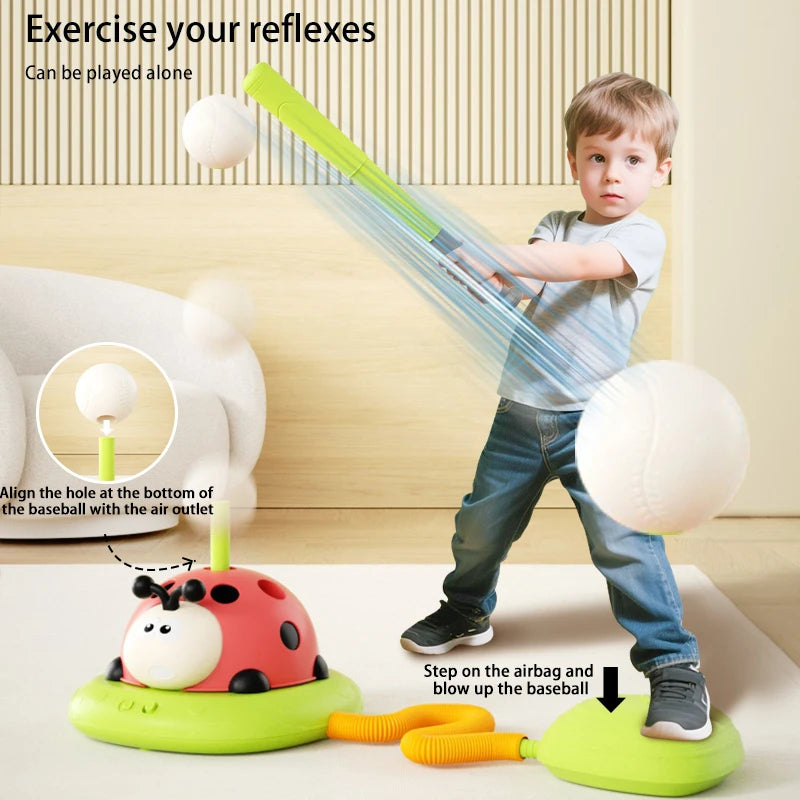
Rope jump benefits in action with whole body movements that boost confidence 💡 See it in action
Why Rope Jump Stands Out Among Active Play Options
Rope jump benefits are unique because they combine simplicity with measurable results. Unlike bulky equipment or complex games, a jump rope works in small spaces, indoors or outdoors, and adapts to different ages and skill levels.
- Easy to start, no setup stress
- Encourages independent and group play
- Supports both physical and cognitive development
- Portable for travel, school breaks, or backyard use
Parents browsing Baby Growth & Learning often look for tools that support development without overwhelming routines. Jump rope fits naturally into that goal.
How Rope Jump Benefits Support Whole Body Movements
Rope jump benefits activate muscles from head to toe. Each jump requires coordination between arms, legs, core, and eyes, creating natural whole body movements that strengthen muscles evenly.
Direct answer: Rope jump benefits improve whole body movements by synchronizing arm swings, leg jumps, and core balance in a single rhythm. This trains strength, posture, and endurance together, helping kids develop smoother, more controlled movement patterns during play and daily activities.
- Leg strength and ankle stability
- Core engagement for balance
- Upper-body rhythm and timing
- Improved posture over time
Compared to passive toys, jump rope creates visible progress—kids jump higher, move faster, and tire less quickly after just a few weeks.
Why Rope Jump Benefits Sharpen Motor Coordination Skills
Motor coordination skills develop best when movements are repetitive, rhythmic, and engaging. Jump rope naturally checks all three boxes.
Direct answer: Rope jump benefits strengthen motor coordination skills by training timing, balance, and spatial awareness at once. Repeating jump cycles teaches the brain and body to communicate more efficiently, which supports smoother movements in sports, handwriting, and everyday tasks.
- Hand-eye coordination from rope timing
- Foot placement awareness
- Reaction speed and focus
- Confidence through mastery
Many parents notice that kids who jump rope regularly show better control in other activities like biking, ball games, and even classroom tasks.
For families already browsing Mobility & Training, jump rope adds a playful layer that doesn’t feel like practice.
Replacing Sedentary Screen Time With Joyful Movement
Sedentary screen time often creeps in during after-school hours or weekends. Rope jump benefits shine here because they offer quick wins—five minutes of jumping feels achievable and fun.
- No charging, no apps, no noise
- Encourages short, frequent play breaks
- Builds healthy habits without pressure
- Works indoors on rainy days
Parents focused on balance often explore Health & Safety tools, but movement habits are just as important for long-term wellbeing.

Cut sedentary screen time with rope jump benefits that feel like play 💡 See it in action
Why the Ladybug Jump Rope Game Toy Delivers Better Results
Direct answer: This jump rope stands out by combining durable materials, kid-friendly grip design, and playful visuals that keep children engaged longer. These features increase consistency, which is why rope jump benefits appear faster and last longer compared to generic ropes.
- Comfortable handles sized for small hands
- Balanced rope weight for smoother swings
- Durable construction for indoor and outdoor play
- Playful design that motivates daily use
Unlike flimsy alternatives, this design supports proper rhythm, making it easier for beginners to succeed.
Try it here: Ladybug Jump Rope Game Toy
Jump Rope vs Other Popular Play Options
| Activity | Whole Body Movements | Motor Coordination Skills | Screen-Free |
|---|---|---|---|
| Jump Rope | ✅ High | ✅ Strong | ✅ Yes |
| Tablet Games | ❌ Low | ❌ Limited | ❌ No |
| Ride-on Toys | ⚠️ Moderate | ⚠️ Moderate | ✅ Yes |
How to Make Rope Jump Part of a Daily Routine
- Start with 2–3 minutes after school
- Celebrate small milestones
- Mix solo jumps with family challenges
- Keep the rope visible and accessible
Families who already value calm routines often pair movement with comfort tools from Sleep & Comfort to support better rest after active play.
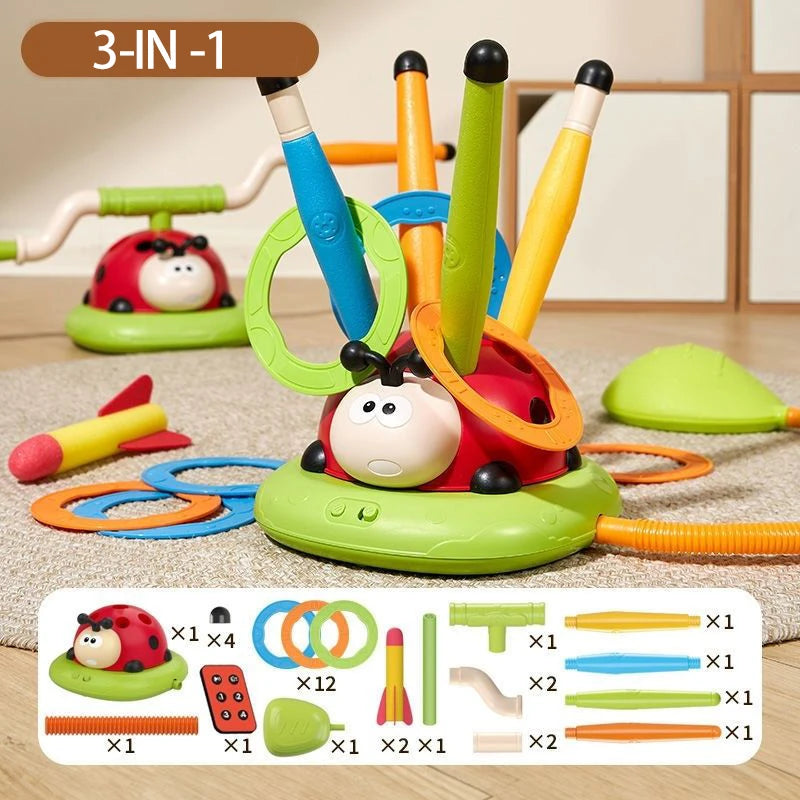
Daily rope jump benefits that build strength and confidence 💡 See it in action
Mini FAQ
At what age can kids start jump rope?
Most children can begin simple jumping games around age 4–5, focusing on timing rather than speed.
How often should kids jump rope?
Short daily sessions of 5–10 minutes are enough to see rope jump benefits without fatigue.
Is jump rope safe indoors?
Yes, with clear space and proper supervision, it works well indoors on non-slip flooring.
Can adults benefit too?
Absolutely—rope jump benefits apply to all ages, supporting cardio health and coordination.





