

Safe Baby Carrying Positions Guide for Everyday Use
What are the safest ways to carry a baby every day?
The safe baby carrying positions guide explains how proper support protects your baby’s hips, spine, and breathing during daily carrying. By using safe positions to hold a newborn, maintaining healthy sitting posture, and choosing tools like an infant hip seat, caregivers can reduce strain while supporting natural development.
Safe Baby Carrying Positions Guide for Everyday Use
⏱ 6 min read
The safe baby carrying positions guide helps parents feel confident from day one by showing how small posture changes protect your baby’s hips, spine, and breathing. You’ll learn safe positions to hold a newborn, why healthy sitting posture matters, and how an infant hip seat can make everyday carrying easier and more comfortable.
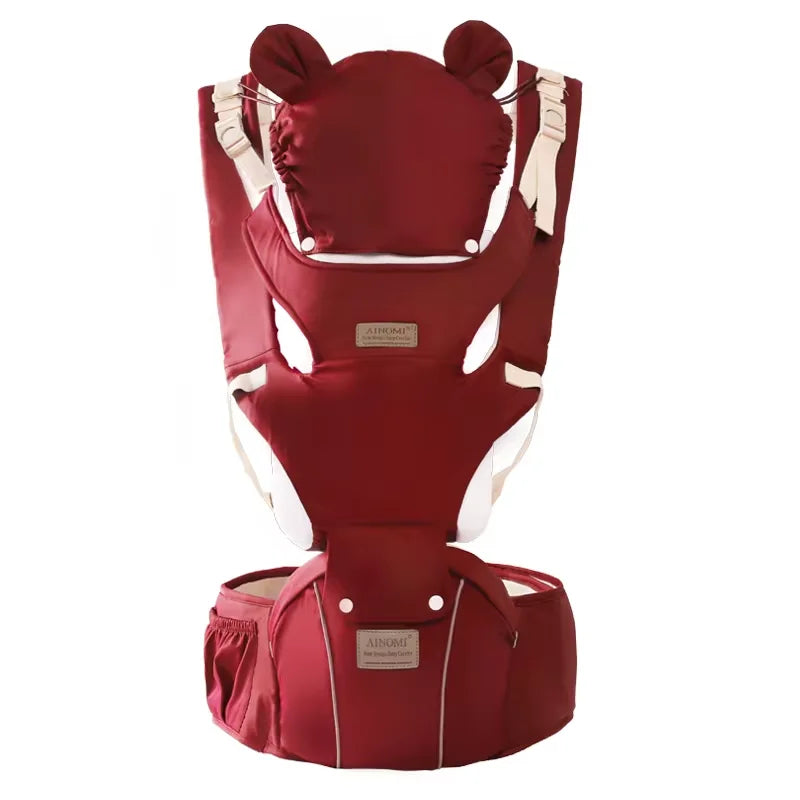
Safe baby carrying positions guide with newborn support basics 💡 See it in action
Why Carrying Position Matters More Than You Think
Babies spend hours each day being carried. The way you hold them affects hip alignment, spinal curves, and even breathing comfort. Many parents focus on comfort for their arms but forget that poor positioning can lead to stiffness, fussiness, or uneven pressure on growing joints.
- Supports natural hip spread and flexion
- Keeps airways clear and unrestricted
- Encourages calm, secure bonding
- Reduces fatigue for caregivers
That’s why learning correct positioning early makes everyday care smoother and less stressful.
Safe Positions to Hold a Newborn
The safe baby carrying positions guide recommends positions that support the head, neck, and hips while allowing gentle movement. These positions are simple, adaptable, and ideal for daily routines.
Cradle Hold for Calm and Comfort
Hold your baby across your chest with their head resting in the crook of your arm. Keep the spine gently curved and hips bent outward. This position works well during soothing or short carries.
Upright Chest Carry for Awareness
Your baby’s chest rests against yours, with legs straddling your torso. This encourages natural hip positioning and helps babies feel secure while observing their surroundings.
Over-the-Shoulder Carry for Burping
Support the head and neck while keeping the torso upright. This position aids digestion and reduces reflux discomfort.
How Healthy Sitting Posture Supports Development
Healthy sitting posture isn’t just for adults. When carrying a baby, your posture directly affects theirs. A neutral spine, relaxed shoulders, and even weight distribution help keep your baby aligned and comfortable.
- Keep shoulders back and relaxed
- Engage your core gently
- Avoid leaning to one side
- Adjust frequently during long carries
Good posture reduces back strain and allows longer, calmer carrying sessions.
Common Carrying Mistakes to Avoid
Many caregivers unknowingly repeat habits that cause discomfort over time. Recognizing these mistakes is the first step toward safer carrying.
| ❌ Common Mistake | ✅ Better Alternative |
|---|---|
| Dangling legs straight down | Support hips in a gentle “M” shape |
| Rounded shoulders | Maintain upright, balanced posture |
| One-sided carrying all day | Alternate sides or use supportive tools |
Why an Infant Hip Seat Makes Daily Carrying Easier
The safe baby carrying positions guide highlights how an infant hip seat can simplify everyday movement. By providing a stable base, it supports healthy sitting posture for your baby while reducing pressure on your arms and lower back.
An infant hip seat helps distribute weight evenly, encourages natural hip alignment, and allows quick transitions during busy routines. Parents often report less fatigue and improved confidence during longer outings.
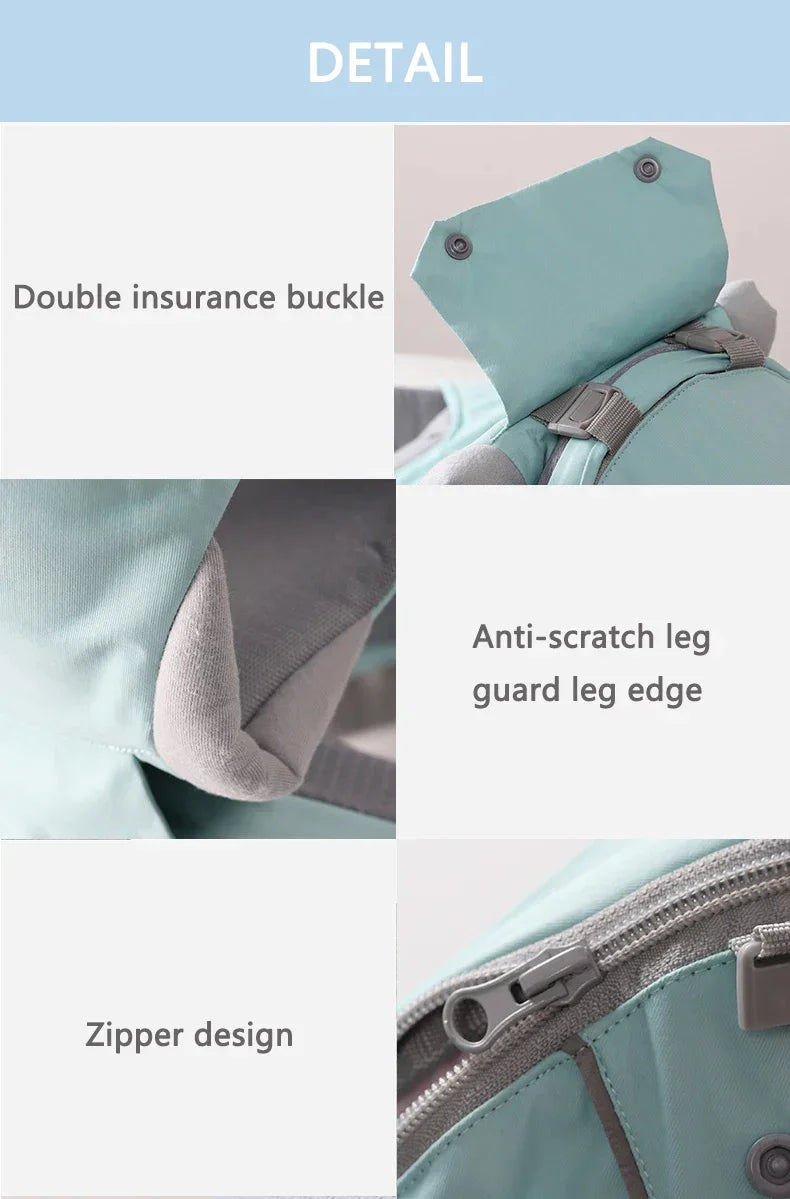
Infant hip seat supporting healthy sitting posture 💡 See it in action
For caregivers balancing comfort and safety, the baby hip seat carrier offers a practical solution for everyday use.
Step-by-Step: Daily Carrying Done Right
- Position baby’s hips in a natural “M” shape
- Ensure head and neck are fully supported
- Check your own posture before moving
- Adjust regularly as your baby grows
Consistency with these steps builds confidence and comfort for both you and your baby.
Everyday Carrying Scenarios Parents Face
Quick errands: A supportive carry helps keep baby calm while freeing one hand.
At home chores: Proper positioning prevents fatigue during longer carries.
Travel days: Balanced support reduces soreness and keeps baby settled.
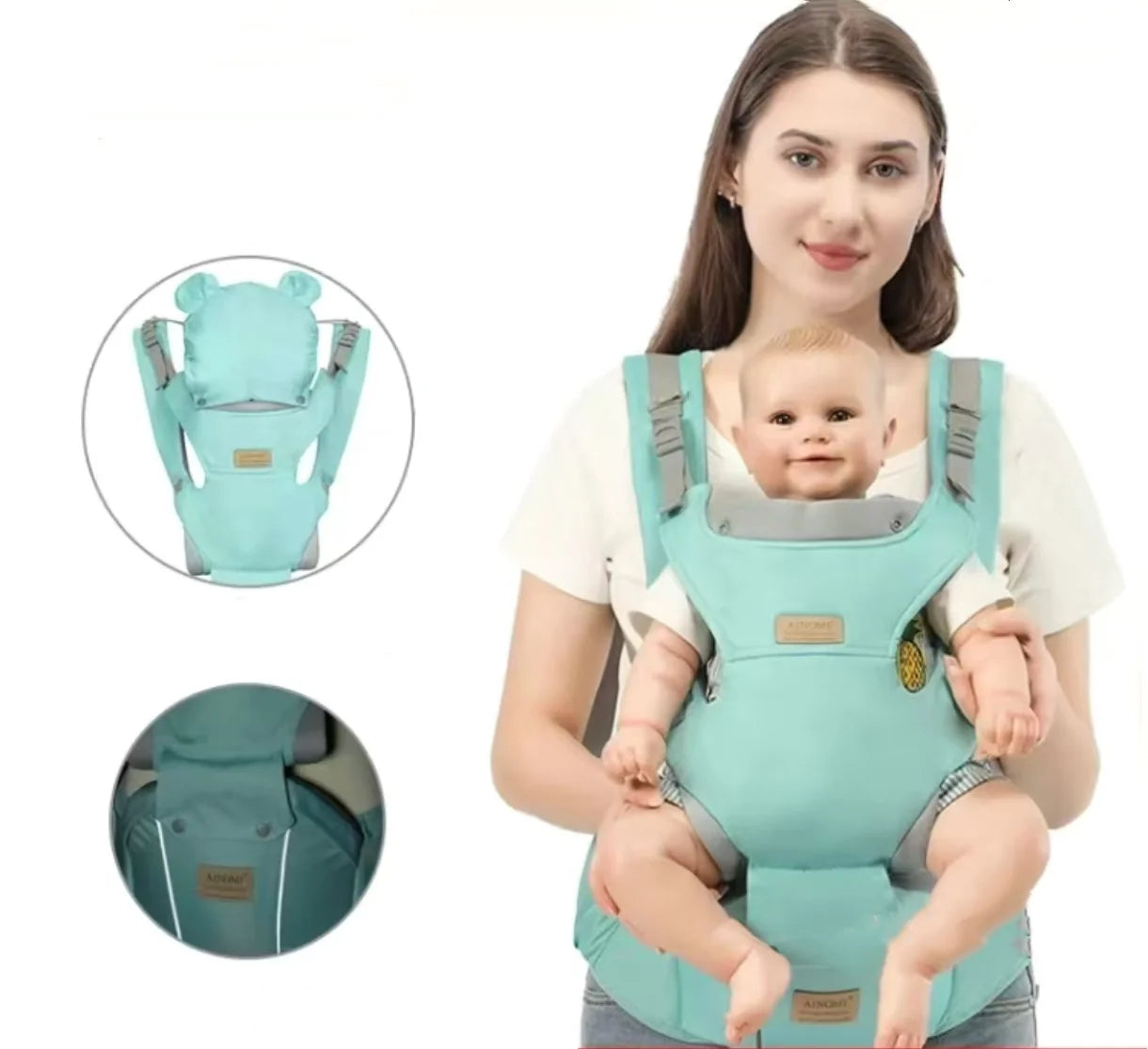
Everyday baby carrying with safe positions to hold a newborn 💡 See it in action
Quick FAQs
How long can I carry my baby each day?
There’s no fixed limit. Comfort, posture, and regular position changes matter more than time.
Is an infant hip seat suitable for newborns?
Many designs support early use when head and hip positioning are correct.
When should I change carrying positions?
Alternate positions every 20–30 minutes or when you feel strain.
Related Guide: How to Carry Baby Comfortably Without Back Pain





