

Baby Float for Pool: 11 Safe Picks by Age & Comfort
What is the safest baby float for pool use?
A safe baby float for pool use supports a baby’s head, neck, and torso while matching their age and comfort level. The best options use stable inflatable designs, secure leg openings, and soft materials to help infant pool float 0 3 months users enjoy gentle, confidence-building infant water play.
⏱ 6 min read
Safe baby float for pool use by age and comfort level
Choosing a safe baby float for pool time can feel overwhelming—especially when your baby’s strength, balance, and confidence change so quickly. One design may feel cozy and secure for a newborn, while another suits an older baby ready to kick and explore. How do you know what truly fits your baby’s stage?
Quick answer: the right float matches age, muscle control, and emotional comfort—so water time feels calm, supported, and joyful for both baby and parent.
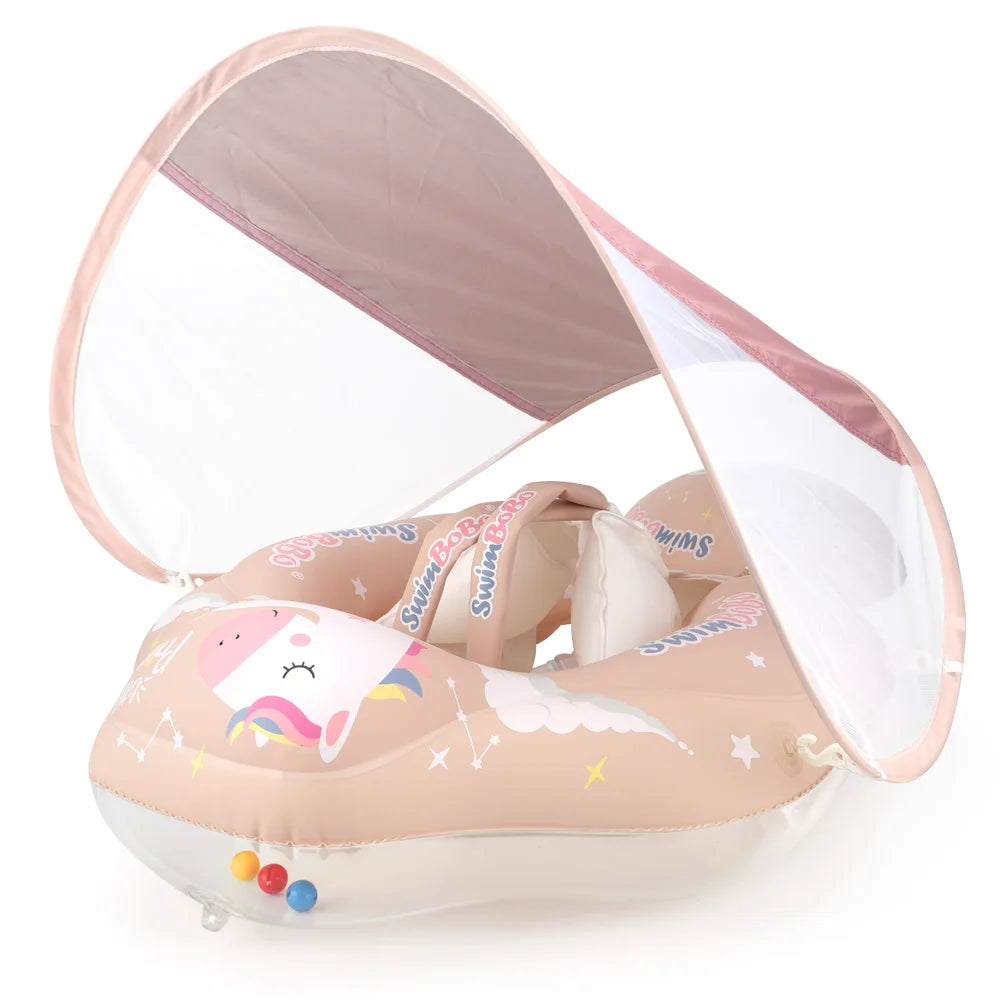
Safe baby float for pool comfort by age — gentle infant water play. See it in action
Wondering which baby float actually fits your little one? Keep reading for age-by-age guidance, real parent insights, and simple tips that make pool time safer and more relaxing.
Why age and comfort matter in a baby pool float
A safe baby float for pool use isn’t just about staying above water. It’s about posture, muscle development, and emotional comfort. Babies develop head control, core strength, and curiosity at different speeds.
- Newborns need full neck and head support
- Young infants benefit from snug, upright positioning
- Older babies want freedom to kick and splash
Matching the float to your baby’s stage reduces fussiness and helps parents relax.
Infant pool float 0–3 months: gentle support first
A safe baby float for pool use at this stage focuses on stability and calm positioning. For infant pool float 0 3 months use, full-body support and soft materials help protect developing muscles while introducing water slowly and safely.
At this age, babies can’t sit or hold their heads up for long. The best options cradle the body and keep the face comfortably above water.
What to look for
- High back and neck support
- Wide base to prevent tipping
- Soft leg openings to avoid pressure
- Inflatable infant pool float designs with smooth seams
Many parents pair early pool sessions with calm routines found in Baby Care Tips & Advice to keep experiences short and positive.
3–6 months: building confidence with support
Between three and six months, babies gain stronger neck control and begin enjoying movement. A safe baby float for pool time here balances security with a bit more freedom.
- Choose a float that keeps baby upright
- Look for adjustable straps or inner rings
- Ensure the float allows gentle leg kicking
- Stay within arm’s reach at all times
This is often when infant water play becomes interactive—smiles, splashes, and relaxed floating.
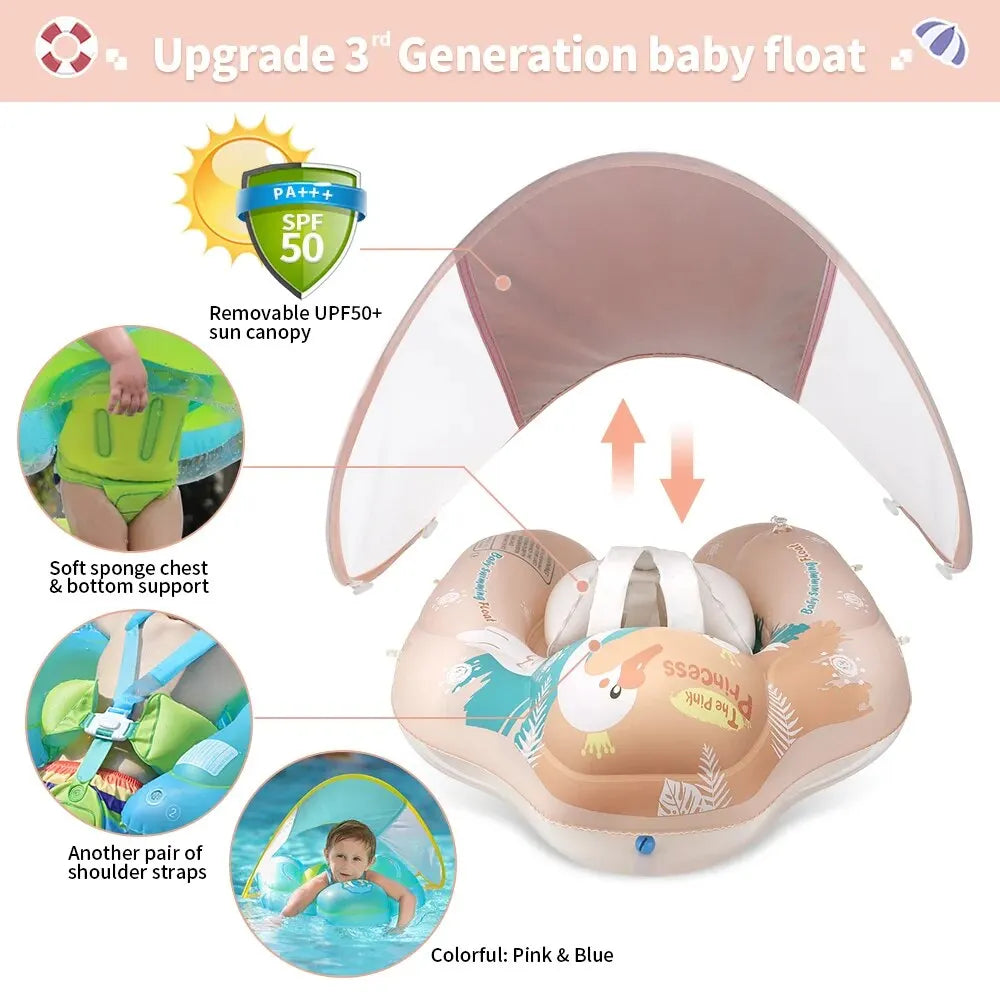
Inflatable infant pool float for growing comfort — explore infant water play. See it in action
Helpful tip: Parents often combine pool time with sun and temperature awareness tools from Health & Safety collections to keep babies comfortable.
6–12 months: comfort meets movement
Older babies want to move. A safe baby float for pool use at this stage supports independence while maintaining balance and comfort.
Why comfort matters now
- Babies may lean, twist, and kick harder
- Uncomfortable floats cause quick frustration
- Secure seating encourages longer, happier sessions
Look for designs that allow arm movement and playful splashing without sacrificing stability.
Features that make a baby float feel safer
A safe baby float for pool use shares a few essential features across all ages:
| Feature | Why it matters |
|---|---|
| Wide base | Reduces tipping and rolling |
| Soft inflatable seat | Improves comfort for sensitive skin |
| Secure leg openings | Supports posture without pressure |
| Durable valves | Maintains consistent air support |
Many parents prefer inflatable infant pool float options because they’re lightweight, packable, and adaptable.
Real parent stories: what worked for us
“Our baby was nervous at first.” One parent shared that choosing a snug, supportive float helped their three-month-old relax enough to enjoy short pool sessions.
“Comfort changed everything.” Another family noticed longer, happier water play once they switched to a float designed for their baby’s age and size.
Stories like these highlight how the right design supports both physical safety and emotional ease.
How to choose the right float for your baby
Use this quick checklist before buying:
- Match the float to your baby’s age range
- Check weight and size recommendations
- Prioritize comfort and posture support
- Always supervise closely
For families building a complete routine, pairing pool gear with calming items from Baby Bath Accessories can help babies associate water with relaxation.
Ready to explore a supportive option? Many parents choose the baby swimming float with canopy for added shade and balanced support during infant water play.
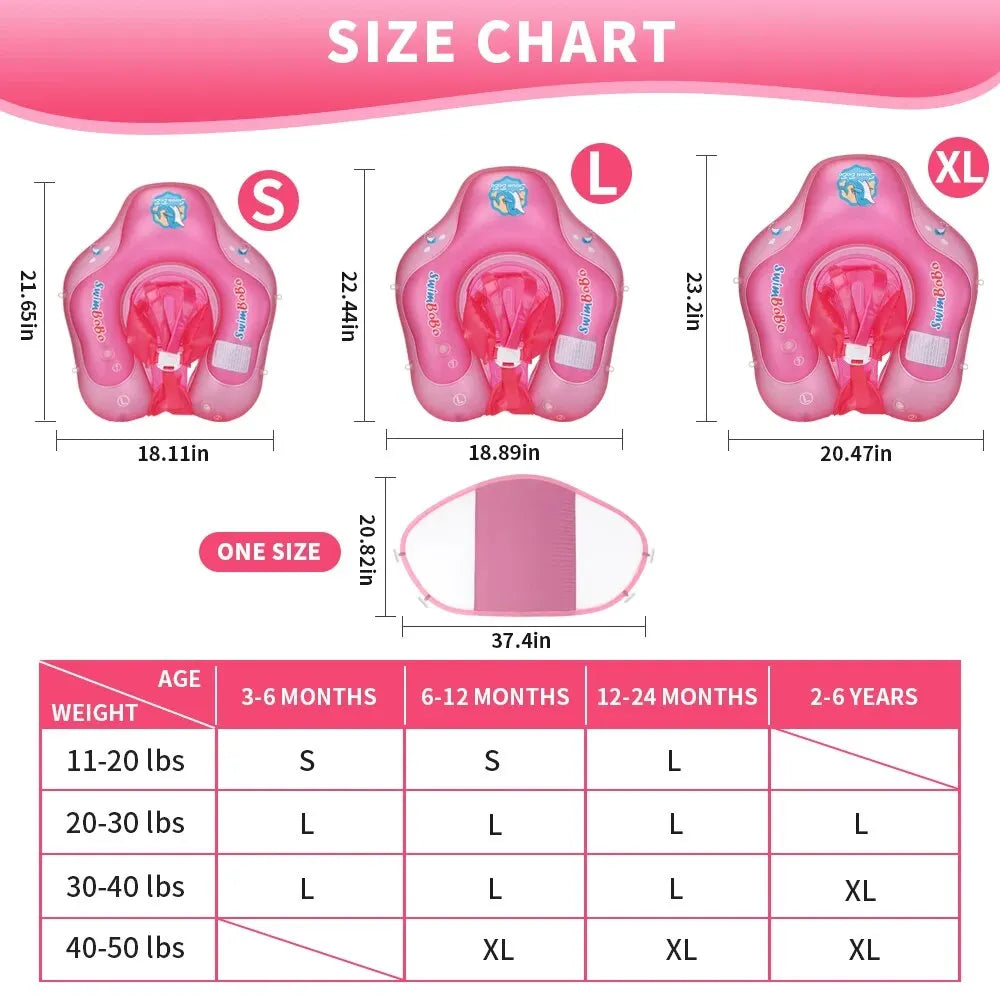
Comfortable baby float by age — safe baby float for pool confidence. See it in action
Mini FAQ
Can newborns use a baby pool float?
Yes, when the float is designed specifically for infant pool float 0 3 months use, with full head and neck support and constant adult supervision.
How long should infant water play sessions last?
Short sessions—5 to 10 minutes—are ideal at first. Watch for cues like fussiness or shivering and end early if needed.
Are inflatable infant pool floats safe?
Inflatable designs can be safe when properly inflated, used on calm water, and matched to the baby’s age and size.
What’s the biggest mistake parents make?
Choosing a float that’s too advanced. Comfort and support should always come before freedom of movement.
Related Guide: Sun safe baby swimming gear for different pool situations
UPGRADE PLAN { "outline": [ { "action": "MODIFY", "h2": "Best baby float for pool: quick comparison table", "h3": [], "focus": [ "compare top-rated floats", "age and weight ranges", "canopy and safety features", "best use cases", "value overview" ], "keywords": [ "baby float for pool", "infant float for pool" ] }, { "action": "MODIFY", "h2": "What is the safest baby float for pool use?", "h3": [ "How we selected the best baby pool floats", "Safety certifications that matter" ], "focus": [ "selection criteria", "certifications", "design stability", "trusted materials" ], "keywords": [ "baby float safety age", "safe age for baby float in pool" ] }, { "action": "MODIFY", "h2": "Best baby pool floats reviewed", "h3": [ "Best overall", "Best for infants", "Best budget", "Best premium", "Best travel-friendly" ], "focus": [ "pros and cons", "key features", "ideal age", "weight limits", "who it suits" ], "keywords": [ "baby float for pool", "infant float for pool" ] }, { "action": "MODIFY", "h2": "Baby pool float age guide", "h3": [ "0-3 months", "3-6 months", "6-12 months", "12+ months" ], "focus": [ "developmental readiness", "recommended float type", "water confidence", "supervision needs" ], "keywords": [ "baby pool float age", "pool floats for babies by age", "best baby pool float age range" ] }, { "action": "ADD", "h2": "When can babies use pool floats?", "h3": [ "What age can baby use a pool float?", "Is a baby float safe for newborns?" ], "focus": [ "age recommendations", "medical considerations", "development milestones", "limitations of floats" ], "keywords": [ "when can babies use pool floats", "what age can baby use a pool float", "is baby float safe for newborns", "when to start using baby float" ] }, { "action": "MODIFY", "h2": "How to choose the right baby pool float", "h3": [ "Size and weight limits", "Canopy options", "Seat and harness design", "Inflation and portability" ], "focus": [ "fit", "comfort", "durability", "ease of use", "value" ], "keywords": [ "what age is suitable for using a baby pool float", "baby float age guidelines" ] }, { "action": "ADD", "h2": "How to use a baby float safely in the pool", "h3": [ "Adult supervision", "Inflation tips", "Water conditions", "Common mistakes to avoid" ], "focus": [ "safe setup", "constant supervision", "environment", "risk reduction" ], "keywords": [ "safe age for baby float in pool", "baby float safety age" ] }, { "action": "ADD", "h2": "Cleaning, storage, and maintenance", "h3": [], "focus": [ "cleaning", "drying", "storage", "inspection" ], "keywords": [ "baby float for pool" ] }, { "action": "REMOVE", "h2": "Real parent stories: what worked for us", "h3": [], "focus": [], "keywords": [] }, { "action": "MODIFY", "h2": "Frequently asked questions", "h3": [], "focus": [ "age", "safety", "usage", "buying" ], "keywords": [ "infant pool float age recommendation", "baby pool float age" ] } ], "internal_links": [ "Pool safety tips for babies", "Best baby swim diapers", "Baby sun protection guide", "Outdoor water play safety", "Toddler swimming essentials", "Summer activities for babies" ], "faq": [ "What age is suitable for using a baby pool float?", "What age can baby use a pool float?", "When can babies use pool floats?", "Is a baby float safe for newborns?", "What is the safest baby float for pool use?", "How long should babies stay in a pool float?", "Are inflatable baby pool floats safe?", "How do I choose the correct baby pool float by age and weight?", "Do baby pool floats replace life jackets?", "What certifications should I look for before buying a baby pool float?" ], "trim": [ "Infant pool float 0-3 months: gentle support first", "3-6 months: building confidence with support", "6-12 months: comfort meets movement", "Features that make a baby float feel safer", "Mini FAQ" ] } Approved linked products: - baby swimming float with canopy (/products/baby-swimming-float-with-canopy) Product Rules - Keep all approved products. - Only approved products may contain affiliate links. - You may add real competitor products when useful. - Competitor products must not contain links unless already present. - Only create comparison tables when they genuinely improve the article. RULES - Apply every instruction in the Upgrade Plan. - Keep all existing affiliate links unchanged. - Keep all existing internal links unchanged. - Keep all existing image URLs unchanged. - Preserve sections such as Related Articles, Related Posts and Recommended Reading. - Avoid duplicate headings. - Insert new sections only where specified. - Improve clarity, topical coverage, EEAT and readability. - Expand weak sections only when required. - Use natural keyword placement. - Keep semantic HTML clean. YEAR UPDATE If visible article text contains "2005", replace it with "2026". Do not modify years inside: - URLs - href attributes - image filenames OUTPUT REQUIREMENTS Return ONLY the final upgraded HTML article. The output must be valid HTML and ready to publish. Do NOT return: - Markdown - Explanations - Notes - Code fences - JSON - XML Return the HTML beginning with the first HTML element and ending with the last HTML element.





