

Safe Beginner Scooter for Kids: Matching Features to Needs
What makes a safe beginner scooter for kids?
A safe beginner scooter for kids combines wide wheels, a stable deck, and intuitive steering to help young riders build confidence quickly. Designed for early balance and control, the right beginner scooter reduces falls, improves posture, and supports skill growth, making first rides smoother and safer for both kids and parents.
Safe Beginner Scooter for Kids: Matching Features to Needs
⏱ 6 min read
A safe beginner scooter for kids can turn first rides into confident, smile-filled wins instead of wobbly frustrations. By choosing a beginner scooter designed for stability, parents unlock easier steering, better posture, and built-in scooter balance tips that actually work. The best options go beyond hype, highlighting why some models stand out as good beginner scooters for growing skills and safety. Ready to see which features truly matter for your child’s first ride?
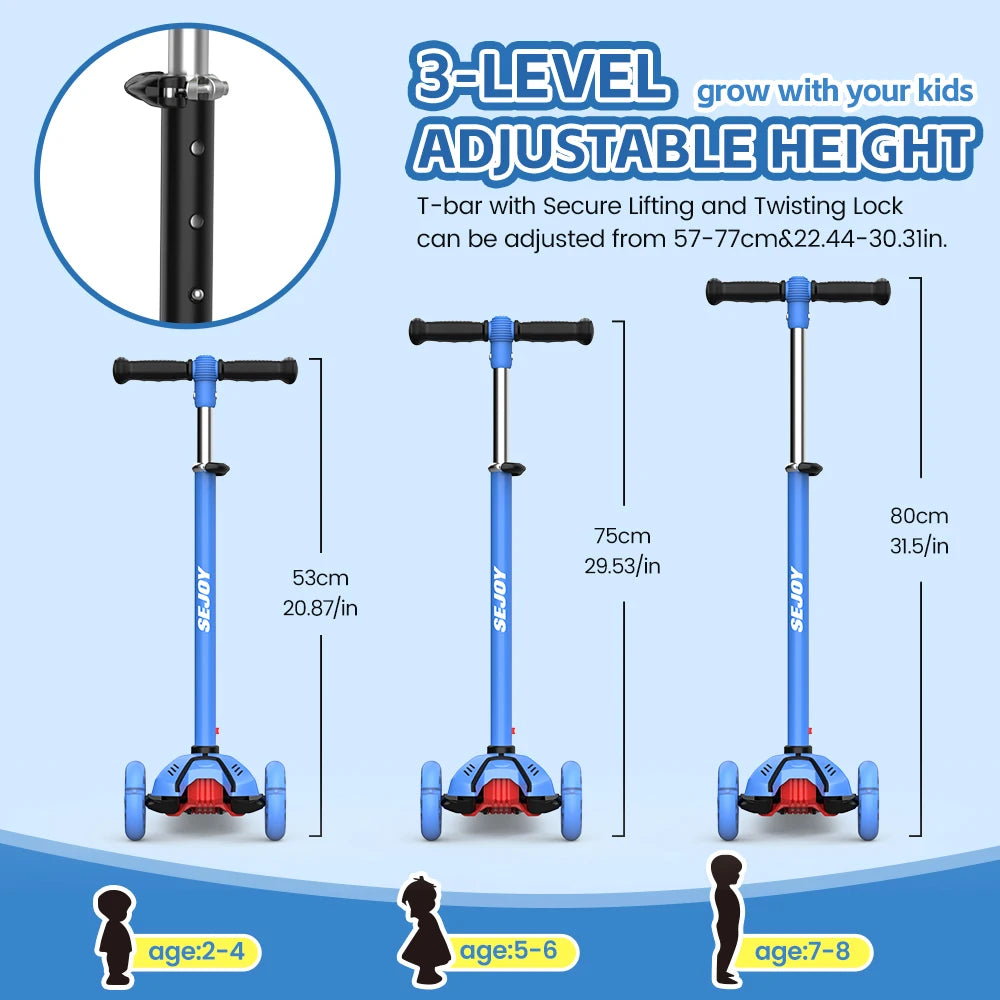
A safe beginner scooter for kids with stability-focused design — 💡 See it in action
Which scooter really suits your child’s first ride? Many parents worry about falls, poor balance, or buying something their child outgrows too fast. Let’s break it down so you can choose with clarity and confidence.
Why Safety Comes First for Beginner Riders
A safe beginner scooter for kids isn’t about speed or tricks. It’s about control, comfort, and confidence. Early riding experiences shape how children feel about movement and independence.
Parents often notice that when a scooter feels unstable, kids tense up. A stable beginner scooter encourages relaxed posture and natural learning.
Pairing scooters with protective routines from Health & Safety collections helps reinforce safe habits early.
Key Features That Match Your Child’s Needs
A safe beginner scooter for kids should match physical development, coordination level, and personality. Below are the features that matter most.
Wide, Stable Wheels for Early Balance
Wide front wheels reduce tipping and help kids focus on steering instead of staying upright. This is especially helpful for toddlers transitioning from ride-ons.
Adjustable Handlebar for Growing Riders
An adjustable handlebar keeps posture comfortable as your child grows. This makes the scooter one of the good beginner scooters that lasts beyond a single season.
Low Deck Height for Easy Push-Off
A low deck means less effort to push and stop, reducing fatigue and frustration during learning.
Lean-to-Steer Design
Instead of sharp turns, lean-to-steer systems guide kids gently, improving coordination and confidence.
For movement-focused play that supports motor skills, explore Mobility & Training options that complement scooter learning.
Choosing the Right Scooter by Age & Stage
Not all beginner scooters suit every age. Matching features to stage prevents overwhelm and supports steady progress.
- Ages 2–3: Focus on three wheels, extra-wide decks, and slow steering response.
- Ages 4–5: Adjustable height, smoother bearings, and improved turning control.
- Ages 6+: Lightweight frames with responsive lean control for skill building.
Parents often pair scooters with playful coordination tools from Sensory Toys to improve balance off the scooter too.

Beginner scooter designed for balance and comfort — 💡 See it in action
Scooter Balance Tips That Build Confidence
A safe beginner scooter for kids works best when paired with simple balance habits that kids enjoy practicing.
- Start on flat, open ground with minimal distractions.
- Encourage soft knees instead of locked legs.
- Teach gentle leaning rather than twisting handlebars.
- Keep sessions short and fun to avoid fatigue.
Many families combine scooter time with calming routines from Sleep & Comfort to help kids recover and rest after active play.
Real Parent Stories & Everyday Use
Parents often share that once they switched to a stable beginner scooter, their child’s attitude changed almost overnight.
“My daughter went from refusing to ride to asking every afternoon,” one parent noted. “The wider wheels made all the difference.”
Another family mentioned fewer scrapes and more independence after choosing a safe beginner scooter for kids with adjustable height.
Quick Comparison: What to Look For
| Feature | Why It Matters | Best For |
|---|---|---|
| Three-wheel design | Improves balance and stability | Toddlers & first-time riders |
| Adjustable handlebar | Grows with your child | Long-term use |
| Lean-to-steer | Natural turning motion | Coordination building |
For parents prioritizing hygiene after outdoor play, pairing scooters with routines from Baby Hygiene Gadgets keeps cleanup simple.
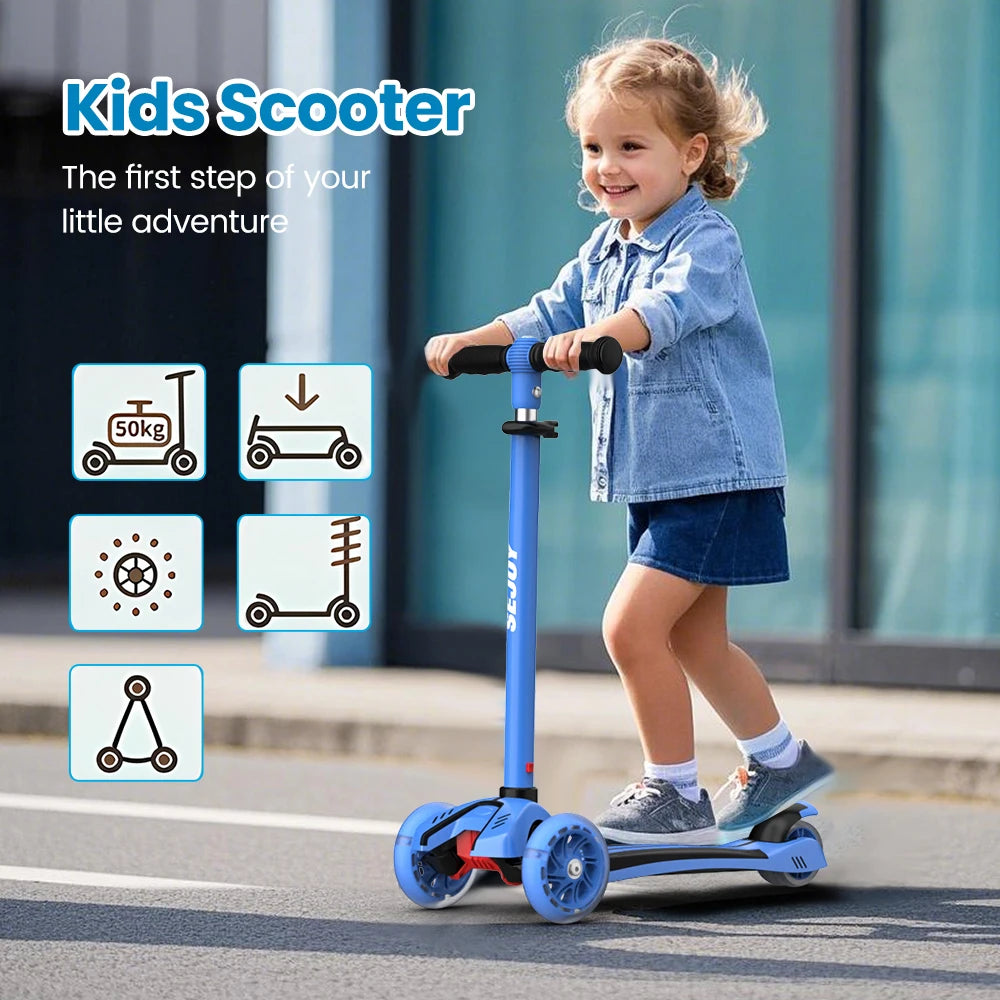
One of the good beginner scooters for confident first rides — 💡 See it in action
Mini FAQ
How long does it take kids to learn balance on a beginner scooter?
Most children show noticeable improvement within a few days of short, consistent practice, especially when using a safe beginner scooter for kids with wide wheels and lean-to-steer control.
Are three-wheel scooters better than two-wheel for beginners?
Yes, three-wheel designs offer more stability, making them ideal beginner scooters for toddlers and young kids still developing coordination.
What makes a scooter one of the good beginner scooters?
Good beginner scooters prioritize stability, adjustability, and intuitive steering over speed or tricks, helping kids learn safely and confidently.
Related Guide: Kids Outdoor Toy Safety: Choosing the Right Scooter for Your Child





