

Indoor Play Tent for Toddlers 1-3: 9 Safe Picks Kids Love
Safe Indoor Play Tent Guide: How to Choose a Secure Play Space for Toddlers
⏱ 8 min read
Choosing a safe indoor play tent is about more than finding a fun design. Parents need to consider stability, breathable materials, room size, cleaning needs, and everyday durability before bringing a tent into a toddler’s play area. A well-designed indoor play tent can create a comfortable space for imagination, quiet activities, and independent play while fitting naturally into a family’s routine.
Why do some indoor play tents become a toddler’s favorite space while others are quickly forgotten? The difference often comes down to safety features, comfort, and how well the tent matches the child’s age and home environment.
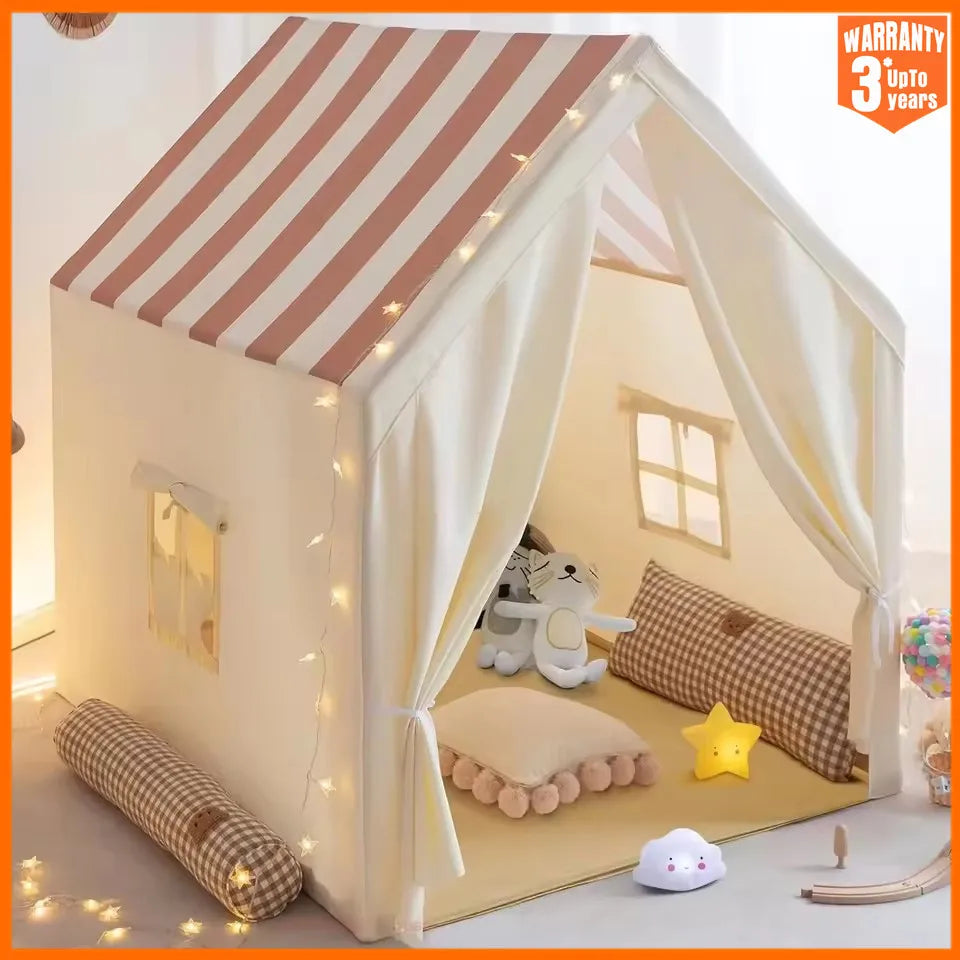
A safe indoor play tent guide helps parents identify features that create a comfortable and secure play area
Why Safety Matters for Indoor Play Tents
A safe indoor play tent should provide a secure environment where toddlers can explore without unnecessary risks. Since young children move quickly, pull on surfaces, and interact with their surroundings actively, the tent’s construction and placement matter just as much as its appearance.
- Stable frames help reduce tipping during energetic play
- Breathable fabrics support comfortable airflow during longer sessions
- Visible openings allow parents to check on toddlers easily
- Organized play boundaries help keep toys and activities contained
Families creating safer home environments often combine dedicated play areas with resources from Health & Safety to support calmer daily routines.
How to Choose an Indoor Play Tent for Toddlers 1-3
Choosing an indoor play tent for toddlers 1-3 requires looking beyond appearance. The best option should match your child’s activity level, available space, cleaning routine, and how often the tent will be used. A practical design with safe materials, simple maintenance, and reliable construction is more likely to become part of everyday play.
Size and Room Space Requirements
The right size depends on where the tent will be placed and how toddlers use the space. Larger tents offer more room for pretend play, books, and toys, while compact designs work better in bedrooms, apartments, or shared living areas.
- Choose enough interior space for toddlers to sit, crawl, and play comfortably
- Leave open space around the tent for safe movement and supervision
- Consider foldable designs if the play area needs to change throughout the day
- Avoid placing tents near unstable furniture, sharp corners, or heavy objects
Washable Fabrics and Easy Maintenance
For daily toddler use, washable materials can make a major difference. Snacks, fingerprints, and everyday messes are common, so a safe indoor play tent should have fabric that can be cleaned without damaging the structure.
- Look for removable or wipe-friendly fabric panels
- Choose durable materials that handle frequent cleaning
- Check whether seams and attachment points remain secure after use
Many parents browsing Baby Care Essentials prefer simple, functional designs because they are easier to maintain over time.
Assembly, Storage, and Portability
An easy setup play tent should fit naturally into family routines. Designs with straightforward assembly, lightweight frames, and convenient storage options are easier to move between rooms or pack away when not in use.
- Simple frame systems reduce setup frustration
- Lightweight construction makes repositioning easier
- Compact storage helps tents work in smaller homes
Organization strategies similar to those shared in Baby Care Tips & Advice can help keep indoor play areas flexible, tidy, and ready for everyday activities.
Keeping Airflow and Comfort in Mind
Comfort plays an important role in how often toddlers use their indoor play tent. A safe indoor play tent should provide enough ventilation for longer play sessions while keeping the space cozy for reading, pretend play, and quiet activities.
- Mesh panels improve airflow and allow parents to maintain visibility
- Roll-up doors or open entrances help reduce heat buildup
- Lightweight, breathable fabrics create a more comfortable play environment
- Open designs make it easier for adults to check on toddlers during play
Parents creating calming spaces for nap-to-play transitions often combine tents with relaxing products from Sleep & Comfort to support a more peaceful routine.
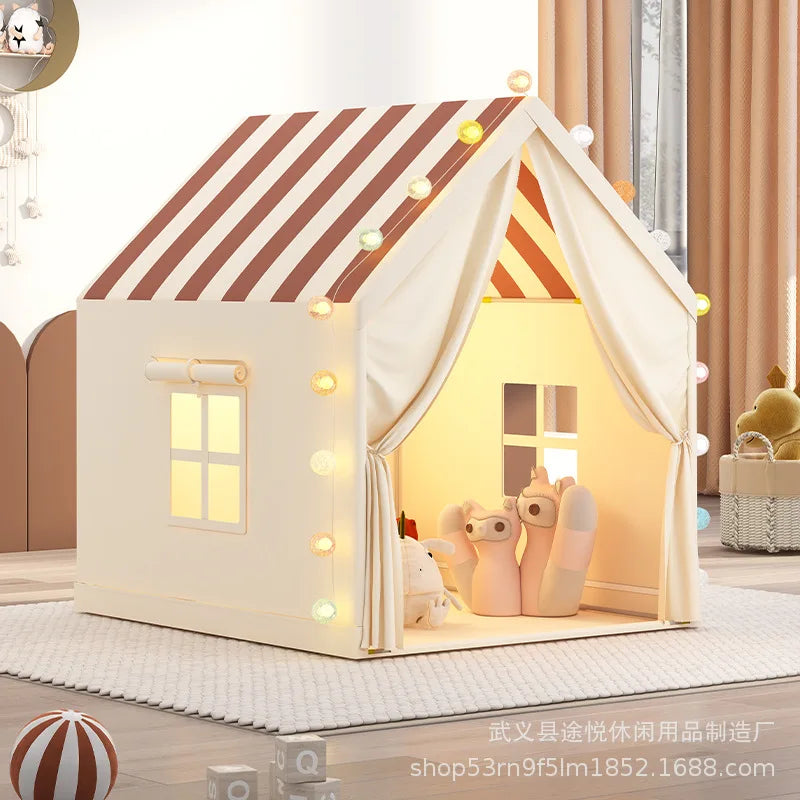
Indoor play tents with thoughtful airflow features create comfortable spaces for everyday toddler activities
How to Maintain a Safe and Clean Indoor Play Tent
Regular maintenance helps a toddler indoor play tent stay comfortable, hygienic, and durable through daily use. Simple cleaning habits also help protect fabrics, frames, and connection points from unnecessary wear.
Cleaning Washable Play Tent Fabrics
Toddler play spaces collect crumbs, dust, and small spills quickly. Choosing washable materials and following simple cleaning routines can help keep the tent fresh without damaging the fabric.
- Remove crumbs and loose debris regularly
- Spot-clean spills as soon as they happen
- Use gentle cleaning methods recommended for the fabric type
- Allow materials to dry completely before closing the tent
Checking Frames and Connections Regularly
A durable play tent needs occasional checks to maintain safe performance. Inspecting the structure helps identify loose joints, worn seams, or damaged parts before they affect everyday use.
- Check poles and connectors for secure fitting
- Look for stretched fabric or weakened seams
- Make sure entrances and support points remain stable
Storage Tips Between Uses
Proper storage extends the life of indoor play tents, especially for families who rotate toys or have limited living space.
- Fold fabric only when it is clean and completely dry
- Store the tent away from moisture and direct sunlight
- Keep small parts together to simplify future setup
These routines support hygiene-focused play areas similar to setups found in Baby Hygiene Gadgets .
What Makes a Durable Play Tent Last
A durable play tent should handle everyday toddler activities while staying comfortable, stable, and easy to maintain. Long-lasting designs balance strong construction with flexible materials so the tent can support active play without becoming difficult to clean or store.
| Feature | Why It Matters |
|---|---|
| Reinforced seams | Help prevent fabric damage during frequent use, movement, and cleaning |
| Flexible poles | Provide support while allowing slight movement without easily breaking |
| Quality fabric | Handles regular play, washing, and long-term household use |
| Secure connections | Keep the structure reliable during daily setup and play sessions |
Families looking for longer-lasting play environments often combine durable setups with toys from Sensory Toys to create engaging spaces that encourage repeated use.
Which Indoor Play Tent Is Best for Different Families?
The best indoor play tent depends on how your family uses the space. A toddler’s play area may need to fit a small apartment, support shared activities, or be easy to store between uses.
Best Choice for Small Apartments
Compact indoor play tents work well for families with limited floor space. Look for lightweight designs that provide enough room for toddlers while allowing the area to remain open for other activities.
- Foldable structures help maximize available space
- Smaller footprints fit bedrooms and shared living areas
- Simple designs are easier to move when needed
Best Choice for Shared Play Areas
For playrooms used by multiple children, durability and visibility become especially important. A well-built tent with breathable panels and strong materials can create a defined play zone while allowing parents to supervise easily.
- Durable fabrics handle frequent daily use
- Open entrances support quick check-ins
- Comfortable interiors encourage longer play sessions
Best Choice for Travel and Easy Storage
Families who regularly rearrange rooms or travel may prefer portable tents that assemble quickly and store efficiently. Lightweight frames and simple folding systems make it easier to create a familiar play space in different locations.
- Easy storage keeps homes organized
- Portable designs adapt to changing routines
- Quick assembly reduces setup effort
One parent shared that keeping a tent near learning tools from Baby Growth & Learning helped create a dedicated activity space and encouraged more independent play.
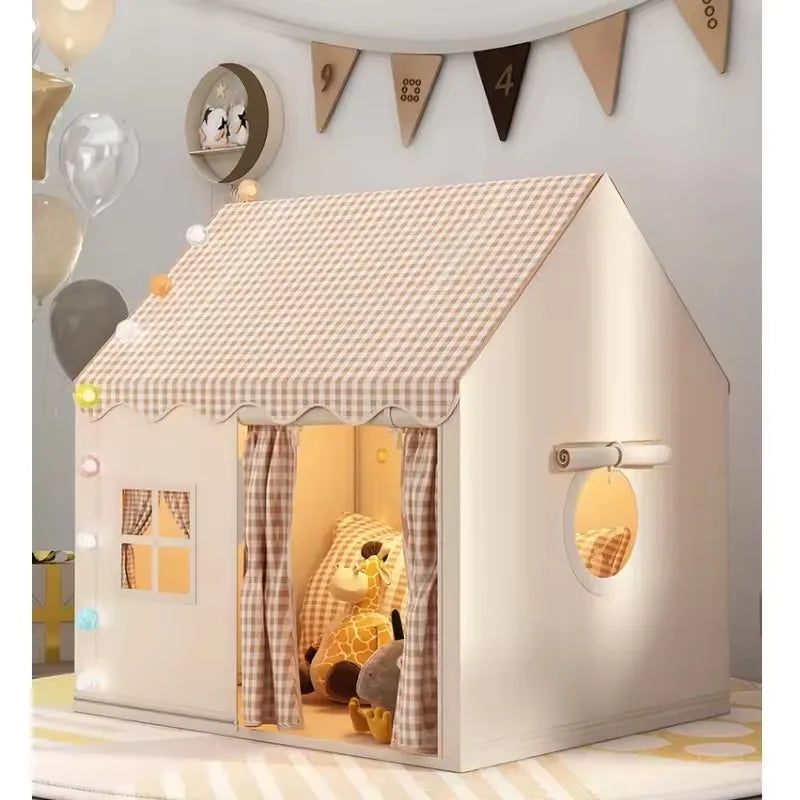
A durable play tent becomes part of everyday routines with the right size, materials, and design
Frequently Asked Questions About Indoor Play Tents for Toddlers
Are indoor play tents safe for toddlers 1-3?
Indoor play tents can be safe for toddlers 1-3 when they are made with child-friendly materials, stable frames, and proper ventilation. Parents should choose designs with secure connections, breathable openings, and a setup area away from hazards such as unstable furniture or sharp objects.
What features make an indoor play tent safer?
The safest indoor play tent features include sturdy construction, non-toxic materials, good airflow, and easy visibility for supervision. Reinforced seams, flexible but reliable poles, and open entrances can help create a more secure play environment for young children.
Can a 1 year old use an indoor play tent?
Yes, a 1 year old can use an indoor play tent with active adult supervision. Younger toddlers benefit from simple, open designs that provide a comfortable space for exploration while allowing parents to monitor movement easily.
How do I clean a toddler indoor play tent?
To clean a toddler indoor play tent, remove loose debris regularly, wipe small spills quickly, and follow the fabric care instructions for deeper cleaning. Washable materials and proper drying help maintain freshness and extend the life of a durable play tent.
What size indoor play tent is best for a small room?
The best size indoor play tent for a small room provides enough space for toddlers to sit, play, and move comfortably without overwhelming the available area. Compact or foldable designs are often practical choices for apartments, bedrooms, and shared play spaces.
Parents can also explore related ideas for creating engaging home environments through Baby Growth & Learning , Sensory Toys , and other resources focused on Health & Safety for everyday family routines.





