

what are pool floats made of explained: PVC, vinyl, foam
Are safe inflatable pool float materials really safer for skin and air?
Safe inflatable pool float materials reduce skin irritation, air leaks, and chemical odors by using cleaner PVC blends, protective coatings, and reinforced seams. These materials help durable pool floats stay inflated longer, feel softer against skin, and resist sun damage, making modern summer pool floats safer and more comfortable for families.
Safe Inflatable Pool Float Materials That Protect Skin and Air
⏱ 6 min read · Safe inflatable pool float materials are often the hidden difference between a relaxing pool day and itchy skin, fading colors, or slow leaks that ruin the fun. If you care about comfort, safety, and long-term value, understanding what your pool float is made of matters more than you think.
Have you ever noticed a strong plastic smell from a new pool float, or felt your skin get sticky and irritated after floating for an hour? Many parents and wellness-focused buyers don’t realize that not all inflatable materials are created equal.
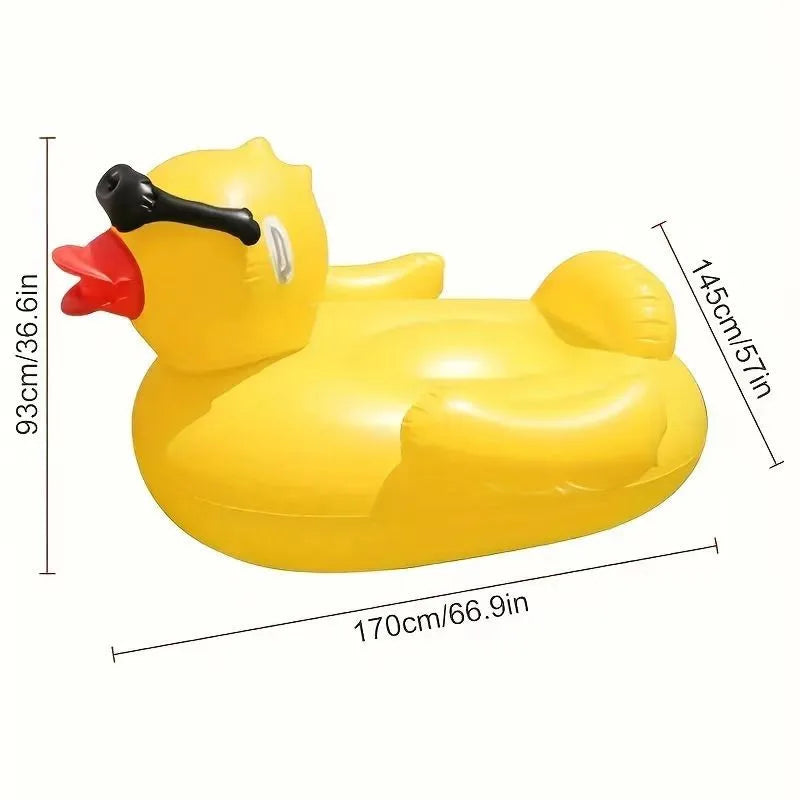
Safe inflatable pool float materials designed for durable pool floats and comfortable pool floats — See it in action
Why Pool Float Materials Matter More Than Design
Bright colors and fun shapes catch your eye, but materials determine how a float actually performs. Cheap plastics can feel rough, trap heat, and leak air quickly. Safe inflatable pool float materials focus on what touches your skin and what holds the air inside.
For parents, this concern mirrors everyday choices around Health & Safety products. What seems fine at first can become uncomfortable or unsafe over time if materials are poorly chosen.
- Low-grade plastics may release odors or irritate sensitive skin
- Thin vinyl stretches unevenly and loses air faster
- Weak seams fail under body weight and sun exposure
What makes inflatable pool float materials safe?
Safe inflatable pool float materials use cleaner PVC blends, non-toxic plasticizers, and protective surface coatings. These reduce chemical residue, improve flexibility, and help durable pool floats maintain shape and air pressure even with frequent use.
Non-toxic PVC blends
Modern pool floats often use refined PVC that minimizes harsh additives. This results in a smoother surface that feels better against skin and produces less odor when exposed to heat.
Protective surface coatings
Advanced coatings help block UV rays and chlorinated water. This slows cracking, fading, and stiffness, extending the life of summer pool floats.
Reinforced seams and valves
Material quality isn’t just about the sheet itself. Strong seams and well-designed valves prevent slow leaks that cause sagging and constant re-inflation.
How Skin-Friendly Materials Improve Comfort
Comfortable pool floats start with how they feel on bare skin. Safe inflatable pool float materials are designed to stay smooth, flexible, and cool, even under direct sun.
This is especially important for children or anyone with sensitive skin, similar to choosing gentle items from Baby Bath Accessories that avoid irritation.
- Softer texture reduces friction and pressure points
- Lower heat retention prevents sticky discomfort
- Cleaner materials reduce post-swim itchiness
- Flexible surfaces adapt to body position
How Better Materials Protect Air and Shape
Air loss is one of the most common frustrations with inflatable floats. Safe inflatable pool float materials address this with thicker construction and better elasticity.
- Material stretches evenly without thinning
- Seams hold under repeated weight shifts
- Valves seal tightly after inflation
- Shape remains stable for hours of use
The result is a durable pool float that stays supportive instead of slowly sinking while you relax.
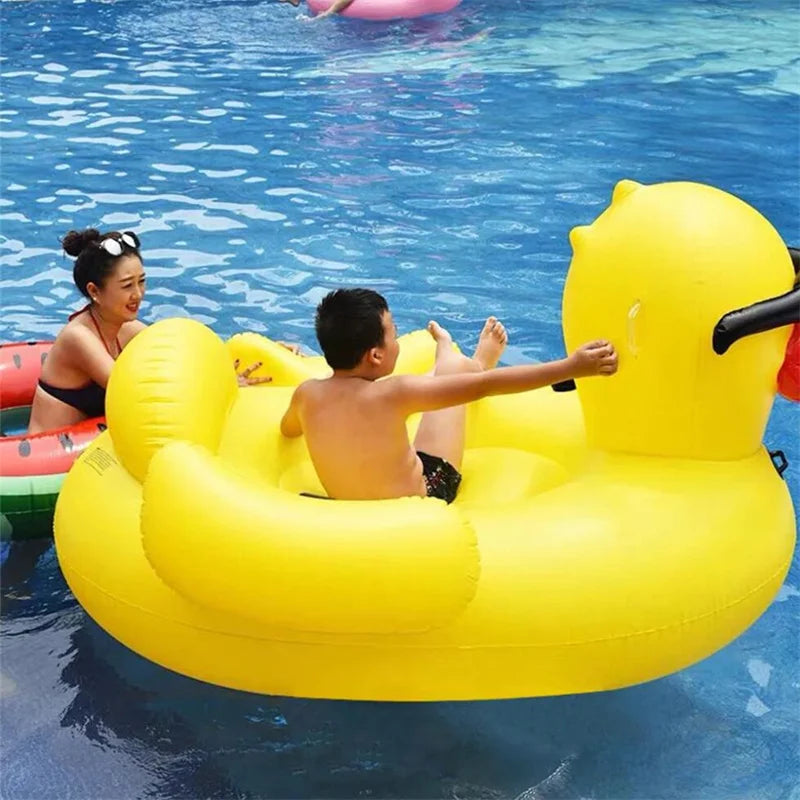
Durable pool floats made with safe inflatable pool float materials — See it in action
Material Comparison: Safe vs Standard Pool Floats
| Feature | Standard Materials | Safe Inflatable Pool Float Materials |
|---|---|---|
| Skin feel | Sticky, rough over time | Smooth, soft, skin-friendly |
| Air retention | Frequent slow leaks | Long-lasting inflation |
| Sun resistance | Fades, cracks | UV-resistant coatings |
| Odor | Strong plastic smell | Low odor, cleaner feel |
Sun, Water, and Chemical Resistance Explained
Pool floats live in harsh conditions: sun, water, sunscreen, and chlorine. Safe inflatable pool float materials are designed to handle all of it.
UV-stable plastics resist breakdown, while water-resistant coatings prevent stiffness. This is similar to how wellness-focused buyers look for lasting quality in Beauty & Wellness items that face daily exposure.
- Reduced cracking after long sun exposure
- Less color fading over the season
- Better resistance to chlorine and saltwater
Real-Life Use: Families, Kids, and Relaxation
Parents often share that higher-quality materials change how often a float gets used. Instead of becoming a one-week novelty, it becomes a go-to relaxation tool.
One parent review noted that switching to safer materials meant no more red marks on their child’s arms after pool time. Another mentioned inflating once and using it all weekend without topping up air.
How to Choose the Right Pool Float Material
When comparing options, focus less on graphics and more on construction details.
- Look for thicker, flexible material descriptions
- Check for reinforced seams and quality valves
- Avoid strong chemical smells on unboxing
- Choose designs labeled for comfort and durability
These cues help you avoid disposable-feeling floats and invest in something that actually improves your pool time.
Why this inflatable pool float stands out
Safe inflatable pool float materials used in this design focus on skin comfort, long-lasting air retention, and everyday reliability. Compared to standard floats, it stays cooler, holds shape longer, and feels noticeably softer, making it a smarter choice for families who value comfort and durability.
- Comfortable pool floats that support full-body relaxation
- Durable pool floats built for repeat use
- Cleaner materials for peace of mind
Explore the inflatable pool float designed for comfort and safety
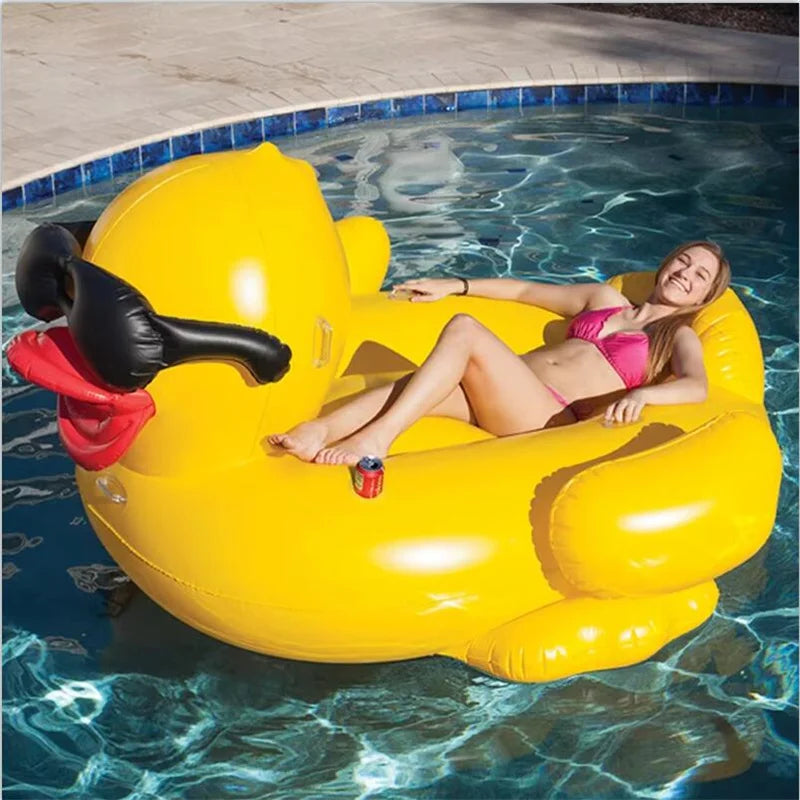
Comfortable pool floats using safe inflatable pool float materials — See it in action
Mini FAQ
Are safe inflatable pool float materials better for sensitive skin?
Yes. Cleaner PVC blends and smoother coatings reduce friction and chemical residue, making them more comfortable for sensitive or child skin.
Do better materials really help floats last longer?
Higher-quality materials resist UV damage, stretching, and seam failure, helping durable pool floats maintain air and shape longer.
How can I tell if a pool float uses safer materials?
Look for low-odor products, thicker construction, reinforced seams, and descriptions emphasizing comfort and durability.
Is this inflatable pool float suitable for family use?
Yes. Its material choices focus on comfort, air retention, and reliability, making it suitable for relaxed family pool time.
UPGRADE PLAN { "outline": [ { "action": "MODIFY", "h2": "What are pool floats made of?", "h3": [ "PVC (vinyl)", "TPU", "EVA and closed-cell foam", "Mesh and fabric-covered floats", "Eco-friendly alternatives" ], "focus": [ "Primary pool float materials", "Why manufacturers choose each material", "Common use cases", "Key advantages and drawbacks" ], "keywords": [ "what are pool floats made of", "pool float materials", "inflatable pool float materials", "what are inflatable pool toys made of" ] }, { "action": "ADD", "h2": "How inflatable pool floats are manufactured", "h3": [ "Heat-sealed seams", "RF welding", "Air chambers and valves" ], "focus": [ "Material forming process", "Leak prevention", "Structural durability", "Quality control" ], "keywords": [ "inflatable pool float materials", "PVC pool floats" ] }, { "action": "MODIFY", "h2": "Are safe inflatable pool float materials really safer?", "h3": [ "Phthalate-free PVC", "BPA-free components", "Safety certifications" ], "focus": [ "Chemical safety", "Skin contact", "Child-friendly materials", "Odor and emissions" ], "keywords": [ "safe inflatable pool float materials", "non toxic pool float materials" ] }, { "action": "MODIFY", "h2": "How different materials affect durability and comfort", "h3": [ "UV resistance", "Puncture resistance", "Weight capacity", "Surface feel" ], "focus": [ "Lifespan", "Comfort", "Heat retention", "Outdoor performance" ], "keywords": [ "durable pool floats", "comfortable pool floats", "pool float materials" ] }, { "action": "MODIFY", "h2": "Material comparison: PVC, TPU, foam, and fabric", "h3": [], "focus": [ "Durability comparison", "Comfort comparison", "Cost differences", "Best applications" ], "keywords": [ "PVC pool floats", "inflatable pool float materials", "pool float materials" ] }, { "action": "ADD", "h2": "Environmental impact and recyclability", "h3": [ "Can PVC be recycled?", "Longer-lasting materials", "Reducing waste" ], "focus": [ "Sustainability", "Disposal", "Eco alternatives", "Responsible purchasing" ], "keywords": [ "non toxic pool float materials", "pool float materials" ] }, { "action": "ADD", "h2": "Cleaning, storage, and repair by material", "h3": [ "Cleaning methods", "Patch repairs", "Proper storage" ], "focus": [ "Prevent mold", "Avoid UV damage", "Extend lifespan", "Maintain air retention" ], "keywords": [ "durable pool floats", "pool float materials" ] }, { "action": "MODIFY", "h2": "How to choose the right pool float material", "h3": [ "For kids", "For adults", "For lakes and beaches", "For frequent summer use" ], "focus": [ "Usage scenario", "Safety", "Durability needs", "Budget" ], "keywords": [ "summer pool floats", "safe inflatable pool float materials", "durable pool floats" ] }, { "action": "REMOVE", "h2": "Why this inflatable pool float stands out", "h3": [], "focus": [], "keywords": [] }, { "action": "MODIFY", "h2": "Frequently asked questions", "h3": [], "focus": [ "Common material questions", "Safety", "Durability", "Maintenance" ], "keywords": [ "what are pool floats made of" ] } ], "internal_links": [ "Guide to cleaning inflatable pool floats", "How to repair inflatable pool floats", "Pool float storage tips", "Pool chemical safety guide", "How to choose the right pool float" ], "faq": [ "What are most inflatable pool floats made of?", "Is PVC safe for pool floats?", "What are inflatable pool toys made of?", "Which pool float material lasts the longest?", "Are TPU pool floats better than PVC?", "Can inflatable pool floats be recycled?", "How do I know if a pool float is phthalate-free?", "Why do some pool floats feel softer than others?" ], "trim": [ "Real-Life Use: Families, Kids, and Relaxation", "How Skin-Friendly Materials Improve Comfort", "How Better Materials Protect Air and Shape", "Sun, Water, and Chemical Resistance Explained" ] } Approved linked products: - Explore the inflatable pool float designed for comfort and safety (/products/inflatable-pool-float) Product Rules - Keep all approved products. - Only approved products may contain affiliate links. - You may add real competitor products when useful. - Competitor products must not contain links unless already present. - Only create comparison tables when they genuinely improve the article. RULES - Apply every instruction in the Upgrade Plan. - Keep all existing affiliate links unchanged. - Keep all existing internal links unchanged. - Keep all existing image URLs unchanged. - Preserve sections such as Related Articles, Related Posts and Recommended Reading. - Avoid duplicate headings. - Insert new sections only where specified. - Improve clarity, topical coverage, EEAT and readability. - Expand weak sections only when required. - Use natural keyword placement. - Keep semantic HTML clean. YEAR UPDATE If visible article text contains "2005", replace it with "2026". Do not modify years inside: - URLs - href attributes - image filenames OUTPUT REQUIREMENTS Return ONLY the final upgraded HTML article. The output must be valid HTML and ready to publish. Do NOT return: - Markdown - Explanations - Notes - Code fences - JSON - XML Return the HTML beginning with the first HTML element and ending with the last HTML element.





