

Dollhouse Safety Young Children: Hidden Risks Parents Miss
What makes a dollhouse safe for young children?
Safe dollhouse use depends on more than choosing a non toxic dollhouse label. Parents should look for child-safe materials, stable construction, smooth edges, secure accessories, and age-appropriate designs. Safe non toxic toy materials such as solid wood, lead-free finishes, and low-VOC paints help reduce exposure risks while creating a more comfortable environment for imaginative play.
Safe Non Toxic Toy Materials Tested in Popular Dollhouse Sets
⏱ 6 min read — Choosing a dollhouse for children involves more than appearance and accessories. Safe non toxic toy materials influence durability, comfort, and everyday safety during pretend play. In this guide, we examine dollhouse construction, paints, finishes, accessories, and safety features parents should evaluate before buying. You’ll learn how wooden dollhouse safety compares with plastic options, what certifications matter, and how to create safer play experiences.
Wondering how can I ensure the safety of dolls and dollhouses for my child? The answer starts with understanding materials, age recommendations, possible hazards, and simple inspection steps before play begins.
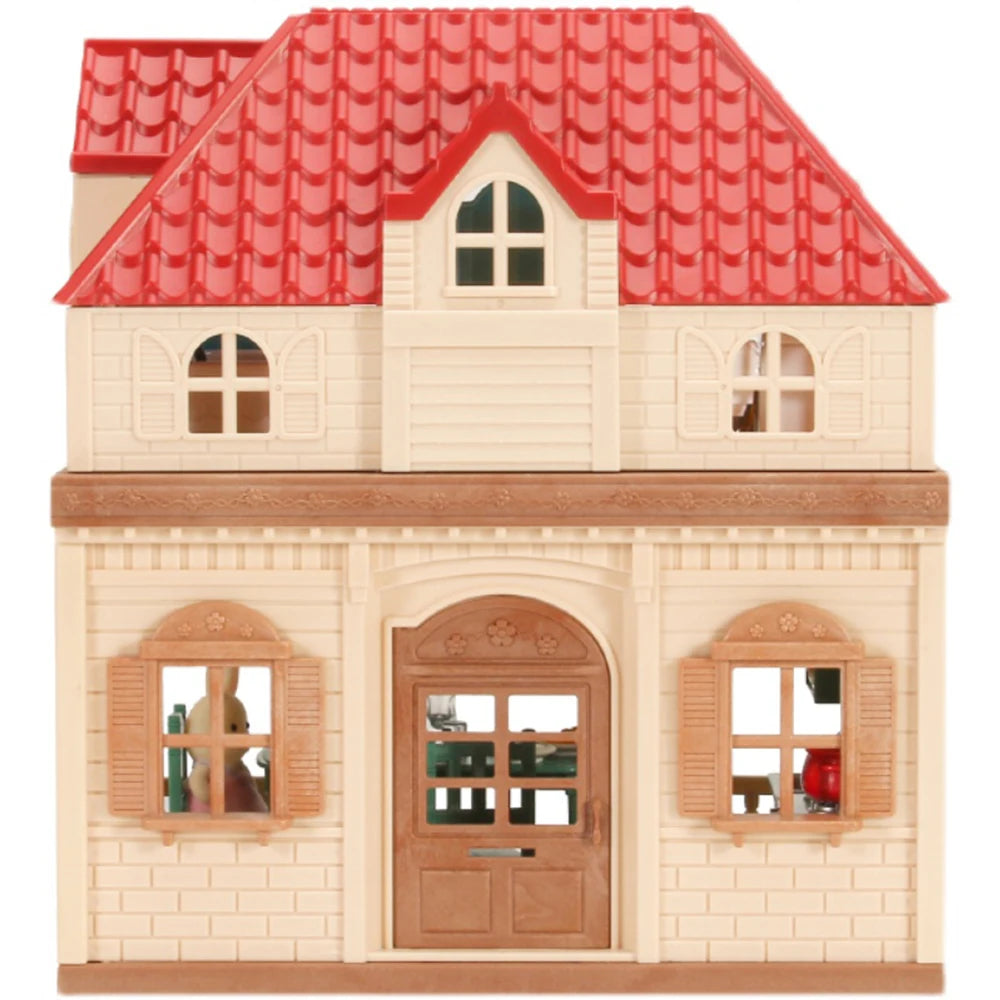
Safe non toxic toy materials in real dollhouse furniture sets — See it in action
Dollhouse Safety for Young Children: What Every Parent Should Know
Dollhouse safety for young children starts with selecting toys designed for a child’s developmental stage and play habits. Because children often touch, move, and sometimes place toys near their mouths, every component should be evaluated for material quality, durability, and potential hazards.
A safe dollhouse should provide:
- Non toxic materials with child-safe finishes
- Stable construction that does not easily tip over
- Smooth surfaces without sharp edges or splinters
- Secure furniture pieces that resist breaking during play
- Accessories appropriate for the child’s age and abilities
Parents should remember that even well-made toys require regular checks. Normal wear, loose parts, and damaged finishes can create safety concerns over time.
Age Recommendations: Choosing the Right Dollhouse by Development Stage
The safest dollhouse depends on a child’s age, coordination, and ability to understand safe play rules. Choosing age-appropriate designs helps reduce risks while allowing children to enjoy creative exploration.
Under 3 Years
Dollhouses with small furniture, miniature accessories, or detachable pieces may not be suitable for toddlers. Children under three are still developing hand control and may explore objects through mouthing.
- Avoid tiny accessories that can become choking hazards
- Choose larger, simple pieces designed for toddler handling
- Provide close adult supervision during play
Ages 3–5
Preschool children are often ready for more detailed dollhouses because they develop stronger fine motor skills and imaginative storytelling abilities. However, parents should still check that accessories are durable and securely made.
- Look for rounded edges and sturdy furniture
- Teach children how to handle smaller pieces safely
- Inspect toys regularly for damage
Ages 6+
Older children can typically manage more complex dollhouses with smaller accessories. They may enjoy detailed layouts, role-play scenarios, and creative customization while still benefiting from durable, non toxic materials.
How to Choose Safe Materials for Dollhouses and Accessories
The best non toxic dollhouse designs combine safe materials with strong construction. Parents should evaluate the wood, plastic, paints, fabrics, and safety information provided by manufacturers.
Wood vs Plastic
Wooden dollhouses are popular because they often provide excellent durability and a natural feel. However, wooden dollhouse safety depends on the quality of the wood, adhesives, and finishes used.
- Solid wood: Usually stronger and more resistant to damage than thin composite materials
- Plastic: Can be lightweight and easy to clean but should use child-safe plastics without unsafe additives
- Composite wood: Requires extra attention because binders and coatings vary between products
Paints, Finishes, and Fabrics
Safe non toxic toy materials should include finishes designed for children. Look for:
- Lead-free paints
- Low-VOC finishes
- Water-based coatings
- Securely attached fabrics without loose threads
Safety Certifications to Look For
Trusted toy manufacturers provide safety information showing that products meet recognized standards. Transparent labeling helps parents identify safer choices when comparing different brands.
Many families researching safe toys also explore resources such as Baby Growth & Learning for additional child development guidance.
Common Dollhouse Hazards Parents Should Check Before Play
Even attractive dollhouses can contain safety issues if parents do not inspect the design carefully. Understanding common risks makes it easier to choose and maintain a safer play environment.
Choking Hazards
Small furniture pieces, miniature food items, and tiny accessories may create choking risks for younger children. Always follow the manufacturer’s recommended age range.
Sharp Edges and Splinters
Wooden dollhouse safety depends on smooth finishing. Check corners, doors, windows, and furniture pieces for rough surfaces that may scratch small hands.
Magnets and Loose Parts
Some interactive dollhouse accessories contain magnets or small detachable components. These should be securely enclosed and regularly inspected for damage.
Tip-Over Risks
Larger dollhouses should sit on stable surfaces. Avoid placing them where children may climb, pull, or use the structure for support.
How to Inspect a Dollhouse Before First Use
A quick inspection before the first play session can identify problems early and improve dollhouse safety for young children.
Pre-Play Checklist
- Confirm all screws, joints, and hardware are secure
- Check for loose furniture parts or accessories
- Look for chipped paint, cracks, or unfinished edges
- Remove packaging materials before giving the toy to children
- Check that included accessories match the recommended age range
Ongoing Safety Checks
Regular inspections help maintain a safe non toxic dollhouse environment. Examine the toy after heavy use, accidental drops, or exposure to moisture.
- Replace damaged pieces
- Repair loose connections
- Remove broken accessories
- Monitor changes in paint or surface condition
Safe Placement, Storage, and Supervision Tips
Proper placement is an important part of dollhouse safety young children. Even a well-made toy can become unsafe if positioned incorrectly.
- Place dollhouses on stable, flat surfaces
- Avoid high shelves where children may pull them down
- Store small accessories separately when younger siblings are nearby
- Supervise younger children during detailed pretend play
- Create a dedicated play area free from climbing hazards
Cleaning and Maintaining a Safe Dollhouse
Routine maintenance helps preserve wooden dollhouse safety and keeps materials in good condition. A clean, well-maintained toy is less likely to develop damaged finishes or loose components.
- Wipe surfaces with a soft, slightly damp cloth
- Avoid harsh chemical cleaners on painted areas
- Check finishes for peeling or cracking
- Organize accessories to prevent missing or broken parts
- Replace damaged components when necessary
These simple steps help extend the life of a non toxic dollhouse while keeping play safer.
Toy Safety Standards and Certifications Explained
Parents comparing toy brands should understand basic safety standards and manufacturer testing practices. Certifications do not replace supervision, but they provide additional confidence when selecting children's toys.
- ASTM standards: Safety guidelines used for many toys sold in the United States
- CPSC guidance: Consumer safety recommendations covering children’s products
- EN71 overview: European toy safety standards addressing materials, mechanical risks, and chemical safety
- Manufacturer labeling: Clear age recommendations and material information help parents make informed choices
When asking which toy brands use the best materials, parents should prioritize companies that provide transparent product details, safety testing information, and responsible manufacturing practices.
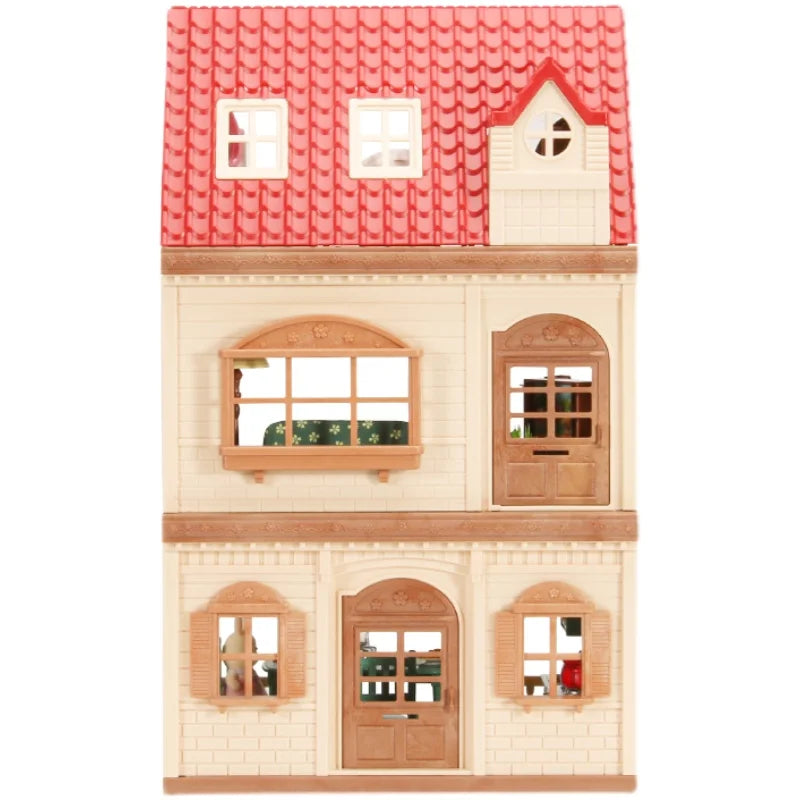
Comparing miniature dollhouse furniture sets by material quality — See it in action
Parents looking for learning-focused toys can also explore Sensory Toys and related child development resources to create richer play experiences.
Safe Toy Cleaning and Maintenance Tips
Keeping a dollhouse clean supports both hygiene and long-term safety. Regular care helps prevent buildup while making it easier to identify damaged parts before they become problems.
- Dust wooden surfaces regularly
- Use child-safe cleaning methods
- Store loose accessories in labeled containers
- Replace worn-out pieces instead of repairing unsafe parts
Frequently Asked Questions
What age is safe for a dollhouse?
Many dollhouses are recommended for children ages 3 and older, but the safest choice depends on the size of accessories, construction quality, and the child’s development level.
Are wooden dollhouses safer than plastic ones?
Not always. A well-made plastic dollhouse can be safe, while a poorly finished wooden dollhouse may not be. Safety depends on materials, finishes, durability, and testing.
How can I tell if a dollhouse is non-toxic?
Look for transparent material information, lead-free finishes, low-VOC paints, and recognized safety testing. Avoid products with strong chemical odors or unclear manufacturing details.
What safety certifications should a dollhouse have?
Common indicators include ASTM toy safety standards, CPSC guidance compliance, and EN71 certification for products sold in relevant markets.
Are small dollhouse accessories safe for toddlers?
Small accessories may not be suitable for children under three because of choking risks. Choose larger pieces designed for toddler play when appropriate.
How often should I inspect a dollhouse for hazards?
Inspect dollhouses before first use and periodically afterward, especially after drops, frequent play, or visible wear.
Are Disney dolls made with non-toxic materials?
Parents should review the specific product information provided by the manufacturer because materials and safety testing can vary between different doll products.
Which toy brands use the best materials for children's toys?
The best toy brands typically provide clear material information, strong construction, safety certifications, and age-appropriate designs. Parents should evaluate each product rather than relying only on brand reputation.
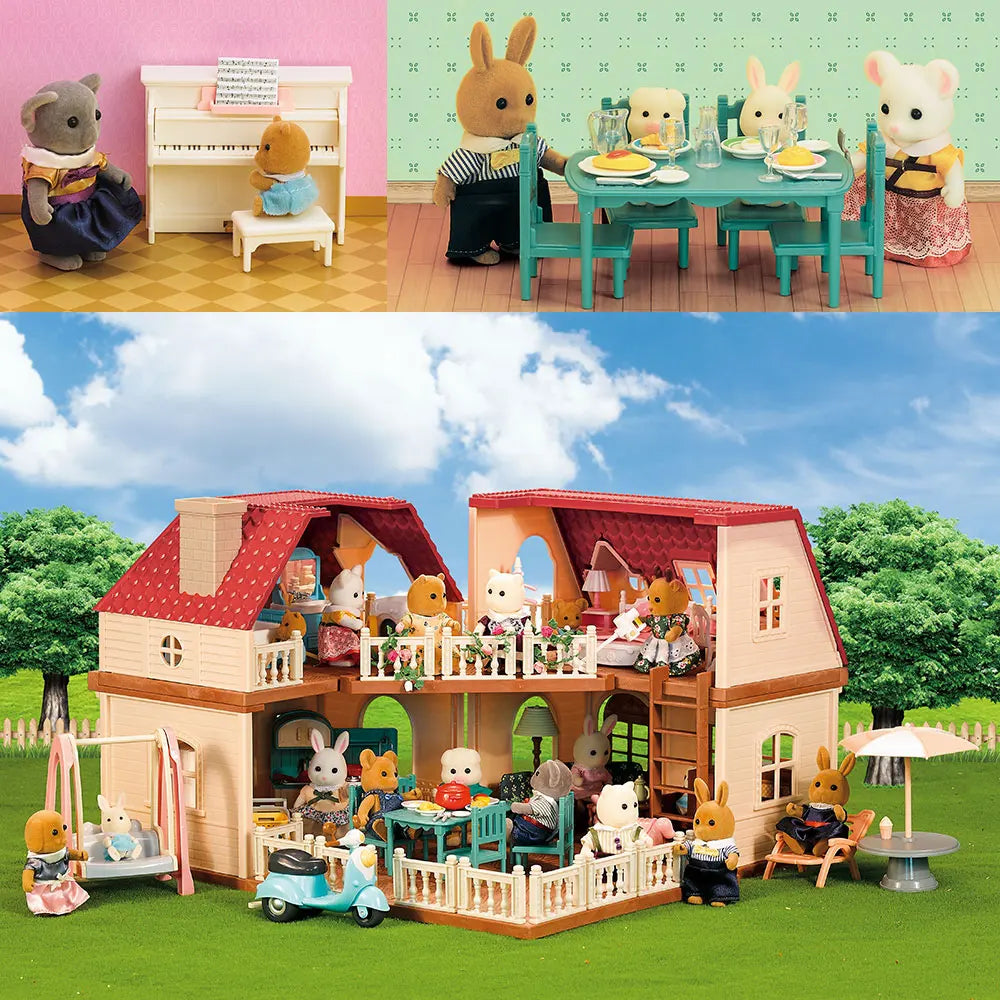
Trusted dollhouse furniture sets for sale made with safe non toxic toy materials — See it in action
Families comparing safer dollhouse options often choose the Forest Family Dollhouse Furniture Set after reviewing material quality, construction, and everyday play durability.
Related Guide: Pretend Play Villa Dollhouse Set Review: Is It Worth the Price





