

Safe Riding Toys Toddlers Need for Confident First Rides
Do safe riding toys help toddlers gain confidence?
Safe riding toys toddlers use daily are designed to support balance, steering, and body control while reducing fall risks. By matching balance bike ages and skill levels, these toys strengthen coordination development and early childhood motor development, helping toddlers transition from cautious first pushes to confident independent rides.
Safe Riding Toys Toddlers Need for Confident First Rides
Safe riding toys toddlers depend on can make the difference between hesitant first steps and joyful, confident movement. The right design supports early childhood motor development, improves coordination development, and respects balance bike ages so children learn at their own pace—without fear or frustration.
⏱ 7 min read
Watching a toddler push off for the first time is exciting—and nerve-wracking. Many parents worry about falls, awkward posture, or toys that look fun but don’t actually help kids learn. The good news? Well-designed ride-on toys can quietly guide children toward balance, coordination, and confidence.
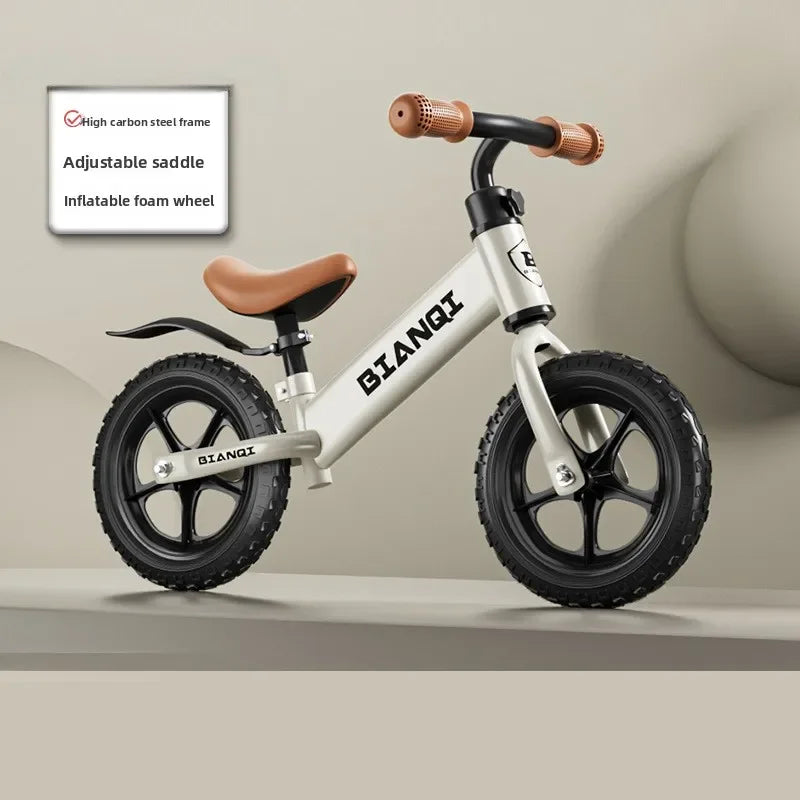
Safe riding toys toddlers love can boost early childhood motor development — 💡 See it in action
What makes riding toys safe for toddlers?
Safe riding toys toddlers benefit from focus on stability, low center of gravity, and intuitive control. Unlike flashy toys that prioritize speed or tricks, safety-first designs reduce tipping, encourage natural posture, and allow toddlers to stop easily with their feet.
- Wide wheelbase for better balance
- Rounded edges and non-toxic materials
- Lightweight frames toddlers can control
- Adjustable height to grow with your child
Many parents also pair ride-on play with supportive gear from Health & Safety collections to create a safer outdoor routine.
Why confidence matters in early riding
Confidence is more than courage—it’s a developmental signal. When toddlers feel secure, they explore movement freely, strengthening early childhood motor development and coordination development without hesitation.
Safe riding toys toddlers trust allow them to:
- Practice steering without fear
- Learn stopping and starting naturally
- Build independence through repetition
- Develop spatial awareness outdoors
Outdoor play combined with sensory feedback—often enhanced with items from Sensory Toys—creates a rich learning environment.
Key features that improve coordination development
Coordination development improves when toys respond predictably to a child’s movements. Safe riding toys toddlers succeed with share common engineering choices that quietly guide learning.
Lightweight, toddler-controlled design
When a toy is light enough, toddlers correct balance themselves. This self-correction strengthens core muscles and improves reaction timing.
Adjustable fit for growing bodies
Matching toy height to balance bike ages prevents awkward posture. Adjustable seats ensure knees, hips, and feet align correctly.
Foot-powered motion
Feet-on-the-ground riding teaches braking and propulsion naturally, a major advantage over pedal-heavy designs.
How balance bike ages guide safe toy selection
Safe riding toys toddlers need must align with developmental stages. Balance bike ages typically range from 18 months to 5 years, but readiness varies.
| Age Range | Recommended Features | Skills Developed |
|---|---|---|
| 18–24 months | Low seat, wide wheels | Standing balance, walking push |
| 2–3 years | Steering control, adjustable height | Coordination development |
| 3–5 years | Longer frame, smooth bearings | Confident gliding |
Choosing within these ranges helps prevent frustration and supports early childhood motor development.
Comparing common toddler ride-on toys
Not all ride-on toys deliver the same results. Below is a clear comparison to help parents decide.
| Toy Type | Pros | Cons |
|---|---|---|
| Push Cars | Stable, fun indoors | Limited balance training |
| Tricycles | Pedal introduction | Delayed balance skills |
| Balance Bikes | Excellent coordination development | Requires outdoor space |
For families focused on mobility, the Mobility & Training collection offers complementary gear.
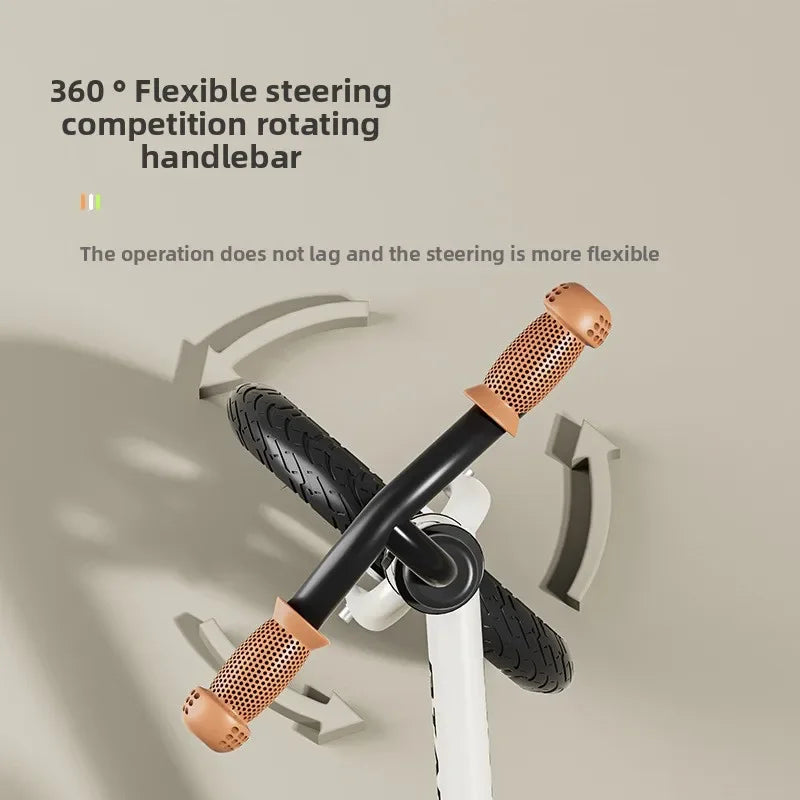
Supporting coordination development through safe riding toys toddlers enjoy — 💡 See it in action
Real parent experiences and visible results
Parents often report noticeable changes within weeks. Toddlers who once clung to support begin gliding independently, turning confidently, and asking to ride again.
- Improved posture during walking
- Greater willingness to explore outdoors
- Reduced fear of uneven surfaces
Many families integrate riding time into routines alongside comfort items from Sleep & Comfort to balance activity and rest.
How to choose the right safe riding toy
Selecting safe riding toys toddlers thrive with doesn’t require guesswork.
- Measure inseam to match seat height
- Check weight limits and adjustability
- Prioritize stability over speed
- Consider long-term growth
A well-matched toy supports early childhood motor development while keeping play joyful.
Many parents choose trusted options like the Baby Balance Bike Learning Toddler for consistent results.
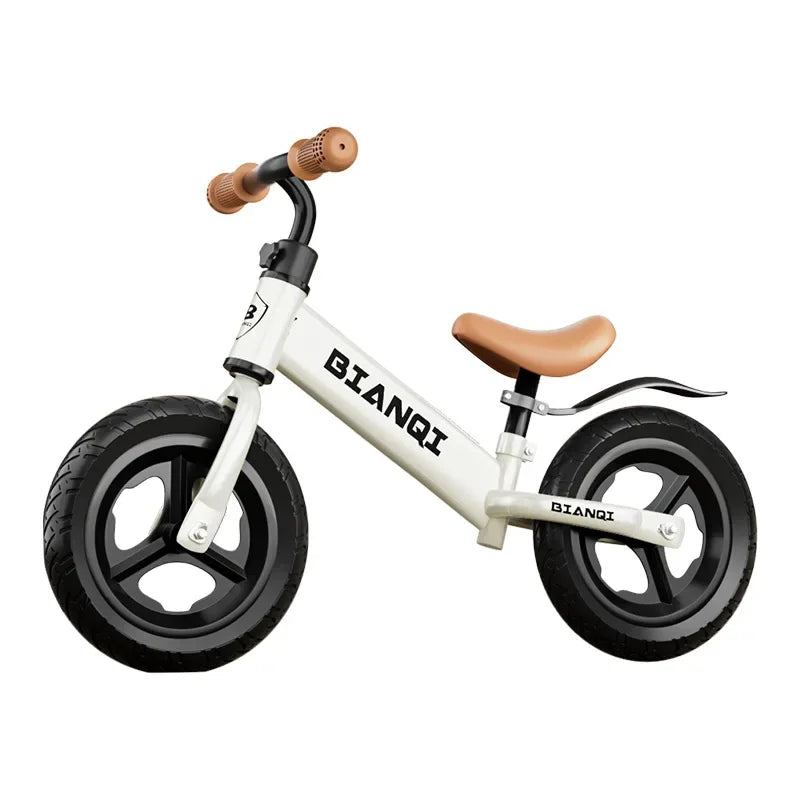
Safe riding toys toddlers trust help build balance bike ages confidence — 💡 See it in action
Frequently asked questions
At what age can toddlers start using riding toys?
Many toddlers begin around 18 months, depending on walking stability and interest. Matching balance bike ages ensures readiness.
Do riding toys really help coordination development?
Yes. Foot-powered motion and steering directly strengthen coordination development and body awareness.
Are balance bikes safer than tricycles?
Balance bikes encourage natural stopping and lower fall height, making them safer for early learners.
How long should toddlers ride each day?
Short, frequent sessions—10 to 20 minutes—support early childhood motor development without fatigue.





