

Toy TV Remote for Baby That Beats the Real One
Safe TV Remote Toy Baby Picks for Curious Little Hands
⏱ 7 min read
Few household items capture a baby's attention quite like the TV remote. The buttons, familiar shape, and instant feedback make it endlessly fascinating. Instead of constantly taking the real remote away, many parents choose a
safe TV remote toy baby
designed to satisfy that curiosity while encouraging age-appropriate, screen-free play. This guide explains what makes a baby remote toy safer, why infants love them, and what features are worth looking for before you buy.
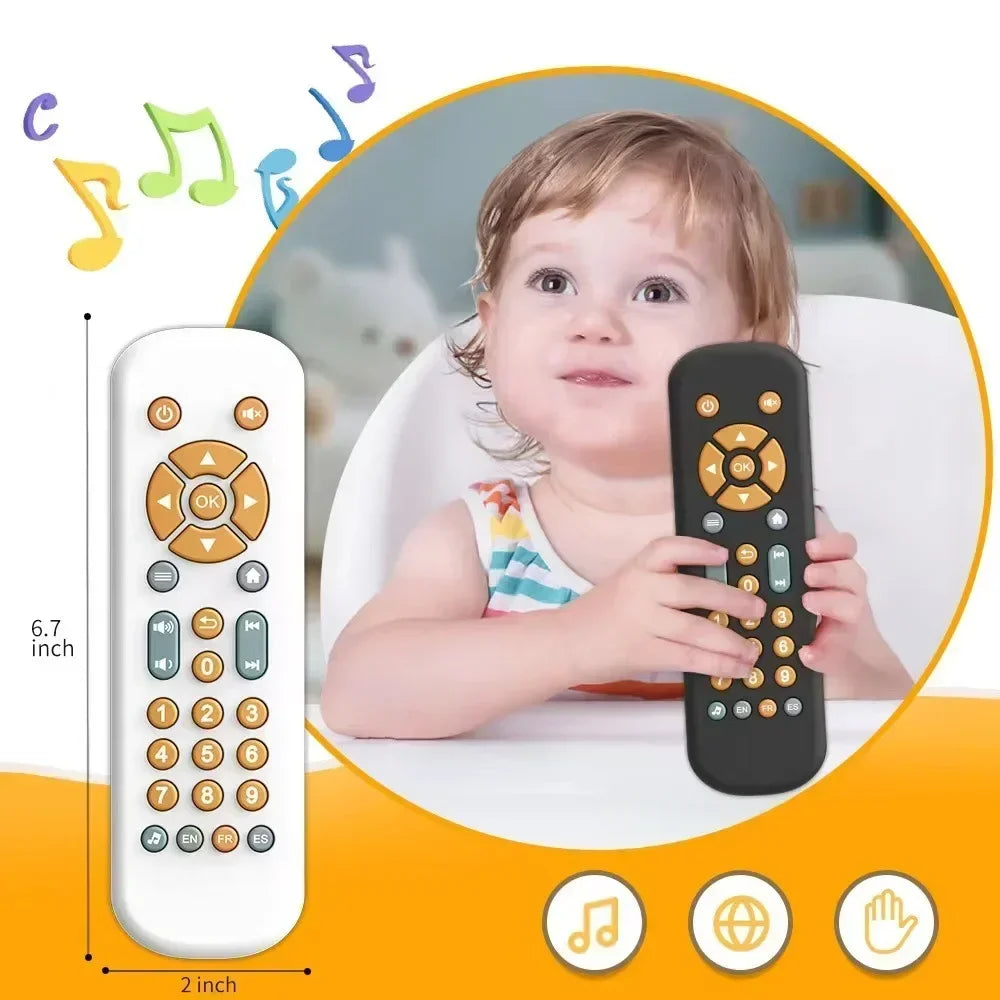
Safe TV remote toy baby with soft buttons and lights — See it in action
Curious which safe infant toys actually keep babies engaged without screens? Explore smarter play options designed for everyday moments.
Why Babies Love TV Remotes So Much
Babies are naturally drawn to objects they see adults using every day. A TV remote represents action and response—press a button and something changes. Even before they understand what a television does, infants enjoy experimenting with buttons, textures, and sounds as they discover simple cause-and-effect relationships.
- Large, high-contrast buttons attract visual attention.
- Pressing buttons encourages early cause-and-effect learning.
- Compact shapes are easy for little hands to grasp and explore.
- Imitating parents supports early pretend play and social development.
Because real remotes often contain loose batteries, germs, and hard plastic edges, offering a purpose-built toy TV remote control provides a safer way for babies to satisfy their curiosity while reducing the temptation to reach for household electronics.
What Makes a TV Remote Toy Truly Safe?
A safe TV remote toy baby is designed with protection, durability, and age-appropriate play in mind. The best options use baby-friendly materials, secure construction, and features that encourage exploration without introducing unnecessary risks.
Direct Answer: What defines a safe TV remote toy baby?
A safe TV remote toy baby should be made from BPA-free materials, have a securely enclosed battery compartment, and feature smooth edges without sharp points or easily removable parts. It should also provide gentle lights and sounds that support sensory exploration without overwhelming sensitive ears.
Safety checklist before buying
- Material quality: Look for BPA-free, non-toxic materials designed for frequent handling and mouthing.
- Battery protection: Choose toys with screw-secured or sealed battery compartments that prevent accidental access.
- Choking prevention: Avoid designs with small detachable pieces, loose decorations, or parts that can break away.
- Comfortable design: Soft edges, lightweight construction, and easy-grip shapes help babies explore safely.
- Sound control: Gentle volume levels are better suited for developing ears and everyday play.
- Safety standards: Toys that follow recognized standards such as ASTM and CPSIA requirements provide added confidence for parents.
A washable or wipe-clean surface is also important because baby toys frequently collect saliva, food residue, and everyday germs. Parents often pair these toys with other Health & Safety essentials to create a safer play environment.
How a Toy TV Remote Control Supports Early Learning
A baby remote control toy is more than a replacement for a household remote. When designed for infants, it can encourage hands-on exploration, early problem-solving, and independent play through simple interactions.
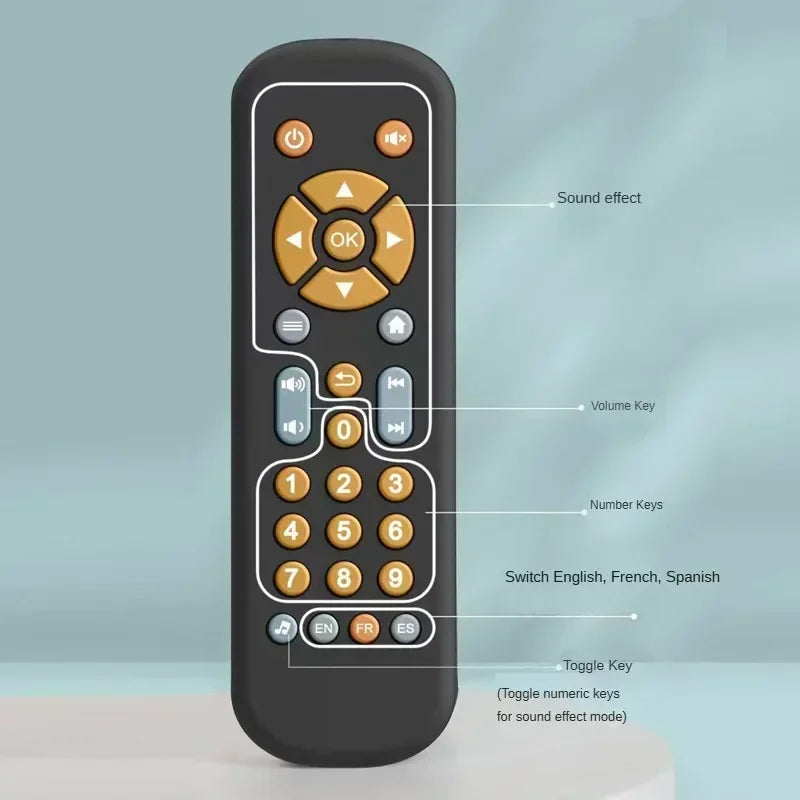
Toy TV remote control encouraging motor skills and sound recognition — See it in action
Fine motor skills
Pressing buttons, holding the toy, and moving fingers between different controls can help babies practice hand coordination and finger control. These simple movements support early fine motor development as babies learn how objects respond to their actions.
Cause-and-effect learning
Lights, sounds, and button responses introduce the idea that actions create results. This type of interactive play helps babies understand connections between what they do and what happens next.
Sensory stimulation
A baby sensory remote toy combines textures, colors, sounds, and movement to encourage curiosity. The best designs offer balanced stimulation rather than excessive lights or loud sounds.
Pretend play
Babies often copy what they see adults doing. A toy remote allows them to imitate everyday routines, supporting early imagination, communication, and social learning through pretend play.
These benefits align well with items in the Baby Growth & Learning collection, especially for screen-free play.
Learn step-by-step how to choose toys that actually support development.
Safe Toy Remote vs Real Remote: A Simple Comparison
A baby remote control toy is designed to provide the same curiosity-driven experience as a household remote while offering features created specifically for infants. Real remotes may look exciting to babies, but they are not designed for chewing, dropping, or extended handling during play.
| Feature | Safe Toy Remote | Real TV Remote |
|---|---|---|
| Materials | Baby-safe materials, smooth edges, and designs made for infant handling | Hard plastic components designed for electronics use, not baby play |
| Battery Safety | Secure battery compartment helps prevent accidental access | Battery compartments may become unsafe if damaged or opened |
| Learning Value | Designed for interactive play, button exploration, and early learning | Provides no intentional developmental features |
| Hygiene | Usually easier to wipe clean after everyday play | Frequently handled by adults and may collect more germs |
| Durability | Built to withstand frequent drops and baby exploration | Designed for normal household use rather than infant handling |
Choosing a fake remote control toy baby can help parents redirect curiosity toward a safer activity while still allowing babies to imitate everyday actions. This type of pretend play supports exploration without giving infants access to household electronics.
This comparison helps many parents decide quickly—especially those already browsing Baby Care Essentials .
How to Choose the Right Safe TV Remote Toy Baby
Choosing the right toy TV remote for baby depends on your child’s age, play style, and developmental stage. A good baby remote control toy should feel comfortable in small hands while offering safe, engaging features that encourage exploration.
- Check age recommendations: Choose a toy designed for your baby’s stage, with features that match their grip strength, attention span, and play abilities.
- Look for easy-to-press buttons: Responsive buttons help younger babies practice hand control while creating satisfying cause-and-effect feedback.
- Consider sound and light settings: Gentle sounds and soft lights are usually better choices for infants, especially during longer play sessions.
- Review materials and construction: Select toys made with baby-friendly, durable materials that can handle everyday drops and exploration.
- Think about portability: Lightweight designs are useful for travel, diaper bags, and keeping babies engaged during outings.
A popular option many parents trust is the infant TV remote control toy , designed to balance fun and safety.
Discover a safer alternative that keeps little hands busy and parents relaxed.
Verified Customer Feedback: Common Pros and Cons
Parents often choose a best baby remote toy because it offers familiar pretend play while being made specifically for little hands. Common feedback highlights a few features that make these toys popular, as well as some considerations before purchasing.
- Most praised features: Parents frequently appreciate soft-touch designs, engaging buttons, realistic remote shapes, and sounds that keep babies interested.
- Durability insights: Sturdy construction and secure battery compartments are important for toys that are handled, dropped, and explored daily.
- Convenience benefits: Compact designs make many baby remote toys easy to bring along for car rides, restaurants, and visits.
- Common considerations: Some babies may prefer simpler designs with fewer sounds or lights, while others enjoy more interactive features.
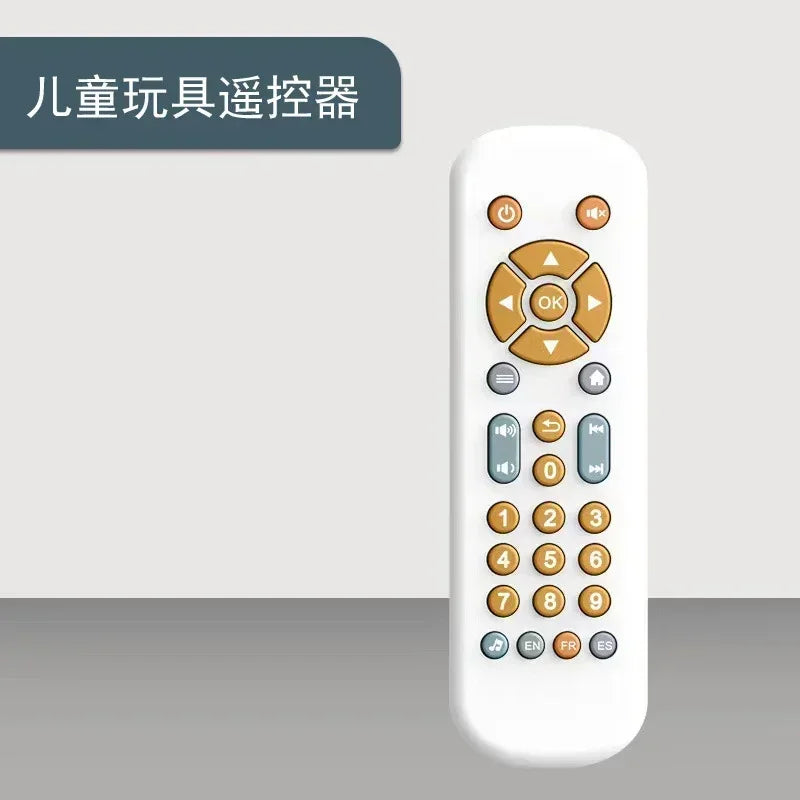
Safe infant toys that replace real remotes — See it in action
Families often combine this toy with calming items from Sleep & Comfort for smoother evenings.
Get yours now — limited stock for curious little hands.
Quick FAQ
Is a toy TV remote control safe for newborns?
Yes, a toy TV remote for baby can be suitable for supervised newborn play when it is designed with baby-safe materials, secure battery compartments, smooth edges, and age-appropriate features. Always follow the manufacturer’s age guidance and inspect the toy regularly for signs of wear.
Will this replace screen time?
A baby remote control toy does not replace all forms of play, but it can encourage screen-free engagement by giving babies a familiar object to explore through touch, sounds, and pretend play. It supports hands-on learning without requiring a screen.
How do I clean it?
Most safe infant toys can be cleaned by wiping the surface with a damp cloth and mild soap when needed. Avoid soaking electronic toys unless the manufacturer specifically states they are washable. Always check care instructions before cleaning.
What age is a baby remote control toy best for?
Many baby remote control toys are designed for infants who are beginning to grasp, press buttons, and explore cause-and-effect activities. Younger babies may enjoy simple lights and sounds, while older babies and toddlers often enjoy more interactive pretend play features.
Do toy remotes need batteries?
Some toy remotes use batteries to power lights, sounds, or interactive features, while others are designed without electronics. If a toy uses batteries, choose models with secure battery compartments and check that the compartment remains tightly closed during use.
Are realistic toy remotes better than colorful ones?
The best choice depends on your child’s interests. Realistic designs can encourage pretend play because babies enjoy copying adults, while colorful designs with varied textures may provide more sensory exploration. A good baby remote control toy balances familiarity, safety, and engaging features.
What is the best toy TV remote for a baby?
The best option is one that matches your baby’s age, provides safe interactive features, and uses durable baby-friendly materials. Look for features such as easy-grip shapes, gentle sounds, secure batteries, and simple buttons that encourage exploration.
Are baby remote control toys safe?
Baby remote control toys are generally safe when they are specifically made for infants, follow appropriate toy safety standards, and are used with supervision. Avoid giving babies real remotes because they are not designed for chewing, dropping, or infant play.
Do toy TV remotes help with learning?
Yes, a learning-focused toy remote can support early development by encouraging fine motor practice, sensory exploration, and cause-and-effect understanding. These benefits work best as part of a wider selection of age-appropriate activities, including Sensory Toys and other developmental play options.
Should I give my baby a fake remote instead of a real one?
For babies who constantly reach for household remotes, a fake remote control toy baby can be a safer alternative. It allows children to imitate everyday actions while reducing exposure to electronic devices that are not designed for infant use.
How loud should a baby remote toy be?
A baby remote toy should have gentle sound levels that are comfortable for everyday play. Toys with adjustable or naturally soft audio are often a better choice because infants have sensitive hearing and may play with the toy for extended periods.
Related Guide: Improve Toddler Sensory Development for Different Learning Styles





