

Scooter Wheels: Which Type Works Best for Your Child
What are scooter wheels and which type works best for kids?
Scooter wheels directly affect balance, speed, and safety for young riders. The right scooter wheels help children stay stable, roll smoothly on different surfaces, and gain confidence faster. Wheel size, material, and hardness all matter when choosing a beginner scooter that feels safe and easy to control.
Scooter Wheels: Which Type Works Best for Your Child
Scooter wheels play a much bigger role than most parents expect. From how steady your child feels to how safely they stop and turn, the right wheels can transform riding from shaky and stressful into confident and fun. Understanding wheel types helps you support scooter balance, apply smart scooter safety tips, and choose a beginner scooter that truly fits your child.
⏱ 7 min read
Have you ever watched your child wobble on a scooter and wondered if it’s just practice—or the wheels holding them back? Many parents focus on handlebars or decks, but wheels are often the hidden factor behind falls, frustration, or fast progress.
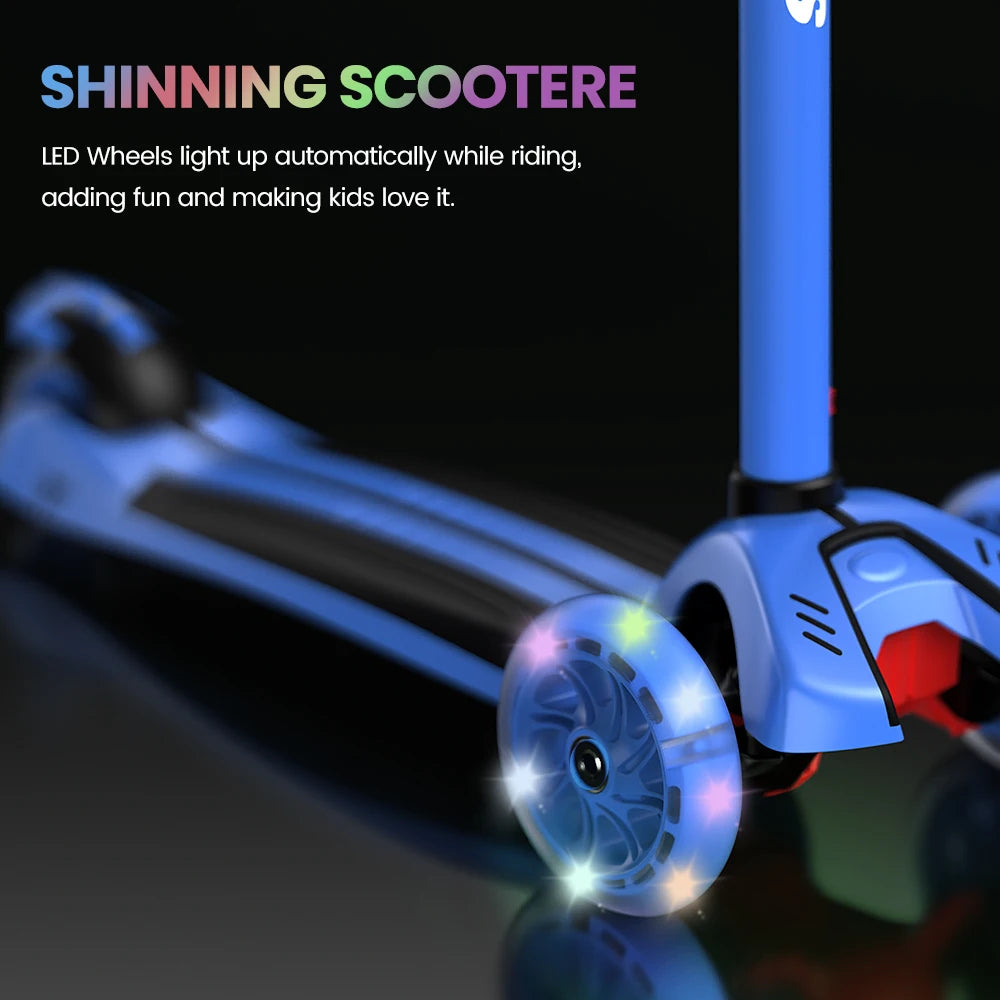
Scooter wheels that support scooter balance and smoother beginner scooter rides 💡 See it in action
Why Scooter Wheels Matter for Kids
Scooter wheels are the first point of contact between your child and the ground. Poor wheel choices often lead to slipping, tipping, or sudden stops that scare beginners.
- They influence how easily a scooter rolls forward
- They affect turning control and stopping distance
- They directly impact scooter balance on uneven pavement
- They reduce vibration that can cause fatigue or fear
Parents focused on Health & Safety often overlook wheel quality, yet it’s one of the simplest upgrades for safer outdoor play.
Types of Scooter Wheels Explained
Scooter wheels come in several common designs, each with strengths and trade-offs. Understanding these differences helps you match the wheel to your child’s age and skill level.
Plastic Wheels
Plastic wheels are lightweight and affordable, often found on entry-level scooters.
- Best for indoor or very smooth surfaces
- Lower grip can affect scooter balance
- Less shock absorption
Polyurethane (PU) Wheels
PU wheels are softer, grippier, and more durable, making them popular for kids who ride outdoors.
- Improved traction on sidewalks
- Smoother rides with less vibration
- Better control for a beginner scooter
Many parents shopping in Mobility & Training collections prefer PU wheels for their balance of comfort and safety.
How Wheel Size Affects Balance and Safety
Scooter wheels vary in diameter, usually between 100mm and 200mm. Size impacts how stable and fast a scooter feels.
Direct answer: Larger scooter wheels improve stability and roll over cracks more easily, while smaller wheels offer slower speeds and easier control for beginners. Choosing the right size supports scooter balance and reduces falls during early riding stages.
- 100–120mm: Slower, more controlled, ideal for young beginners
- 125–145mm: Balanced speed and stability for growing riders
- 150mm+: Faster rolling, better for confident kids
Parents following practical scooter safety tips often start smaller, then size up as confidence grows.
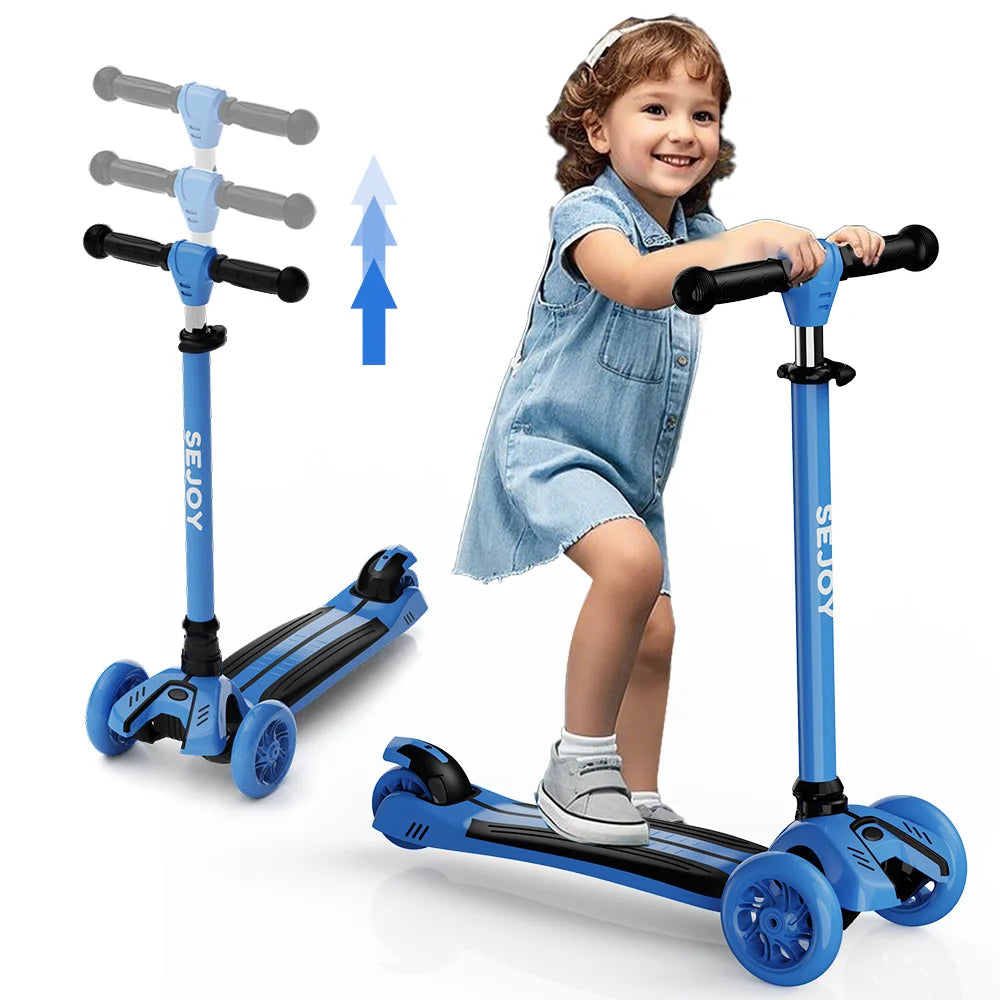
Wheel size and material improve scooter balance and safety 💡 See it in action
Wheel Materials: PU vs Plastic
Material affects grip, noise, and durability—three things parents notice quickly.
Direct answer: PU scooter wheels provide better grip, smoother rides, and quieter rolling than plastic wheels. For a beginner scooter, PU wheels help children feel more secure while learning, especially outdoors.
| Feature | Plastic Wheels | PU Wheels |
|---|---|---|
| Grip | Low | High |
| Ride Comfort | Firm | Smooth |
| Noise | Loud | Quiet |
| Outdoor Use | Limited | Excellent |
Families browsing Baby Growth & Learning products often prioritize smoother rides that encourage skill development.
Quick Comparison of Scooter Wheel Types
| Wheel Type | Best For | Balance Support | Safety Level |
|---|---|---|---|
| Small Plastic | Indoor beginners | Moderate | Basic |
| Small PU | Young outdoor riders | High | High |
| Large PU | Confident kids | Very High | Very High |
What Parents Say After Switching Wheels
Many parents report noticeable changes after upgrading scooter wheels.
- “My daughter stopped slipping on sidewalks within days.”
- “Turning became smoother, and falls dropped dramatically.”
- “He rides longer without getting tired.”
These real-world experiences reinforce why wheel choice matters as much as helmet fit or deck height.
Choosing the Best Wheels for Your Child
If your goal is confidence, comfort, and fewer falls, focus on wheel size and material first.
- Start with smaller PU wheels for beginners
- Check grip for outdoor surfaces
- Upgrade size as skills improve
- Pair with consistent scooter safety tips
One popular option parents consider is a scooter with adjustable, light-up PU wheels, like this adjustable kids scooter, which grows with your child and keeps rides engaging.
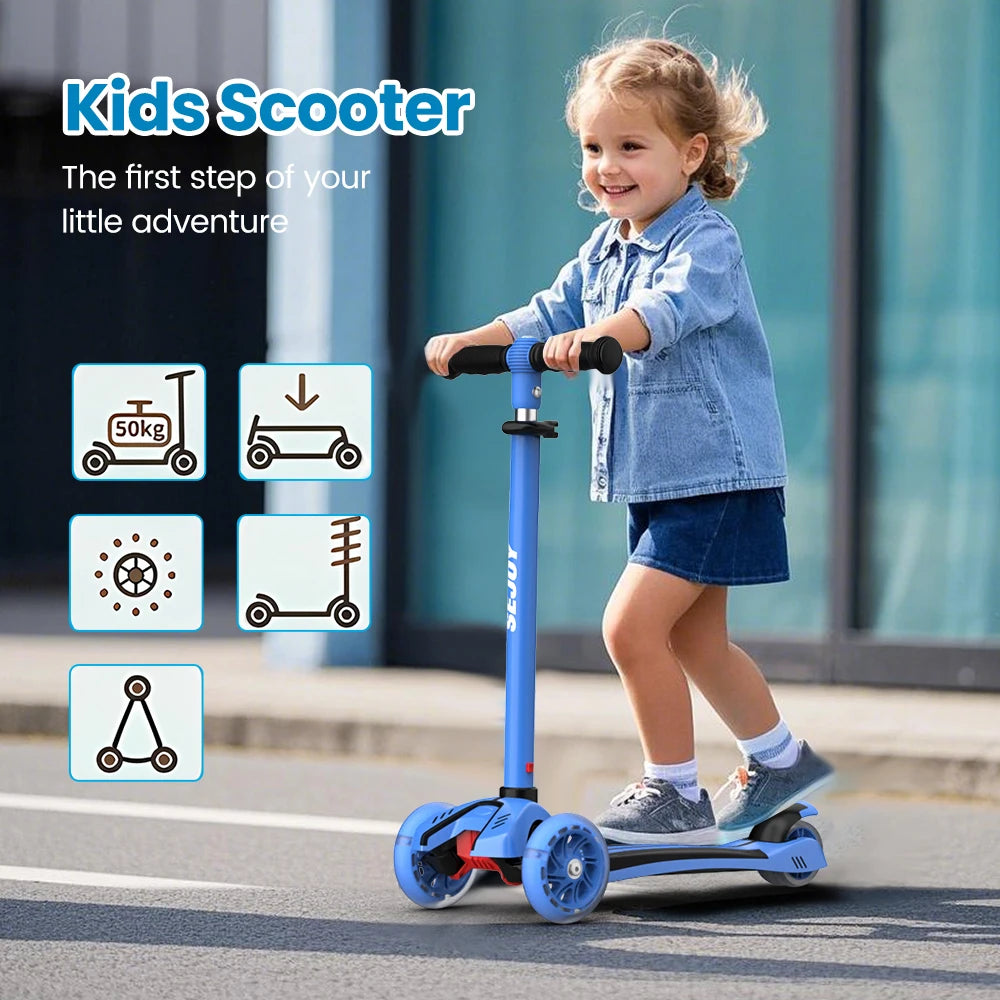
Smart scooter wheels support balance, safety, and confident riding 💡 See it in action
For parents exploring active play options alongside safety, collections like Health & Safety and Sensory Toys often complement outdoor riding routines.
Frequently Asked Questions
Do scooter wheels really affect balance?
Yes. Scooter wheels directly influence stability, grip, and vibration. The right wheels help children stay upright and feel more confident, especially when learning.
What wheel size is best for a beginner scooter?
Smaller wheels around 100–120mm are ideal for beginners because they roll slower and are easier to control.
Are light-up wheels just for fun?
Light-up wheels add visibility and excitement, which can encourage longer practice sessions while improving awareness during evening rides.
Related Guide: Buy LED Scooter for Kids: In-Depth Review & Comparison





