

Screen Free Play Ideas That Boost Daily Learning
Do screen free play ideas really support daily learning?
Screen free play ideas help children build focus, language, and problem-solving skills through hands-on experiences. By using simple materials and guided routines, families can replace passive screen time with active learning that supports emotional growth, creativity, and confidence—often in just 15–30 unplugged minutes a day.
Screen Free Play Ideas That Boost Daily Learning
Screen free play ideas can quietly transform everyday moments into meaningful learning without adding stress or prep. From screen free activities for preschoolers that strengthen attention to pretend play in early childhood that grows empathy and language, these ideas fit naturally into busy family routines.
⏱ 8 min read
Ever feel like screens sneak into your child’s day faster than you planned? You’re not alone. Many parents want calmer routines, better focus, and richer family connection—without relying on devices. The good news? A few intentional, unplugged habits can spark learning you’ll actually see.
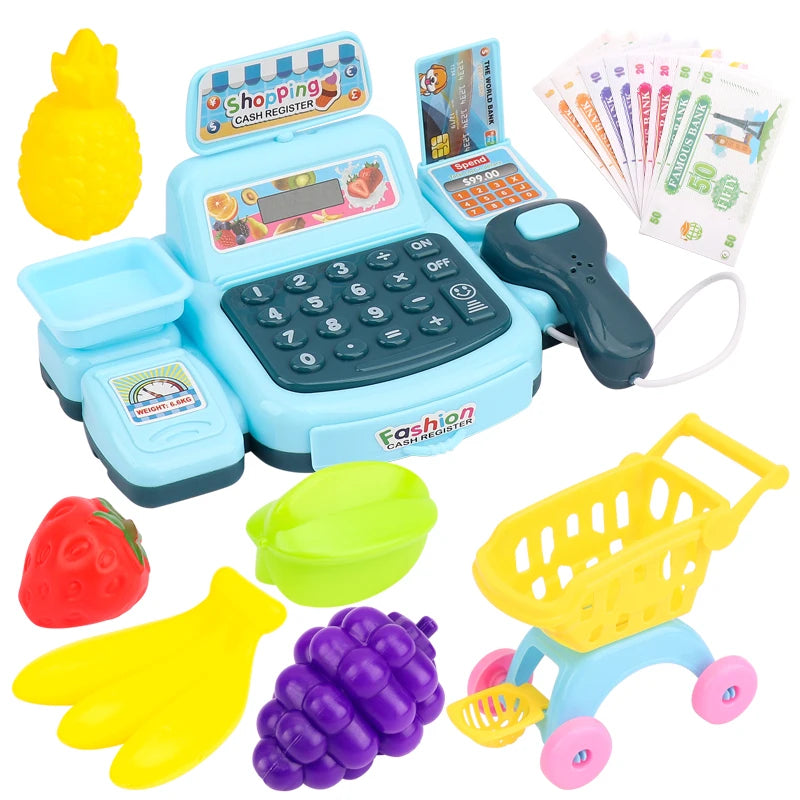
Simple screen free play ideas spark curiosity and confidence at home 💡 See it in action
Why Screen Free Play Builds Real Skills
Screen free play ideas encourage children to use their bodies, voices, and imagination together. Unlike passive entertainment, unplugged play asks kids to make choices, solve small problems, and interact with others in real time.
- Builds attention span through hands-on focus
- Strengthens language with natural back-and-forth talk
- Supports emotional regulation through movement
- Encourages confidence by letting kids lead
Many families notice calmer transitions and fewer power struggles when daily routines include predictable, screen free moments.
Screen Free Activities for Preschoolers That Actually Hold Attention
Screen free play ideas for preschoolers work best when they match short attention spans and big curiosity. The goal isn’t perfection—it’s engagement.
Direct answer: Screen free activities for preschoolers support learning by combining movement, choice, and repetition. Simple setups like sorting games, role-play, and sensory bins help build early math, language, and self-control skills while keeping children actively involved.
1. Sorting and Matching Games
Use everyday items—spoons, socks, blocks—to create quick sorting challenges.
- Sort by color, size, or texture
- Count items out loud together
- Let your child explain their choices
Pairing these activities with tools from Baby Growth & Learning can add structure without pressure.
2. Sensory Play With Clear Boundaries
Sensory experiences help preschoolers regulate emotions and stay present.
- Dry rice or beans in a shallow bin
- Water play with cups and funnels
- Texture walks using mats or towels
Rotating options from Sensory Toys keeps interest high without clutter.
3. Movement-Based Challenges
Short bursts of physical play reset focus and reduce restlessness.
- Animal walks across the room
- Obstacle courses with pillows
- Balance games using tape lines
Support safe movement with items from Mobility & Training.
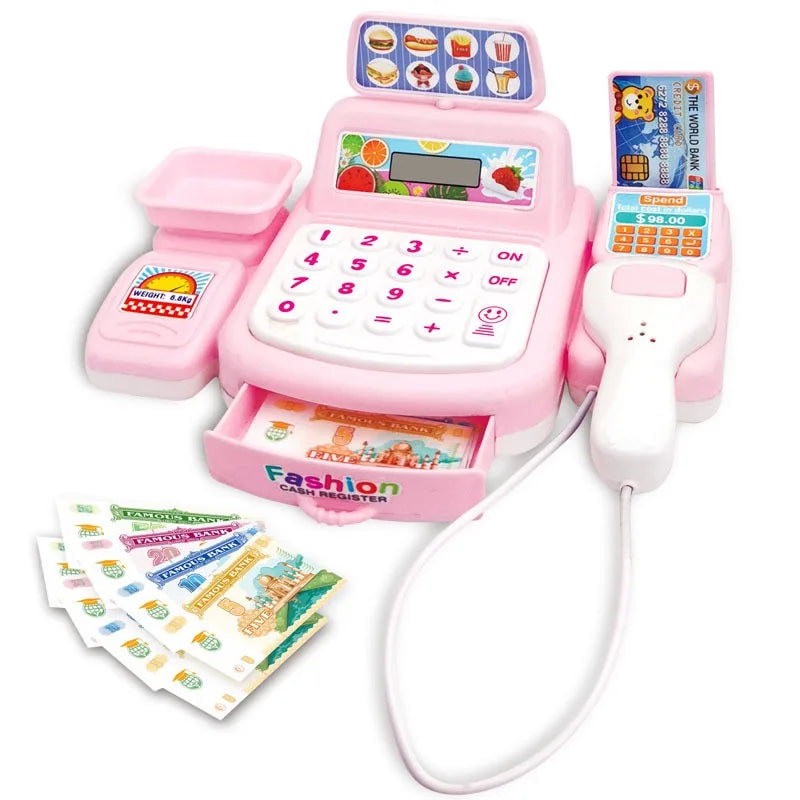
Screen free activities for preschoolers encourage focus and joy 💡 See it in action
How Pretend Play in Early Childhood Supports Growth
Pretend play in early childhood allows kids to explore roles, emotions, and language safely. When children act out real-world scenarios, they practice empathy and communication without realizing it.
Direct answer: Pretend play in early childhood strengthens social skills by letting children rehearse real-life interactions. Through role-play, kids expand vocabulary, understand emotions, and build problem-solving abilities while feeling in control of their environment.
Popular Pretend Play Scenarios
- Grocery store or café
- Doctor or caregiver
- Construction site or repair shop
Simple role-play tools, like a simulation cashier toy, give structure without scripting the experience.
How Parents Can Support Without Taking Over
- Offer props, then step back
- Ask open-ended questions
- Follow your child’s lead
- Reflect feelings you observe
Parents often report richer conversations and longer independent play after adding consistent pretend play time.
Interactive Games for Family Connection
Interactive games for family time don’t require boards or batteries. What matters most is shared attention.
Direct answer: Interactive games for family connection build trust and communication by encouraging turn-taking, laughter, and teamwork. Simple group activities strengthen bonds while modeling cooperation and emotional awareness for children.
Low-Prep Family Game Ideas
- Story-building circles
- Charades with animals or actions
- Scavenger hunts around the house
- Guess-the-sound games
These moments often become the most remembered parts of the day—without screens competing for attention.
A Simple Daily Screen Free Play Routine
Consistency matters more than duration. A short, predictable routine helps children transition smoothly.
- Choose a set time (after snack works well)
- Offer two play choices
- Set a visible timer
- End with a calm reset activity
Many parents notice fewer meltdowns when kids know unplugged play is coming next.
Using Play Tools Without Overwhelm
The right tools support play without taking over. Rotate items weekly and store extras out of sight.
| Helpful | Less Helpful |
|---|---|
| Open-ended toys | Single-use gadgets |
| Durable materials | Overstimulating designs |
Collections like Baby Growth & Learning and Sensory Toys make it easier to choose items that support development without clutter.
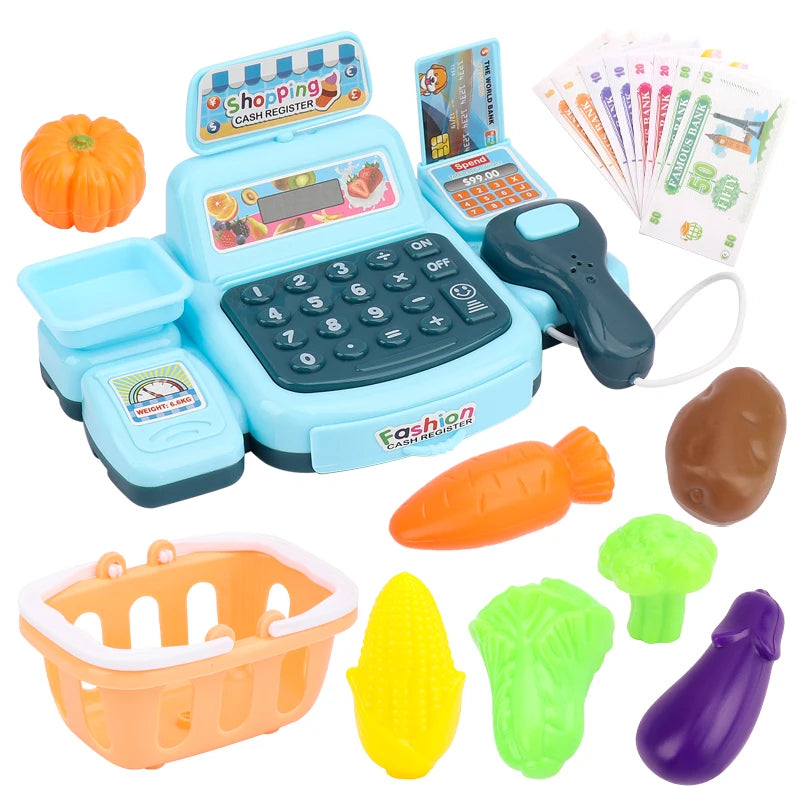
Interactive games for family create lasting memories 💡 See it in action
Quick Parent FAQs
How long should screen free play last?
Even 15–30 minutes daily can support focus and emotional balance when done consistently.
What if my child resists at first?
Start small, offer choices, and stay present. Resistance often fades as routines become familiar.
Do I need special toys?
No. Everyday items and a few well-chosen play tools are more than enough.
Can older siblings join?
Yes. Mixed-age play often increases creativity and cooperation.





