

Screen Time Alternatives for Kids Compared That Actually Hold Attention
Do screen time alternatives for kids really work?
Screen time alternatives for kids can be just as engaging as digital devices when they involve hands-on play, creativity, and purpose. Activities like jeux miniature and minecraft miniature-style builds encourage focus, imagination, and calm problem-solving—often keeping children engaged longer than screens while supporting healthy development.
Screen Time Alternatives for Kids Compared That Actually Hold Attention
⏱ 5 min read — Parents everywhere are asking the same question: how do you pull kids away from screens without constant battles? The good news is that screen-free play doesn’t have to feel boring or forced. When activities feel immersive, creative, and calming, children naturally stay engaged longer. This guide compares the most effective screen time alternatives for kids and explains why some options truly work while others fail.
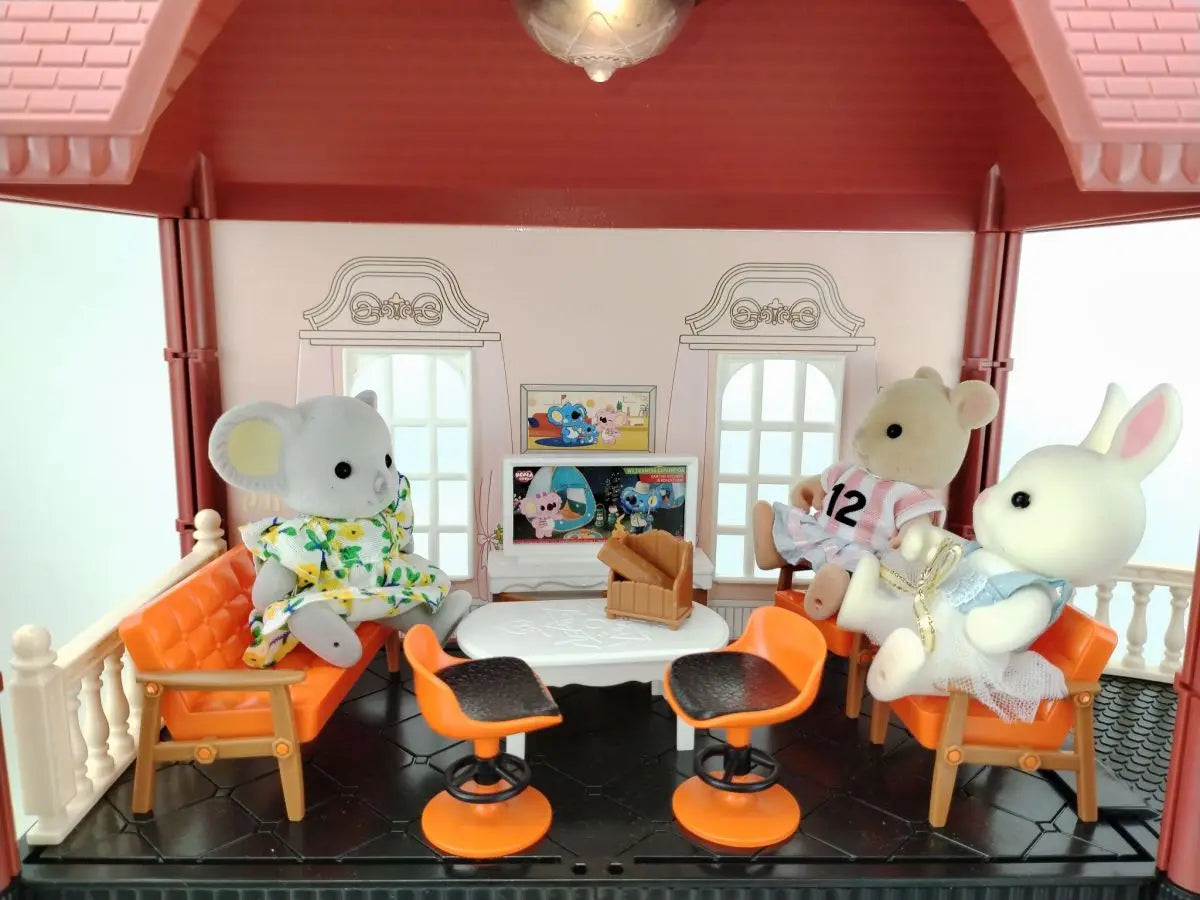
Hands-on jeux miniature that keep kids focused longer 💡 See it in action
Why Screens Lose Their Magic So Quickly
Fast-moving visuals overstimulate young brains. While screens hold attention briefly, they often lead to restlessness, meltdowns, and short attention spans. Many parents notice that once the screen turns off, kids struggle to self-regulate or transition to calmer activities.
- Overstimulation leads to irritability
- Reduced attention span over time
- Limited creativity and imagination
- Increased resistance to non-digital play
What Are the Best Screen Time Alternatives for Kids?
Screen time alternatives for kids work best when they offer structure, creativity, and a sense of accomplishment. Activities that mimic realutomize digital play—without screens—tend to hold attention the longest.
Top Alternatives That Actually Work
- Jeux miniature sets – encourage storytelling and fine motor skills
- Minecraft miniature builds – replicate digital creativity in physical form
- Sensory-based play – improves focus and emotional regulation
- Hands-on construction toys – promote problem-solving
Parents often find that combining miniature play with calm environments leads to longer independent play sessions.
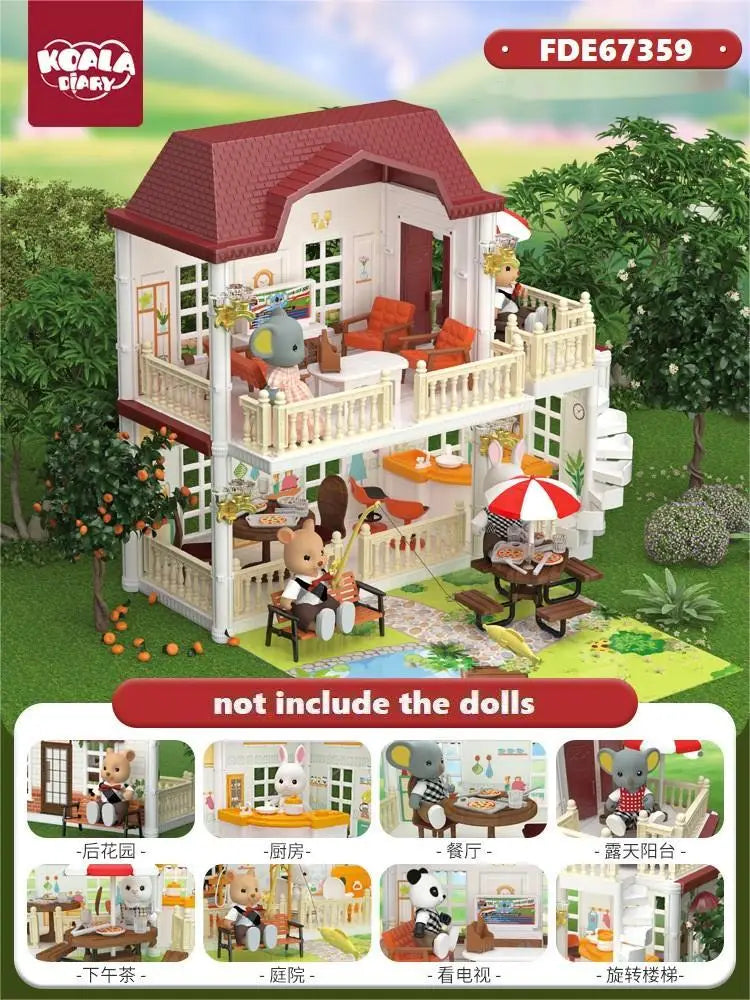
Creative minecraft miniature play builds focus and patience
Screen-Free Play Options Compared
| Activity Type | Engagement Level | Best For | Parent Effort |
|---|---|---|---|
| Jeux miniature | High | Imagination & calm play | Low |
| Minecraft miniature | Very High | Problem-solving | Low |
| Sensory toys | Medium | Focus & relaxation | Low |
| Outdoor play | High | Energy release | Medium |
Why Miniature Play Holds Attention Longer
Miniature-based play works because it mirrors real-life problem solving. Children naturally slow down, focus, and build stories. Unlike flashy toys, miniature environments encourage deep engagement and independent exploration.
- Encourages imaginative storytelling
- Supports fine motor development
- Promotes longer attention spans
- Reduces screen dependency
Many parents report that children stay engaged for 30–60 minutes without prompts when playing with miniature environments.
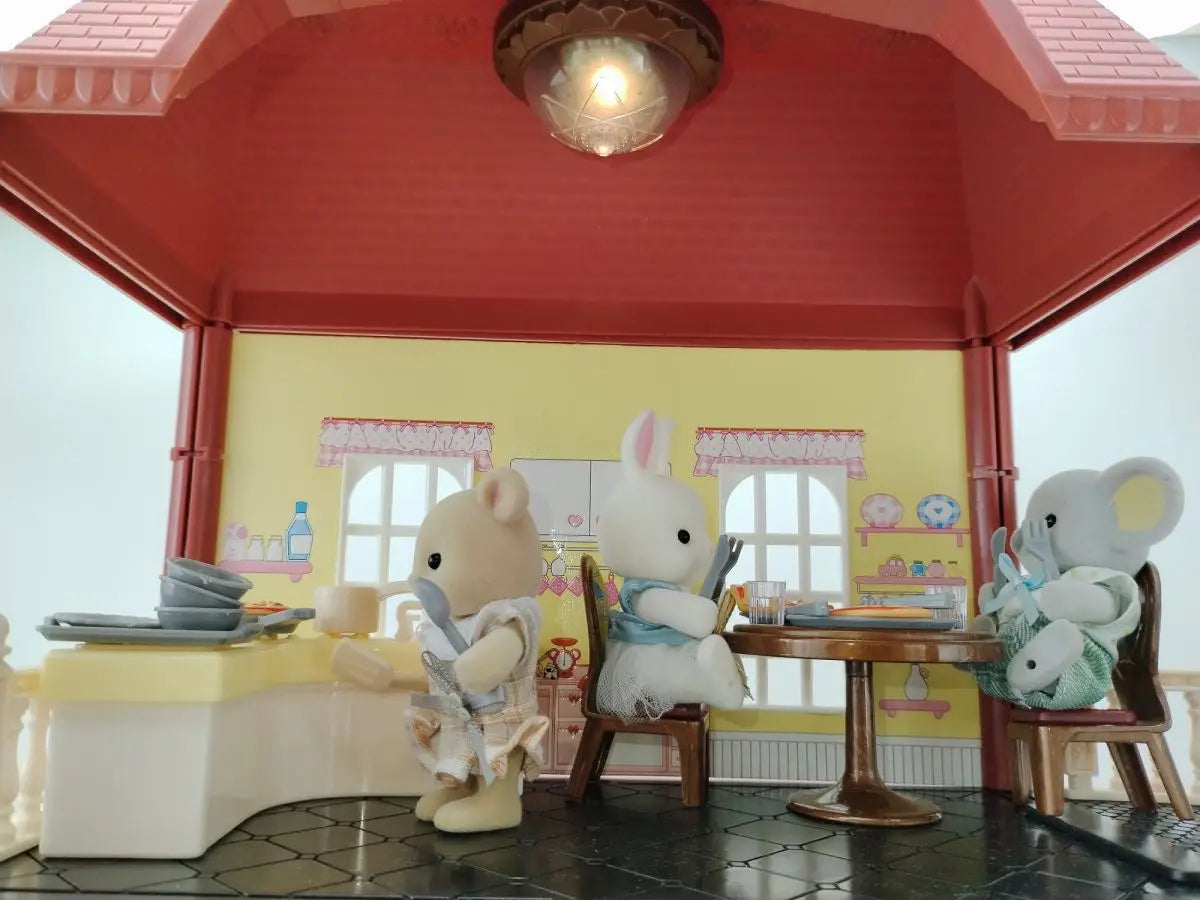
Screen time alternatives for kids that encourage calm focus 💡
How to Choose the Right Screen-Free Activity
- Match the toy to your child’s interests
- Look for open-ended play options
- Choose calm, non-flashing designs
- Prioritize durability and safety
For families seeking structured learning, explore options in Baby Growth & Learning or calming tools from Sensory Toys collections.
Frequently Asked Questions
What are the best screen time alternatives for kids?
Screen time alternatives for kids include jeux miniature, minecraft miniature builds, sensory toys, and hands-on creative play. These options support focus, creativity, and independent play without overstimulation.
Do screen-free activities really help attention span?
Yes. Screen-free play encourages sustained focus, problem-solving, and imagination, which helps children develop longer attention spans compared to fast-paced digital content.
At what age should kids reduce screen time?
Experts recommend limiting screen use from toddlerhood onward and encouraging hands-on play as early as possible to support cognitive and emotional development.
Related Guide: Best Toys for Role Play Compared for Calm Indoor Play





