

Sensory Play for Infants That Fits Your Baby’s Unique Needs
What is sensory play for infants?
Sensory play for infants uses simple activities that engage touch, sight, sound, movement, and balance to support healthy brain and body growth. By following your baby’s cues, sensory stimulation infants receive becomes calming and purposeful, helping sensory integration infants need while encouraging early motor development.
Sensory Play for Infants That Fits Your Baby’s Unique Needs
⏱ 7 min read
Sensory play for infants is more than entertainment. It shapes how your baby learns, moves, and feels safe in the world. Many parents wonder if they are doing enough, or if the toys and activities they choose truly support development. The good news is that small, thoughtful choices can create meaningful progress every day.
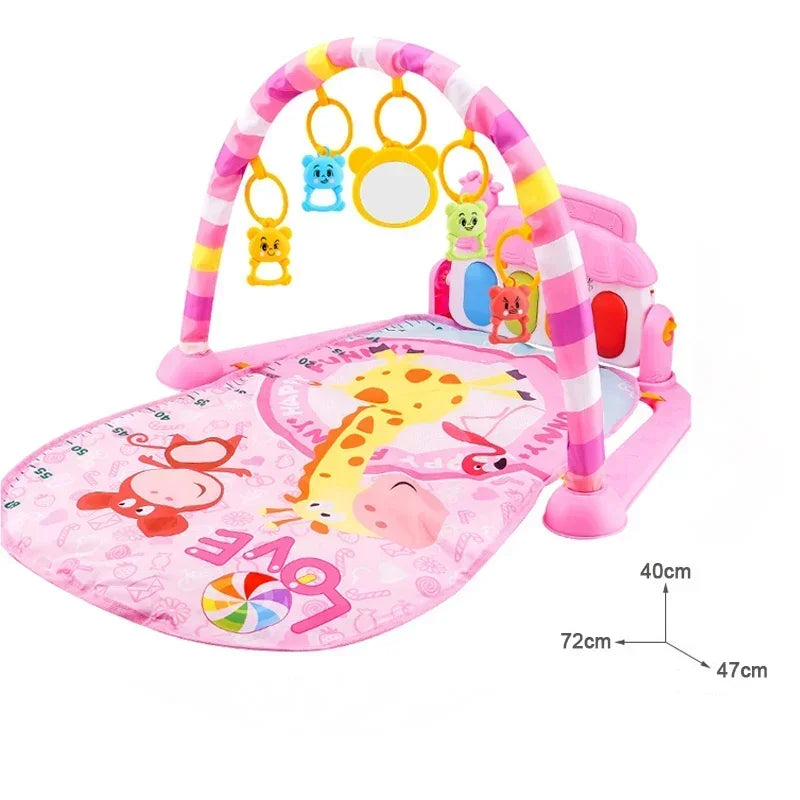
Sensory play for infants with gentle textures and movement supports early learning 💡 See it in action
Why Sensory Play Matters From Day One
Sensory play for infants builds the foundation for learning long before words appear. Through touch, movement, and sound, babies begin to understand cause and effect. Sensory stimulation infants receive early helps organize how the brain processes information, supporting sensory integration infants rely on for focus and comfort.
- Supports baby brain development through repeated experiences
- Encourages early motor development like reaching and rolling
- Promotes emotional regulation and calm alertness
- Strengthens bonding through shared play
Many parents notice that babies who engage in regular sensory play show improved attention during feeding, easier transitions to sleep, and more confident movement during tummy time.
How to Read Your Baby’s Sensory Cues
Not all babies respond the same way. Some seek movement, while others prefer quiet textures. Watching your baby’s cues helps tailor sensory play for infants so it feels supportive, not overwhelming.
Signs Your Baby Wants More Stimulation
- Wide eyes and alert expressions
- Reaching toward toys or your face
- Gentle kicking or arm movements
Signs Your Baby Needs a Break
- Turning head away
- Stiffening arms or legs
- Fussing or sudden crying
Following these signals helps sensory stimulation infants receive stay balanced, supporting smoother sensory integration infants need for comfort.
Tailoring Sensory Stimulation to Your Baby’s Needs
Sensory play for infants works best when it matches developmental stages and individual preferences. A newborn’s needs differ from a six-month-old exploring movement.
- Newborns: Soft textures, gentle sounds, and skin-to-skin contact
- 3–6 months: Tummy time activities and visual contrast
- 6–12 months: Reaching, grasping, and movement-based play
- 12+ months: Exploration, stacking, and cause-and-effect toys
Adjusting activities as your baby grows supports early motor development without pressure.
Tools That Support Calm, Effective Play
Choosing the right tools reduces overwhelm and keeps play focused. Many parents prefer versatile setups that grow with their baby.
Products like an activity gym create a safe, engaging space for sensory play for infants by combining textures, sounds, and movement. Explore options designed for development in Baby Growth & Learning and Sensory Toys.
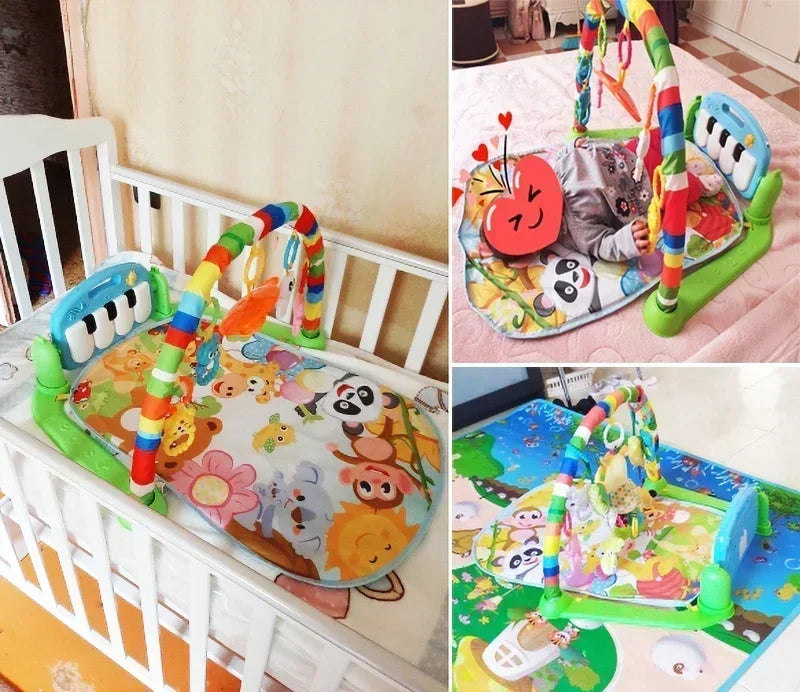
Sensory stimulation infants enjoy when play tools support movement and focus 💡 See it in action
Why Parents Choose an Activity Gym
| Benefit | How It Helps |
|---|---|
| Multi-sensory design | Supports sensory integration infants need |
| Adjustable positions | Encourages early motor development |
| Safe, soft materials | Peace of mind for daily play |
You can view a popular option here: Baby Activity Gym.
Easy Ways to Add Sensory Play to Daily Routines
Sensory play for infants does not require extra time. Simple adjustments turn everyday moments into learning opportunities.
- During diaper changes, describe textures and movements
- Use tummy time activities after naps
- Incorporate gentle massage from Massage & Relaxation
- Support calm transitions with Sleep & Comfort tools
These small habits build consistency, helping sensory stimulation infants receive feel predictable and soothing.
Real Parent Stories and Results
Parents often share how tailored sensory play for infants changed daily routines.
“After introducing structured play, my baby stayed engaged longer and fussed less during tummy time.” – Sarah, mom of a 5-month-old
“The activity gym helped my son start reaching and rolling earlier than expected.” – James, first-time dad
Stories like these show how matching tools and activities to individual needs supports early motor development naturally.
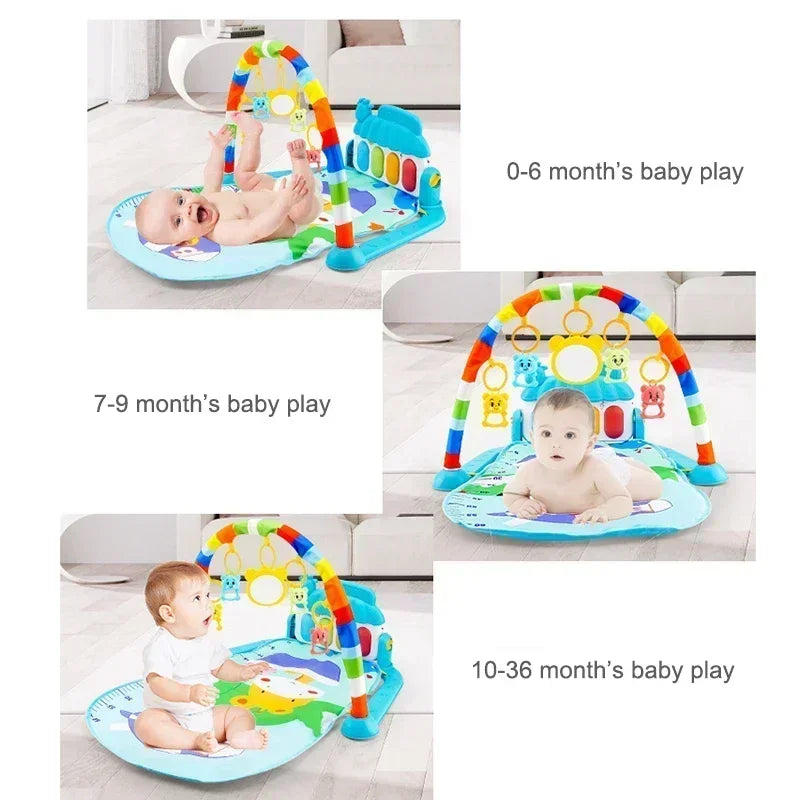
Sensory integration infants benefit from calm, consistent play 💡 See it in action
Frequently Asked Questions
How often should I do sensory play with my baby?
Short, daily sessions work best. Even 5–10 minutes of sensory play for infants supports learning without overstimulation.
Can sensory play help with fussiness?
Yes. When sensory stimulation infants receive matches their needs, it often promotes calmness and better self-regulation.
What tools are best for beginners?
Simple, multi-use items like activity gyms or soft sensory toys support sensory integration infants need as they grow.





