

Sensory stimulation for anxiety: Why spinning visuals calm faster
Does sensory stimulation for anxiety really work?
Sensory stimulation for anxiety works by giving the brain predictable, gentle input that reduces mental overload. Smooth visual motion, like a visual fidget spinner, can slow racing thoughts, stabilize attention, and calm the nervous system within minutes, making it easier to regain focus and emotional balance.
Sensory stimulation for anxiety: Why spinning visuals calm faster
⏱ 8 min read
Anxiety often shows up as restlessness, racing thoughts, or that uncomfortable feeling of being unable to settle. Parents, caregivers, and busy adults alike feel it—during work, while caring for children, or late at night when the mind refuses to slow down. What if a simple visual motion could help your brain calm itself faster than willpower alone?
Many people try to “push through” anxiety, but the nervous system doesn’t work that way. Instead of forcing calm, sensory stimulation for anxiety offers the brain something steady and soothing to focus on. Spinning visuals are one of the fastest ways to do this—simple, non-invasive, and surprisingly effective.
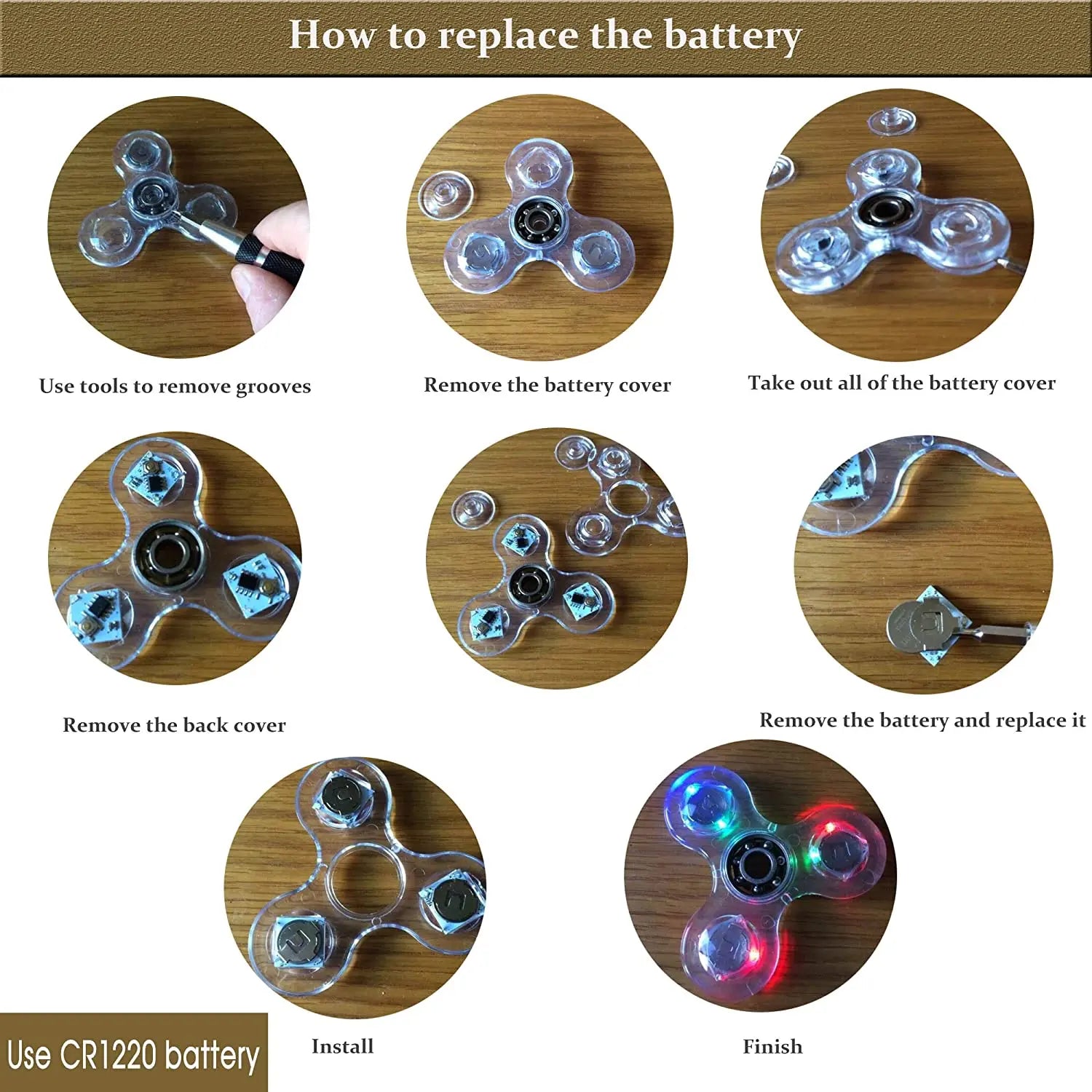
Visual fidget spinner for sensory stimulation for anxiety — 💡 See it in action
Curious how something so small can make such a big difference? Keep reading to understand why spinning visuals calm the mind faster than many other sensory tools.
Why visual motion calms the brain
The human brain is wired to notice movement. Long before screens and toys existed, motion signaled safety, danger, or rhythm in nature. When anxiety spikes, the brain scans constantly for threats—even when none are present.
Slow, repetitive visual motion gives the brain a predictable pattern. This reduces hypervigilance and helps shift attention away from anxious thoughts.
- Repetition creates a sense of control
- Smooth motion lowers cognitive load
- Visual focus interrupts mental spirals
- Rhythm supports nervous system regulation
Unlike loud sounds or intense tactile input, visual stimulation can be gentle and non-intrusive, making it ideal for shared spaces or quiet moments.
How sensory stimulation for anxiety works
Sensory stimulation for anxiety helps by redirecting attention from internal stress signals to external, neutral input. Visual motion engages the brain’s processing centers without demanding effort, allowing the nervous system to settle naturally and reducing the intensity of anxious thoughts over a short period of time.
Anxiety often traps the mind in loops—worry feeds physical tension, which feeds more worry. Sensory calming tools interrupt that loop.
By offering controlled input, the brain no longer needs to generate constant internal noise. This is why sensory calming toys are commonly used in homes, classrooms, and therapy settings.
For families exploring supportive tools, collections like Sensory Toys and Massage & Relaxation provide gentle options that support emotional balance across age groups.
Why spinning visuals work faster than other methods
Breathing exercises, music, or mindfulness practices can help—but they often require effort, instruction, or time. Spinning visuals work almost immediately.
Here’s why:
- Instant engagement: The eyes lock onto motion without conscious effort
- No learning curve: Anyone can benefit within seconds
- Consistent rhythm: Predictable spinning reduces uncertainty
- Low stimulation threshold: Calming without overwhelming
For anxious parents juggling responsibilities or individuals needing quick relief during the day, this simplicity matters.
What makes a visual fidget spinner effective
Not all fidget tools are created equal. A visual fidget spinner is designed specifically to calm through sight, not noise or excessive movement.
Key features that improve results:
- Smooth, balanced rotation
- Soft lighting or reflective patterns
- Comfortable hand feel
- Quiet operation
Unlike traditional anxiety relief toys that rely on squeezing or clicking, visual spinners reduce the need for constant physical motion. This makes them suitable for bedtime routines, shared spaces, or moments requiring stillness.
Real-life use cases for everyday calm
During work or study: When concentration drops, a brief visual focus can reset attention without distraction.
Before sleep: Gentle spinning helps transition the brain from alert mode to rest.
Parenting moments: When children sense adult stress, calm visual cues support a more peaceful environment.
Public spaces: Quiet and discreet, visual spinners can be used without drawing attention.
Many families pair sensory calming tools with supportive environments from collections like Sleep & Comfort or Beauty & Wellness to create routines that feel safe and soothing.
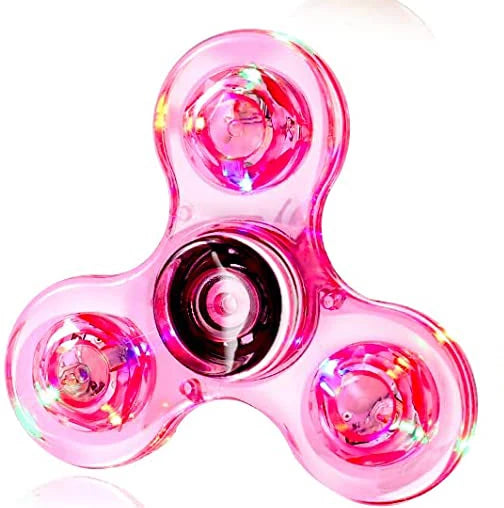
Visual fidget spinner for sensory calming toys and anxiety relief toy support — 💡 See it in action
Spinning visuals vs other calming tools
| Method | Effort Required | Speed of Calm | Noise Level |
|---|---|---|---|
| Visual fidget spinner | Very low | Fast | Silent |
| Breathing techniques | Moderate | Medium | Silent |
| Music | Low | Medium | Audible |
| Tactile stress balls | Low | Medium | Silent |
This comparison highlights why spinning visuals are often preferred for quick regulation without added stimulation.
How to use a visual fidget spinner correctly
- Hold the spinner comfortably at eye level or on a flat surface
- Spin gently and allow your eyes to follow the motion
- Breathe naturally while watching for 30–90 seconds
- Pause and notice changes in tension or thought speed
Consistency matters more than duration. Short, regular use builds familiarity and improves results over time.
Who benefits most from visual sensory calming
Visual sensory tools support a wide range of people:
- Parents managing daily stress
- Individuals with difficulty focusing and concentrating
- Teens and adults sensitive to noise
- Anyone seeking calm without medication
Because they are non-invasive, visual fidget spinners integrate easily into routines centered on care and safety, similar to products found in Health & Safety or Mom Essentials.
LED fidget spinner overview
The LED fidget spinner stands out by combining smooth motion with gentle light patterns, offering sensory stimulation for anxiety without overwhelming the senses. Its balanced design supports steady rotation, while soft visuals encourage focus and calm, making it suitable for daily use at home or on the go.
Explore the LED fidget spinner to see how visual motion can support calmer moments throughout your day.
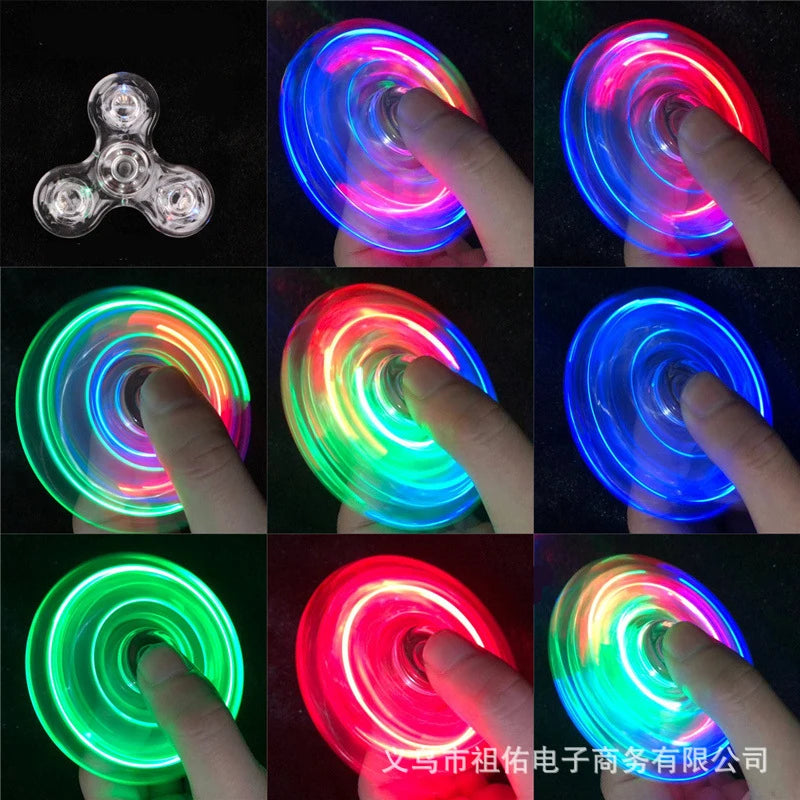
LED visual fidget spinner as an anxiety relief toy — 💡 See it in action
Many users describe feeling calmer within moments of use, especially during high-stress transitions. When paired with supportive routines and environments, this simple tool can make a noticeable difference.
Mini FAQ
Is sensory stimulation for anxiety safe for daily use?
Yes. Gentle visual stimulation is non-invasive and can be used daily without dependency, making it suitable for long-term emotional support.
Can visual fidget spinners help with focus?
By reducing mental noise, visual spinners often improve concentration and mental clarity, especially during short breaks.
Are visual calming tools suitable for children?
When used under supervision, many families find visual sensory tools helpful for creating calm routines, particularly before rest or quiet activities.
How long should I use a visual fidget spinner?
Most people benefit from 30 seconds to 2 minutes. Short, repeated sessions are more effective than long use.





