

Ship Model Kit Buyer’s Guide 2026: Beginner to Museum-Grade (Decision Matrix & Build Time Benchmarks)
Best Ship Model Kit by Skill Tier (Beginner to Museum-Grade) – 2026 Decision Guide
Choosing the best ship model kit isn’t about picking the most expensive box or the biggest scale. It’s about matching your skill level, time commitment, material preference, and display goal with the right build challenge. Most ranking posts give you a flat top-10 list. This guide works differently.
We segment ship model kits by skill tier (beginner to museum-grade), material (plastic vs wood), build time, and display purpose (practice build vs collector showcase). Each recommendation includes a quantified complexity score based on hours, part count, rigging density, paint intensity, and tool requirements—so you can make a confident purchase decision.
How to Choose the Right Ship Model Kit (Quick Decision Filter)
Step 1: Choose Your Skill Tier
- Beginner (8–25 hours | Under 200 parts | Minimal rigging | Optional paint) – Ideal first-time builders. Snap-fit plastic kits or simplified hull structures.
- Intermediate (40–120 hours | 200–800 parts | Moderate rigging | Required painting) – Builders comfortable with glue, basic airbrushing, and deck detailing.
- Advanced (150–400+ hours | 800–2000+ parts | Full rigging | High paint precision) – Serious hobbyists seeking historical accuracy.
- Museum-Grade (400+ hours | Extensive plank-on-frame | Dense rigging networks) – Display-focused master builds.
Step 2: Choose Material (Plastic vs Wood vs Metal)
- Plastic: Easier assembly, forgiving material, ideal for warships and modern vessels.
- Wood: Authentic texture, traditional plank-on-bulkhead or plank-on-frame builds, high realism.
- Metal Components: Often photo-etched brass detail upgrades for advanced kits.
Step 3: Define Display Goal (Practice vs Showcase)
- Practice Build: Focus on technique improvement and manageable completion timeline.
- Collector Showcase: Prioritize scale, rigging realism, and museum-style presentation.
Ship Model Kit Complexity Score (Our 2026 Evaluation Rubric)
Complexity Metrics Explained
- Build Hours: Realistic completion time based on average hobbyist pace.
- Part Count: Structural and detail pieces combined.
- Rigging Density: Low (decorative), Medium (functional lines), High (authentic sail systems).
- Paint Intensity: None, Basic, Multi-layer, or Historical weathering required.
- Tool Skill Level: Beginner (glue + knife) to Advanced (airbrush, clamps, planking tools).
Build Challenge Score (1–10 Scale)
1–3: Entry level | 4–6: Skill-building | 7–8: Advanced commitment | 9–10: Museum-grade mastery
Beginner Ship Model Kits (No Painting or Minimal Tools Required)
Best Plastic Starter Kits by Revell and Tamiya
Brands like :contentReference[oaicite:0]{index=0} and :contentReference[oaicite:1]{index=1} produce beginner-friendly plastic ship kits in 1:700 and 1:350 scales. Many feature snap-fit hulls or simplified deck detailing.
Complexity Score: 2–4/10
Estimated Build Time: 8–25 hours
Tools Required: Plastic cement, hobby knife, sanding stick
Who Should Buy This?
- First-time hobbyists
- Teen builders (14+)
- Gift buyers unsure of skill level
Estimated Build Time & Tools
Expect a weekend project. Painting is optional but improves realism. These kits focus more on structural assembly than advanced rigging.
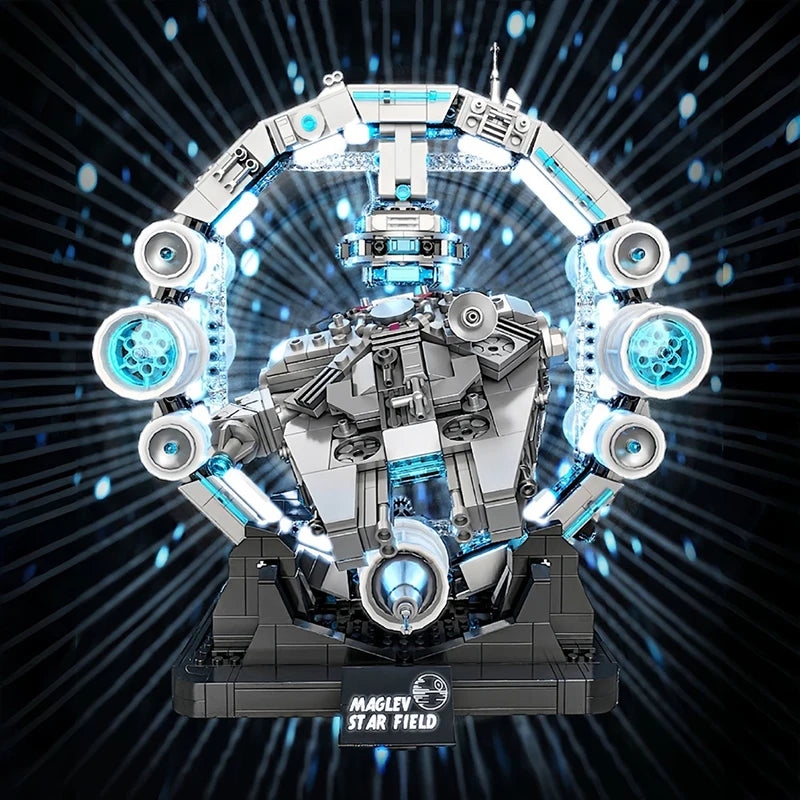
If you enjoy sci-fi style builds rather than historical ships, the Falcon Spaceship Building Blocks – LED Display Model offers a higher-difficulty ABS brick experience with built-in LED lighting—ideal for teens and adults wanting a challenging but structured build.

- Pros: Fast completion, low frustration, affordable entry point
- Cons: Limited realism, simplified rigging
Intermediate Kits (Balanced Detail & Manageable Rigging)
Popular Warship Models (e.g., Bismarck Battleship, USS Constitution)
Intermediate builders often move into historical warships like the :contentReference[oaicite:2]{index=2} or classic vessels such as the :contentReference[oaicite:3]{index=3}.
Common scales include 1:350 and 1:200. These builds introduce detailed superstructures, deck cannons, lifeboats, and moderate rigging.
Clipper Ship & Early Tall Ship Builds
Clipper and early :contentReference[oaicite:4]{index=4} kits bring sail configurations into play without full museum-level rigging complexity.
Complexity Score Range
Score: 5–6/10
Time: 40–120 hours
Rigging Density: Moderate
- Pros: Excellent balance of detail and buildability
- Cons: Requires patience with painting and alignment
Advanced Wooden Ship Models with Full Rigging

Laser-Cut Kits by Occre and Artesania Latina
Manufacturers like :contentReference[oaicite:5]{index=5} and :contentReference[oaicite:6]{index=6} produce laser-cut wooden kits featuring plank-on-bulkhead hulls and detailed sail plans.
Model Shipways Museum-Level Kits
:contentReference[oaicite:7]{index=7} specializes in historically accurate wooden kits with full documentation and authentic rigging diagrams.
Build Time Reality: 150–400+ Hours
These kits demand months of steady work. Expect precise planking, sanding cycles, and thread-by-thread rigging systems.
- Pros: Exceptional realism, heirloom-quality display
- Cons: High time commitment, steep learning curve
If you prefer a structured but advanced non-wood challenge, the Falcon spaceship building set mentioned earlier offers high part density and intricate internal structure without the complexity of traditional sail rigging.
Museum-Grade Tall Ship & Historical Showcase Models
HMS Victory and USS Constitution Master Builds
Museum-level kits often recreate legendary ships like :contentReference[oaicite:8]{index=8} and detailed versions of the :contentReference[oaicite:9]{index=9}.
Tool Requirements & Workshop Setup
- Planking clamps
- Mini lathe (optional for mast shaping)
- Airbrush system
- Rigging thread assortment
Who Should NOT Buy This Tier
- Casual hobbyists
- Builders with limited workspace
- Anyone seeking a quick weekend project
- Pros: Museum-quality results, unmatched authenticity
- Cons: 400+ hour commitment, expensive tooling
Plastic vs Wooden Ship Model Kits for Display
Display Longevity & Detail Realism
Wood offers warmth and texture unmatched by plastic. However, modern plastic kits achieve crisp detail via injection molding and photo-etched upgrades.
Maintenance & Environmental Sensitivity
Wood is sensitive to humidity. Plastic resists warping but may fade under direct sunlight.
What Scale Should You Choose? (Large Warship Buying Guide)
Common Scale Model Ratios Explained (1:700, 1:350, 1:200)
A :contentReference[oaicite:10]{index=10} represents a ship at a reduced ratio:
- 1:700 – Compact display
- 1:350 – Balanced size/detail
- 1:200 – Large, dramatic showcase
Titanic and Battleship Size Comparison by Scale
For example, a 1:200 :contentReference[oaicite:11]{index=11} can exceed 4 feet in length—requiring dedicated display space.
Ship Model Kit Buyer-Fit Matrix (Skill × Time × Display Goal)
| Tier | Hours | Material | Display Goal | Score |
| Beginner | 8–25 | Plastic | Practice | 2–4 |
| Intermediate | 40–120 | Plastic/Wood | Display + Skill | 5–6 |
| Advanced | 150–400+ | Wood | Collector Showcase | 7–8 |
| Museum | 400+ | Wood + Brass | Heirloom Display | 9–10 |
If you want a challenging display model without committing to 400+ hours, consider an advanced structured build like the Falcon spaceship model for a balanced complexity-to-display ratio.
Frequently Asked Questions
What is the best ship model kit for beginners with no painting required?
Entry-level plastic kits from Revell or Tamiya in 1:700 scale are ideal. Look for snap-fit designs with under 200 parts.
How many hours does an advanced wooden ship model with full rigging take to build?
Most advanced wooden tall ships require 150–400+ hours depending on rigging complexity and finish level.
What tools are required for a museum quality tall ship model kit?
You’ll need precision clamps, hobby knives, sanding blocks, rigging tools, and often an airbrush system.
Is a plastic or wooden ship model kit better for display?
Wood offers superior realism and traditional craftsmanship appeal. Plastic provides durability and crisp detail.
What scale should I choose for a large scale warship model kit?
1:350 balances size and detail. Choose 1:200 only if you have significant display space.
Final Recommendation
The best ship model kit isn’t the most complex—it’s the one aligned with your time, workspace, and display ambition. Beginners should prioritize completion momentum. Intermediate builders can explore warships and moderate rigging. Advanced hobbyists ready for true craftsmanship can commit to wooden tall ships.
If you want a high-detail, display-ready build with advanced complexity but without months of rigging, the Falcon spaceship building set offers a rewarding alternative with integrated LED display appeal.
Pillar Article: Unique Home Decor: Shop-the-Look Ideas by Room, Style & Budget (2026 Guide)





