

Do Swim Caps Protect Hair From Chlorine? What They Really Do
Do Swim Caps Protect Hair From Chlorine?
Direct answer: Yes. A silicone swim cap helps reduce your hair's exposure to chlorinated pool water, but it does not keep hair completely dry or block chlorine 100%. If you're wondering do swim caps protect hair from chlorine , the answer is that they minimize contact, helping reduce moisture loss, frizz, fading, and breakage over time.
Many swimmers assume a cap creates a watertight seal. In reality, even the best-fitting cap allows a small amount of water to enter around the edges during turns, dives, or long swim sessions. The benefit comes from reducing how much chlorinated water reaches your hair—not eliminating it entirely.
Silicone Swim Cap Chlorine Protection That Actually Works
⏱ 6 min read
Silicone swim cap chlorine protection is one of the simplest ways swimmers protect their hair from daily pool exposure. If you've ever asked,
will chlorine damage my hair
, the short answer is yes—but the right silicone cap can dramatically reduce that damage. Understanding how silicone works helps you choose smarter protection and build healthier swim habits.
Quick question: Why do some swimmers still experience dry, brittle hair even while wearing a swim cap? The answer usually comes down to cap fit, swimming duration, hair care habits, and understanding that no swim cap is completely waterproof.
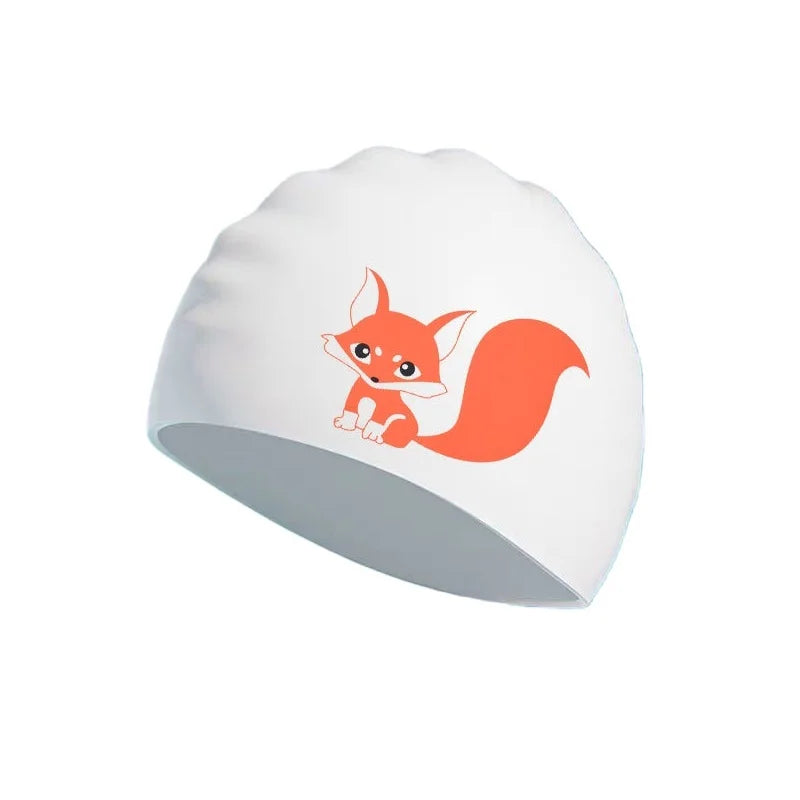
Silicone swim cap chlorine protection helps reduce pool chlorine hair damage. See it in action.
How Chlorine Affects Your Hair
What happens when hair absorbs pool water
Pool chlorine keeps swimming pools sanitary, but repeated exposure gradually removes the natural oils that help protect each hair strand. As hair repeatedly absorbs chlorinated water, the outer cuticle becomes rougher, allowing moisture to escape more easily. This process contributes to pool chlorine hair damage , especially for frequent swimmers.
People with color-treated, curly, textured, fine, or chemically processed hair often notice damage sooner because their hair already has a more vulnerable cuticle.
Signs of chlorine-damaged hair
- Dry, rough texture
- Loss of natural shine
- Split ends and increased breakage
- Tangles that are harder to brush out
- Faster fading of dyed hair color
- Brittle strands after repeated swims
Parents often notice similar changes after children's swim lessons, which is why many wellness-focused families explore protective gear through collections like Beauty & Wellness when building healthier swim routines.
How Swim Caps Help Protect Your Hair in the Pool
Why hair still gets wet under a cap
If you've wondered does a swim cap protect hair from chlorine , it's important to understand how the protection works. Silicone doesn't stop every drop of water from entering. Instead, the cap creates a flexible barrier that reduces the amount of chlorinated water flowing through your hair during swimming.
Because silicone is non-porous, smooth, and highly elastic, it fits closely around the head, slowing water movement and reducing how quickly hair becomes saturated.
Factors that affect protection
The level of protection depends on several factors:
- Choosing the correct cap size
- Proper placement around the hairline
- Hair length and thickness
- How long you remain in the pool
- Diving, flip turns, and vigorous swimming that may create small leaks
Even though hair may become slightly damp, reducing chlorine exposure throughout a swim session helps preserve moisture and decrease long-term damage compared with swimming without a cap.
Silicone vs Latex vs Lycra Swim Caps
Not all swim caps perform equally. Material affects water resistance, comfort, durability, and overall hair protection.
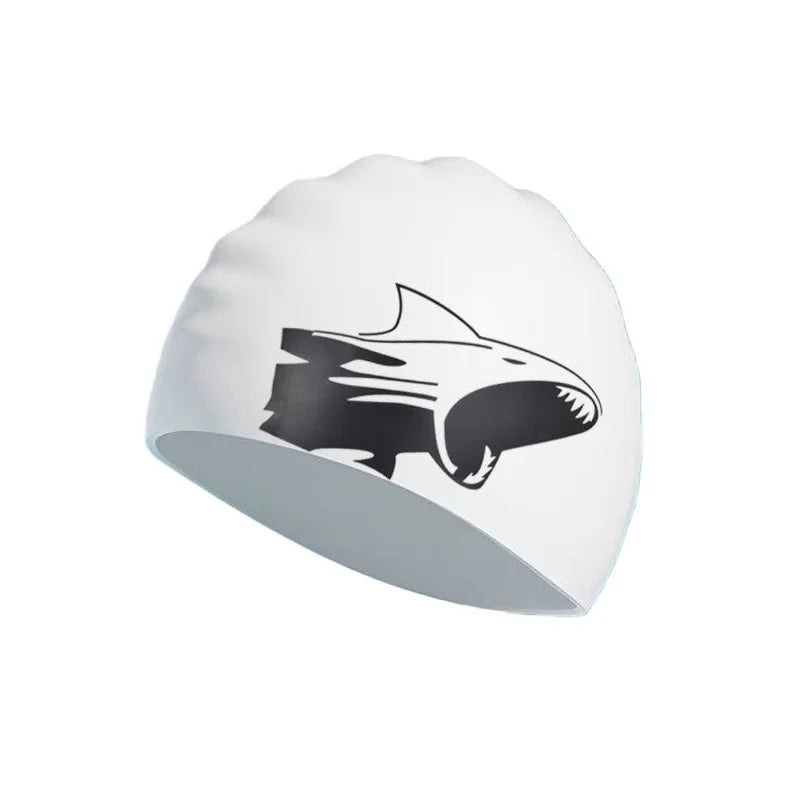
Comparing silicone swim cap chlorine protection with other materials. See it in action.
Material Comparison Table
| Material | Water Resistance | Chlorine Protection | Comfort | Durability | Best For |
|---|---|---|---|---|---|
| Silicone | High | High | Soft and stretchable | Excellent | Frequent swimmers and long sessions |
| Latex | Moderate | Moderate | Lightweight but may pull hair | Moderate | Competitive racing |
| Lycra | Low | Low | Very comfortable | Good | Warmth and comfort rather than protection |
For swimmers asking does a swimming cap protect hair , silicone consistently offers the best balance of comfort, durability, and chlorine protection for regular training.
Best Routine to Minimize Chlorine Hair Damage
Before swimming
- Wet your hair with fresh water before entering the pool so it absorbs less chlorinated water.
- Apply a leave-in conditioner or protective hair barrier if appropriate for your hair type.
- Secure long hair into a low bun or braid before putting on your silicone cap.
- Make sure the cap sits evenly around the hairline without large gaps.
After swimming
- Rinse hair with clean water immediately after leaving the pool.
- Use a gentle swimmer's shampoo to remove chlorine residue.
- Follow with a moisturizing conditioner.
- Deep-condition weekly if you swim several times each week.
For additional hair care advice, explore related resources on how to wash chlorine out of hair after swimming, choosing the best shampoo for chlorine-damaged hair, comparing silicone vs latex swim caps, and learning how to choose the right swim cap size.
How to Wear a Swim Cap for Better Protection
Step-by-step fit tips
- Completely wet your hair before putting on the cap.
- Gather long hair into a low bun or tuck it neatly inside.
- Stretch the cap from the forehead toward the back of your head.
- Adjust the edges around the ears and hairline to reduce gaps.
- Avoid pulling excessively on the silicone to help extend the cap's lifespan.
Correct placement improves swim cap protect hair from chlorine performance while increasing comfort throughout your swim. Pairing this habit with gentle hair care products from Beauty & Wellness supports healthier long-term results.
Curious how small upgrades protect your daily routine? Explore simple wellness essentials designed for real life.
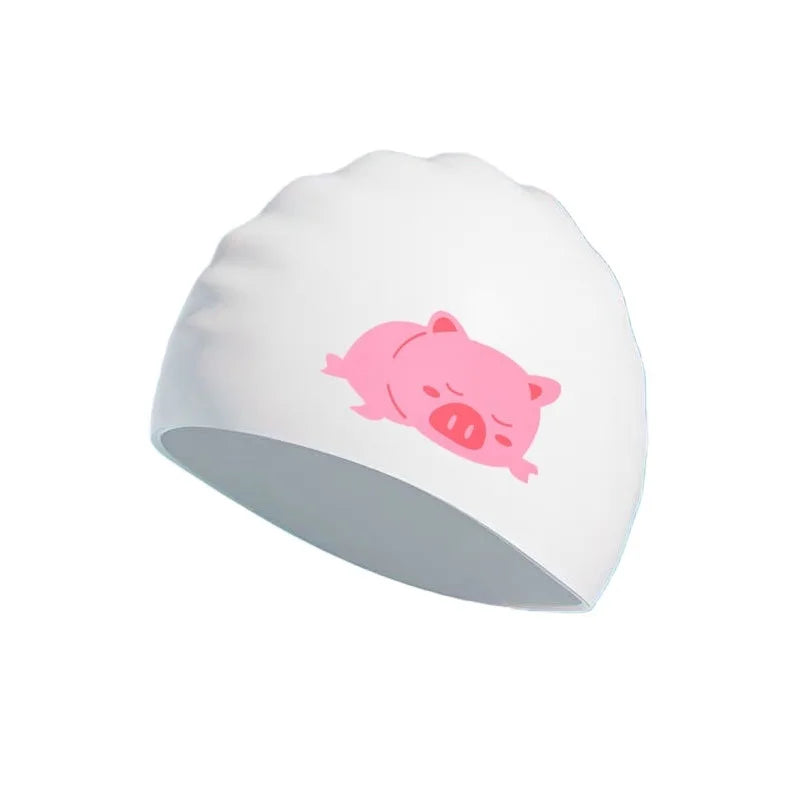
Silicone swim cap chlorine protection helps reduce everyday chlorine exposure during swimming. See it in action.
Ready to protect your hair on every swim? Get yours now — limited stock!
Frequently Asked Questions
Will chlorine damage my hair even if I use a swim cap?
Some chlorine exposure still occurs because no swim cap forms a completely waterproof seal. However, silicone caps substantially reduce direct contact with chlorinated water, helping limit dryness, fading, and breakage.
Can a swim cap keep hair completely dry?
No. Small amounts of water often enter around the edges, especially during dives or longer swims. The goal is to reduce exposure, not eliminate it entirely.
Which swim cap material protects hair best?
Silicone generally provides the best combination of water resistance, durability, comfort, and chlorine protection for recreational and frequent swimmers.
Should I wet my hair before putting on a swim cap?
Yes. Wetting your hair with fresh water beforehand helps limit the amount of chlorinated water your hair absorbs during swimming and also makes the cap easier to put on.
How often should swimmers deep-condition their hair?
Swimmers who train multiple times each week often benefit from deep-conditioning once or twice weekly to restore moisture and reduce long-term chlorine damage.





