

Silicone Swim Cap for Women Who Want Style and Hair Safety
Does a comfortable silicone swim cap for adults really prevent scalp pain?
Comfortable silicone swim cap adults benefit from softer, flexible silicone that stretches evenly and reduces pressure points. Unlike tight caps, this design helps prevent pressure headache after swimming, protects hair, and stays secure without squeezing, making it ideal for sensitive scalps during long or frequent swim sessions.
Comfortable Silicone Swim Cap Adults With Sensitive Scalps
⏱ 7 min read
comfortable silicone swim cap adults finally get relief from tight gear that triggers pressure headache after swimming, thanks to softer materials and smarter stretch. Designed as a truly comfortable swim cap, it cushions sensitive scalps, reduces friction, and stays secure without over-squeezing, making every adult swim cap session calmer and longer. Curious how one small change can transform your laps?
Ever finished a swim with a throbbing head instead of post-workout calm? Many adults assume scalp pain is just part of swimming, but it doesn’t have to be. Choosing the right cap can turn lap swimming from a chore into a comfort ritual.
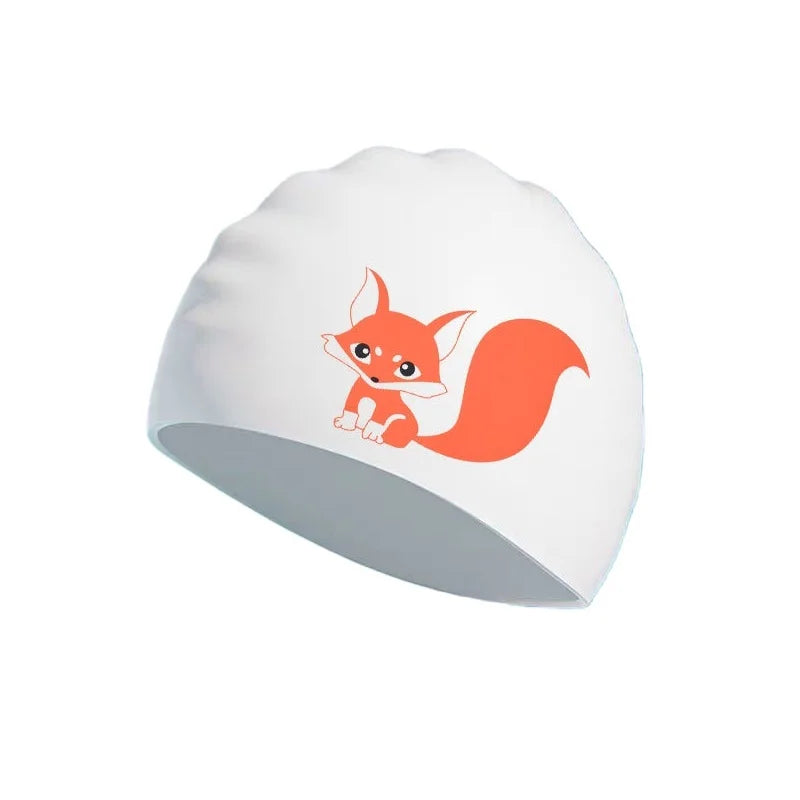
A comfortable silicone swim cap for adults designed to reduce pressure headache after swimming 💡 See it in action
Why Swim Caps Often Cause Scalp Pain
Traditional adult swim caps are often made with stiff silicone or latex that prioritizes tightness over comfort. While this can keep water out, it also concentrates pressure along the hairline and temples.
- Uneven stretch creates tight bands around the head
- Hard silicone pulls at hair roots
- Prolonged pressure leads to tension-style headaches
- Sensitive scalps react faster to friction and heat
For adults juggling workouts, parenting, and wellness routines, adding unnecessary discomfort is the last thing they need.
Who Benefits Most From a Comfortable Swim Cap?
A comfortable silicone swim cap isn’t just a luxury—it’s a practical solution for specific needs.
- Adults with sensitive scalps prone to soreness or redness
- Lap swimmers who stay in the pool 30–60 minutes
- Swimmers with thick or curly hair needing extra stretch
- Wellness-focused moms and dads fitting swims into busy schedules
Many parents already prioritize gentle materials in products from Beauty & Wellness collections at home. The same logic applies to swim gear—softness matters.
How Does a Comfortable Silicone Swim Cap Help?
Comfortable silicone swim cap adults experience less scalp tension because the material distributes pressure evenly across the head. Instead of squeezing at the edges, it stretches smoothly, reducing friction and helping prevent pressure headache after swimming.
Immediate Comfort Benefits
- Less pulling when putting it on or taking it off
- No sharp pressure at temples or behind ears
- Reduced post-swim soreness
- Calmer, longer swim sessions
This mirrors why people choose softer sleep accessories from Sleep & Comfort—consistent, gentle contact improves overall experience.
Key Features That Matter for Sensitive Scalps
1. Softer Silicone Blend
A high-quality comfortable swim cap uses premium silicone that feels supple, not rubbery. This reduces micro-friction on the scalp.
2. Even Stretch Technology
Instead of tight rings, the cap expands uniformly, minimizing pressure points.
3. Hair-Friendly Interior
Less tugging means fewer broken hairs—important for adults managing hair health alongside wellness routines.
4. Secure but Gentle Fit
Stays in place without feeling like a clamp.
| Feature | Standard Cap | Comfortable Silicone Swim Cap |
|---|---|---|
| Pressure Distribution | Uneven | Even |
| Scalp Comfort | Low | High |
| Hair Pulling | Common | Minimal |
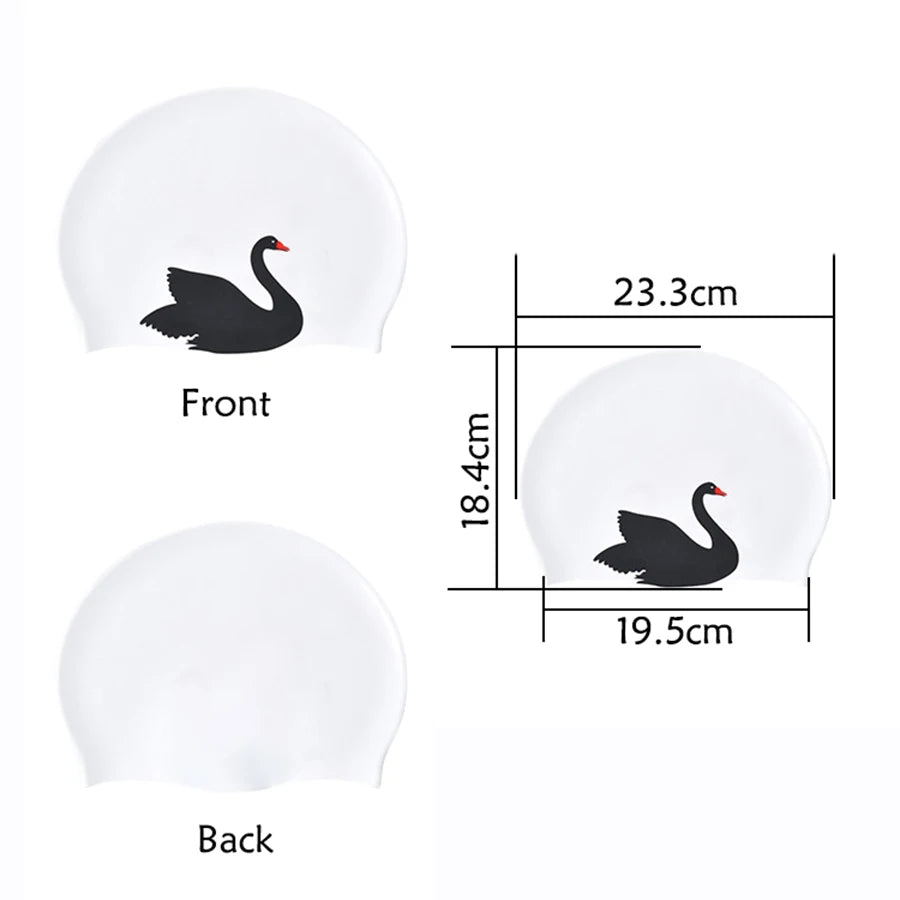
Mid-swim comfort matters: comfortable silicone swim cap adults enjoy longer sessions 💡 See it in action
Real Swimmer Stories: Small Change, Big Relief
Emily, 38, mom of two: “I used to cut swims short because of headaches. Switching to a comfortable silicone swim cap changed everything. I finish my laps relaxed instead of tense.”
Jason, 45, lap swimmer: “I swim before work. A tight cap ruined my mornings. This adult swim cap stays put without squeezing.”
These experiences echo why comfort-first tools are trusted across Health & Safety and wellness routines—less strain means better consistency.
How to Choose the Right Adult Swim Cap
- Check silicone softness by touch
- Look for stretch reviews from real users
- Avoid caps that advertise “extra tight” fits
- Prioritize comfort over total water seal
If you already choose gentle accessories from Massage & Relaxation, apply the same standard to swim gear.
Care Tips to Maintain Comfort
- Rinse with fresh water after each swim
- Air dry away from direct heat
- Store flat to avoid creases
- Avoid sharp nails when handling
Proper care keeps silicone supple, just like maintaining other personal care tools.
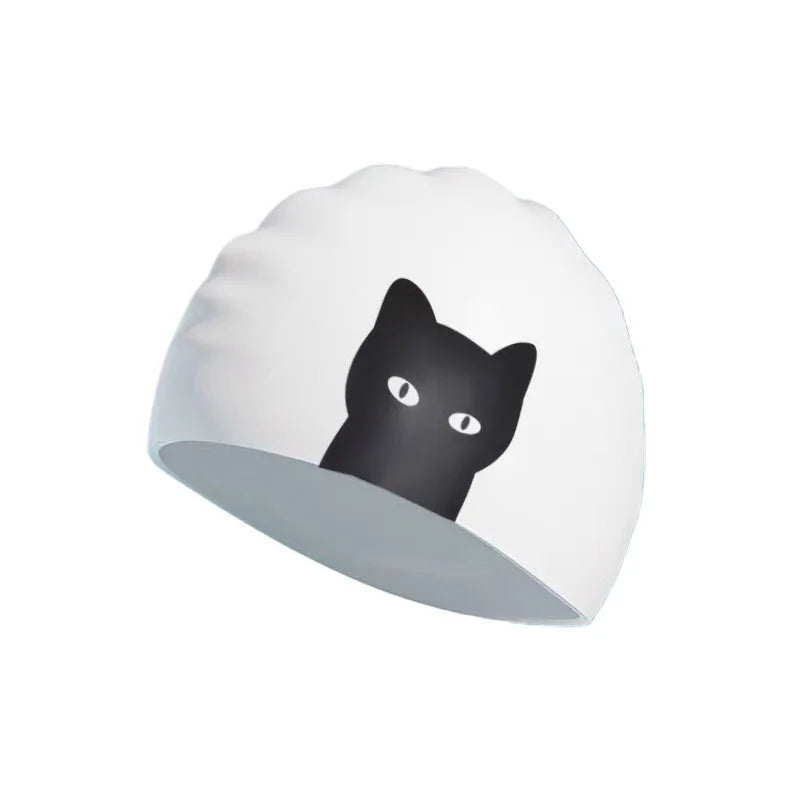
End-of-session comfort with a comfortable silicone swim cap for adults 💡 See it in action
Mini FAQ
Is a comfortable silicone swim cap better than latex?
Yes. Silicone is softer, more durable, and less likely to cause pressure headache after swimming, especially for sensitive scalps.
Will a comfortable swim cap stay on during laps?
Designed with even stretch, it stays secure without excessive tightness.
Can adults with thick hair use it?
Absolutely. The flexible design accommodates volume without pulling.
How often should I replace my swim cap?
With proper care, a quality silicone cap can last months of regular swimming.
Related Guide: Comfortable Silicone Swim Cap Adults With Sensitive Scalps





