

Small Apartment Kids Activities That Actually Work at Home
What are the best small apartment kids activities that actually work for real families?
Small apartment kids activities work best when they balance imagination, movement, learning, and easy cleanup. The most effective options create a dedicated play area without requiring an entire room, including pretend play setups, sensory activities, compact creative stations, and flexible games that can be stored quickly when family spaces need to be used for other purposes.
Quick-start activity index
For families who need simple small apartment activities for kids , these space-efficient ideas are a practical place to start:
- Pretend play corners: Use a small tent, costumes, or open-ended props to create an imaginative world in one corner of the home.
- Sensory play stations: Choose compact activities that encourage focus, exploration, and hands-on learning without creating excessive mess.
- Creative table activities: Drawing, puzzles, building sets, and crafts can transform a kitchen table into a temporary learning zone.
- Movement games: Simple indoor exercises, obstacle paths, and dance activities help kids stay active when outdoor space is limited.
- Quiet independent play: Books, role-play toys, and calming activities help children practice focus and self-direction.
Activity comparison table
| Activity type | Best for | Space needed | Cleanup level |
|---|---|---|---|
| Pretend play tent or playhouse | Creative storytelling and independent play | Small corner or bedroom area | Low |
| Sensory activities | Focus, exploration, and calm play | Tabletop or floor space | Low to moderate |
| Art and craft stations | Fine motor skills and creativity | Kitchen table or small desk | Moderate |
| Indoor movement games | Energy release and coordination | Open floor area | Low |
| Reading and quiet play zones | Independent learning and relaxation | Any comfortable corner | Very low |
Small Apartment Kids Activities That Fit Real Family Life
Living in a smaller home doesn’t mean your child’s world has to feel small. With thoughtful choices, small apartment kids activities can support creativity, independence, and healthy routines without taking over your living room. The goal is not to fill every corner with toys, but to create flexible spaces where children can imagine, explore, and play comfortably.
⏱ 7 min read
If you have ever stepped over toys while preparing dinner or wondered where pretend play fits when there is no extra bedroom, you are not alone. Many families need indoor activities for kids in small spaces that feel meaningful without creating constant clutter. The right setup can turn even a compact apartment into a place where children feel ownership and excitement.
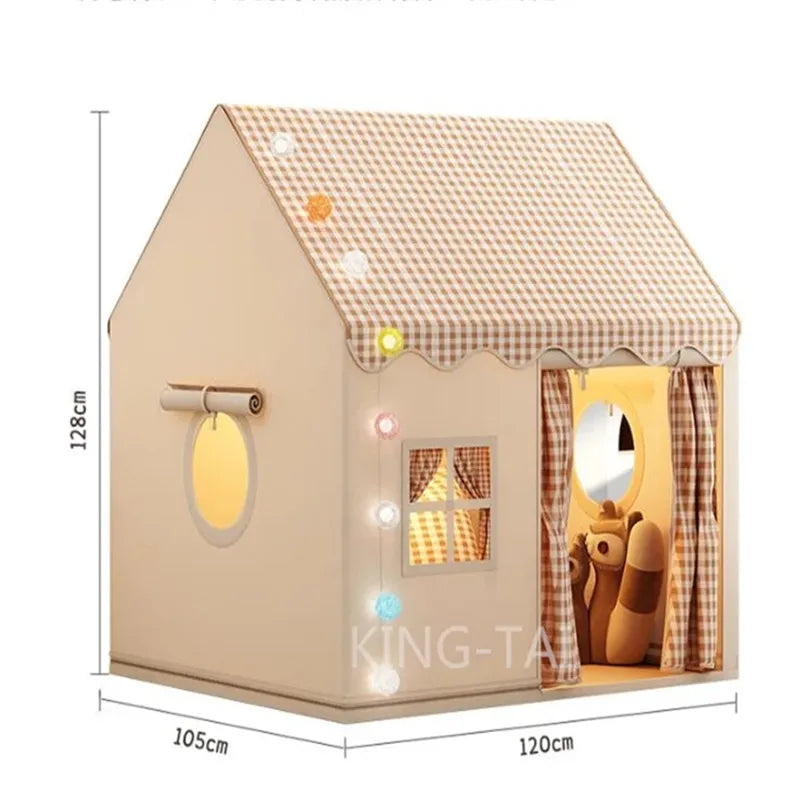
small apartment kids activities that support pretend play for 5 year olds See it in action
Why Small Spaces Need Smarter Play
Small homes require more intentional choices because play areas often share space with dining, relaxing, and daily routines. The best kids activities for apartments are flexible, easy to store, and engaging enough to encourage longer play sessions.
Common challenges families face include:
- Toys spreading across shared living areas
- Children losing interest when too many options are available
- Limited space for active movement indoors
- Difficulty creating a clear boundary between play and rest
Small apartment kids activities work best when they create a simple “yes space” where children know they are free to explore. A dedicated corner, portable play station, or carefully selected activity setup can help children feel independent while keeping the rest of the home organized.
Developmental benefits in small homes
Well-designed indoor activities for kids in small spaces can support important areas of development without requiring a large playroom. A thoughtfully planned apartment play area can encourage movement, creativity, problem-solving, and confidence.
- Motor skills: Building toys, crafts, sensory activities, and movement games strengthen coordination and hand control.
- Creativity: Open-ended play encourages children to invent stories, solve problems, and explore new ideas.
- Sensory learning: Tactile activities help children engage through touch, observation, and experimentation.
- Indoor movement: Simple games and activity zones help children stay active even when outdoor space is limited.
What small apartment kids activities work best?
The best small apartment kids activities combine creativity, learning, and simple storage. Activities that encourage children to imagine, build, explore, and move without requiring large play areas are especially effective for apartment living. Flexible options like pretend play corners, sensory activities, and rotating activity stations help children stay engaged while keeping shared spaces manageable.
Top activities parents rely on
- Indoor pretend play zones: Create a small area where children can act out stories, explore different roles, and practice independence.
- Pop-up tents and fabric playhouses: Provide a dedicated imagination space that can be folded away when not needed.
- Sensory toys and activities: Support focus, creativity, and hands-on learning through textures, movement, and exploration.
- Activity rotations: Keep play fresh by offering a limited selection of toys instead of displaying everything at once.
Many families pair pretend play with items from Sensory Toys to create a balanced mix of imagination, exploration, and calming activities that work well in smaller homes.
Why Pretend Play for 5 Year Olds Thrives Indoors
Pretend play for 5 year olds is especially valuable in indoor environments because children at this age naturally use imagination to understand the world around them. Instead of needing a large playroom filled with toys, many children benefit more from a simple setup that gives them freedom to create stories, take on roles, and make decisions independently.
Easy pretend play setups
A successful pretend play area does not need complicated equipment. Small apartment-friendly setups can be created with a few open-ended items that encourage children to use their imagination in different ways.
- A fabric tent that becomes a castle, reading corner, shop, or secret hideaway
- Dress-up accessories for role-playing different characters
- Stuffed animals that become friends, customers, or story characters
- Simple props like blankets, baskets, books, or pretend kitchen items
These setups are effective because they adapt as children grow. A child may use the same space for storytelling one day, quiet reading the next, and creative games with siblings later.
Learning through imagination
Pretend play supports more than entertainment. For 5-year-olds, imaginative games create opportunities to practice communication, emotional skills, and creative thinking during everyday play.
- Language skills: Creating stories and conversations helps children expand vocabulary and express ideas clearly.
- Social development: Role-playing with siblings or parents teaches cooperation, turn-taking, and empathy.
- Problem-solving: Children learn to create solutions when their imaginary scenarios change.
- Creative thinking: Open-ended play encourages children to invent new possibilities instead of following fixed instructions.
A simple tent, a few costumes, and open-ended props often create longer, more meaningful play sessions than bulky toys with only one purpose.
Does a princess kids play tent really work in apartments?
A princess kids play tent can be one of the most practical small apartment kids activities because it creates a dedicated imagination zone without requiring permanent furniture or a separate playroom. A well-designed tent gives children a place for storytelling, quiet play, and independent exploration while allowing parents to quickly reclaim shared living spaces.
The kids play tent princess castle is a strong option for families looking for apartment friendly kids activities because it combines a magical play experience with space-saving convenience.
What parents notice first
- Fast, tool-free setup: Parents can create a play area quickly without complicated assembly or permanent changes to the home.
- Space-efficient design: The lightweight structure works well in bedrooms, living room corners, or other small spaces.
- Comfortable play environment: Soft fabric creates a cozy area that feels separate from everyday household activities.
- Flexible use: Children can use the tent for solo pretend play, reading, relaxing, or imaginative games with siblings.
Unlike bulky plastic playhouses, a fabric tent can be moved when needed and stored behind furniture, in a closet, or under other storage areas. This makes it a practical choice for families searching for small space play ideas that do not add permanent clutter.
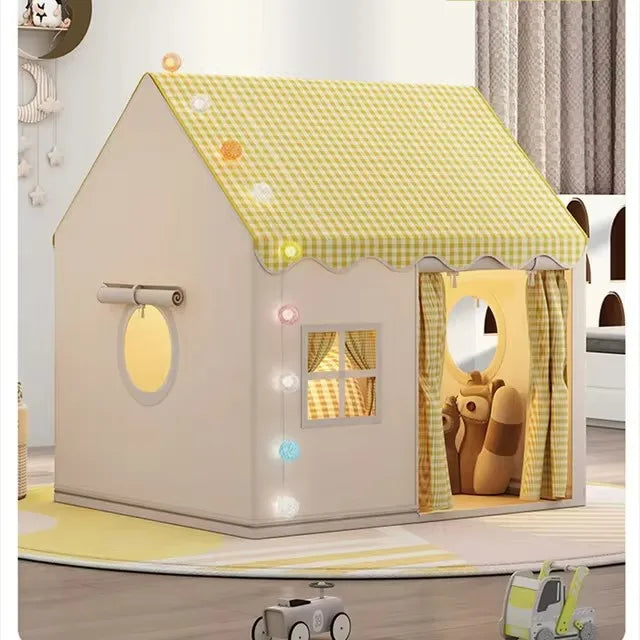
pretend play for 5 year olds made simple with a princess play tent See it in action
Pros and considerations
| Pros | Considerations |
|---|---|
| Encourages independent play and creativity | Fabric may require occasional spot cleaning |
| Easy to move and store in smaller homes | Works best as an indoor play solution |
| Creates quiet, imaginative play opportunities | Primarily designed for pretend play activities |
Choosing the right location
The best location for a princess kids play tent is a safe corner that allows children to enter and exit comfortably without blocking walkways. Families can create an effective small space play area by choosing locations such as:
- A living room corner near a storage basket for easy cleanup
- A bedroom area that can double as a reading or quiet zone
- An open section of the play area away from sharp furniture edges
Keeping the tent in a consistent location helps children recognize it as their own play space while making daily routines easier for parents.
Many parents combine this setup with learning tools from Baby Growth & Learning to extend play into storytelling, language development, and early literacy activities.
Keeping Play Organized in Tight Homes
Organization is essential for successful kids activities for apartments. In a smaller home, the goal is not to remove toys but to create simple systems that make play easier to access and quicker to clean up.
Toy rotation
Keeping every toy available at once can overwhelm children and create unnecessary clutter. A simple rotation system helps maintain interest while reducing the amount of storage space needed.
- Keep a small selection of favorite toys visible
- Store less-used items and switch them every few weeks
- Rotate themes such as pretend play, building, art, and sensory activities
Storage solutions
Small space play ideas work best when every item has a designated place. Multi-use furniture and compact storage options help families keep play areas functional.
- Use baskets or bins for costumes, books, and pretend play accessories
- Store small toys inside the play tent when the activity is finished
- Choose furniture with hidden storage whenever possible
- Use vertical shelves or wall organizers to save floor space
Cleanup routines
Short cleanup routines make it easier for children to participate in maintaining their play area. Simple habits, such as returning toys to labeled bins or resetting the tent before bedtime, teach responsibility without making cleanup feel overwhelming.
A consistent organization system helps small apartment activities for kids stay enjoyable because children can quickly find what they need and parents spend less time managing clutter.
Playroom Ideas Basement Families Can Adapt Upstairs
Many playroom ideas basement families use can work just as well in apartments when adapted for smaller layouts. The most important factor is not having a large room—it is creating clear zones, flexible storage, and a play setup that can change with your child’s needs.
Apartment-friendly alternatives
Small space play ideas focus on making every area serve multiple purposes. A corner of the living room, part of a bedroom, or a section of a hallway can become an effective play zone with the right organization.
- Create a defined play area: Use a rug, play mat, or tent to visually separate play space from the rest of the home.
- Use vertical storage: Shelves, wall organizers, and hanging storage keep toys accessible while protecting valuable floor space.
- Build portable play stations: Baskets, rolling carts, and foldable tables make it easy to move activities when rooms need to serve multiple purposes.
- Choose flexible layouts: Select furniture and toys that can support different activities, from reading and crafts to pretend play.
Soft lighting, comfortable rugs, and fabric playhouses can help children recognize a space as their own without adding excessive noise or permanent changes to the apartment.
Real Parent Experiences
Families using small apartment kids activities often find that the biggest improvements come from simple changes: fewer toys available at once, clearer play areas, and activities that encourage children to stay engaged independently.
Favorite low-cost activities
Parents commonly create meaningful play experiences without expensive equipment. Some practical examples include:
- Story corners: A small basket of books and a cozy seating area can turn an unused corner into a daily reading space.
- Pretend play baskets: Simple items like costumes, blankets, and everyday objects can inspire hours of imaginative play.
- DIY activity stations: Drawing supplies, puzzles, and building toys stored in one container make quick activities easy to set up.
- Family game routines: Short evening games help children connect with parents while using minimal space.
One common challenge parents mention is keeping play areas from becoming overwhelming. Successful routines usually involve limiting available toys, setting regular cleanup times, and choosing activities that naturally fit the family’s daily schedule.
Another parent notes that pairing pretend play with calming routines from Sleep & Comfort helped make transitions between active play and bedtime smoother.
These real-world approaches show that effective apartment play does not require a dedicated room. When activities match the home environment, children can enjoy creative play while families maintain a calmer living space.
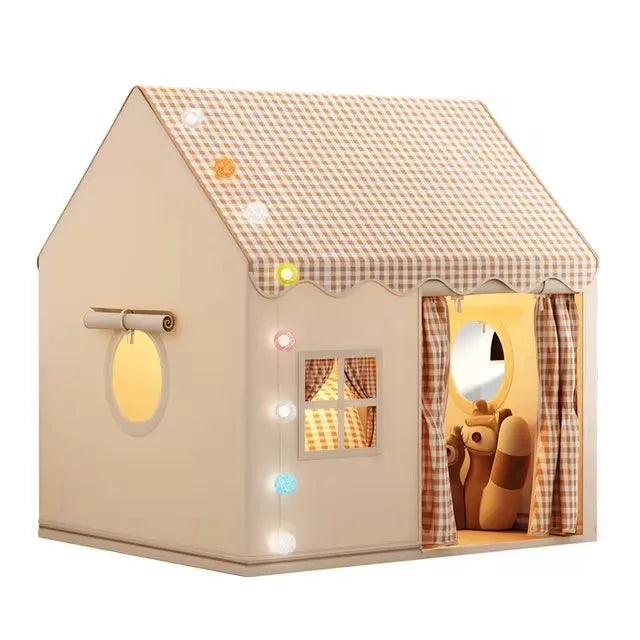
small apartment kids activities that feel magical, not messy See it in action
FAQs
Are play tents safe for apartments?
Yes, indoor fabric play tents can be a safe choice for apartments when they are placed on a stable surface and used according to the manufacturer’s recommendations. Their lightweight design, soft materials, and lack of hard edges make them a practical option for apartment friendly kids activities . Parents should still check that the play area is clear of hazards and supervise younger children during active play.
How do I encourage independent play in small spaces?
To encourage independent play, create a consistent play zone, offer a limited number of engaging activities, and choose open-ended toys that allow children to create their own games. Small apartment kids activities are often more successful when children have easy access to a few meaningful options instead of a large number of toys competing for attention.
Activities like pretend play setups, sensory exploration, and Montessori-inspired activities can help children build confidence while learning to play independently.
What age is best for pretend play tents?
Pretend play tents are especially useful for children ages 3–7 because this stage is filled with imagination, storytelling, and role-playing. Younger children can use tents for simple exploration and comfort, while older preschoolers can turn them into castles, reading areas, stores, or creative storytelling spaces.
For more ideas that support imagination and development, families can explore additional Baby Growth & Learning resources and pretend play activities.
What are the best no-prep apartment activities?
The best no-prep apartment activities use items families already have at home. Simple options include reading together, building with blocks, creating imaginary games, drawing, sorting household objects, or turning blankets into a pretend fort.
Screen-free family activities are especially helpful for rainy days or quiet afternoons because they encourage creativity without requiring extra equipment or large play areas.
How can siblings share a small play space?
Siblings can successfully share a small play space by creating activities that encourage cooperation rather than competition. Shared storytelling, building projects, pretend play roles, and simple board games allow children of different ages to participate together.
- Assign different roles during pretend play
- Use activity bins that siblings can access together
- Create quiet zones for children who need breaks
- Teach simple cleanup routines after shared activities
How do I reduce toy clutter in an apartment?
Reducing toy clutter starts with organization systems that are easy for children to follow. Rotate toys regularly, store similar items together, and choose furniture or containers that serve multiple purposes.
Families without a dedicated playroom can use small space play ideas such as vertical storage, under-bed bins, and portable activity stations. Keeping toys organized makes kids activities for apartments easier to manage while helping children find and enjoy their favorite activities.
What are the best small apartment kids activities for toddlers?
Toddler-friendly activities for small apartments should focus on safe exploration, movement, and simple learning. Good options include sensory bins, stacking toys, music activities, picture books, and supervised floor play that supports coordination and curiosity.
How do I keep kids active in a small apartment?
Children can stay active indoors with movement games, dance sessions, simple obstacle courses, stretching activities, and interactive play. The safest active games for apartment living are those that use controlled movements and avoid jumping or running near furniture and shared walls.
Which indoor activities require no special supplies?
Many indoor activities require nothing more than imagination. Storytelling, pretend games, scavenger hunts, singing, drawing with basic supplies, and helping with simple household tasks can all become engaging learning experiences.
How can siblings of different ages play together in a small apartment?
Mixed-age siblings often play well together when activities allow different levels of participation. Older children can take leadership roles in storytelling or building projects, while younger children can contribute through exploration, movement, and simple tasks.
What are the safest active games for apartment living?
The safest active games for apartments are low-impact activities that provide movement without creating excessive noise. Dancing, stretching, balance games, and gentle indoor challenges are good options when parents want children to stay active while considering neighbors and household safety.
How do I organize toys without a dedicated playroom?
Without a separate playroom, use clear storage categories, portable bins, and multi-use furniture to create an organized system. Keeping toys grouped by activity type—such as pretend play, sensory toys, books, and crafts—makes cleanup faster and helps children learn where items belong.





